
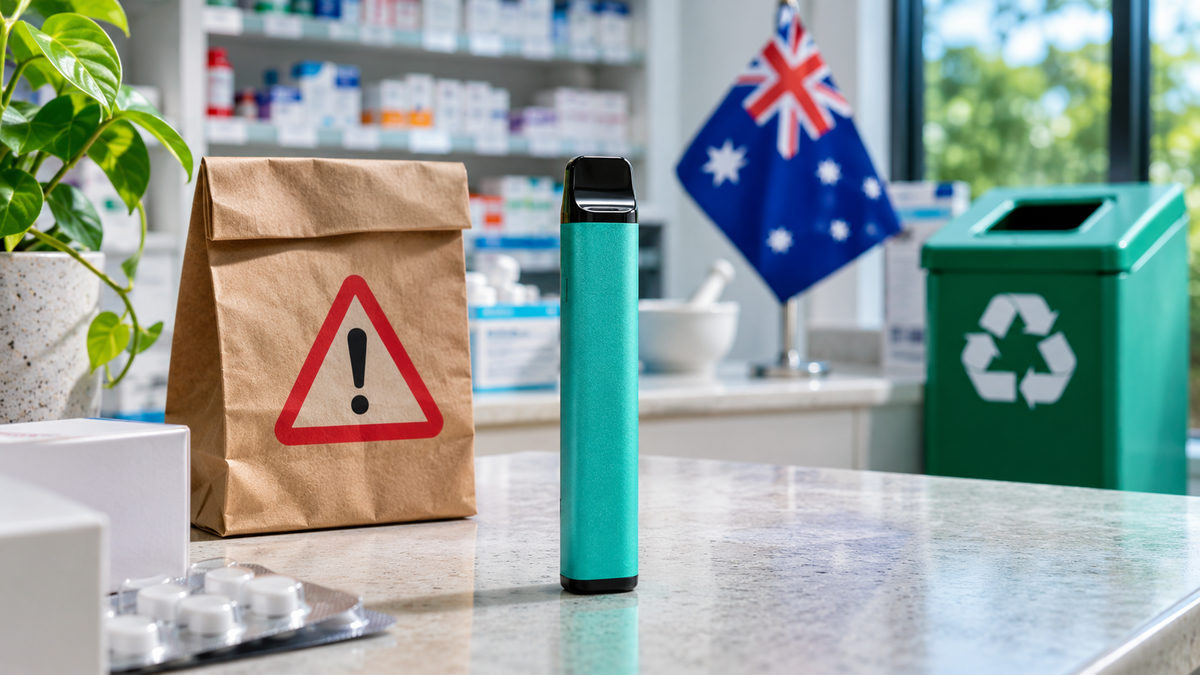
How can an IGET vape sit behind a shop counter when ordinary vape sales are unlawful? IGET Vape: Brand Background and Australian Regulations is about more than a familiar name or a product being available. Commonwealth rules, local laws, pharmacy requirements, and enforcement activity all shape the answer.
Consumers, travellers, parents, educators, and retailers regularly come across conflicting claims online. Yet availability does not prove that a vape is legal, notified, suitable, or safe. This guide distinguishes reported brand history from verified records and outlines the Australian regulatory framework.
1. IGET Vape: Brand Background and Australian Regulations
IGET is an electronic-cigarette brand linked to Shenzhen HuaXinyu Technology Co., Ltd. The company is based in Shenzhen, China, a major centre for electronics manufacturing. Its history is not always described consistently across company records, supplier statements, and independent sources.
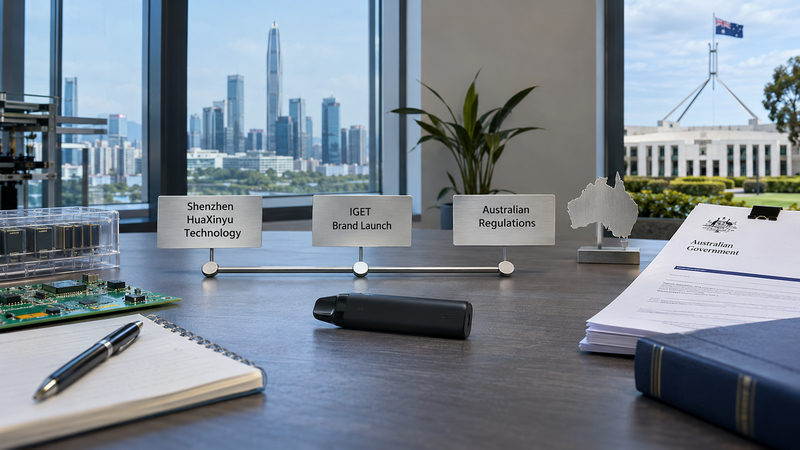
Corporate listings show that Shenzhen HuaXinyu Technology registered in April 2017. Supplier material, meanwhile, says the company established the IGET brand in 2019. Both dates may be accurate, since a company can operate for some time before launching a particular consumer brand.
Why different origin dates appear online
Some online accounts trace IGET’s origins to 2012 or 2017. Those dates may instead refer to earlier manufacturing work, the company’s formation, or an unrelated business with a similar name. They should not automatically be treated as the launch date of the IGET brand.
Trademark records offer stronger evidence of a commercial link. Records in several jurisdictions specifically connect the IGET name to Shenzhen HuaXinyu Technology. Even so, a trademark indicates ownership or claimed commercial use; it does not confirm product quality or regulatory approval.
Supplier pages make other claims, including certifications, large factories, worldwide sales, and market leadership. These are promotional statements and need independent confirmation. A certificate may also apply to just one facility or process, rather than every finished device.
The most careful summary is simple. Shenzhen HuaXinyu Technology registered in 2017, and supplier material reports that IGET launched in 2019. Earlier origin stories remain uncertain unless corporate or historical documents support them.
This guide offers general legal and health information, not jurisdiction-specific legal advice or personalised medical advice. Readers should confirm their circumstances with regulators, legal advisers, pharmacists, or qualified health professionals.
2. How IGET Became Recognised in Australia
IGET became widely recognised through compact disposable and prefilled products. Historically marketed names included Bar, Legend, XXL, Shion, and related variants. They are mentioned here only to explain the brand’s visibility, not to recommend or compare products.
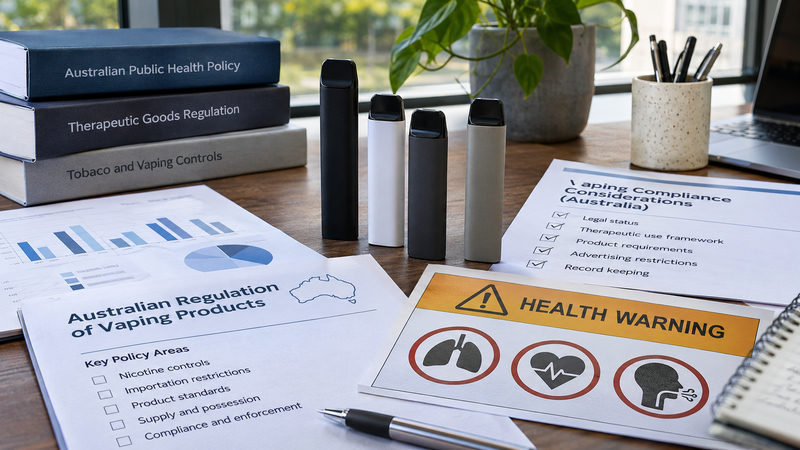
Colourful packaging made the products conspicuous in small retail displays. Sweet, fruit-inspired, and cooling flavour labels also made many devices instantly recognisable. At the same time, high-nicotine disposable formats circulated widely through unlawful retail channels.
Social-media images and word-of-mouth recommendations pushed visibility even further. Tobacconists, convenience stores, and other sellers continued to display or supply illicit products. Repeated exposure to the same branding could easily create a false sense that the products were legitimate.
What Australian sampling studies found
One Australian study examined 593 disposable devices confiscated from students at 18 New South Wales high schools. IGET accounted for 63.7% of that convenience sample. Of the models identified across the combined sample, IGET Bar appeared most frequently.
This was not a nationally representative market survey. The participating schools were located in four New South Wales regions, and staff chose which confiscated devices to collect. The results therefore cannot establish IGET’s market share across Australia or in every school.
Another New South Wales project tested 750 devices collected from schools and retailers. Researchers found widespread nicotine and labelling problems among those samples. Again, the findings describe the devices collected, not every product sold under a particular brand.
Recognition is not evidence of compliance. Nor does a retail display, online listing, sealed package, or advertised puff count guarantee therapeutic suitability. None of these things confirms nicotine accuracy, manufacturing consistency, or safety.
Puff counts, in particular, vary with testing methods and individual patterns of use. Sellers may advertise them without reproducible supporting evidence. Consumers are better served by checking lawful supply, exact product notification, sponsor details, and professional advice.
3. Are IGET Vapes Legal to Sell or Buy in Australia?
Australian law generally allows vaping goods only for therapeutic purposes: smoking cessation or the management of nicotine dependence. For consumers, lawful supply usually takes place through participating Australian pharmacies under regulated pathways.

Tobacconists, convenience stores, specialist vape shops, market stalls, and social-media sellers cannot lawfully sell vaping goods. The same restriction applies to ordinary online retailers. Crucially, it also covers products labelled nicotine-free.
Disposable vapes cannot be sold like ordinary consumer products. An IGET device does not become lawful merchandise simply because it is displayed beside cigarettes or confectionery. A seller’s assurance is no substitute for the required therapeutic supply pathway.
Pharmacy access for adults
A participating pharmacist may supply an eligible adult without a prescription following a consultation. The product can contain no more than 20 mg/mL nicotine. The pharmacist must also assess clinical suitability and comply with relevant state or territory requirements.
That consultation may cover dependence, earlier attempts to quit, other medicines, and treatment goals. Supply must also satisfy quantity, packaging, product, and professional-practice conditions. In other words, pharmacy access does not create an unrestricted retail market.
Pharmacies are not required to stock or supply therapeutic vapes. A pharmacist may decide that another treatment is more suitable for the person. Local laws may impose additional requirements beyond the Commonwealth framework as well.
When a prescription remains necessary
Products containing more than 20 mg/mL nicotine require a prescription from a medical practitioner or nurse practitioner. People under 18 also need a prescription wherever local law allows access. Some jurisdictions, however, prohibit supply to minors even when they have one.
State rules can determine who may prescribe, dispense, or receive these products. Families should not rely solely on broad national summaries. The relevant health department and treating clinician can confirm the current position.
Checking the exact IGET product
The TGA notified-vapes list needs to be searched using the exact product and sponsor. A brand name by itself is not enough. Devices, pods, strengths, and flavours sold under the same brand can have different regulatory positions.
List check dated 8 November 2026: the current list contains several IGET BAR PLUS SE and SE2 entries sponsored by Goodway Global Pty Ltd. They include a device and selected mint, menthol, and tobacco packs or pods. The result does not extend to IGET’s broader disposable range.
Notified status is not the same as approval for inclusion in the Australian Register of Therapeutic Goods. It means the sponsor has notified the TGA that the listed good meets applicable minimum standards. The TGA has not assessed notified vapes for quality, safety, efficacy, or performance in the way it assesses an approved medicine.
Consumers should therefore match the full product name, sponsor, strength, flavour, and notification number. They should also obtain the product through a participating pharmacy. A shop product with a similar name could be different, unlawful, modified, or counterfeit.
4. Importation, Travel, Possession, Advertising, and Penalties
Individuals cannot order vapes from overseas websites for personal importation. Having a prescription does not restore the former personal-import pathway. Australian Border Force may therefore intercept, seize, and destroy suspected unlawful imports.
The restriction applies to devices, accessories, pods, cartridges, and vaping substances. Nicotine content and therapeutic wording make no difference. Commercial importers must have the permissions, notices, and compliant supply arrangements required by law.
The traveller exemption
A narrow exemption allows travellers to carry therapeutic vaping goods in accompanied baggage. The goods must be for treating the traveller or someone under their care. That person must be travelling on the same ship or aircraft.
The maximum quantities for each traveller are:
- Up to two vapes.
- Up to 20 cartridges, capsules, or pods.
- Up to 200 mL of vape liquid.
These limits do not permit retail supply or postal orders. Cannabis and other controlled substances are also subject to separate controls. Disposable cannabis vapes cannot rely on the standard traveller exemption for vaping goods.
Travellers should check Australian Border Force guidance before leaving. Airline battery requirements may affect how a device can be carried, too. Destination and transit countries may have entirely different possession or import laws.
Personal possession and local restrictions
Commonwealth reforms generally focus on unlawful commercial conduct, rather than genuine personal use. They do not ordinarily criminalise someone merely for possessing a small personal-use quantity. But that does not make the actions of an unlawful seller or importer legal.
Commercial possession, stockholding, manufacture, importation, advertising, and supply carry different legal risks. Retail premises may attract close scrutiny even when the amount of stock looks modest. During an investigation, sales messages, product displays, packaging, and payment records may all matter.
State and territory laws can impose further restrictions. They may cover unprescribed nicotine, youth possession, schools, smoke-free places, workplaces, vehicles, and public transport. A lawful pharmacy purchase does not give someone permission to vape anywhere they choose.
Advertising and enforcement
Vape advertising and promotion are generally prohibited unless a specific exception applies. Online advertisements, influencer promotions, sponsored posts, and retailer displays can all breach these rules. Even without a visible purchase button, content that encourages supply or use may qualify.
Businesses should not assume that calling material educational makes it safe. Images, testimonials, product claims, and calls to purchase can shape its overall effect. Health practitioners have only limited exceptions for appropriate communications with patients.
Several agencies work across borders and retail markets to enforce the rules. These include:
- The Therapeutic Goods Administration.
- Australian Border Force.
- The Australian Federal Police.
- State and territory health departments.
- State and territory police services.
Authorities can issue warnings, seize goods, execute warrants, seek injunctions, or start civil and criminal proceedings. Serious offences may result in imprisonment and substantial financial penalties for each contravention. The maximum amounts faced by corporations can be much higher than those applying to individuals.
Penalty-unit values change through indexation, though. Liability also turns on the conduct, available exceptions, evidence, and relevant legislation. Retailers and importers should seek current legal advice rather than depend on an outdated penalty figure.
5. Health, Counterfeit, and Environmental Concerns
Nicotine can lead to dependence and withdrawal. Swallowing e-liquid, or absorbing enough nicotine through another route, can also cause poisoning. Possible symptoms include nausea, vomiting, dizziness, drowsiness, a rapid heartbeat, confusion, or seizures.
Vaping may cause coughing, throat irritation, breathing problems, and other adverse effects. Some vaping exposures have also been associated with serious lung injury. A single symptom or incident, however, cannot reveal the precise cause on its own.
Battery defects, physical damage, improper charging, and overheating can create fire and burn hazards. Stop handling any device that becomes unusually hot, swollen, cracked, or wet. If there is an immediate fire or serious injury, contact emergency services.
People who may face greater concerns
Nicotine poses particular concerns for adolescents because it can reinforce dependence while the brain is still developing. Pregnant people should get professional advice, as nicotine exposure can affect pregnancy. Non-smokers, meanwhile, receive no smoking-cessation benefit from taking up vaping.
Anyone with heart, lung, neurological, or other relevant medical conditions should discuss the risks with a clinician. Homes with children or pets also need secure storage. Even a small quantity of concentrated liquid can create an urgent poisoning hazard.
Unregulated products and uncertain contents
Illicit products may contain undeclared nicotine or concentrations that do not match the label. Contaminants, prohibited ingredients, and inconsistent liquid mixtures are other possibilities. Poor manufacturing or storage can also compromise seals, batteries, and aerosol composition.
Australian TGA testing found nicotine and compliance failures in sampled IGET disposable products. New South Wales school research detected nicotine in 97.3% of analysed disposable samples overall. Those laboratory findings are significant, but they cannot determine the composition of every individual device.
Consumers should be wary of several warning signs:
- Sale through a non-pharmacy retailer.
- Missing Australian sponsor information.
- Unsupported therapeutic or safety claims.
- Non-compliant flavours or youth-oriented packaging.
- Broken seals or inconsistent labelling.
- Batch details that cannot be verified.
A hologram, serial number, or functioning QR code might identify packaging within a seller’s own system. It does not prove that the product is legal in Australia, notified by the TGA, or safe. Seller-run “authenticity” checks are no replacement for official verification.
Environmental and disposal risks
Disposable devices contain lithium batteries, plastics, metals, electronics, and leftover liquid. One small device can therefore create several troublesome waste streams. Damaged batteries can also catch fire during collection, transport, or mechanical processing.
Vapes are electronic waste and may retain hazardous residues. Keep them away from children and pets while waiting for disposal. Never dismantle, crush, puncture, or burn a device.
Disposal services differ across Australia, so users should follow local council, hazardous-waste, or e-waste advice. Above all, vapes should not go into household recycling or general waste where local rules prohibit it.
6. Current Rules, Official Guidance, and Quitting Support
Australia rolled out its reforms in several stages. That sequence helps explain why some older advice found online is no longer accurate. Present decisions should be based on the rules currently in force.
- 1 January 2024: Australia banned imports of disposable single-use vapes, subject to very limited exceptions.
- 1 March 2024: broader restrictions began for importing other vaping goods, including through personal importation.
- 1 July 2024: pharmacy-only supply, national enforcement changes, advertising controls, and commercial offences commenced.
- 1 October 2024: eligible adults gained prescription-free pharmacy access to products containing no more than 20 mg/mL nicotine.
Legislation, notified-product lists, penalty units, and local requirements can all change. Readers should check the TGA Vaping Hub before taking action. Remember that the notified-vapes list gives product-specific information; it does not amount to TGA approval.
Travellers and importers should refer to Australian Border Force guidance. Consumers and retailers also need to confirm local duties with their state or territory health department. Commercial stock, advertising, and enforcement issues may require legal advice.
Support for quitting smoking or vaping
Therapeutic vaping is not generally considered a first-line treatment for quitting. A doctor, nurse practitioner, or pharmacist can help decide whether it is appropriate for a particular person. They can also develop a plan for stopping both smoking and vaping.
Established nicotine-replacement options include:
- Nicotine patches.
- Nicotine gum and chews.
- Nicotine lozenges.
- Nicotine inhalers.
- Nicotine mouth sprays.
- Other clinician-recommended treatments when appropriate.
Behavioural support can strengthen a quit attempt. People can call Quitline on 13 7848 or visit Quit.org.au. My QuitBuddy, pharmacists, and general practitioners can provide further planning and support.
Disclaimer: This information is general and may not cover every local requirement or personal circumstance. It is not a substitute for legal advice about a specific jurisdiction. Nor does it replace personalised guidance from a qualified health professional.
Conclusion
IGET is a Shenzhen-associated brand with a strong historical link to disposable vaping products. Being familiar to Australian consumers does not make it legal, notified, or safe. Each product and sponsor must be checked individually.
Lawful access generally means obtaining a compliant therapeutic product through a participating pharmacy. Ordinary retail sales and personal overseas orders are still prohibited. Travellers have only a narrow therapeutic-use exemption, subject to strict quantity limits.
Separate state or territory rules may also apply to personal possession and use. Check the restrictions for schools, vehicles, smoke-free places, minors, nicotine, and disposal. Commonwealth rules do not answer every local question.
Before buying, carrying, supplying, or disposing of any vape, check current TGA and Australian Border Force guidance. Confirm local requirements with the appropriate health department as well. For suitable quitting support, speak with a pharmacist or health professional.







