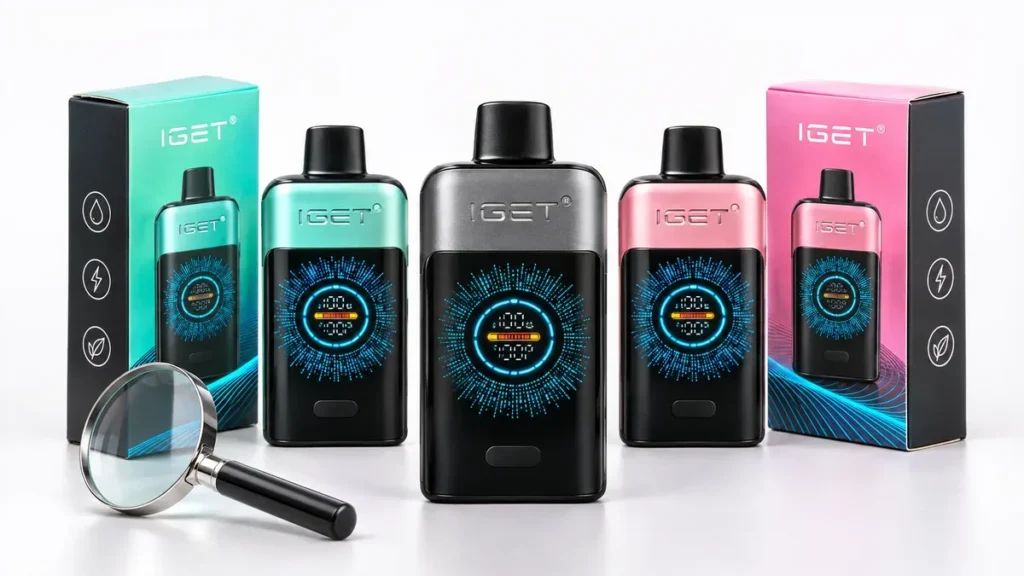
Could one vape cross the airport border while an identical online order gets seized? What Is the Role of the Australian Border Force in Vape Regulation? The ABF checks goods entering Australia and acts against suspected unlawful imports. However, the outcome depends on how the vape arrives, who imports it, and why.
Travellers, shoppers, and pharmacy professionals must identify which rules cover their situation. Specifically, accompanied baggage, overseas parcels, and commercial shipments follow different pathways. This guide explains traveller limits, therapeutic import approvals, and practical responses to border notices. Official ABF, ODC, and TGA guidance was checked on 23 November 2026.
1. What Is the Role of the Australian Border Force in Vape Regulation?
What the ABF checks at the border
The Australian Border Force enforces import controls when goods enter Australia. Officers can examine accompanied passenger baggage, international mail, courier parcels, and commercial cargo. Additionally, they may inspect packaging, declarations, labels, invoices, and supporting approvals. These checks help officers identify the goods and determine which rules apply.
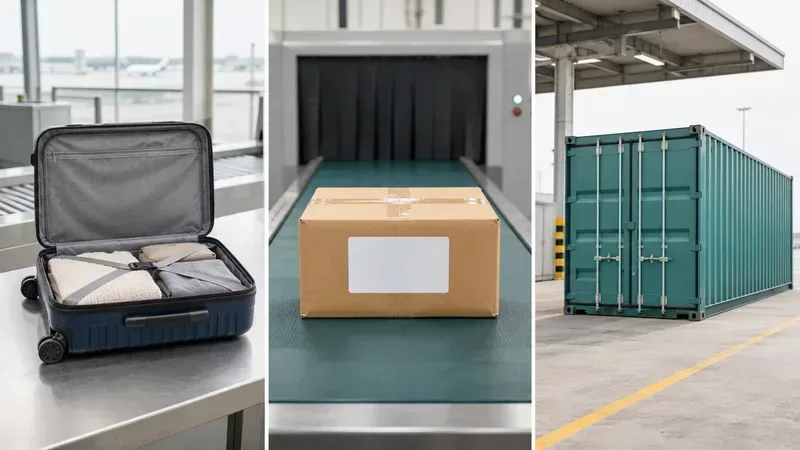
For example, officers may find a reusable device inside a traveller’s suitcase. They can compare the contents against the traveller exemption and its quantity limits. Meanwhile, a courier parcel containing the same device follows commercial or parcel import rules. Its buyer cannot rely on the accompanied-baggage exemption.
The ABF may also check whether an importer holds the required permission before arrival. Moreover, officers can refer questions about therapeutic compliance to the relevant regulator. A product description such as “electronic accessory” does not decide its legal classification. Officers consider the goods themselves, including their design, contents, and intended function.
The ABF guidance on vaping goods explains the controlled categories. Importantly, border enforcement covers more than nicotine-filled disposable products. Devices, accessories, vaping substances, and all liquid nicotine may fall within the controls.
Who regulates vapes in Australia
The ABF does not manage every requirement surrounding vaping goods. Instead, several agencies handle connected but distinct responsibilities. The ABF enforces import controls at airports, seaports, mail centres, and cargo facilities. However, it does not replace therapeutic or local supply regulators.
- The ABF checks incoming goods and takes border action against suspected unlawful imports.
- The Office of Drug Control issues eligible businesses with import licences and consignment permits.
- The Therapeutic Goods Administration regulates therapeutic goods, product standards, notifications, access, possession, and supply.
- State and territory authorities enforce applicable local rules governing possession, pharmacy practice, retail sale, and supply.
Therefore, an ODC permit does not automatically settle every TGA requirement. Likewise, TGA compliance does not remove the need for border permission. Pharmacy professionals must also consider their jurisdiction’s medicines, poisons, and professional practice rules. The ODC import guidance and TGA supply guidance explain these separate responsibilities.
2. Which Vaping Products Do Australian Import Rules Cover?
Disposable vapes, reusable devices, and vape liquids
Australia’s import controls cover a broad range of vaping goods. Specifically, they include disposable devices, reusable devices, accessories, and vaping substances. The controls can apply whether or not a product contains nicotine. Therefore, “nicotine-free” does not automatically mean unrestricted at the border.

Consider a nicotine-free disposable vape bought during an overseas holiday. Its lack of nicotine does not remove it from the vaping-device category. However, an eligible traveller may bring it within the accompanied-baggage exemption and stated limits. Mailing that same product to Australia creates a different legal situation.
Reusable devices also fall within the controls, including devices sold without liquid. Moreover, vaping substances may include liquids designed for use in those devices. Officers may consider the product’s presentation, ingredients, packaging, and intended use. A seller’s chosen label cannot override the product’s actual characteristics.
Liquid nicotine receives particularly broad treatment under the import controls. The ABF includes all liquid nicotine, even when the importer claims another intended use. Consequently, describing liquid nicotine as laboratory material or a mixing ingredient does not guarantee unrestricted entry. Importers should verify every applicable requirement before arranging transport.
The official ABF vaping-goods page provides the central border classification guidance. Notably, heat-not-burn tobacco products also face import controls. They should not be treated as ordinary reusable vapes without checking their specific rules.
Pods, cartridges, and other accessories
Import controls extend beyond complete vaping devices and bottles of liquid. Cartridges, capsules, and pods are stated examples of vaping accessories. Additionally, an empty component may still count because of its designed function. A pod does not necessarily escape control merely because it contains no nicotine.
Some components are harder to classify from an online photograph. For instance, a proprietary reservoir may function as both an accessory and a liquid container. A product may also contain cannabis, nicotine, or another separately controlled substance. In those cases, more than one regulatory requirement can apply.
Therefore, readers should check the official classification before importing an unfamiliar component. Product specifications, ingredient records, and manufacturer documents can help explain what the item is. However, these records do not create permission by themselves. The ODC guidance on vaping goods identifies covered categories and applicable permission pathways.
3. Can Travellers Bring a Vape Into Australia?
Who qualifies for the traveller exemption
An eligible traveller can bring a limited quantity of vaping goods into Australia. However, the goods must arrive in accompanied baggage on the same aircraft or ship. They must support treatment of the traveller or someone under their care. That person must also travel on the same aircraft or ship.
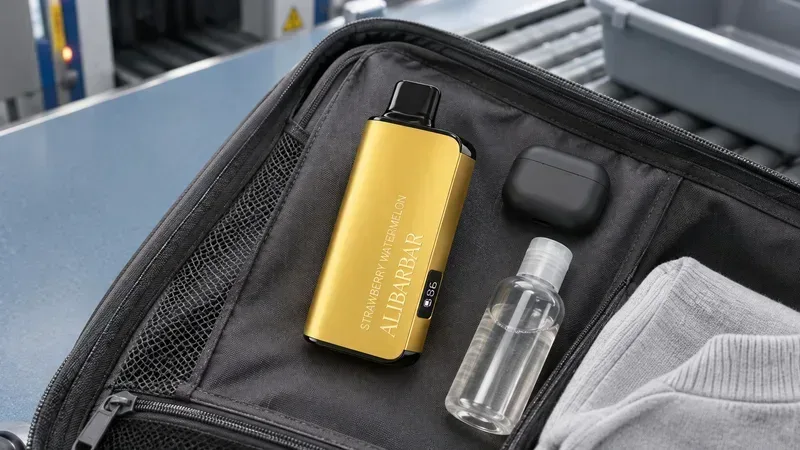
“Accompanied baggage” is an essential condition. Therefore, goods mailed before departure do not become traveller goods simply because the buyer soon enters Australia. Likewise, a suitcase sent separately as freight may not fit the same exemption. Travellers should confirm the pathway whenever goods will not remain with their accompanied luggage.
According to ABF traveller guidance, covered vaping goods do not require a prescription or doctor’s letter for this exemption. Nevertheless, travellers must still satisfy the exemption’s purpose, baggage, and quantity conditions. Airline safety requirements also remain separate, especially for devices containing lithium batteries.
The absence of a documentary requirement does not create an unlimited allowance. In fact, officers can still ask what the products are and who will use them. Clear original packaging may make that discussion easier. Travellers should also declare goods whenever arrival instructions require a declaration.
Quantity limits and a worked example
The ODC traveller exemption sets three maximum quantities. These limits apply to eligible vaping goods carried under the exemption:
- Two vapes in total, counting disposable and reusable devices together.
- Twenty vaping accessories, including cartridges, capsules, or pods.
- 200 mL of vaping substance in liquid form.
Suppose Mia arrives with one reusable device and one disposable vape. She also carries twelve spare pods and one 60 mL bottle of vape liquid. Her totals remain within each numerical limit. However, the goods must still meet the accompanied-baggage and treatment conditions.
Now imagine Mia adds another disposable device at an airport shop overseas. Her device total becomes three, exceeding the two-vape limit. Removing a few pods would not solve that problem because each category has its own maximum. Therefore, travellers should count devices, accessories, and liquid separately before departure.
Two half-full liquid bottles also count toward the liquid allowance. For instance, 120 mL plus 100 mL produces a 220 mL total. That amount exceeds the stated maximum, even though neither bottle exceeds 200 mL alone. Most importantly, travellers should calculate the full quantity they plan to carry.
Medicinal cannabis vaping products require separate attention. Products containing controlled drugs, such as cannabis oil, do not simply enter these general vape limits. Instead, existing controlled-drug traveller requirements may apply. Travellers should consult the TGA medicinal cannabis traveller guidance before packing such goods.
4. What Happens If You Order Vapes From Overseas?
Why the traveller exemption does not apply to parcels
The traveller exemption depends on arrival in accompanied baggage. Consequently, it does not cover orders delivered through international mail or courier networks. Consumers cannot use it to order vaping goods from an overseas retailer. An Australian prescription does not convert the parcel into accompanied traveller goods.
The TGA’s Personal Importation Scheme generally provides a pathway for certain therapeutic goods. However, vaping products are excluded from that scheme. Therefore, a prescription does not authorise a consumer’s overseas vape order under this pathway. The TGA Personal Importation Scheme guidance explains this exclusion.
This distinction surprises travellers who previously carried a permitted quantity through an airport. They may assume the same allowance follows them online. In fact, the delivery method changes the applicable pathway. Accompanied baggage and international parcels receive different treatment under the import framework.
What an online shopper might encounter
Suppose Daniel orders one nicotine-free disposable vape from an overseas website. The checkout accepts his Australian address and displays an international shipping price. However, delivery availability does not prove that Australian import permission exists. The product can still fall within the vaping-goods controls.
The parcel may undergo examination when it reaches Australia. Officers may identify the device through its declaration, packaging, scan, or physical inspection. As a result, authorities may hold or seize the product if the import lacks the required permission. A small order does not create a personal-use exception for mailed vapes.
Daniel should not assume a refund policy will resolve the border issue. Moreover, the seller’s promise of “worldwide delivery” says nothing about Australian law. Buyers remain responsible for checking local import requirements. Payment, dispatch, and tracking confirmation do not establish lawful entry.
People seeking therapeutic vaping products should review the TGA guidance for individuals and patients. Specifically, the guidance explains lawful access through Australian pharmacy channels. This route separates a patient’s therapeutic access from the commercial importer’s border permissions.
5. Who Can Legally Import Therapeutic Vapes Into Australia?
Eligible businesses and product requirements
Only eligible businesses can obtain ODC import licences and permits for vaping goods. Individual consumers cannot use this commercial permission process for personal online shopping. Additionally, business eligibility alone does not guarantee approval. The applicant must meet the relevant licensing and consignment requirements.
A therapeutic vaping-goods sponsor must identify the product’s regulatory pathway. Specifically, the sponsor should check applicable product standards, ingredients, packaging, labelling, and presentation requirements. The sponsor must also determine whether the product needs ARTG inclusion. Alternatively, an eligible unapproved product may require a compliant TGA notification.
ARTG means the Australian Register of Therapeutic Goods. Inclusion and notification represent different regulatory mechanisms. Therefore, a business should not describe a notified product as TGA-approved. A notification records information and confirms specified matters, but it does not amount to TGA evaluation or approval.
The sponsor remains responsible for the accuracy of submitted information. Moreover, it must ensure the supplied product matches the relevant record and standards. A manufacturer’s overseas certificate may support due diligence. However, it does not replace Australian therapeutic and import requirements.
The TGA guidance for sponsors explains these responsibilities. Businesses should review that material before ordering stock or signing freight arrangements. Early checks can prevent an expensive shipment from reaching the border without complete documentation.
Import licences, consignment permits, and records
An ODC import licence and an import permit perform different functions. The licence authorises an eligible business to participate in the regulated import activity. However, the business also needs a separate permit for each consignment. It must obtain that permit before importing the shipment.
Consider a therapeutic vape sponsor preparing a shipment from an overseas manufacturer. First, the sponsor confirms the product’s applicable ARTG inclusion or compliant notification record. Next, the business secures and maintains its ODC import licence. It then applies for the consignment-specific permit before arranging importation.
The sponsor should match every record against the actual shipment. Specifically, names, models, quantities, product details, and supporting references should align. A permit for one consignment should not be treated as continuing approval for later shipments. Moreover, changed products or quantities may require further review.
A practical pre-shipment file should include several items:
- The applicable ARTG entry or compliant TGA notification record.
- The current ODC import licence held by the eligible business.
- The ODC permit covering that particular consignment.
- Commercial invoices, packing lists, and accurate product descriptions.
- Product specifications and records supporting compliance with applicable standards.
The ODC licence application guidance explains the business licensing process. Additionally, the ODC permit application covers permission for individual consignments. Importers should allow processing time before confirming transport dates.
What healthcare and pharmacy professionals need to check
Border documents belong to the importer’s compliance pathway. By contrast, prescribing, dispensing, possession, and pharmacy supply follow therapeutic and local legal requirements. A pharmacist should not assume an ODC permit authorises every downstream activity. Likewise, a valid prescription does not replace the importer’s border permissions.
Healthcare professionals should check current TGA pathways and professional obligations. Furthermore, pharmacies must consider applicable state or territory medicines and poisons rules. These requirements can affect possession, storage, dispensing, supply, and recordkeeping. Local rules may also determine who can supply particular products and under which conditions.
The TGA guidance on possessing and supplying vaping goods provides a national starting point. However, professionals should also consult their jurisdiction’s regulator. When uncertainty remains, they should obtain advice before accepting stock or dispensing a product.
6. What Happens When the ABF Detains or Seizes Vaping Goods?
Detention, referral, and seizure in plain English
A delayed parcel has not necessarily reached a final enforcement outcome. A hold may give officers time to identify the goods or review supporting paperwork. Additionally, authorities may need to confirm whether an exemption, licence, or permit applies. Tracking information alone rarely explains the complete legal status.
A referral means another agency may assess part of the compliance question. For example, therapeutic product issues may require TGA input. Meanwhile, the ABF continues handling the border process within its powers. A referral should not be mistaken for approval or final seizure.
Seizure is formal action taken under an applicable legal power. It differs from a temporary examination or administrative delay. Moreover, the notice should identify the relevant process and available response options. Suspected unlawful imports may ultimately face forfeiture and destruction.
The ABF guidance on illicit tobacco and vapes describes border enforcement work. The TGA patient guidance also warns consumers against overseas vape orders. Together, these resources explain why personal parcels may attract enforcement attention.
How to respond to a border notice
Read every page of the notice before responding. Specifically, identify the stated reason, reference number, issuing agency, and response deadline. Different notices may create different rights and procedures. Therefore, advice about another person’s parcel may not fit your case.
Keep the purchase invoice, payment confirmation, tracking history, product page, and correspondence with the seller. Commercial importers should also preserve licences, permits, ARTG details, notification records, and freight documents. Additionally, record when the notice arrived and how you responded. These materials can help authorities match your response to the goods.
Direct case-specific questions to the contact named on the notice. Include the reference number and provide concise, accurate information. However, do not miss a deadline while waiting for unrelated advice. If necessary, seek qualified legal or regulatory assistance promptly.
Some seizure processes may allow a claim for return. Where the notice makes that option available, follow its instructions and use the correct form. The ABF claim for return of seized goods provides the relevant claim document. Importantly, submitting a claim does not guarantee that authorities will return the goods.
Conclusion
The ABF enforces vape import controls by checking baggage, parcels, and commercial cargo at Australia’s border. Meanwhile, the ODC manages business import licences and consignment permits. The TGA and state or territory authorities oversee important aspects of therapeutic access, possession, and supply. Therefore, accompanied baggage, overseas orders, and authorised commercial imports cannot use one shared pathway.
Before packing a vape or arranging a shipment, check current ABF and ODC guidance. Additionally, use TGA guidance when seeking lawful access through an Australian pharmacy. If authorities send a border notice, follow its contact instructions and deadline carefully. Keep every relevant purchase, tracking, product, and permission record.