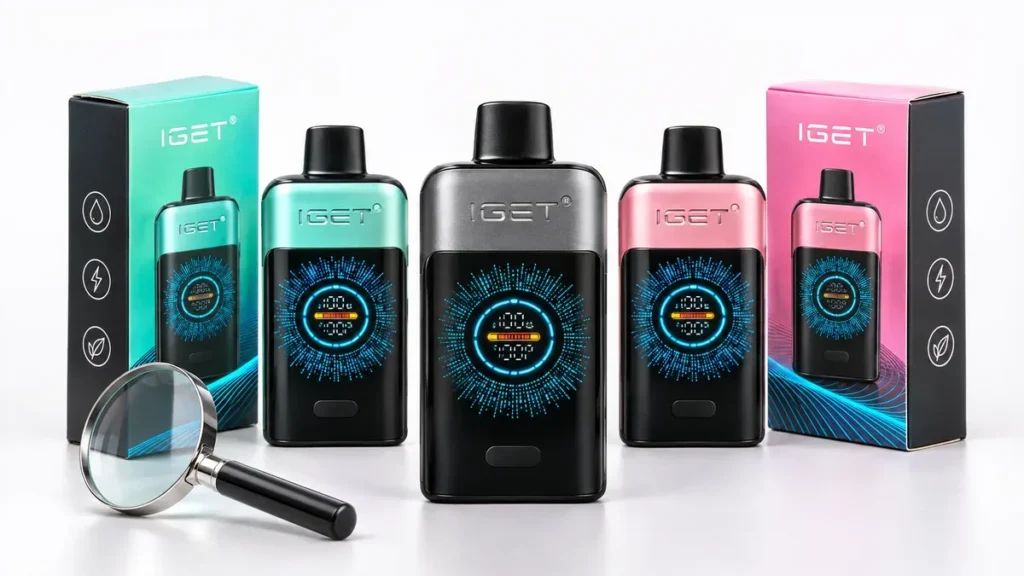
A menthol vape can have FDA marketing authorization, face a state retail ban, and remain subject to separate airline rules. So, what is the difference between federal and state vaping laws? The answer depends on the product, activity, location, and person involved.
Federal rules create nationwide requirements for matters such as product authorization and the minimum retail sales age. However, states and municipalities may add stricter restrictions on sales, delivery, possession, and use. A retail ban answers a different question from a possession rule, shipping requirement, or public-use restriction.
Therefore, consumers and businesses should verify every relevant layer before buying, stocking, shipping, or carrying a vape. This guide explains how those layers interact and where to confirm them. It provides general educational information and does not constitute legal advice.
1. What Is the Difference Between Federal and State Vaping Laws?
What each level of government regulates
Federal law establishes requirements that apply nationwide. The FDA regulates covered tobacco products, including many e-cigarettes, pods, e-liquids, and disposable vapes. Moreover, federal law sets 21 as the minimum age for retail tobacco sales.

States may generally adopt valid rules that are stricter than federal requirements. For instance, a state may restrict flavors, require retailer licenses, impose excise taxes, or prohibit vaping in workplaces. States may also regulate distribution, possession, youth access, and delivery methods.
Municipalities can add another layer when state law permits local regulation. A city might prohibit flavored vape sales or extend smoke-free rules to outdoor public areas. However, some states restrict local authority through state-level limits on municipal regulation.
What happens when rules overlap or conflict
The federal preservation and preemption statute divides authority carefully. It reserves certain product requirements to federal authority. These areas include product standards, premarket review, adulteration, misbranding, labeling, and manufacturing practices.
Meanwhile, the statute preserves substantial state and local authority over tobacco-related activities. Governments may regulate sales, distribution, possession, exposure, access, advertising, promotion, and use. Therefore, federal authorization does not automatically override a valid state sales restriction.
Consider an FDA-authorized menthol vaping product. A retailer might satisfy federal product requirements yet remain unable to sell it under the California flavored tobacco law. Both rules can apply because they address different legal questions.
Federal preemption also differs from state limits on municipal authority. Federal preemption asks whether federal law displaces a state or local requirement. On the other hand, a state-level limit asks whether a city or county may regulate beyond state law.
2. Federal Vaping Laws on Age, Products, Labeling, and Marketing
Which products fall under federal rules?
E-cigarettes are electronic products that heat a liquid or other material to create an inhaled aerosol. The broader term electronic nicotine delivery systems, or ENDS, includes many vapes, electronic cigarettes, vape pens, and similar devices. Pods and cartridges usually hold the consumable material, while disposables combine major parts in one product.
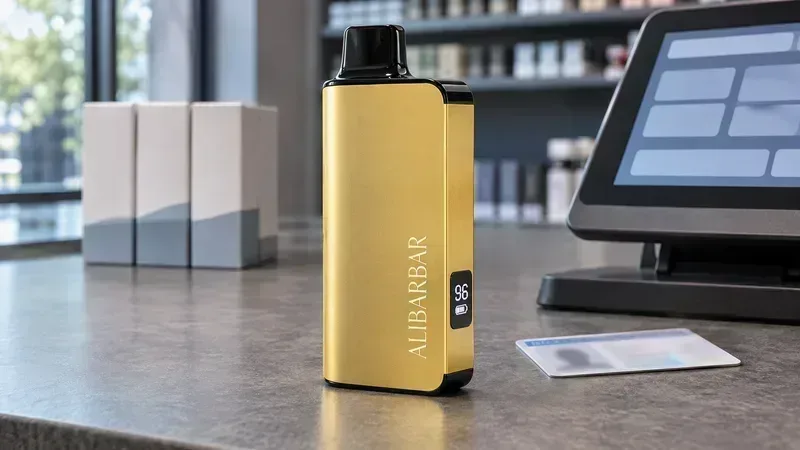
The FDA overview of ENDS explains its authority over nicotine from any source. Therefore, synthetic nicotine does not escape federal oversight merely because manufacturers did not derive it from tobacco. Covered components and parts may also fall under FDA rules.
A nicotine-free item may qualify as a component or part because of its intended use with a tobacco product. However, the analysis depends on the item, claims, design, and surrounding facts. Furthermore, the PACT Act and state laws may use definitions broader than the FDA framework.
Cannabis vaping products require a separate legal review. Federal controlled-substance law and state cannabis programs govern those products through different frameworks. Additionally, crossing state lines can create serious issues even when both states permit certain cannabis activities.
How old must a buyer be?
Federal Tobacco 21 law prohibits retailers from selling covered tobacco products to anyone under 21. This nationwide minimum applies to in-person and online retail sales. A lower state age cannot replace the federal minimum.
Under the FDA Tobacco 21 requirements, retailers must check photo identification for customers under 30. Therefore, an employee cannot rely only on appearance when a customer seems older than 21. States may also impose stricter verification procedures.
Importantly, a sales restriction does not automatically create an identical possession rule. States and cities may separately address youth purchase, possession, use, or attempted purchase. Schools can also impose discipline under student policies, even when another law does not penalize simple possession.
Which products can manufacturers market and retailers sell?
The FDA oversees manufacturing, importing, marketing, labeling, distribution, and retail sales of covered tobacco products. A new tobacco product generally needs an applicable marketing order before lawful marketing. Manufacturers commonly seek that order through a premarket tobacco product application, known as a PMTA.
An FDA review produces a product-specific decision. Therefore, authorization for one device, pod, flavor, or nicotine strength does not cover every related product. Retailers should compare exact product details with the FDA order and current authorized-product list.
Marketing authorization allows a product to enter or remain on the market under applicable conditions. However, authorization does not mean the product is safe or FDA-approved like a medicine. The order can also impose continuing reporting, advertising, or marketing conditions.
Federal requirements may include nicotine addiction warnings, restrictions on free samples, and safeguards against youth access. Additionally, retailers must follow applicable sales and identification rules. Manufacturers must comply with the exact conditions attached to their marketing orders.
Flavor alone does not determine whether a product can lawfully enter the federal market. In fact, authorization turns on the exact product and its supporting evidence. Buyers and retailers should consult the FDA list of authorized e-cigarettes rather than trusting packaging or a supplier’s general claim.
3. How State and Local Vaping Laws Differ on Flavors, Taxes, and Licensing
Flavor limits and product eligibility
Flavor rules vary sharply across jurisdictions. California restricts retail sales of many flavored tobacco products and uses an Unflavored Tobacco List for covered products. Meanwhile, New York City generally permits only tobacco-flavored or unflavored e-cigarettes, e-liquids, and liquid nicotine.
| Issue | California | New York City |
|---|---|---|
| Covered products | Covered flavored tobacco products, including many vaping products | E-cigarettes, e-liquids, liquid nicotine, and other covered products |
| Menthol treatment | Generally treated as a prohibited characterizing flavor for covered retail sales | Not permitted for covered e-cigarettes under the tobacco-flavored or unflavored rule |
| Sales channels | Retail restrictions can reach in-person and covered remote sales | Retail sales within New York City |
| Key enforcement bodies | State agencies, the attorney general, and authorized local authorities | City health and consumer protection authorities |
The New York City flavored product rules distinguish e-cigarettes from some other tobacco products. Specifically, menthol may receive different treatment across product categories. Businesses must read the definition covering the exact item.
State definitions may also capture nicotine-free liquids or devices intended for vaping. Moreover, laws often distinguish retail sale, possession with intent to sell, and personal possession. A sales prohibition does not necessarily make personal possession unlawful, although another provision might.
Excise taxes, permits, and inspections
Vapor taxes can use very different calculations. Some jurisdictions charge an amount per milliliter of liquid. Others apply a percentage to wholesale cost, retail price, or another defined value.
For example, Wisconsin vapor products tax guidance describes a per-milliliter tax. The state definition reaches qualifying substances regardless of whether they contain nicotine. Therefore, a zero-nicotine bottle may still create a tax obligation.
Businesses should confirm who owes the tax and when liability begins. The responsible party could be a manufacturer, distributor, retailer, importer, or consumer holding untaxed products. Additionally, filing dates and invoice requirements can differ from ordinary sales-tax rules.
Licensing creates another local variation. A business may need state retail credentials, distributor permits, tobacco licenses, and local approvals. Moreover, renewals, display requirements, inspections, employee training, and record retention can depend on the location and activity.
4. Online Vape Sales, Delivery, and Shipping Under the PACT Act
Registration, tax, and recordkeeping for sellers
The PACT Act regulates qualifying interstate commerce in cigarettes, smokeless tobacco, and ENDS. Its ENDS definition is broad and can reach devices, components, parts, accessories, and liquids delivered through an aerosolized solution. Therefore, nicotine-free products may still fall within its scope.
Covered sellers may need to register with ATF and relevant tobacco-tax administrators. They may also face reporting, tax collection, recordkeeping, and package-labeling duties. The ATF PACT Act guidance provides federal registration materials and compliance information.
Registration alone does not authorize every shipment. Before accepting an order, a seller should check the destination’s product restrictions, licenses, tax rules, and delivery laws. Furthermore, some jurisdictions restrict direct-to-consumer delivery even when storefront sales remain possible.
- Identify every product, component, liquid, and accessory in the package.
- Confirm whether federal and destination definitions cover each item.
- Check registration, reporting, tax, labeling, and recordkeeping duties.
- Verify whether the destination allows the product and delivery method.
- Confirm that an eligible carrier accepts the shipment.
Age checks and shipping limits for customers
Covered remote sales require more than a birth-date checkbox. Sellers generally need reliable age verification during the transaction. Additionally, delivery procedures can require adult identification and a signature from the person accepting the package.
USPS generally prohibits mailing ENDS, subject to limited statutory and regulatory exceptions. Private carriers create their own acceptance rules and may decline consumer vape shipments. Therefore, a lawful product does not guarantee an available shipping service.
Imagine a seller operating where a flavored disposable remains eligible for sale. The buyer lives in a jurisdiction prohibiting that product or direct delivery. The seller should stop the transaction before payment or fulfillment, despite the seller’s home-state rules.
Consumers should not ask sellers to mislabel packages or conceal their contents. Such conduct can trigger separate legal and carrier consequences. For a practical federal overview, consult the ATF guidance for vapes and e-cigarettes.
5. Where You Can Vape and What Changes When You Travel
Indoor air laws and site-specific restrictions
An indoor smoking ban covers vaping when its definitions include e-cigarette use. Alternatively, a separate provision may prohibit vaping in specified places. Therefore, a “no smoking” rule can sometimes apply even without the word “vaping” on a sign.
Restrictions may cover workplaces, restaurants, bars, schools, government buildings, and public spaces. Additionally, some jurisdictions regulate vaping in vehicles carrying minors. Buses, trains, stations, rideshare vehicles, and transit platforms may have separate rules.
Property owners and operators may adopt policies stricter than local law. For instance, a hotel can prohibit vaping throughout its rooms and grounds. Schools may also ban devices on campus regardless of a student’s age or the product’s contents.
Before using a device, check the relevant federal property rule, agency policy, transit operator terms, and school policy. Most importantly, follow posted signs and staff instructions. A location-specific restriction can apply even when public law permits vaping elsewhere.
Carrying vapes across state lines and on flights
Personal carriage differs from commercial shipping. It also differs from selling, possessing for sale, or using the device after arrival. Therefore, travelers should not treat shipping rules as a complete answer to personal travel questions.
Check possession limits, quantity thresholds, tax rules, and local restrictions along the route. Moreover, review the destination’s rules before using or transferring any product. Cannabis cartridges require a separate federal, state, and local analysis.
For commercial flights, the FAA requires battery-powered vaping devices to remain on the passenger or in carry-on baggage. Travelers must protect devices from accidental activation and damage. Spare lithium batteries also need suitable terminal protection.
Passengers may not use or charge vaping devices aboard the aircraft. Additionally, a device must not remain inside checked baggage. Airline policies, airport rules, and destination laws can add further restrictions beyond FAA battery-safety requirements.
6. Vape Compliance and Penalties by Role
Consumers, parents, and storefront retailers
Consumers and parents should separate four questions: purchase, possession, use, and school discipline. A person may violate an underage purchase rule without facing the same consequence for possession. Meanwhile, a school can impose discipline under its own policy.
Storefront retailers need repeatable controls. Employees should receive identification training and know when to refuse a sale. Furthermore, staff should verify the exact product rather than relying on flavor, brand, or distributor assurances.
- Check photo identification for every customer covered by federal or stricter local rules.
- Match each item against current federal authorization and local product eligibility.
- Renew all retail, tobacco, and local licenses before their deadlines.
- Maintain invoices, tax documents, training records, and inspection materials.
- Remove products affected by new orders, restrictions, or enforcement notices.
Online sellers, manufacturers, and distributors
| Actor | Core compliance checks |
|---|---|
| Online seller | Destination restrictions, age verification, carrier eligibility, delivery records, registration, reporting, and tax documents |
| Manufacturer or importer | Product authorization, labeling, establishment registration, product listing, marketing conditions, and import requirements |
| Distributor | Product eligibility, customer licenses, destination permits, invoices, reports, and excise-tax documentation |
| Retail shop mixing or modifying products | Possible manufacturer obligations alongside ordinary retailer requirements |
A shop may become more than a retailer when staff mix e-liquids or modify devices. Depending on the activity, federal manufacturer requirements may apply. Therefore, businesses should assess operational changes before offering custom products.
Online sellers must review each destination rather than applying only their home-state rules. Manufacturers and importers need product-specific federal compliance. Meanwhile, distributors should prevent ineligible products from reaching restricted destinations or unlicensed customers.
What can happen when someone violates a rule?
Consequences depend on the conduct, responsible party, governing law, and enforcement agency. The FDA may issue warning letters or pursue civil money penalties for federal tobacco violations. It may also seek no-tobacco-sale orders against retailers with repeated violations.
State and local authorities may impose fines, tax assessments, or product seizures where authorized. Furthermore, licensing agencies can suspend or revoke retail, distribution, or tobacco permits. Schools and property operators may apply separate disciplinary or contractual consequences.
For instance, selling to an underage customer usually places responsibility on the retailer. Marketing an unauthorized product can expose manufacturers, importers, distributors, or retailers to federal action. Failing to collect destination taxes may create liability for a remote seller.
Certain statutes also permit criminal consequences. Specifically, knowing PACT Act violations can lead to criminal enforcement in appropriate cases. Businesses should review FDA enforcement actions involving unauthorized products and ATF materials for practical examples.
7. How to Verify the Vaping Laws That Apply to You
Start with three facts: the exact product, the planned activity, and every relevant jurisdiction. Record the brand, model, flavor, nicotine source, strength, package size, and product form. Then decide whether the activity involves buying, selling, shipping, possessing, or using it.
First, check FDA authorization and federal Tobacco 21 requirements. Next, consult state health, revenue, and licensing agencies for flavor, tax, permit, possession, and use rules. Additionally, search city and county codes because local restrictions may go further.
For delivery, review ATF guidance, USPS rules, private carrier policies, and destination requirements. For travel, check the airline, airport, transit operator, and property authority. Moreover, verify cannabis vaping products through their separate legal framework.
- The controlling statute, regulation, ordinance, order, or written policy
- Its effective date and latest amendment date
- The precise definition covering the product
- Any exemption, exception, or quantity threshold
- The agency responsible for interpretation and enforcement
- The date on which you verified the information
Finally, distinguish enacted rules from pending proposals. Also check whether a court or agency has delayed enforcement. When a conflict remains unclear, businesses and affected individuals should consult qualified legal counsel.
Conclusion
Federal rules govern key matters such as FDA marketing authorization and the nationwide minimum retail sales age. However, valid state and local rules can further restrict sales, delivery, possession, or use. No single database answers every vaping question across every jurisdiction.
The correct answer depends on the exact product, activity, location, and role of the person or business. Therefore, never assume federal authorization makes a product eligible everywhere. Likewise, do not assume a retail ban automatically prohibits personal possession.
Before buying, carrying, stocking, or shipping a vape, identify the exact product and destination. Then verify the applicable federal rule, state law, and local ordinance. That short check can prevent a refused delivery, lost inventory, fine, or much larger enforcement problem.