
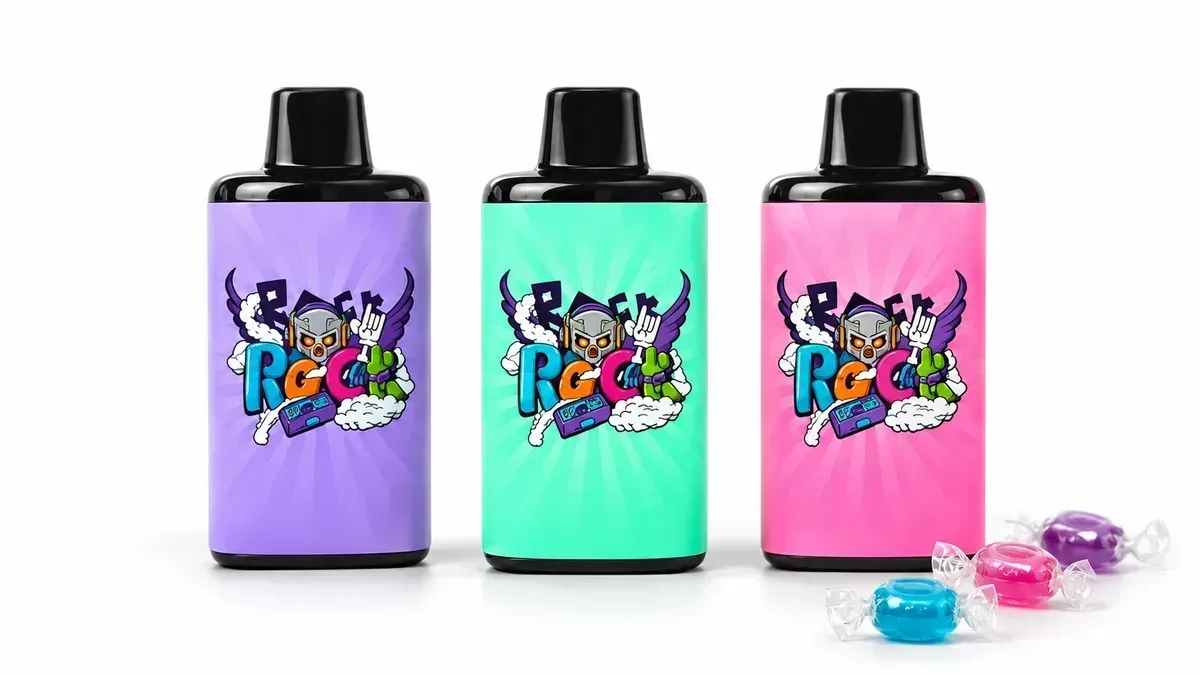
A teen sees a bubble gum flavor name beside a 10,000-puff claim. What does either detail tell them about the vape, and what questions should they ask? “IGET Bar Pro 10000 Puffs: Confectionery-Inspired Naming and Youth Protection Concerns” brings those two details into focus. One suggests a familiar taste, while the other makes a claim about how many draws the device can provide.
However, both details leave important questions about nicotine exposure unanswered. Research can help parents, caregivers, educators, and youth health professionals understand how packaging shapes appeal and how advertising exposure relates to vaping. Meanwhile, Australia’s youth protections address promotion and access. At home or at school, a few open-ended questions can make room for a teen’s own perspective.
1. What Is the IGET Bar Pro 10000 Puffs?
How to read the advertised puff count
The IGET Bar Pro is a disposable e-cigarette. IGET’s marketing advertises 10,000 puffs, meaning an estimated number of draws from the device. However, the number alone leaves readers guessing about what counted as one draw. A useful first step is to see whether the advertiser explains how it reached the figure.
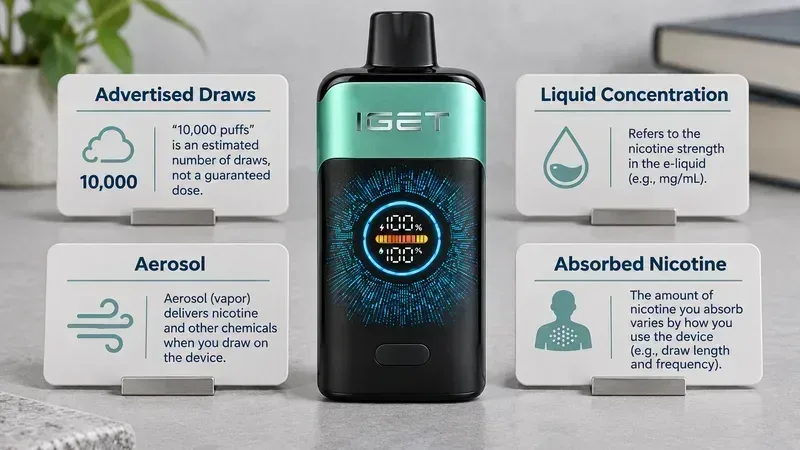
Specifically, look for answers to three questions about the claim. Each one helps you understand what the number can reasonably tell you. Together, they also help you judge whether two advertised puff counts are comparable.
- Draw duration: How many seconds did the advertiser count as one puff?
- Test method: How did the tester produce and count the draws?
- Test conditions: What conditions did the tester use, and how did they decide the device had reached its limit?
For instance, imagine two counters that each record one draw whenever a test machine activates. One test uses brief draws, while the other uses longer ones. Both displays could show the same number, even though the machine ran for different lengths of time. Therefore, the count needs context before you can use it to compare devices or predict how long one might last.
Four different measures of nicotine exposure
- Advertised capacity describes how many draws the seller claims the device can provide.
- Liquid concentration describes how much nicotine the liquid contains per milliliter.
- Aerosol yield describes how much nicotine the device releases under specified conditions.
- Absorbed nicotine describes how much nicotine enters the person’s body during use.
In a laboratory study by Talih and colleagues, draw duration, device output, and liquid concentration affected nicotine in the aerosol. Meanwhile, a study by Hiler and colleagues measured nicotine in users’ blood after vaping. Blood nicotine varied with liquid concentration and participants’ experience using e-cigarettes. Together, these studies show why an advertised draw count cannot establish someone’s nicotine intake.
For the Bar Pro, the exact nicotine strength remains unverified here. Confirming it would require reliable documentation or independent testing for the precise model and flavor variant. Therefore, converting 10,000 puffs into a number of cigarettes would give a misleading impression of precision. The label gives you the advertised capacity, while exposure requires different evidence.
2. How Candy-Inspired Vape Names and Packaging Can Shape Perceptions
What the Bar Pro flavor name communicates
IGET’s Bar Pro product materials list a variant called Blueberry Raspberry Bubble Gum. The last two words bring to mind a familiar confectionery product. For instance, a teen may picture the taste of gum they recognize before thinking about what the device contains. That quick association illustrates how a flavor name can frame a first impression.
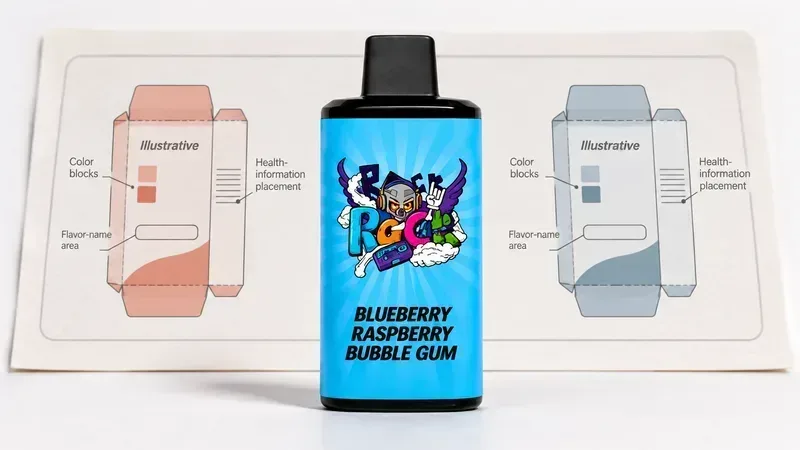
Additionally, familiar words can make a product easier to recognize if someone encounters the name again. A person might remember the gum reference after forgetting the model name or the number printed beside it. However, that is a plausible effect of the wording, and the product listing establishes only the name itself. It gives no direct evidence about which audience the manufacturer intended to reach.
For a media-literacy exercise, ask what the name helps the reader imagine. Then ask which questions the words leave unanswered. For example, the name can suggest a taste while leaving the liquid concentration and nicotine delivery unclear. That gap gives teens something specific to notice when they encounter similar packaging elsewhere.
How visual cues compete for attention
Imagine a generic vape box with a large flavor name, a cartoon, and a small warning near the edge. You might read the flavor first simply because it occupies more space. Meanwhile, a warning can appear on the same box and still take longer to find. The example illustrates how a layout can direct attention before someone reads the details.
- Color: Where does the strongest contrast draw your eye first?
- Typography: Which words use the largest or boldest lettering?
- Illustrations: Does the image call to mind candy, a game, or another familiar product?
- Prominence: How easy is it to spot the health information beside the flavor name?
Here, those visual cues describe a generic example. The documented Bar Pro example concerns the flavor wording. Also, an experimental packaging study by Barrington-Trimis and colleagues found that cartoon images increased reported appeal and curiosity. To determine whether a design changes what people do over time, researchers need evidence that follows their behavior.
3. What Research Says About Flavored Vape Marketing and Youth Vaping
What changes when people see different packages?
In a randomized study, Barrington-Trimis and colleagues showed 3,565 adolescents and young adults five e-liquid packages in random order. Participants ranged from 14 to 26 years old. The packages varied in flavor, naming style, and whether they showed a cartoon. After viewing each one, participants answered questions about appeal, curiosity, willingness to try, peer acceptance, and perceived harm.
Specifically, participants rated sweet-flavored options as more appealing and less harmful than tobacco-flavored options. They also expressed greater openness to trying them, and the differences were stronger in the younger groups. Additionally, descriptive sweet flavor names scored higher on appeal and openness to use than more abstract names or numbers. Packages with cartoons drew higher ratings for appeal, curiosity, and perceived peer acceptance.
In a separate experiment, Pepper and colleagues asked adolescents whether they would try an e-cigarette if a friend offered it. The researchers varied the flavor in the description. About 9% expressed interest when the description said candy, compared with about 2% when it said tobacco. However, participants answered a hypothetical question, so those percentages describe stated interest in that situation.
What happens when researchers track vaping over time?
A longitudinal U.S. study by Wang and colleagues followed adolescents across several rounds of a national survey. Among teens who had never vaped, those who recalled seeing e-cigarette ads had higher odds of reporting use later. Meanwhile, having close friends who vaped also showed an association with later use. The researchers considered advertising, peer vaping, and parental vaping in their analysis.
However, the study relied on what teens remembered and reported about advertising. For instance, a teen who already feels curious might notice and remember more ads. Friends may also affect both which material teens encounter and whether someone offers them a vape. Therefore, the timing supports a link between earlier exposure and later use, while other factors may explain part of it.
These studies examined e-cigarette marketing more broadly and did not test the Bar Pro. They also asked different questions about what people felt, what they might do, and what they later reported doing. Specifically, these four outcomes tell researchers different things about how vaping begins or continues. Keeping them in view makes it easier to read a study headline accurately.
- Appeal: A teen thinks the product or packaging looks inviting.
- Willingness: A teen says they might accept a vape in an imagined situation.
- Initiation: A teen reports trying a vape after previously reporting no use.
- Continued use: A teen keeps vaping over time, which takes repeated observations to establish.
4. How Teen Nicotine Dependence Can Show Up
What cravings and withdrawal can feel like
With repeated nicotine use, the brain can get used to having nicotine around. As a result, a teen may feel a strong urge to vape when several hours pass without it. Withdrawal is the name for symptoms that can appear when nicotine levels fall after regular use. Those symptoms can make cutting back or stopping feel harder than the teen expected.
For instance, a student might say they feel unusually irritable before lunch. Another might struggle to concentrate because they keep thinking about vaping during class. Meanwhile, a teen who wants to stop may find that the urge comes back as soon as the school bell rings. The Australian Department of Health’s youth vaping guidance describes cravings and changes in mood or concentration during withdrawal.
However, irritability and difficulty concentrating can have many causes. If a teen brings up those feelings alongside vaping, ask when they notice them and what happens next. For example, “What do you notice on days when you go longer without vaping?” A health professional can assess what the teen is experiencing and discuss support that fits their situation.
How a routine can keep the cycle going
Imagine a teen who reaches for a vape on the walk home after a stressful day. At first, they may connect the routine with taking a break from school worries. Over time, they might expect that same short spell of relief whenever the walk begins. Soon, the walk itself can bring on an urge, even after a calm day.
Additionally, some of the relief may come from temporarily easing nicotine withdrawal. A school break or a weekend gathering can also prompt an urge if vaping regularly happens there. As with the puff count, an advertised number cannot tell you how much nicotine the teen has absorbed. What they describe about their day can help a health professional understand when they need support.
Most importantly, take it seriously when cravings interrupt class, social plans, or other everyday activities. A GP or another trusted health professional can help the teen work through what happens in those moments. You can start by asking which part of the day feels hardest.
5. Youth Vaping Protections in Australia and at School
Federal rules for advertising, supply, and packaging
Australia restricts vape advertising and promotion across media, including social media. Under the federal framework, advertising is prohibited unless a specific authorization applies. Limited permissions cover certain packaging information and certain communications within the lawful supply chain. The Therapeutic Goods Administration also describes permitted patient communications during treatment and government public health campaigns.
Additionally, Australian pharmacies are the lawful retail channel for therapeutic vapes. The TGA sets product standards for vapes supplied for smoking cessation or the management of nicotine dependence. Those standards limit flavor options to mint, menthol, tobacco, or unflavored products. They also require plain packaging, information leaflets, and applicable warnings and instructions.
For eligible adults seeking nonprescription supply, pharmacists must verify identity and age by sighting evidence. Moreover, pharmacists must consult with the patient, and state or territory rules affect whether that supply is available. Patients under 18 need a prescription from a medical or nurse practitioner where local law permits supply. However, some jurisdictions prohibit supply to minors even with a prescription, as the TGA’s guidance for under-18 patients explains.
Prevention and support at school
For a classroom exercise, give students a fictional package with a flavor label, a puff claim, and health information. Ask them to mark what they read first and identify one question the package leaves unanswered. Meanwhile, teachers can use the Australian Government’s Youth Vaping Education Campaign resources to support age-appropriate discussion. A generic example lets students practice analyzing a commercial message without displaying a real brand.
Additionally, schools can explain their expectations before an incident occurs. Students should know what the policy says about vaping at school and whom they can approach for help. If an incident occurs, a private conversation gives staff time to hear what happened. Specifically, it gives the student room to mention peer pressure, cravings, or a previous attempt to stop.
Finally, make the referral path concrete by identifying a school nurse, counselor, or other health professional students can contact. A staff member can help the student arrange that first conversation and explain what happens after a referral. These are prevention and support practices, and schools should follow local policy when putting them into practice.
6. How Parents and Educators Can Talk With Teens About Vaping
Start with what they notice
A quiet moment on a walk or in the car can give both of you room to talk. Start with an observation about the wording, then give the teen time to respond. For instance, ask “What does that flavor name make you think of?” An answer like “It sounds like something you’d see at a candy counter” gives you somewhere to start.
Next, ask “What would you need to know before deciding what that puff count means?” If they say half the class has seen a similar package, ask where it tends to come up. Meanwhile, let pauses sit for a moment before filling them with another question. The Australian Government’s conversation guide for parents and carers encourages curiosity and listening without judgment.
For a teen who says they’ve never vaped, ask if they want to rehearse a quick response. “No thanks, I’m good” can be enough when a friend offers one. In class, educators can ask students to discuss what a generic package communicates. However, save any questions about a student’s personal experience for a private follow-up.
Agree on one next step after a disclosure
If a teen says they vape, try starting with “Thanks for telling me.” Then pause and let them finish describing what happens. For example, ask “When is it hardest to go without it?” You might learn that getting through a morning class feels harder than turning down an offer after school.
Additionally, ask “What would make it easier to get support?” They might want you to help book a GP appointment or walk with them to the school counselor’s office. If they’re unsure whom to tell, ask which adult they’d feel comfortable approaching first. Then agree on a time to check in again, such as after school on Thursday.
In Australia, the confidential Quitline offers support from trained counselors at 13 7848. The free My QuitBuddy app, for ages 13 and up, offers tools for tracking progress and working through cravings. Meanwhile, a GP or another trusted health professional can help assess withdrawal symptoms and talk through quitting options. The Australian Department of Health lists these options in its youth vaping resources.
At the next check-in, ask what felt manageable and where the teen got stuck. For instance, they may have been comfortable talking to the counselor and still felt unsure what to say to friends. That gives you a specific situation to talk through together. Keeping the follow-up brief can make it easier to ask for help again.
Conclusion
The Bar Pro’s 10,000-puff figure is an advertised capacity claim and cannot establish how much nicotine someone absorbs. Confectionery-inspired names and visual cues can shape appeal and perceptions of harm. Meanwhile, studies that follow teens over time can show whether earlier advertising exposure is linked to later vaping.
This week, choose one open-ended question and ask it during a calm moment. If the teen mentions cravings or difficulty cutting back, agree together on one person or service to contact for support.







