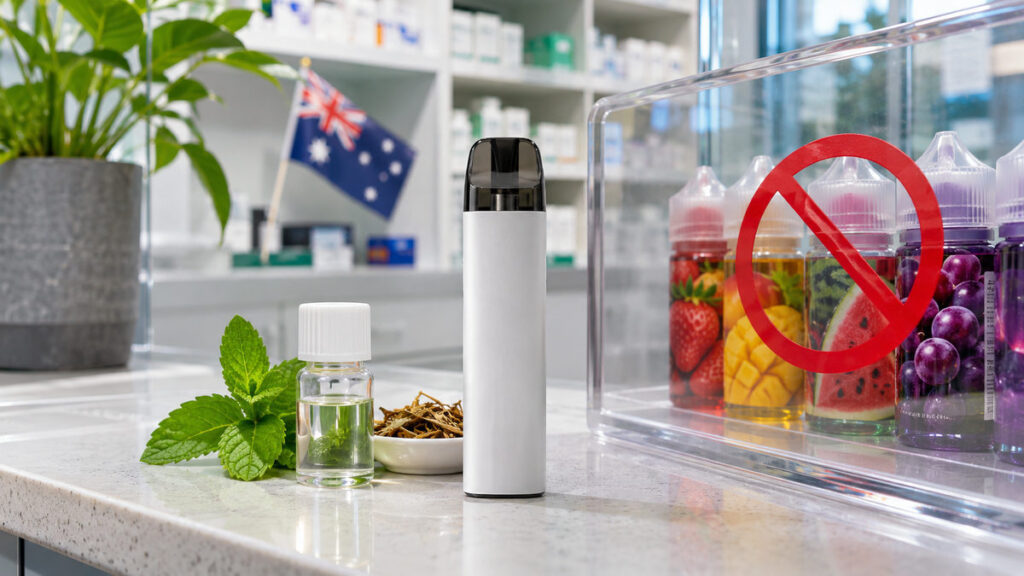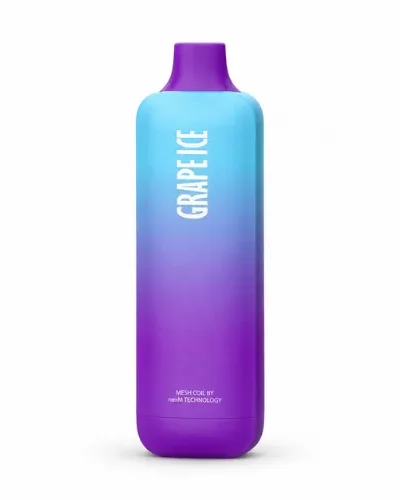

Can You Buy Vapes Without a Prescription in Australia? For some adults, yes—but only through a participating pharmacy. Adults cannot legally walk into a vape shop and buy vaping goods. Even so, overlapping national and local rules can make lawful access surprisingly complicated.
Pharmacy access depends on several factors, including age, nicotine strength, clinical suitability, and state or territory law. Strict rules also apply to quantities, product standards, online orders, imports, and travel. The guidance below explains those requirements and covers safer options for quitting smoking or managing nicotine dependence.
1. Can You Buy Vapes Without a Prescription in Australia?
Adults aged 18 or older can obtain certain therapeutic vapes without a prescription from a participating pharmacy. Before supplying one, however, a pharmacist must assess the customer and decide whether it is clinically appropriate. Pharmacist-only supply must also be permitted under the laws of that state or territory.

This prescription-free pathway does not create a recreational vaping market. Pharmacies may supply eligible products only to help with smoking cessation or nicotine dependence. Curiosity, social use, or a preference for a particular flavour is not a lawful therapeutic reason for supply.
What prescription-free access actually permits
Eligible products sit within the pharmacist-only, or Schedule 3, pathway. Their nicotine concentration cannot exceed 20 mg/mL. Pharmacists must also follow requirements covering identification, consultation, consent, quantities, product selection, and record-keeping.
Consider a 34-year-old smoker who has tried patches but still struggles with strong cravings. A pharmacist could discuss their previous quit attempts, current smoking habits, medicines, and treatment options. After that assessment, the pharmacist might supply an eligible therapeutic vape or recommend a different cessation treatment.
That same person still cannot lawfully buy recreational vapes from a tobacconist or convenience store. Prescription-free pharmacy access does not legalise general retail sales. Nor does it allow purchases from social media sellers, informal dealers, or overseas consumer websites.
Lawful supply and personal possession are different
Under Australia’s national framework, an individual’s possession of vaping goods for personal use is generally not criminalised. But possession does not show that the goods came from a lawful source. State and territory laws may also govern possession, use, vaping in public, and access by minors.
Commercial possession, manufacturing, importation, advertising, and supply raise different legal issues. A seller cannot justify an unlawful sale simply because personal possession may not breach national therapeutic-goods law. For consumers, where and how the product was obtained matters.
Medicinal cannabis vaping products are governed by separate rules. They follow medicinal cannabis prescribing, dispensing, and therapeutic-goods pathways. Patients should not assume that the pharmacist-only pathway for nicotine also covers cannabis products or cannabis vaping devices.
2. Where Can Vapes Legally Be Purchased in Australia?
Therapeutic vapes may lawfully be supplied only through pharmacies or pharmacy settings for approved therapeutic purposes. The restriction applies to products containing nicotine as well as those presented as nicotine-free. It also covers devices, substances, pods, cartridges, accessories, kits, and other vaping goods.

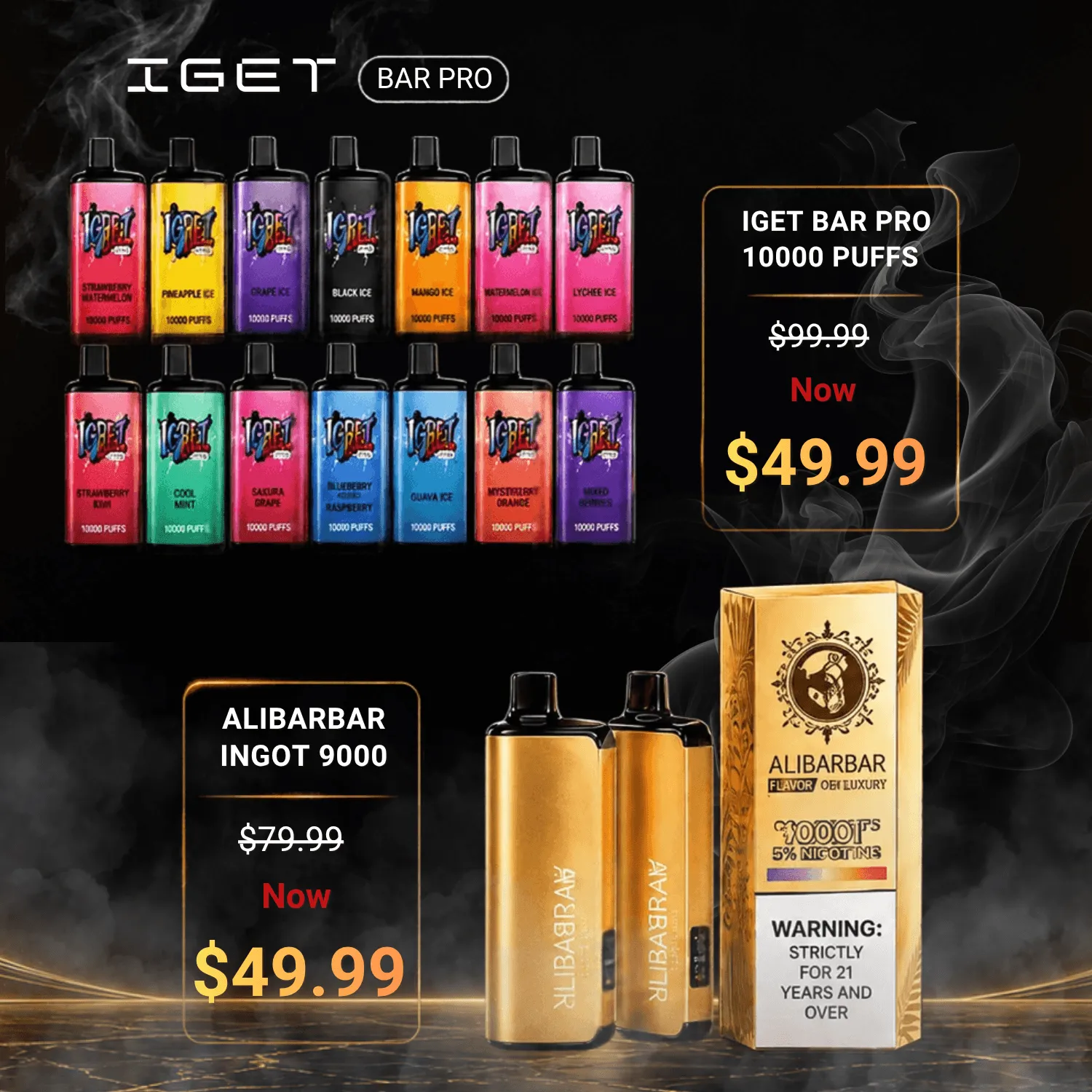
General retailers cannot legally sell vaping goods. That includes tobacconists, convenience stores, petrol stations, specialist vape shops, and pop-up sellers. Calling a product nicotine-free, herbal, collectable, or intended for another purpose does not provide a way around the rules.
Products outside lawful general retail
- Reusable vaping devices and compatible vaping substances
- Nicotine and nicotine-free pods, cartridges, and liquids
- Vaping kits, packs, accessories, and related components
- Single-use disposable vapes, which pharmacies also cannot sell
The pharmacy pathway does not make every type of vaping product available. Single-use disposable vapes, for example, cannot lawfully be purchased from a pharmacy. Pharmacists must also choose goods from the applicable notified list and follow the relevant supply requirements.
Buying online is not another lawful route. Australian general retailers cannot legally sell vapes to consumers over the internet. An overseas website may accept an order, but that does not make the purchase or import legal.
A pharmacy may decline a request
Pharmacists are not required to stock, order, or supply therapeutic vapes. One pharmacy may carry vaping products while another nearby carries none. It is worth contacting the pharmacy before travelling to ask whether products and a consultation are available.
Even if the product is in stock, the pharmacist may decide not to supply it after the consultation. Another treatment might be more suitable, or a health condition could require medical review. Supply may also be declined if suitable identification, clinical information, or an appropriate product is unavailable.
Having a prescription does not remove the pharmacist’s professional responsibilities. It also cannot guarantee that a particular brand, device, flavour, or nicotine strength will be available. Lawful sourcing, clinical suitability, stock levels, and local rules all affect supply.
Possession does not authorise selling
A person may possess a vape for personal use without committing an offence under the national therapeutic-goods framework. Selling or distributing it is another matter and can have serious consequences. Advertising, commercial possession, manufacturing, and importation may also breach national or local laws.
Enforcement may include product seizure, infringement notices, court proceedings, fines, or other sanctions. The action taken will depend on the conduct, quantity, commercial setting, and legislation involved. Federal, state, and territory authorities may work together during an investigation.
Buyers should not view an unlicensed seller as a convenient alternative to a pharmacy. A product sitting openly behind a counter is not necessarily legal. Illegal sellers may also expose customers to goods that are unsafe or inaccurately labelled.
3. How Prescription-Free Pharmacy Vape Access Works
The Schedule 3 pathway lets eligible adults request certain therapeutic vapes without first getting a prescription. These are pharmacist-only medicines, not ordinary retail products. A customer cannot simply pick one from a shelf and take it to the checkout.

Prescription-free products can contain no more than 20 mg/mL of nicotine, and the customer must be at least 18 years old. Supply must be for smoking cessation or the management of nicotine dependence. Recreational use does not qualify.
Identification and the private consultation
The pharmacist must ask for and inspect evidence of the customer’s identity and age. A valid driver licence, passport, or government-issued proof-of-age card may be accepted. Even adults who clearly look older than 18 should bring suitable identification.
The next step is a consultation so the pharmacist can understand the customer’s needs. It may take place in a consultation room or another private part of the pharmacy. Questions can cover daily smoking, vaping habits, cravings, withdrawal symptoms, and current nicotine intake.
The pharmacist may also ask about health conditions, pregnancy, breastfeeding, allergies, and current medicines. Previous quit attempts and treatments already tried are relevant too. Honest answers reduce the risk of dosing errors, interactions, and unsuitable product choices.
Someone who smokes five cigarettes a day may need a very different approach from someone who smokes 25. A frequent vaper may also have a different nicotine tolerance. Copying a friend’s device or dose could result in far too much nicotine—or too little.
First-line treatment and informed consent
Therapeutic vapes are not considered the first treatment option for quitting smoking or managing nicotine dependence. Pharmacists should begin by discussing behavioural support and registered cessation medicines. They can also explain how patches, gum, lozenges, sprays, or combination treatments might help.
If a therapeutic vape is still considered suitable, the pharmacist should explain the correct dose, frequency, and likely treatment duration. The conversation may cover dose adjustments, medicine interactions, side effects, safe storage, and proper device use. Customers should also receive information about suitable cessation support services.
The pharmacist must make clear that therapeutic vapes are generally unapproved therapeutic goods. Put simply, they are not registered or listed in the Australian Register of Therapeutic Goods. The customer must therefore give informed consent before prescription-free supply can take place.
That consent should come after a straightforward discussion of the possible benefits, uncertainties, and health risks. Vaping can expose people to nicotine and harmful chemicals, while also maintaining dependence. People who do not already smoke or vape should not begin using therapeutic vapes.
The one-month supply limit
A pharmacist can supply only a reasonable quantity for one month of therapeutic use. Prescription-free supply can also occur only once for that patient within a one-month period. The exact amount will vary because devices, liquid volumes, doses, and usage patterns are not all the same.
This does not give every customer an automatic entitlement to a set number of pods or bottles. The pharmacist decides what amount is reasonable after considering expected use. A request well above the anticipated monthly need, for example, may lead to more questions or a refusal.
The monthly limit applies to lawful pharmacist-only supply. It does not permit customers to collect extra vapes from several pharmacies, retailers, friends, or online sellers. Trying to work around the limit could increase nicotine exposure and disrupt a planned reduction strategy.
Follow-up gives the pharmacist a chance to review cravings, side effects, smoking reduction, and treatment progress. The plan can then be adjusted at a later consultation. That might mean lowering the dose, recommending medical review, or switching to another cessation treatment.
4. When Is a Nicotine Vape Prescription Still Required?
A therapeutic vape containing more than 20 mg/mL of nicotine requires a prescription from a medical practitioner or nurse practitioner. Products containing more than 50 mg/mL, however, are not permitted under the applicable therapeutic-vaping framework.
A stronger product is not automatically a better treatment. Too much nicotine can cause nausea, dizziness, headaches, palpitations, or increased dependence. Prescribers should consider the person’s nicotine use, health, treatment history, and need for closer supervision.
Clinical reasons for medical involvement
People with complex clinical needs may benefit from a prescription even if a lower strength could otherwise qualify. Medical review may help someone dealing with significant illness, severe withdrawal, medicine concerns, or repeated unsuccessful attempts. Prescribing may also be necessary where a jurisdiction applies stricter requirements.
A prescriber can consider the wider treatment plan and arrange appropriate follow-up. Still, a prescription does not compel a pharmacy to stock or order a chosen product. Nor must a pharmacist dispense something they believe is unlawful, unavailable, or clinically unsuitable.
Patients should check availability with the pharmacy before asking for a brand-specific prescription. The prescriber may need to select a product that pharmacies can lawfully obtain. Availability can shift as sponsors, wholesalers, and pharmacies change their product ranges.
Rules for people under 18
People under 18 need a prescription where local law allows access to therapeutic vapes. Some states and territories, however, prohibit supply to minors even if they have a prescription. In those places, a prescription by itself may not be enough.
Other conditions may depend on the patient’s age, prescriber, product, and regulatory pathway. Younger patients may require a different authorisation process as well as closer clinical supervision. Families should speak with a qualified health professional instead of depending on general advice found online.
State and territory health departments publish local guidance on prescribing, dispensing, and age restrictions. A pharmacist can also explain whether the pharmacy may legally dispense a prescribed product. Because the rules can change, current guidance should be checked before treatment is arranged.
How approved alternatives differ
Registered nicotine-replacement therapies include patches, gum, lozenges, mouth sprays, and inhalator-style products. These treatments have established directions for their listed uses. Regulators have also assessed registered products through the usual inclusion process.
Therapeutic vapes generally remain unapproved goods supplied under special access arrangements. Being available in a pharmacy does not give them the same regulatory status as registered cessation medicines. A clinician or pharmacist can explain what that difference means for an individual patient.
Combination nicotine therapy can help some adults manage withdrawal more effectively. A patch, for example, may provide a steady dose of nicotine while gum helps with sudden cravings. Treatment usually works best when paired with behavioural support and a practical quit plan.
5. Product Standards, Flavours and TGA Notification
Therapeutic vapes supplied by pharmacies must meet requirements for ingredients, nicotine concentration, containers, packaging, labelling, and presentation. Device standards also cover matters such as electrical safety, construction, and performance. Meeting minimum standards does not, however, make vaping risk-free.
Packaging must show essential information clearly without the colourful promotional appearance commonly associated with recreational products. Labels may include nicotine content, flavour, volume, warnings, batch details, expiry information, and the Australian sponsor. Some containers must also use child-resistant packaging.
Which flavours are permitted?
The lawful pharmacy range is much narrower than the former retail market. Permitted therapeutic vaping substances are limited to mint, menthol, and tobacco flavours. Customers will not find confectionery, dessert, fruit, soft-drink, or novelty flavours at a pharmacy.
The standards restrict flavouring ingredients and place limits on menthol. Nicotine is also the only active ingredient permitted in these therapeutic vaping substances. Other allowed formulation ingredients include propylene glycol, glycerol, and water, subject to the relevant requirements.
These limits are intended to support therapeutic use and reduce promotional appeal. Still, an allowed flavour will not suit every patient. The pharmacist must consider nicotine needs, past treatment, device type, health factors, and the intended use.
Notification is not product approval
Pharmacists generally supply therapeutic vapes that appear on the TGA’s notified vape list. To place a product on that list, its sponsor notifies the regulator that it meets the applicable minimum standards. That notification is not the same as full regulatory evaluation or approval.
A notified vape is generally not included in the Australian Register of Therapeutic Goods. This means the TGA has not fully assessed its safety, quality, efficacy, or performance through the standard inclusion process. A notification number should not be mistaken for an approval certificate.
That distinction is why pharmacists must explain the product’s unapproved status and obtain informed consent. They should also report relevant adverse events and product defects. Patients who develop serious symptoms should seek medical help and tell their pharmacist about any suspected problems.
Risks of black-market products
- Undeclared nicotine in products marketed as nicotine-free
- Nicotine concentrations that differ from the label
- Contaminants or ingredients with uncertain inhalation risks
- Leaking batteries, overheating, fires, or defective components
- Inconsistent manufacturing, storage, and quality controls
An unlabelled disposable, for example, may contain much more nicotine than the buyer expects. That can worsen dependence or cause unpleasant nicotine effects. Unknown liquids might also contain contaminants that cannot be detected by looking at or smelling the product.
Pharmacy consultations, controlled sourcing, and regulated packaging can reduce several avoidable risks. They cannot eliminate the respiratory, cardiovascular, poisoning, or dependence risks linked to vaping. Treatment should serve a defined therapeutic goal, rather than turning into indefinite casual use.
6. Importing Vapes, Traveller Rules and Quitting Alternatives
Consumers cannot use the personal importation pathway to order vaping products from overseas retailers. This remains true even when the buyer has an Australian prescription. The prohibition covers disposable vapes, devices, substances, accessories, kits, and therapeutic vaping packs.
An overseas website might accept an Australian delivery address and take payment, but that does not make the import legal. Australian Border Force officials may seize and destroy goods believed to have entered unlawfully. The buyer may then lose both the products and the money paid.
Illegal importation can also carry significant penalties. Claims such as “customs safe” or “prescription accepted” should not be taken at face value. For consumers, the lawful route remains an Australian pharmacy operating under the relevant requirements.
The limited traveller exemption
A separate traveller exemption may apply to someone arriving in Australia by ship or aircraft. The vaping goods must be for the traveller’s treatment or the treatment of a person travelling in their care. They must also be carried in accompanied baggage and stay within the applicable quantity limits.
Current limits may permit up to two vapes, 20 cartridges, capsules, or pods, and 200 mL of vaping liquid. Different rules may apply to cannabis vapes and controlled substances. Travellers should check the requirements before each trip, as exemptions and border procedures can change.
This traveller exemption is not the same as ordering goods by post or courier. It does not allow someone to make an online personal import after returning home. Nor does it permit the products to be resold, distributed, or supplied commercially in Australia.
Travellers also need to check the laws of every departure, transit, and destination country. Some jurisdictions ban possession or importation completely, even while a passenger is in airport transit. Following Australian entry rules may therefore not prevent legal trouble elsewhere.
Alternatives for quitting or reducing dependence
- Nicotine patches for steady nicotine delivery
- Nicotine gum or lozenges for breakthrough cravings
- Mouth sprays and inhalator-style products where available
- Prescription or non-prescription cessation medicines
- Behavioural counselling and structured quit plans
- Telephone, online, app-based, or digital cessation support
Registered nicotine-replacement products are available from pharmacies, and some can also be bought from other retailers. Eligible patients may be able to obtain subsidised products with a prescription. A pharmacist or clinician can help choose a treatment based on smoking patterns, personal preferences, and medical history.
Someone who smokes as soon as they wake up, for example, may need stronger craving control than an occasional smoker. A planned mix of medicine and behavioural support can be more effective than willpower alone. Regular follow-up also allows the treatment to change as cravings, triggers, or side effects evolve.
Before taking action, people should review current TGA guidance and information from their state or territory health authority. Laws, standards, notified product lists, and access conditions can change. Advice tailored to the individual from a pharmacist, GP, or nurse practitioner remains valuable.
Conclusion
Eligible adults can obtain certain therapeutic vapes without a prescription, but only from a participating pharmacy. They must show proof of age and undergo an assessment by the pharmacist. Prescription-free products cannot contain more than 20 mg/mL of nicotine and must be supplied for an accepted therapeutic purpose.
Supply is restricted to a reasonable one-month amount and can occur only once within a one-month period. Higher strengths, access for minors, and more complex clinical situations require medical involvement or a prescription. State and territory laws may add further restrictions—or prevent supply entirely.
General retail sales and overseas consumer orders are still prohibited. Notified therapeutic vapes also remain generally unapproved goods, even though they must meet applicable minimum standards. Pharmacy access can lower some risks, but it cannot make vaping harmless.
Check the latest TGA guidance and advice from your state or territory health authority before seeking treatment. Then discuss your situation with a pharmacist, GP, or nurse practitioner. The goal is simple: choose the safest suitable way to quit smoking or manage nicotine dependence.