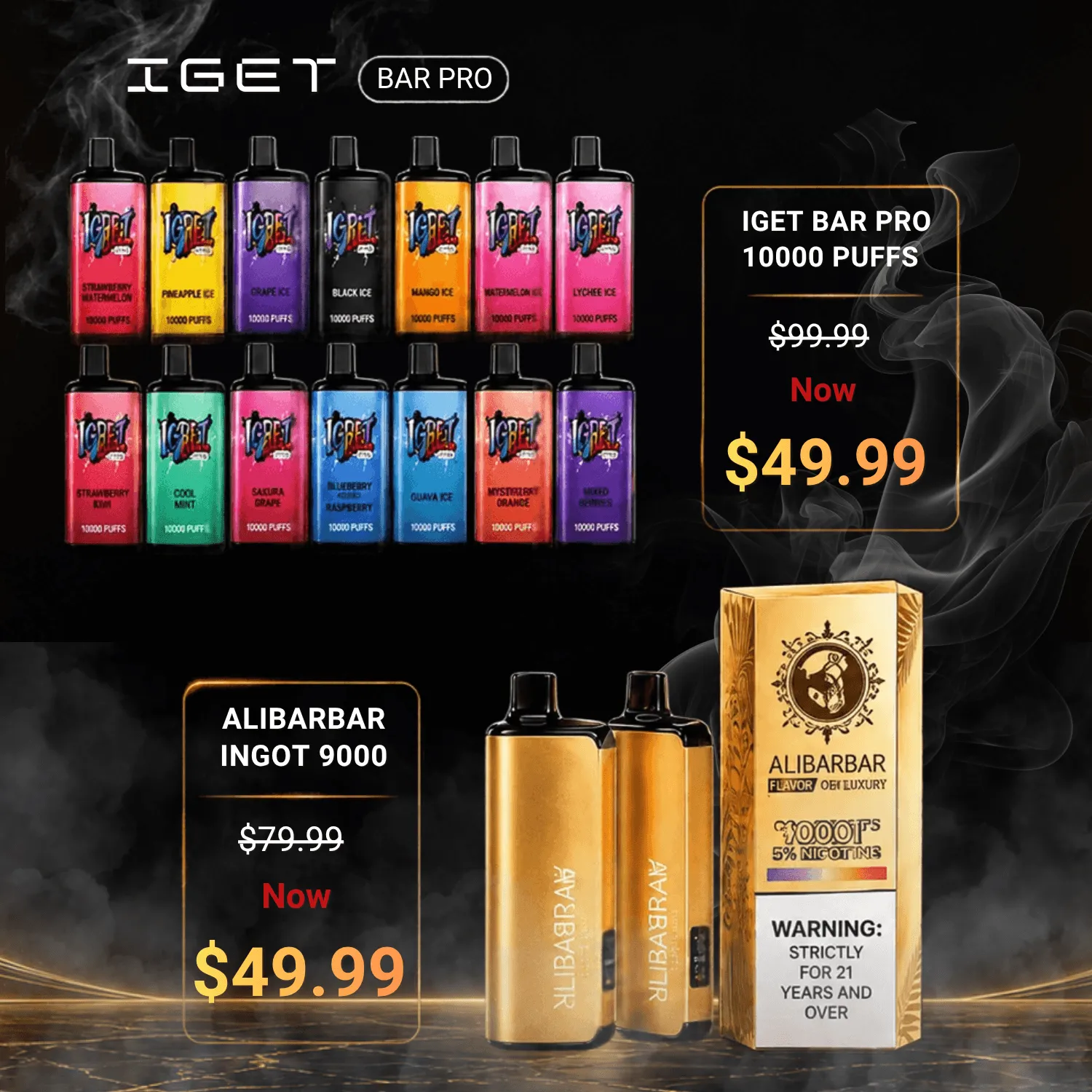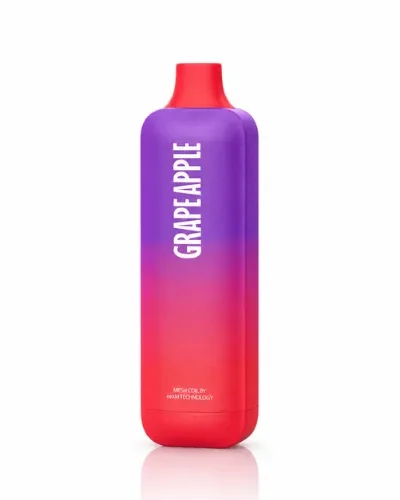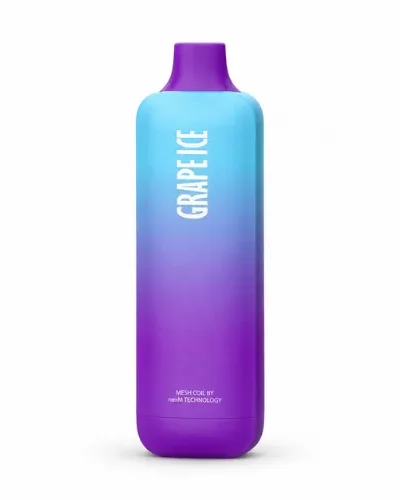
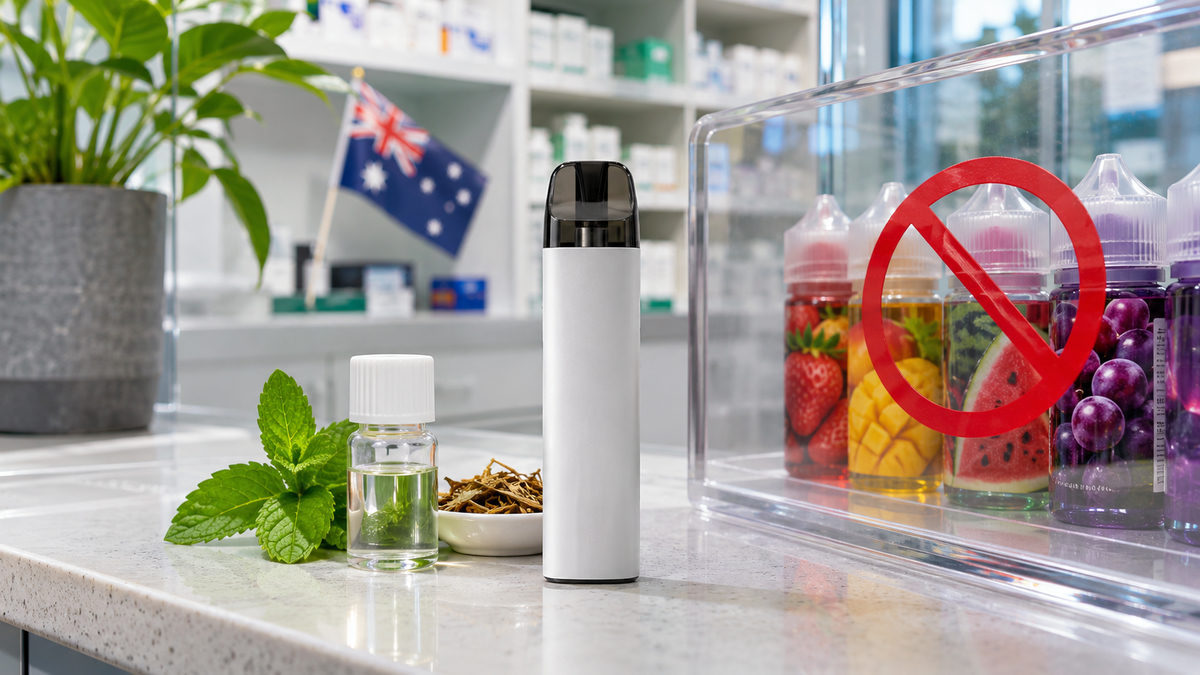
A fruit-flavoured vape might look like any other retail product, but importing or selling one in Australia can breach national law. Why are vape flavours restricted in Australia? The short answer comes down to protecting young people, preventing nicotine dependence, and keeping vaping within Australia’s treatment-focused framework. These restrictions may apply even if the product contains no nicotine.
The rules can be difficult for consumers, parents, retailers, and travellers to untangle. Federal therapeutic-goods laws, pharmacy requirements, border controls, and additional state or territory laws may all apply. Anyone planning to buy, possess, supply, or travel with a vape should check the relevant rules first.
1. Why Are Vape Flavours Restricted in Australia?
Australia restricts vape flavours largely because sweet flavours can appeal to children and young people. They can make an unfamiliar inhaled product seem harmless, inviting, or much like confectionery. Names such as strawberry ice or caramel shake also present vaping as a recreational activity. The rules are designed to position lawful vapes as therapeutic products, not ordinary lifestyle goods.
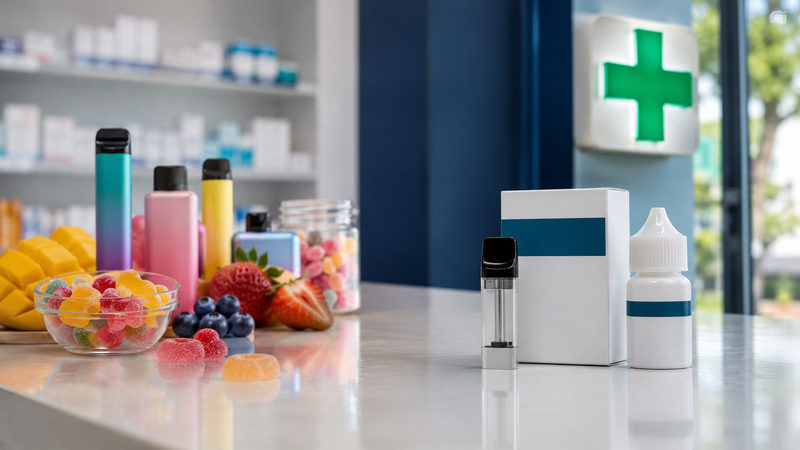
Fruit, candy, dessert, and beverage flavours can mask the unpleasant taste often associated with inhaled substances. Strong flavouring may also hide nicotine’s harshness, making early experimentation easier. A teenager who dislikes tobacco flavour might still try something that tastes like watermelon gum. Flavour can therefore affect both the decision to start and the likelihood of continuing.
Youth use and nicotine dependence
Not every experiment leads to dependence. Still, repeated nicotine exposure can cause cravings, withdrawal symptoms, and ongoing use. Some people also continue smoking while vaping instead of switching completely. That matters because continued cigarette use preserves many of the serious risks of smoking, even when vaping is added to the mix.
Dependence is not the only concern. Vape aerosol may expose users to nicotine, solvents, contaminants, metals, and chemicals produced during heating. Concentrated nicotine liquid can also cause poisoning if swallowed or spilled on the skin. Children are especially vulnerable when appealing scents and packaging make a bottle resemble a sweet product.
Quality is another issue. Illicit products may contain undeclared nicotine, inconsistent concentrations, or ingredients that do not match their labels. Researchers also do not yet have complete evidence about the effects of inhaling vape aerosols over several decades. Flavour restrictions are one part of a broader attempt to limit these avoidable exposures.
A controlled option for quitting smoking
Australia reserves therapeutic vapes for smoking cessation or the management of nicotine dependence when clinically appropriate. Patients and health professionals are generally expected to consider behavioural support and approved first-line medicines first. These may include nicotine patches, gum, lozenges, or suitable prescription treatments. A pharmacist or prescriber can then decide whether a therapeutic vape suits the person’s needs.
The restrictions remain controversial. Some adults say non-tobacco flavours helped them break the connection between vaping and the taste and routine of smoking. In their view, a wider choice could make it easier to switch completely from cigarettes. Australian policy, however, places greater weight on reducing youth appeal and controlling recreational supply.
2. Legal Vape Flavours in Australia: What Is Permitted?
Compliant unapproved therapeutic vaping substances are limited to three flavour categories: mint, menthol, or tobacco. These categories are governed by the applicable TGO 110 product standard. A familiar flavour name is not enough on its own. The product’s formulation, presentation, notification status, and supply pathway must also meet legal requirements.

Each permitted category has a narrow definition. Mint refers to a taste or smell associated with recognised herbaceous species in the Mentha genus. Menthol means the character associated with menthol as a purified ingredient. Tobacco refers to the taste or smell linked to recognised species in the Nicotiana genus.
Unflavoured products and the notified list
Unflavoured therapeutic vaping substances may also qualify if their formulations meet every applicable standard. Some products on the notified vape list are described as unflavoured. Even so, consumers should verify the exact product, strength, and presentation on the current list. A similar brand name or package is not proof that another version complies.
Fruit, candy, confectionery, dessert, beverage, spice, and novelty flavours sit outside the permitted categories. That means therapeutic products tasting of mango, cola, vanilla custard, cinnamon, or bubble gum cannot lawfully enter the regulated pathway. They cannot legally be imported, manufactured, or supplied as therapeutic vaping products. Labelling one “nicotine-free” does not get around the restriction.
Mixed flavours do not qualify
Adding a permitted flavour does not provide legal cover for another taste. Cherry mint, chocolate mint, and tobacco mint, for example, are mixed flavour profiles. The TGA treats these combinations as impermissible, rather than as standard mint or tobacco products. Descriptions such as “mint fusion” should therefore be examined carefully.
The controls apply to vaping goods both with and without nicotine. They also extend beyond bottled liquids to relevant pods, cartridges, and vaping substance accessories. A nicotine-free fruit vape displayed beside snacks is not an unrestricted consumer product. Federal law generally requires vaping goods to pass through a lawful therapeutic, pharmacy-based pathway.
3. Australia’s Vape Reforms and TGO 110 Standards
Australia rolled out its vaping reforms in stages. Import controls for disposable vapes began on 1 January 2024, regardless of nicotine content or therapeutic claims. Broader import controls and flavour restrictions followed on 1 March 2024. That date also closed the personal online importation pathways previously used by individual patients.
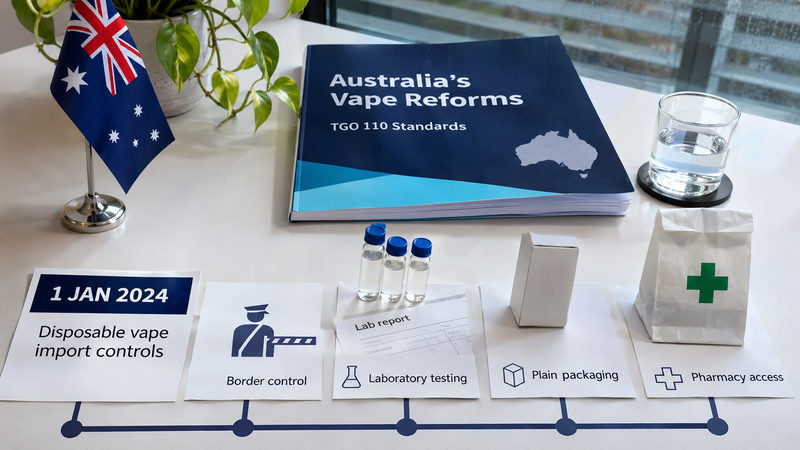
Restrictions on domestic manufacture, commercial possession, advertising, and non-pharmacy supply began on 1 July 2024. From 1 October 2024, eligible adults gained limited pharmacist-only access without a prescription. Access still depends on local law and the pharmacist’s clinical assessment. Later transition dates brought the strengthened standards fully into importation, manufacture, and supply arrangements.
The TGA’s regulatory role
At the federal level, therapeutic vaping goods are regulated by the Therapeutic Goods Administration. The TGA manages access pathways, publishes standards, maintains the notified vape list, and carries out compliance work. It also works with border agencies and state or territory regulators. Each body oversees different aspects of importation, supply, medicines control, and enforcement.
The notified vape list shows products whose sponsors have notified the TGA that they meet minimum requirements. Inclusion is not the same as TGA approval. Sponsors submit the notifications and must keep evidence supporting their claims. A listing should not be read as a guarantee that a product is safe or effective.
Ingredients and concentration limits
TGO 110 limits how ingredients may be used in therapeutic vaping substances. Formulations may contain nicotine, propylene glycol, glycerol, water, and compliant mint, menthol, or tobacco flavouring agents. Those flavouring agents may include only ingredients needed to create or stabilise the permitted flavour. The standard also bans specified ingredients and sets controls for unintended restricted substances.
Sponsors must keep evidence explaining the function of every flavouring agent. When menthol is used as a flavour or flavouring ingredient, it cannot exceed 20 milligrams per millilitre. Therapeutic vaping substances generally have a maximum nicotine concentration of 50 milligrams per millilitre. Anything above 20 milligrams per millilitre also requires prescription-based access.
- Formulations must use only permitted ingredients for recognised purposes.
- Packaging must follow plain, pharmaceutical-style presentation requirements.
- Labels must display required product, nicotine, warning, storage, and sponsor information.
- Containers need applicable child-resistant and tamper-related safety features.
- Devices and accessories must meet relevant design, ingredient, and performance standards.
The aim is to make lawful vapes look like treatment products rather than confectionery or fashion accessories. Packaging, for example, cannot use cartoons or extravagant imagery to attract attention. Required warnings help patients understand nicotine content and handling risks. Device rules also cover features such as batteries, containers, and compatible components.
Most therapeutic vapes supplied through these pathways are still unapproved goods. They are not listed in the Australian Register of Therapeutic Goods. The TGA has therefore not assessed each one individually for safety, quality, efficacy, or performance. Notification simply means the sponsor claims that the product meets the applicable minimum standards—a different regulatory status altogether.
4. How Adults and Young People Access Therapeutic Vapes
Participating pharmacies are the lawful retail channel for therapeutic vapes used to quit smoking or manage nicotine dependence. Vape shops, tobacconists, and convenience stores cannot take their place. Pharmacists are not required to stock or supply therapeutic vapes, though. A pharmacy may offer other cessation treatments or decide against supply after assessing the patient.
Adults aged 18 or older may obtain eligible Schedule 3 products without a prescription where local law allows it. The product must contain no more than 20 milligrams per millilitre of nicotine and must appear on the TGA notified vape list. Nicotine-free vaping goods are also restricted to pharmacy supply, even though nicotine scheduling does not regulate them as medicines.
What happens during a pharmacy consultation?
The pharmacist must consult with the patient and decide whether a vape is an appropriate treatment. This assessment considers smoking history, nicotine dependence, earlier quit attempts, health factors, and first-line options. The patient must show acceptable proof that they are at least 18. The pharmacist must also obtain informed consent and explain that the product is unapproved.
Without a prescription, the pharmacist cannot supply more than is reasonably needed for one month of therapeutic use. That quantity may be supplied only once during a month. The consultation should address dose, treatment duration, medicine interactions, and other cessation support. Pharmacists must follow professional practice standards as well as any stricter local rules.
When a prescription is necessary
Schedule 4 products containing more than 20 milligrams per millilitre must be prescribed by a medical practitioner or nurse practitioner. The general maximum of 50 milligrams and all other product rules continue to apply. In jurisdictions that do not permit Schedule 3 supply, every therapeutic vape may require a prescription. Patients must also use an applicable access pathway for unapproved goods.
Anyone under 18 needs a prescription and appropriate clinical supervision. Even then, some states or territories prohibit pharmacies from supplying therapeutic vapes to minors. Families should check the local rule before booking an appointment or trying to fill a prescription. A prescription does not override a separate prohibition imposed by a jurisdiction.
Where relevant, health practitioners may use the Special Access Scheme or an Authorised Prescriber pathway. The requirements can vary with the patient’s age, the product schedule, and the type of practitioner involved. Pharmacists must then dispense or supply the product in line with federal and local medicines laws. Safe access often depends on cooperation between the patient, prescriber, pharmacist, and relevant regulators.
5. Illegal Sales, Personal Possession, Travel, and Penalties
Australian law does not allow non-pharmacy retailers to sell vaping goods. The ban covers vape shops, tobacconists, convenience stores, market stalls, and social-media sellers, whether the product contains nicotine or not. Calling a vape a collectible, aroma product, or nicotine-free device does not allow a seller to sidestep the rules.
Federal reforms address unlawful importation, manufacture, commercial possession, advertising, and supply. Personal possession is more complicated. Federal rules focus mainly on commercial conduct, while possession laws differ between states and territories. The substance involved, intended use, age restrictions, and local medicines laws can all affect the legal position.
Possession does not prove legality
Simply finding a flavoured vape in someone’s possession says nothing about whether it is safe or compliant. Nor does it show that the person could legally import, advertise, sell, or give it to someone else. A label claiming the product is nicotine-free may also be wrong. Consumers should not test an unknown vape merely because it was openly sold in a shop.
Unlawful commercial activity may lead to product seizure, infringement notices, civil penalties, or criminal prosecution. Businesses can also face licensing consequences and enforcement by state or territory authorities. Depending on the conduct and jurisdiction, fines may be substantial. Repeated, organised, or large-scale supply can attract especially serious action.
Bringing vapes into Australia
A limited traveller exemption may cover eligible vaping goods brought into Australia. The products must be for treating the traveller or another traveller in their care. They must also be carried in accompanied baggage, not sent by post or unaccompanied freight. The exemption does not allow travellers to bring in products for friends, resale, or wider distribution.
The current limits are up to two vapes, 20 cartridges, capsules or pods, and 200 millilitres of vape liquid. These allowances apply together; they are not interchangeable. Carrying only one vape, for example, does not increase the liquid allowance. Cannabis products, controlled drugs, batteries, and airline carriage may be subject to separate controls.
Before leaving, travellers should check the latest TGA vaping guidance and Australian Border Force information. Product eligibility, permitted flavours, declaration rules, and border procedures can change. Airlines may also set their own safety requirements for devices and lithium batteries. It is far safer to check before boarding than to rely on advice from an overseas retailer.
Consumers should not resell or pass on a suspected illicit vape. A pharmacy or local authority can instead advise on safe disposal. Nicotine, vape liquids, and lithium batteries all need careful handling. Suspected illegal sales may be reported to the TGA or the relevant state or territory regulator.
6. Vape Flavour Restrictions FAQ and Official Resources
Why did Australia restrict vape flavours?
Australia restricted flavours to reduce their appeal to young people, discourage recreational use, and limit exposure to nicotine dependence. The policy supports a treatment-based system rather than an open consumer market. Lawful access is intended for quitting smoking or managing nicotine dependence—not entertainment or casual experimentation.
Which vape flavours are permitted?
Compliant therapeutic products may be flavoured with mint, menthol, or tobacco. An unflavoured product may also qualify if it meets every applicable standard. Consumers should check the exact product on the notified vape list. Even a permitted flavour does not make an unlisted or illegally supplied product lawful.
Are fruit, dessert, candy, and beverage vapes illegal?
Vapes with these flavours cannot legally be imported, manufactured, or supplied as therapeutic vaping products. Mango, cola, doughnut, and cotton-candy profiles, for example, are outside the permitted categories. This restriction applies to nicotine-free vaping goods as well. Local possession laws may still need to be assessed separately for the relevant jurisdiction.
Can pharmacies sell flavoured therapeutic vapes?
Yes. Participating pharmacies may supply compliant mint, menthol, or tobacco products through an applicable pathway. The product must meet federal standards and appear on the notified vape list. Pharmacists must also comply with consultation, age, quantity, and local-law requirements. Novelty-flavoured alternatives cannot lawfully be offered.
Is a prescription always required?
No. Some adults can obtain eligible products without a prescription. A participating pharmacist may supply a product containing no more than 20 milligrams per millilitre to someone aged 18 or older, provided local law allows it. Products above that concentration require a prescription from a medical practitioner or nurse practitioner.
Can minors access therapeutic vapes?
Someone under 18 must have a prescription and meet all relevant clinical requirements. The state or territory must also allow a pharmacy to supply the product to a minor. Some jurisdictions prohibit this even when a prescription exists. Parents and carers should get current advice from a qualified practitioner.
Are mixed flavours allowed?
No. A mixed taste does not count as one permitted flavour. Cherry mint, chocolate mint, and tobacco mint all fall outside the allowed definitions. A manufacturer cannot use the word “mint” to legitimise a different flavour. What matters is the product’s actual taste, smell, and ingredients.
Are vape laws identical nationwide?
No. Federal laws apply nationwide to areas such as importation and therapeutic-goods supply, but states and territories may add their own prescribing, age, possession, supply, and enforcement requirements. Conduct allowed in one jurisdiction may therefore face extra restrictions elsewhere. People travelling within Australia should check the rules at their destination too.
Where can readers verify the latest requirements?
Readers can check the TGA Vaping Hub and the TGA notified vape list. Questions about the border should be directed to the Australian Border Force. The Department of Health, Disability and Ageing vaping laws page provides broader public-health information. State or territory health departments should also be consulted.
This information is a general overview, not legal or medical advice. Laws, product listings, and clinical circumstances may change. Seek professional guidance before making decisions about treatment, importation, possession, supply, or disposal.
Conclusion
Australia restricts vape flavours because vaping is treated as a controlled therapeutic option, not an ordinary consumer activity. Lawful formulations are limited to mint, menthol, tobacco, or potentially unflavoured products that meet the relevant standards. Participating pharmacies are generally the lawful retail channel. Whether a specific supply can occur still depends on federal requirements and local laws.
Before buying, importing, travelling with, or disposing of a vape, review current guidance from the TGA and Australian Border Force. Check the exact product on the TGA notified vape list as well. A pharmacist or healthcare practitioner can offer personalised cessation support and explain appropriate first-line treatments. A quick check may prevent health risks, border trouble, and expensive legal mistakes.