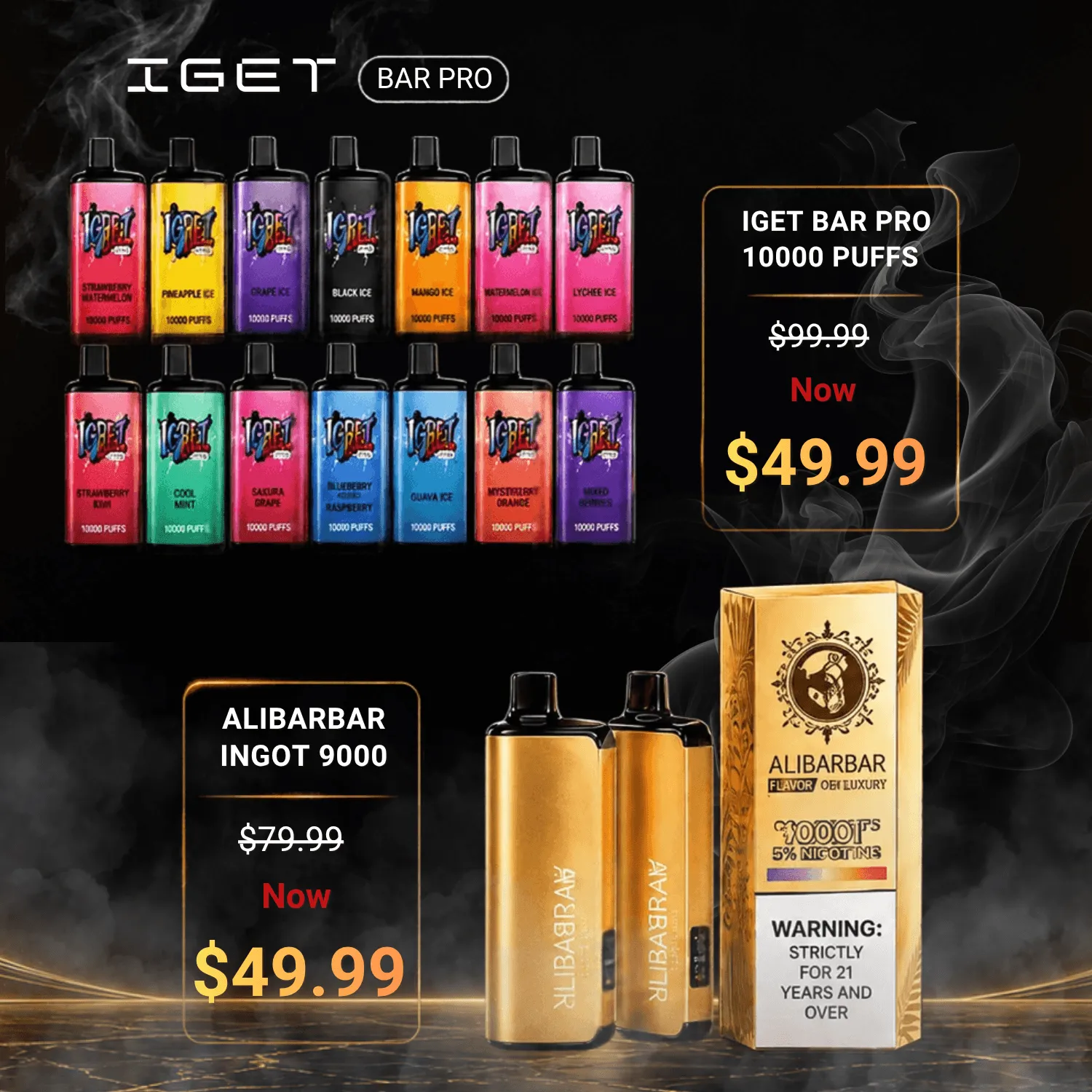

Can an adult legally buy, possess, use, or bring a vape into Australia? There is no simple yes-or-no answer. If you are asking, “Are Vapes Legal in Australia in 2026?”, certain therapeutic products are still lawful through strictly controlled pathways. Ordinary retail sales, overseas online orders, disposable vapes, and recreational products, however, are prohibited nationwide.
Federal law governs products, imports, commercial supply, manufacturing, and advertising. States and territories, meanwhile, set rules for pharmacy access, possession, age limits, enforcement, and public use. A product permitted in one setting may therefore be prohibited in another. This guide looks at what those overlapping rules mean for Australian residents and international visitors.
1. Are Vapes Legal in Australia in 2026?
Australia has not prohibited every type of vape. Lawful access, though, is generally limited to regulated therapeutic vapes supplied by participating pharmacies. Pharmacists may provide them to help with smoking cessation or the management of nicotine dependence. Under this system, recreational vaping products are not treated as ordinary consumer goods.

Australia prohibits the lawful importation, domestic manufacture, commercial possession, supply, and advertising of non-therapeutic vapes. Disposable, single-use vapes are also prohibited, whether or not they contain nicotine. Limited exemptions exist for therapeutic supply, research, authorised commercial activities, and eligible travellers. These exemptions are narrow. They should never be mistaken for permission to conduct general retail trade.
The rules cover more than nicotine liquid
The national framework covers vaping devices, substances, pods, cartridges, and related accessories. It can even apply to products containing no nicotine. Taking nicotine out of a liquid does not make it an unrestricted consumer product. Nor does selling a device separately from its liquid necessarily sidestep the vaping rules.
The Commonwealth oversees matters such as importation, product standards, advertising, manufacturing, supply, and commercial possession. State and territory laws also shape pharmacy practice, personal possession, underage access, and smoke-free areas. Councils and property operators may add their own restrictions. In practice, legality depends on the product, its purpose, the supplier, the location, and the circumstances.
Two common assumptions can cause problems
First, Australia’s strong national reforms do not make every vape illegal. A compliant therapeutic product may remain lawful when supplied through an authorised pathway. Even so, therapeutic vapes are generally unapproved medicines. In other words, the TGA has not assessed them in the same way as medicines included in the Australian Register of Therapeutic Goods.
Second, an openly displayed vape is not necessarily legal. A receipt, polished storefront, or Australian-looking website proves little. A “zero nicotine” label does not remove a product from the national framework either. Before buying, customers should verify the pharmacy, therapeutic purpose, product status, and any local requirements.
2. How Adults Can Buy Therapeutic Vapes Legally
Adults aged 18 or older may obtain certain therapeutic vapes from participating pharmacies without a prescription. The nicotine concentration cannot exceed 20 mg/mL, and local law must allow pharmacist-only supply. Western Australia, for example, requires a prescription for nicotine vapes at every concentration.

The pharmacist must decide whether supplying the product would support smoking cessation or nicotine-dependence management. Simply walking into a pharmacy does not guarantee a sale. Pharmacists use their professional judgment, as they would for any other pharmacist-only medicine. They may suggest another treatment or refuse the request.
What happens during the pharmacist consultation?
The consultation should explore the customer’s smoking or vaping history, intended therapeutic use, and appropriate dosage. The pharmacist must request identification and confirm the person’s age. They should also discuss available quitting treatments and support services. Health conditions, current medicines, dependence patterns, and previous attempts to quit may all influence the decision.
Consider a 34-year-old smoker who asks for a mint therapeutic vape containing 18 mg/mL nicotine. The pharmacist might discuss patches, gum, behavioural support, and the risks of continuing to smoke. After that conversation, they can decide whether the vape is suitable. Asking for a particular product does not require the pharmacist to supply it.
When is a prescription required?
A prescription from a medical or nurse practitioner is required when the nicotine concentration exceeds 20 mg/mL. Products containing more than 50 mg/mL cannot be supplied through the therapeutic framework. People under 18 also generally need a prescription where local law allows supply. Some jurisdictions apply tighter restrictions than the national pathway.
Even a prescription does not guarantee access to a vape. Victoria and South Australia prohibit pharmacies from supplying vapes to anyone under 18, prescription or not. Other jurisdictions may demand extra approvals or clinical safeguards. Families should check the current local rules before booking an appointment.
How much can a pharmacy supply?
Without a prescription, a pharmacist may supply no more than the amount reasonably required for one month of therapeutic use. That quantity can be supplied only once during the month. This does not give every customer the same allowance of pods or liquid bottles. The practical amount depends on dosage, device format, nicotine strength, and the pharmacist’s professional judgment.
Pharmacies are not required to stock or provide therapeutic vapes. Many may favour registered quitting medicines as first-line treatments. A prescription does not compel a pharmacy to order a product either. It is sensible to contact the pharmacy before travelling there or submitting a prescription.
Where local rules allow it, an Australian pharmacy may offer lawful online or remote ordering. The process must still include pharmacist involvement, identity checks, therapeutic assessment, proper dispensing, and secure delivery. Some jurisdictions require age verification both at the time of sale and when the order arrives. A fully automated checkout with no meaningful pharmacist consultation would fall short of these requirements.
3. Which Vapes and Sellers Are Legal?
Any lawfully supplied vaping product must have a genuine therapeutic purpose. Its sponsor must notify the TGA that the product meets the relevant standards, and pharmacies should use products included on the TGA’s notified vape list. Notification is not the same as approval. It does not mean the TGA has confirmed the product’s safety or effectiveness.
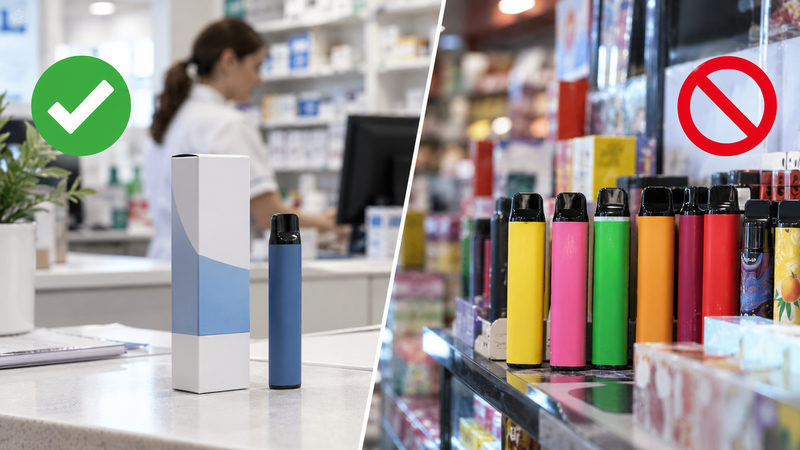
Compliant products must meet detailed rules covering quality, ingredients, packaging, and labelling. Their packaging should look pharmaceutical, not like colourful recreational branding. Requirements may also include child-resistant containers, warnings, ingredient information, and nicotine details. The aim is to limit accidental exposure, deceptive promotion, and appeal to young people.
Permitted flavours and product formats
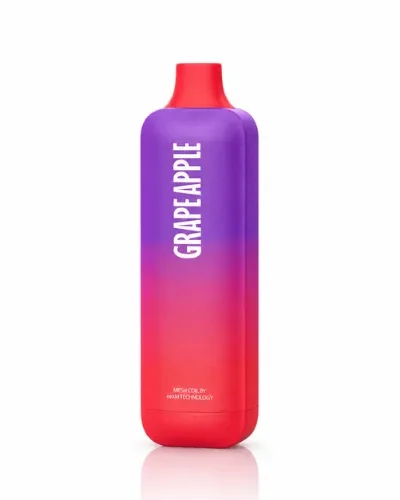
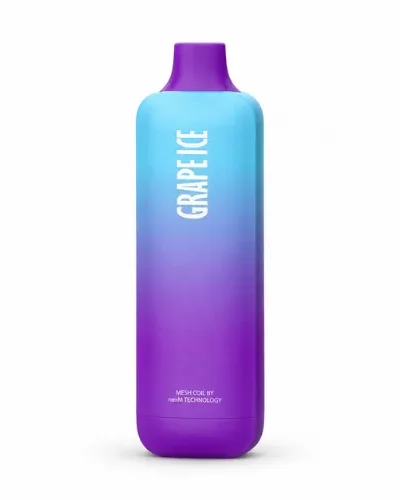
Compliant therapeutic products may be tobacco flavoured, mint flavoured, menthol flavoured, or unflavoured. Fruit, confectionery, soft-drink, dessert, and similar recreational flavours are not permitted therapeutic choices. A compliant menthol pod, for example, may qualify for pharmacy supply. A brightly packaged “strawberry cheesecake ice” product does not qualify simply because its seller calls it therapeutic.
Pharmacies cannot lawfully sell single-use disposable vapes. That rule applies whether the disposable contains nicotine or claims to contain none. A tobacconist cannot make one lawful by hiding its label. A pharmacist cannot supply one through the usual therapeutic pathway either.
Who may legally sell vaping goods?
Therapeutic supply generally takes place through participating pharmacies and other specifically authorised clinical pathways. The following businesses cannot legally sell vaping goods as ordinary retail products:
- Vape shops and tobacconists
- Convenience stores and service stations
- Market stalls and general retailers
- Social media sellers and informal dealers
- Australian websites operating outside lawful pharmacy supply
Nicotine-free vapes are subject to these restrictions too. An invoice or card receipt does not show that the seller complied with the law, and even a physical store may carry illicit stock. Packaging claims are not reliable either, as testing has repeatedly found products with inaccurate labels.
4. Possession, Vaping in Public, and State Laws
The Commonwealth reforms focus largely on commercial activity and organised unlawful supply. They do not generally target someone carrying a small quantity for genuine personal use. State and territory laws may still create separate possession offences, especially where unauthorised nicotine is involved. So, is personal possession always legal? No. That is not a safe rule anywhere in Australia.
Authorities may look at the quantity, packaging, payment records, customer messages, advertisements, and evidence of sales. One opened device, for example, may be consistent with personal use. By contrast, 100 sealed devices alongside price lists and delivery messages may point to commercial possession. The surrounding evidence carries more weight than the seller’s chosen description.
Where is public vaping prohibited?
As a general rule, vaping is banned anywhere smoking is prohibited. Common examples include enclosed workplaces, public transport, stations, schools, healthcare facilities, and indoor hospitality venues. Many jurisdictions also restrict vaping near entrances, playgrounds, sporting areas, and outdoor dining spaces. The precise distances and exemptions vary by location.
Councils, employers, landlords, transport operators, universities, and event organisers can impose additional restrictions. A venue may ban vaping even if legislation does not specifically do so. Hotels may also classify vaping as smoking and impose cleaning charges. When visiting private property or an unfamiliar venue, ask first.
State and territory comparison
| Jurisdiction | Adult pharmacy access | People under 18 | Personal-possession considerations | Major public-use restrictions | Enforcement authority | Official health information |
|---|---|---|---|---|---|---|
| New South Wales | Eligible products up to 20 mg/mL may be supplied without prescription after assessment. | A prescription and relevant TGA pathway are required. | Small personal quantities are not the main federal target. Unlawful supply remains prohibited. | Vaping is banned in enclosed public places and specified smoke-free outdoor areas. | NSW Health inspectors, police, TGA, and other authorised agencies. | NSW Health vaping requirements |
| Victoria | Adults may obtain eligible products up to 20 mg/mL without prescription after consultation. | Pharmacists cannot supply any vape to a person under 18, including on prescription. | Nicotine and product laws can affect unauthorised possession. Commercial indicators increase risk. | Vaping is prohibited in enclosed workplaces and designated public spaces. | Victorian health regulators, council inspectors, police, TGA, and authorised officers. | Victoria vaping guidance |
| Queensland | Eligible adult supply may occur after a pharmacist conducts the required treatment-plan consultation. | Prescription and local clinical requirements apply. Retail supply to minors is prohibited. | Queensland medicines laws can affect possession of unauthorised nicotine products. | Vaping is prohibited in legislated smoke-free indoor and outdoor places. | Queensland Health environmental health officers, police, TGA, and other agencies. | Queensland Health vape laws |
| Western Australia | A prescription is required for nicotine vapes, regardless of concentration. | Prescription, clinical, and medicines requirements apply. Supply is never automatic. | WA laws create significant risks for unauthorised nicotine or commercially held products. | Vaping is banned wherever smoking is prohibited, including smoke-free outdoor places. | WA Department of Health, police, TGA, ABF, and authorised inspectors. | Western Australia vaping information |
| South Australia | Eligible adults may seek pharmacist-only therapeutic products under national and state requirements. | Supply of any vape to a person under 18 is prohibited, even with a prescription. | Personal use differs from commercial possession. Local nicotine and supply laws still apply. | Smoking and vaping bans cover many enclosed and designated outdoor public areas. | SA Health authorised officers, police, TGA, ABF, and local enforcement bodies. | SA Health |
| Tasmania | Tasmania applies stricter access requirements, including prescription-based pharmacy supply. | People under 18 cannot buy, possess, or use personal vaporiser products. | State law expressly affects underage possession. Adults should retain evidence of lawful supply. | Vaping follows smoke-free restrictions across workplaces and specified public areas. | Tasmanian Tobacco Control, public health officers, police, and Commonwealth agencies. | Tasmanian smoking and vaping guidance |
| Australian Capital Territory | Adults may obtain eligible products up to 20 mg/mL without prescription from participating pharmacies. | A valid prescription may allow therapeutic supply, subject to clinical and legal requirements. | Commonwealth law does not generally prohibit genuine personal possession. ACT medicines laws may still apply. | Vaping is restricted in smoke-free places, public transport settings, and designated areas. | Access Canberra, ACT Health, ACT Policing, TGA, and ABF. | ACT Government vaping rules |
| Northern Territory | Participating pharmacies may use applicable national therapeutic pathways, subject to Territory medicines law. | Prescription and clinical safeguards apply where lawful supply is considered. | Personal quantity and lawful origin matter. Retail or commercial activity attracts greater scrutiny. | Restrictions cover enclosed workplaces, public areas, and many outdoor eating or drinking areas. | NT Health, tobacco licensing officers, NT Police, TGA, and ABF. | NT Health tobacco and vaping information |
Rules change, and official websites are not always updated at the same time. Check the requirements in the jurisdiction where you plan to buy, possess, and use the product. Advice for another state may not apply. If the position is still unclear, contact the relevant health department or medicines regulator directly.
5. Importing, Ordering Online, and Bringing Vapes into Australia
Australian patients cannot rely on the Personal Importation Scheme to buy vapes from overseas sellers. Having a prescription does not reopen that pathway. An overseas website cannot lawfully send personal vaping supplies to Australia merely because the customer uploads a prescription. The shipment may be intercepted at the border.
Delivery by an Australian pharmacy is a different matter from purchasing through a foreign retailer. An Australian pharmacy must meet the rules for pharmacist consultation, identity checks, therapeutic purpose, dispensing, and delivery. Local laws may also demand extra age-verification measures. Before paying, buyers should make sure the business is a genuine Australian pharmacy.
The traveller exemption
A traveller may bring a limited amount of vaping goods in accompanied baggage for therapeutic use. The products can be for the traveller or for someone in their care travelling on the same ship or aircraft. This is not a broad recreational exemption. It does not apply to resale, postal shipments, freight, or unaccompanied baggage.
The current limits for each traveller are:
- Two vapes
- Twenty cartridges, capsules, or pods
- Two hundred millilitres of vape liquid
Staying within these limits does not automatically make every product lawful. The goods must still satisfy the exemption’s therapeutic-purpose and baggage conditions. Carrying multiple travellers’ allowances for later sale could lead to enforcement action. Authorities may consider quantity, ownership, communications, and intended use when making that assessment.
Cannabis vapes require separate checks
Cannabis vapes and other products containing controlled substances are governed by separate medicines and customs rules. Disposable cannabis vapes are not covered by the standard traveller exemption for vaping goods. A reusable device might fall within the vaping limit, but the cannabis substance inside it must separately meet the traveller exemption for medicines and controlled substances.
International visitors should leave products in their original packaging. Where relevant, they should also carry prescriptions, medical letters, or treatment records. Standard vaping goods may not always require a prescription at the border, but supporting documents can help establish therapeutic use. If unsure, declare the goods rather than concealing them.
Check Australian Border Force guidance before leaving for Australia. Travellers should review the latest TGA import information as well. Suspected unlawful goods can be detained, seized, exported, or destroyed. Further investigation may follow if authorities suspect commercial activity or controlled substances.
6. Penalties, Common Misconceptions, and Quitting Alternatives
Illegal importation, manufacture, commercial possession, supply, or advertising can have serious consequences. Authorities may seize and destroy stock, issue infringement notices, pursue civil penalties, or begin criminal proceedings. Businesses could also face action relating to licensing, premises, or medicines. In some cases, products are seized at the border before they ever reach the buyer.
No single penalty applies to every vaping offence. The outcome depends on the relevant law, jurisdiction, scale, intent, quantity, and evidence of commercial conduct. Repeat offences and organised distribution can draw a much stronger response than genuine personal possession. Penalty figures quoted without naming the specific offence can therefore be misleading.
Five myths worth correcting
- “Nicotine-free vapes are unrestricted.” They remain vaping goods under the national framework.
- “A vape shop can sell legal products.” Ordinary non-pharmacy retail supply is prohibited.
- “A prescription permits overseas ordering.” Australians cannot use personal importation for vaping goods.
- “Possessing any vape is automatically a federal crime.” Federal reforms mainly target commercial conduct, although local offences may apply.
- “Tourists can bring unlimited personal supplies.” The traveller exemption has strict quantities and purposes.
Alternatives for quitting nicotine
Therapeutic vapes are only one option, and health authorities do not regard them as first-line therapy. Registered nicotine-replacement products have been through a different regulatory assessment. Available forms include patches, gum, lozenges, inhalers, mouth sprays, and nicotine chews. The vaping reforms do not restrict these products.
Many registered nicotine-replacement products can be bought from pharmacies without a prescription. Supermarkets and other retailers sell some of them too. Combining an appropriate treatment with behavioural support may strengthen a person’s quitting plan. A pharmacist or GP can help select a dosage and format suited to their smoking habits.
People dealing with smoking or nicotine dependence can also contact a recognised cessation service such as Quitline. Support may help with cravings, triggers, withdrawal, and planning for relapse. Young people, pregnant people, and patients with complex health conditions should seek advice tailored to their circumstances.
This article offers general information and is not legal or medical advice. Rules and enforcement practices may change. Check the latest guidance from the TGA, Australian Border Force, and the appropriate state or territory health authority. Professional advice is particularly valuable when the situation involves prescriptions, controlled substances, travel, or possible offences.
Conclusion
Vaping is not entirely illegal in Australia, but the legal pathway is narrow. Participating pharmacies may supply compliant therapeutic vapes for smoking cessation or nicotine-dependence management. Ordinary retailers, disposable products, recreational supply, and overseas personal orders remain prohibited. State or territory laws may also affect public use and personal possession.
Before buying, using, or travelling with a vape, review the latest TGA and Australian Border Force guidance. Check the rules in the state or territory where the activity will take place as well. A pharmacist or healthcare professional can also discuss suitable support for quitting. That brief conversation may prevent legal trouble and reveal safer treatment options.