
Can you buy a nicotine vape from a local store, order one online, or take one across a border without seeing a doctor? Do you need a prescription for nicotine vapes? It depends on where you live and how you get the product. A purchase that seems routine in one place could lead to confiscation, fines, or customs action somewhere else.
Prescription requirements, age limits, product restrictions, and enforcement practices differ widely. National law may be only one part of the picture. States, provinces, territories, municipalities, and tribal authorities can impose additional controls, so you need to check every rule that applies to your situation.
This guide breaks down the main access models and the usual prescription process. It also covers retail purchases, online orders, imports, air travel, health risks, and safer cessation options. Laws and product approvals can change quickly. Always check the latest official guidance before buying, importing, or traveling.
1. Do You Need a Prescription for Nicotine Vapes?
A nicotine vape may require a prescription in one jurisdiction, while another may let adults buy one from licensed retailers or pharmacies without it. Some places ban nicotine vapes outright or restrict particular products. There is no single answer that applies to every buyer.

Most legal systems use one of four broad access models. Each may come with additional rules on age, flavors, nicotine strength, packaging, advertising, and public use. The main models are:
- Prescription-only access: An authorized clinician must prescribe a compliant product for an accepted purpose.
- Pharmacy access: Adults may obtain approved products from pharmacies, sometimes after a professional consultation.
- Licensed retail access: Eligible adults may purchase authorized products after completing age verification.
- Prohibition: The law may ban possession, sale, importation, supply, or certain product categories.
More Than National Law Matters
Start with the national rules, but look further. A state or province may set a higher purchasing age or tighter flavor restrictions. A municipality might limit sales near schools or ban vaping in more locations. Tribal and territorial rules may also differ from those in surrounding areas.
Where you are physically located matters when you make a purchase. The seller’s location and delivery address can also bring several legal systems into play. An online shop may operate legally in its home market but have no authority to ship to you. Just because a seller accepts your payment does not mean the order is lawful.
Intended use can shape access as well. Some systems treat recreational consumer products differently from products supplied for smoking cessation, while others regulate all nicotine vaping products under the same framework. A prescription may support lawful access, but it does not necessarily change the rules on importation, possession, or product approval.
Never assume a nearby jurisdiction takes the same approach. Two neighboring states or countries can have completely different licensing and shipping requirements. Enforcement may also vary among customs officers, health inspectors, and local police. If the rules are unclear, pause the transaction and request written guidance from the relevant regulator.
2. Prescription, Retail, Age, and Product Rules Explained
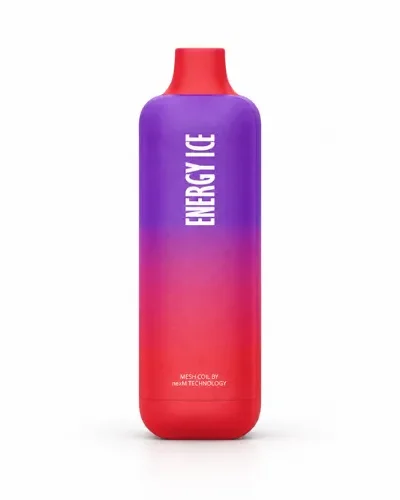
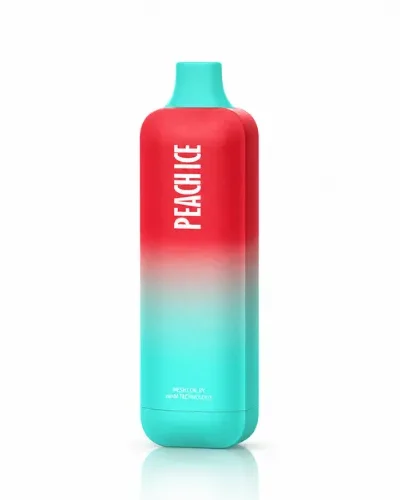
The word “vape” covers several products that may have different legal classifications. It can refer to disposable vapes, refillable devices, nicotine liquids, nicotine-free liquids, pods, coils, or empty hardware. Regulators may treat each category differently, so identify the exact product before checking the law.
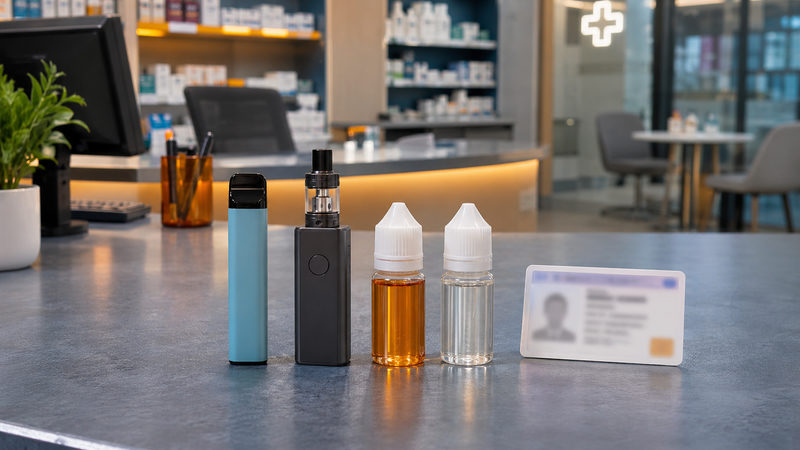
Nicotine-containing liquid often faces the strictest controls because nicotine causes dependence and can cause poisoning. Yet even an empty device may be covered by tobacco, consumer-product, electrical, or environmental rules. Nicotine-free liquids can still face restrictions on age, flavors, labeling, or advertising. A “zero nicotine” label does not automatically put a product outside vaping laws.
Age and Identity Checks
The minimum purchasing age varies by jurisdiction. Some places apply the same age limit to tobacco and vaping products; others use separate rules. Retail staff commonly ask for government-issued photo identification. A driver’s license, passport, or approved identity card may need to verify both your age and identity.
Online sellers usually require more than ticking a birth-date box. They may compare identity details with trusted records or ask for document verification. Other controls may include:
- Identity and age checks during account creation or checkout
- Payment-card verification linked to the adult purchaser
- An adult signature when the parcel arrives
- Delivery only to the verified buyer or approved address
- Restrictions on lockers, pickup points, or unattended delivery
Passing an age check does not automatically make the sale legal. The seller may also need a license and tax registration, and local law may ban remote sales or deliveries entirely. Buyers should verify both the product’s legality and the seller’s authority to supply it.
How Access Categories Differ
A prescription-only product usually requires authorization from a qualified prescriber. A pharmacy may then need to dispense it under medicine or therapeutic-product rules. Regular vape stores may not be permitted to fill prescriptions. Even with a valid prescription, you cannot assume that a retail shop can supply the product.
Some pharmacy products require a consultation but not a formal prescription. Licensed retail products, meanwhile, generally fall under consumer vaping or tobacco regulations. A prohibited product remains unlawful regardless of the buyer’s age. An unauthorized product may also be illegal even when a similar authorized version is available.
Disposable and refillable vapes may be subject to different restrictions. Lawmakers might limit disposables because of battery waste, youth appeal, or low recycling rates. Refillable products can face separate standards for tank capacity, leak resistance, or child safety. Flavor bans and nicotine-concentration limits may cover one category or both.
Product standards often cover packaging, ingredient disclosure, health warnings, and nicotine strength. Some jurisdictions also require an authorization number or listing in an official product register. Others ban certain additives or packaging designs. Check the precise brand, model, strength, and flavor rather than relying on a general product description.
3. How to Get a Nicotine Vape Prescription
A clinician may consider nicotine vaping for an adult smoker who has been unable to quit using established approaches. Clinical guidance differs, though, and many health systems recommend approved cessation treatments first. The decision should take account of the person’s smoking history, health, preferences, and previous quit attempts. Vaping should not be treated as a harmless lifestyle product.

What Happens During an Assessment
The process generally starts with a detailed review of your smoking history. A clinician may ask how many cigarettes you smoke and how soon after waking you have the first one. They may also discuss previous quit attempts and withdrawal symptoms. Honest answers help them assess nicotine dependence and choose suitable support.
The health assessment may cover cardiovascular disease, breathing problems, pregnancy, mental health, allergies, and current medicines. The clinician might also ask whether you already vape or use other nicotine products. Some conditions call for extra caution or a different treatment. From there, the clinician can explain the likely benefits, uncertainties, side effects, and alternatives.
A typical consultation may include:
- A review of smoking frequency and nicotine dependence
- Discussion of patches, gum, medicines, counseling, and previous quit attempts
- Screening for contraindications and relevant health conditions
- Selection of a lawful product and suitable nicotine strength
- A plan to switch completely rather than maintain long-term dual use
- Follow-up appointments to review symptoms, progress, and dosage
Who can prescribe depends on local law. A general practitioner may have that authority in one jurisdiction, while another may allow trained telehealth clinicians or specialists to prescribe. Some places give limited authority to other registered professionals. Check both the clinician’s licensing status and their prescribing authority.
Prescription Limits and Dispensing
A prescription does not make every nicotine vape legal. It may cover only specified products, strengths, quantities, or treatment periods. Separate rules on approval, packaging, importation, or manufacturing can still apply. Nor does a prescription turn an unapproved product into an approved smoking-cessation medicine.
Where local rules allow it, an authorized pharmacy may dispense a compliant product. Stock may be limited, however, and pharmacies do not have to supply every permitted option. Regular vape shops often cannot fill medical prescriptions unless they hold specific authorization. Purchasing from an unlicensed seller may still break the law.
Telehealth can make access more convenient, but it should still involve a proper clinical assessment. Be wary of websites that issue instant prescriptions without asking meaningful health questions. Verify the prescriber’s registration and the dispensing pharmacy’s credentials. Follow-up support matters too; a prescription should not be treated as a one-time purchase ticket.
Clinical recommendations vary across countries and professional bodies. Whether a product is approved as a smoking-cessation medicine also depends on the product and jurisdiction. Ask if the recommended product has official authorization for that use. If it does not, request a clear explanation of its evidence, legal status, and available alternatives.
4. Online Sales, Imports, and Traveling With Nicotine Vapes
Being able to buy a product legally in a store does not mean you can order it online. In the same way, lawful possession does not necessarily permit interstate or cross-border shipping. Remote sales may be governed by rules in both the seller’s and buyer’s locations. Carriers can impose their own limits on top of the law.
Ordering and Importing Products
Online sellers may need retail licenses, tax registrations, and product authorizations. They may also have to verify your age before accepting an order. An adult signature could be required when the parcel arrives. Some jurisdictions ban deliveries to schools, lockers, remote areas, or certain regions.
Shipping companies may refuse to carry vaping products or lithium batteries. They can also require special documentation, packaging, or service levels. Taxes and excise duties may be charged even on small personal orders. That low checkout price could end up coming with extra costs or customs delays.
Personal-import schemes often come with detailed conditions. Authorities may regulate:
- The permitted quantity or supply period
- Whether the importer needs a prescription
- Evidence that the product is for personal use
- Customs declarations and supporting documents
- Product authorization, ingredients, and nicotine concentration
- Packaging, labeling, and child-resistant closures
Customs officers can detain or seize products that do not comply. The importer may lose the purchase price and still face taxes, fees, or penalties. Dividing a large order among several smaller parcels may also breach quantity rules. It can even look like a deliberate attempt to avoid import controls.
Do not assume a product is legal to import simply because foreign stores sell it openly. A nicotine concentration permitted in one country, for example, may be prohibited in another. A prescription can sometimes support importation, but it may not override product restrictions. Check with both the customs authority and health regulator before placing an order.
Travel and Airline Safety
A vape bought legally can become unlawful as soon as you cross a border. Transit countries may apply their rules even if you stay inside the airport. Some destinations restrict possession; others focus on importation, sale, or use. The consequences may be more serious than confiscation alone.
Airlines generally enforce strict safety rules for vape devices and spare lithium batteries. These items commonly belong in carry-on baggage because damaged batteries can overheat or catch fire. Policies and aviation requirements do vary, so read your carrier’s instructions before packing.
Protect devices from accidental activation while traveling. Spare batteries also need to be kept away from keys, coins, and other metal objects. When permitted, use individual cases or protect the terminals. Emptying or partly emptying tanks can help reduce leakage caused by changes in cabin pressure.
Never vape or charge a device on an aircraft. At the airport, use a vape only where signs clearly allow it in a designated area. Cabin crews may treat concealed vaping as a serious safety breach. Smoke-free laws can also cover terminals, lounges, and transport vehicles.
Before you leave, check with every relevant authority and business. These include:
- Your airline and departure airport
- The departure jurisdiction’s aviation and security rules
- Every transit country and connecting airport
- The destination’s health regulator and customs authority
- Local possession, public-use, and age restrictions
5. Health Risks, Product Safety, and Cessation Alternatives
Nicotine vaping carries risks. It can lead to dependence, throat irritation, coughing, headaches, nausea, and other side effects. Aerosols may expose users to harmful chemicals and fine particles as well. Nicotine liquid can cause serious poisoning if swallowed or if a substantial amount reaches the skin.
Claims about relative risk need context. An adult smoker who switches completely may reduce exposure to many of the substances created when tobacco burns. That does not make vaping completely safe. Using cigarettes and vapes together may also limit the expected benefit.
Choosing and Storing Products Safely
Regulated or prescription products can offer more certainty about nicotine strength, ingredients, packaging, and manufacturing. Still, regulation cannot eliminate every health risk. These products may cause side effects and dependence. Follow the supplied instructions and report any unexpected reactions.
Counterfeit, contaminated, modified, illicit, or poorly labeled products bring extra risks. The nicotine concentration on the label may be wrong, for example. Unapproved additives could also irritate the lungs or cause other harm. Avoid unverified liquids, homemade mixtures, and products whose safety features have been altered.
Battery failures may result in overheating, burns, or fires. Damaged wraps, incompatible chargers, loose batteries, and extreme heat all raise the risk. Stop using a device if it becomes unusually hot, swollen, damaged, or wet. Never keep unprotected spare batteries next to metal objects.
Leaking liquid creates another danger. Even a small bottle of concentrated nicotine can harm a child or pet. Store devices and liquids securely in their original child-resistant packaging. If someone swallows nicotine liquid or has a serious exposure, contact local emergency or poison-control services immediately.
Who Needs Extra Caution?
Minors and nonsmokers should not begin vaping nicotine. Nicotine is addictive and may affect the developing brain. Pregnant or breastfeeding people should get advice tailored to their circumstances. Exposure to nicotine can pose risks during pregnancy and early development.
Anyone with cardiovascular, respiratory, or other relevant health conditions should speak with a qualified healthcare professional. Symptoms such as chest pain, severe breathlessness, fainting, or persistent vomiting need urgent assessment. Do not dismiss every symptom as a normal adjustment to nicotine. A clinician can check for other possible causes.
Regulated nicotine replacement therapies provide established alternatives, including patches, gum, lozenges, inhalators, or sprays where available. Prescription cessation medicines may also be suitable for some adults after a clinical assessment. Counseling, quitlines, text support, and structured follow-up can strengthen a quit plan. Behavioral support paired with an appropriate treatment often works better than willpower alone.
No single approach works for everyone. Talk with a clinician or pharmacist about previous attempts, side effects, cost, convenience, and your personal preferences. When appropriate, set a clear quit date or switching plan. Review your progress regularly and make any treatment changes safely.
6. FAQ: Legal Purchasing, Prescriptions, and Compliance
Can adults buy nicotine vapes over the counter?
Sometimes. It depends on the local access rules. Some jurisdictions permit licensed retail or pharmacy sales after age verification, while others require a prescription or ban nicotine vapes. Check both the specific product and the purchasing method before you pay.
Are nicotine-free vapes subject to the same laws?
Not necessarily, though many of the same controls can still apply. Age limits, flavor restrictions, labeling standards, device rules, and public-use bans may cover nicotine-free products. Regulators may also test products advertised as containing no nicotine. Treat “nicotine-free” as a product claim, not proof that the product is legal.
Can pharmacies sell prescription nicotine vaping products?
They may, if local law gives them that authority. Availability and dispensing conditions differ, and some pharmacies may choose not to stock eligible products. A regular vape retailer may also lack the authority to fill a prescription.
What penalties can apply?
Consequences may include confiscation, customs seizure, fines, and the loss of imported goods. Unlawful sellers or suppliers can face licensing action or more serious penalties. Supplying products to minors often brings stricter consequences. The exact outcome depends on the conduct and the jurisdiction.
How can consumers verify that a product is legal?
Look for official product-register listings, authorization numbers, compliant labels, and required health warnings. Verify the seller’s license or the pharmacy’s credentials too. Check the exact brand, model, flavor, and nicotine strength. Similar-looking packaging does not mean two products have the same authorization.
Where can readers find current rules?
Consult official national health regulators, customs agencies, and state or provincial health departments. Aviation authorities, airport guidance, and government legislation databases are also useful sources. Official information is more reliable than claims from retailers or posts on social media. If the rules seem inconsistent, ask for clarification in writing.
What should consumers do when the law is unclear?
Stop before making the purchase, shipment, or import. Contact the relevant regulator, customs agency, pharmacist, or clinician for guidance. If the situation involves complex exposure or commercial activity, speak with a qualified legal professional. Another buyer’s successful delivery is not proof that the transaction was legal.
Conclusion
Whether a nicotine vape needs a prescription depends on the jurisdiction, product type, seller, purchase method, and intended use. Adults must also account for age limits, product authorization, online-sales rules, import controls, and travel restrictions. Something bought legally in one place may be unlawful elsewhere. And regulated access does not make vaping risk-free.
Before buying, importing, or traveling with a nicotine vape, review the latest official guidance for every jurisdiction involved. Check information from health regulators, customs agencies, aviation authorities, airports, and your airline. You should also speak with a qualified healthcare professional about a smoking-cessation plan suited to you. That discussion can help you compare vaping with regulated treatments and choose an appropriate path.