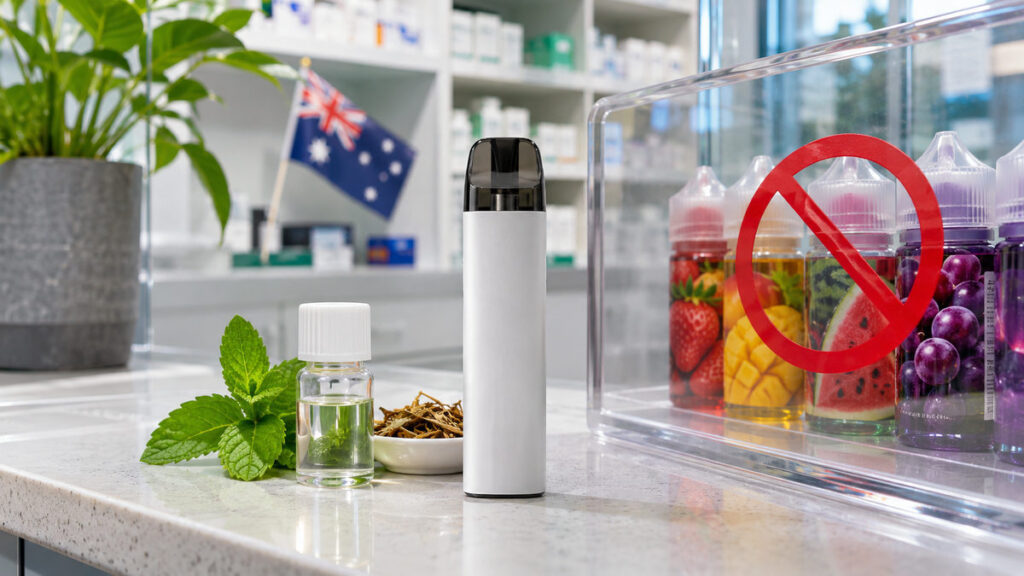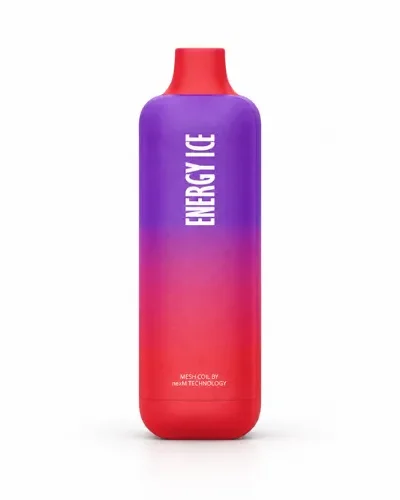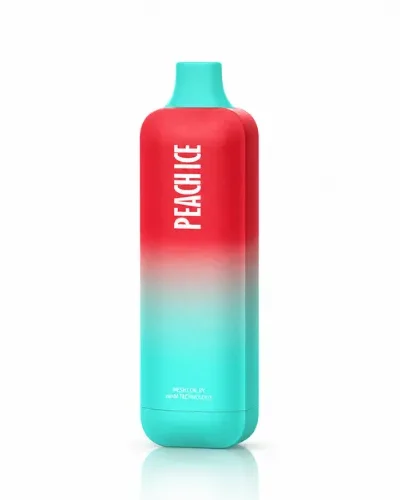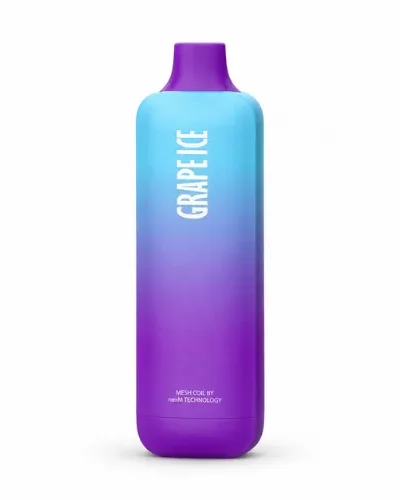

Can you legally walk into an Australian pharmacy and buy a disposable vape? Are Disposable Vapes Allowed in Australian Pharmacies? The short answer is no. Pharmacies cannot legally supply single-use disposable vapes, with or without nicotine.
Australia does, however, allow participating pharmacies to supply certain reusable therapeutic vapes. These products must be intended to help people quit smoking or manage nicotine dependence. They must also meet national product requirements and appear on the relevant notified list.
So, “pharmacy-only” does not make every vape legal when sold inside a pharmacy. Disposable products and non-therapeutic vapes are still banned. Compliant reusable products, meanwhile, are available only through tightly controlled clinical pathways.
The exact rules depend on age, nicotine strength, clinical needs, and local law. This guide breaks down those differences and explains the lawful options available to people trying to quit.
1. Are Disposable Vapes Allowed in Australian Pharmacies?
No Australian pharmacy may legally sell a single-use disposable vape. That ban applies to products containing nicotine and those marketed as nicotine-free. It still applies if the packaging presents the product as a quitting aid.
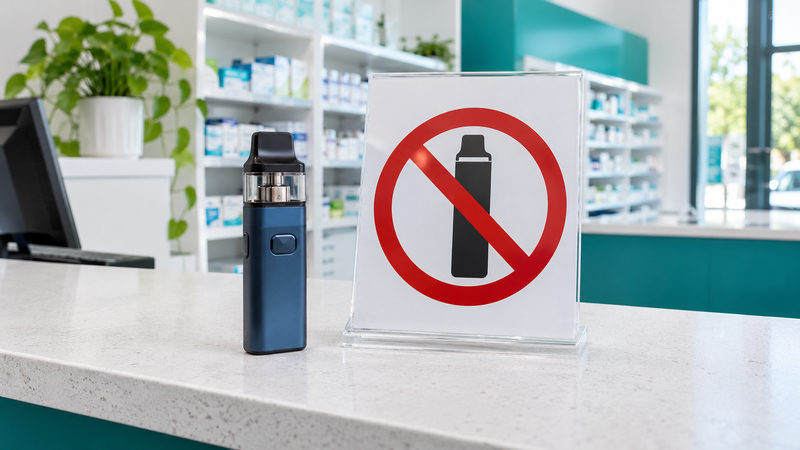
Simply putting a prohibited disposable behind the counter does not make it lawful. The product itself has to meet current therapeutic vaping standards. Disposable devices do not fit the permitted model because they cannot be refilled or reused.
What the pharmacy-only model actually means
Australia restricts lawful vape sales to participating pharmacies and therapeutic purposes. In practice, the product must be used to help someone quit smoking or manage nicotine dependence. Recreational and lifestyle sales fall outside this model.
That means tobacconists, convenience stores, service stations, and specialist vape shops cannot legally sell vapes. The restriction covers devices, vaping substances, pods, and related accessories. Online retailers cannot operate as ordinary recreational vape shops either.
Pharmacies can supply only compliant therapeutic vaping goods through an authorised pathway. The pharmacist must also decide whether a product is suitable for the person’s clinical needs. Money and proof of age alone do not guarantee supply.
A ban with a narrow therapeutic pathway
The national framework draws a clear line between prohibited retail products and therapeutic goods. Disposable and non-therapeutic vapes sit on the prohibited side. Some reusable therapeutic systems may qualify for the pharmacy pathway.
- Single-use disposable vapes cannot be sold by pharmacies.
- Non-therapeutic vapes cannot be sold legally by ordinary retailers.
- Compliant reusable therapeutic vapes may be available from participating pharmacies.
- Supply must support smoking cessation or nicotine-dependence management.
For example, an adult cannot ask a pharmacist for a colourful, fruit-flavoured disposable. That person may instead discuss a compliant reusable product in mint, menthol, or tobacco flavour. The pharmacist might also recommend a different quitting treatment.
Therapeutic vaping is not ordinary consumer shopping. It is a controlled healthcare pathway, with the pharmacist’s professional assessment at the centre of every supply decision.
2. Disposable Vapes vs Reusable Therapeutic Vapes
“Disposable vape” and “therapeutic vape” are not interchangeable terms. A disposable vape comes as a sealed, single-use unit. Once the battery or liquid runs out, the entire device is usually thrown away.
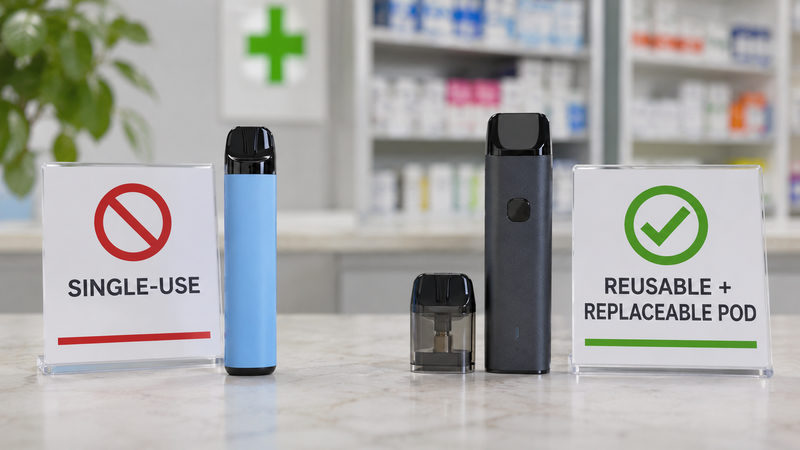
A reusable therapeutic vape works in another way. The main device is kept and recharged, while replaceable pods, cartridges, or refillable components are used in line with the applicable standards.
Why the physical design matters
Disposable devices usually place the battery, heating element, and liquid inside one sealed body. Many promise hundreds or even thousands of puffs. Those marketing claims, though, do not give the product lawful therapeutic status.
A permitted therapeutic product must use a reusable device design. It must also comply with rules for ingredients, nicotine concentration, packaging, flavours, and labelling. Even then, a compliant design does not automatically mean a pharmacy will stock it.
Consider two products with the same nicotine concentration. One is sealed and meant to be discarded when finished. The other is rechargeable and uses replaceable, compliant cartridges.
The first remains prohibited because it is a disposable vape. The second may qualify for pharmacy supply, but only if it meets every therapeutic requirement. Before supplying it, the pharmacist must still assess the patient.
Therapeutic does not mean approved or harmless
Most therapeutic vapes supplied by pharmacies are unapproved therapeutic goods. In other words, they are not included in the Australian Register of Therapeutic Goods. The TGA has not assessed each one in the same way as a registered medicine.
Instead, sponsors notify the TGA that their products comply with the applicable standards. Pharmacists therefore generally choose products from the TGA’s notified vape list. Notification is not the same as full evaluation or approval.
Therapeutic vapes are not risk-free either. Their aerosols may expose users to nicotine and other chemicals. Nicotine can cause dependence, and vaping may affect respiratory and cardiovascular health.
The permitted flavour range is also limited. Compliant products generally come in mint, menthol, or tobacco flavours. Bright confectionery flavours and lifestyle-focused branding have no place in the therapeutic framework.
- Disposable vape: A single-use, sealed device that pharmacies cannot supply.
- Reusable device: A rechargeable unit designed for continued therapeutic use.
- Therapeutic vaping substance: A compliant liquid, pod, or cartridge used for an accepted therapeutic purpose.
- Notified product: A product whose sponsor reports compliance with applicable TGA standards.
Nicotine-free products are not an exception
Some consumers believe nicotine-free vapes are exempt from the restrictions. They are not. Australia regulates vaping goods regardless of nicotine content, so a zero-nicotine disposable is still a prohibited disposable vape.
Ordinary retailers also cannot sell nicotine-free reusable vapes for recreational use. Pharmacy supply must remain connected to smoking cessation or nicotine-dependence management. Pharmacists must also comply with any extra state or territory controls.
The practical distinction is straightforward. A “nicotine-free” label does not automatically make a product lawful. Product type, therapeutic purpose, supply pathway, and local law all play a part.
3. How Adults Can Access Pharmacy Vapes in Australia
Adults generally have two possible routes to pharmacy access. One is pharmacist-only supply without a prescription. The other requires a prescription from a medical practitioner or nurse practitioner.

Both routes are limited to compliant therapeutic vaping goods. Neither allows access to disposable vapes. Even a prescription cannot turn a banned single-use product into a lawful pharmacy product.
Pharmacist-only access without a prescription
An adult aged 18 or older may ask for a therapeutic vape without a prescription. Its nicotine concentration cannot exceed 20 milligrams per millilitre, and the relevant state or territory law must allow this type of supply.
The pharmacist must be satisfied that vaping is clinically appropriate for quitting smoking or managing nicotine dependence. Expect a private clinical conversation, not a transaction like choosing cigarettes from a retail display.
Take a 35-year-old smoker asking for a 20 mg/mL therapeutic vape. The pharmacist may discuss the person’s current smoking, previous quit attempts, medicines, and health conditions. After that assessment, the pharmacist might supply a product or suggest another approach.
Nicotine-free therapeutic vaping goods may also be available through this pharmacist pathway. They still need a genuine therapeutic purpose and a pharmacist’s assessment. Every product supplied must meet the applicable rules as well.
When a prescription is required
A prescription is required when the nicotine concentration is above 20 mg/mL. No permitted therapeutic vape can contain more than 50 mg/mL. Patients under 18 also need a prescription wherever local law allows supply.
A pharmacist may also refer someone with more complex needs to a prescriber. Pregnancy, significant illness, medicine interactions, or repeated unsuccessful attempts may call for broader clinical support. The prescriber can then weigh the benefits, risks, dosage, and available alternatives.
- Adults seeking 20 mg/mL or less may use pharmacist-only access where local law permits.
- Products above 20 mg/mL require a valid prescription.
- Products above 50 mg/mL are not permitted.
- People under 18 require a prescription where local supply remains lawful.
- Complex clinical needs may lead to referral for medical assessment.
State and territory differences
Federal rules establish the national framework, but local medicines laws may add further restrictions. Western Australia, for example, classifies nicotine vaping products as prescription-only medicines. Pharmacist-only access is therefore not identical across the country.
The rules for people under 18 vary too. Some jurisdictions may allow supply with a prescription and close supervision. Others may prohibit it even when the young person has a prescription.
Before arranging access, consumers should check with their state or territory health department. A local pharmacist can also explain which rules apply. Crossing a border does not remove the legal requirements in the place where the product is supplied.
A prescription does not guarantee a product
A prescription authorises a pharmacy to consider dispensing an eligible prescribed product. The product must still comply with federal requirements, however. It generally needs to appear on the notified vape list or hold another lawful status.
Not every pharmacy stocks therapeutic vapes, and pharmacists are not required to order or supply them. Even with a prescription, a patient may need to contact several participating pharmacies.
4. What Happens When a Pharmacy Supplies a Therapeutic Vape?
Expect a health consultation rather than a quick checkout. The pharmacist will ask why you want the product. Your purpose must be to stop smoking or manage nicotine dependence.
The pharmacist will request identification and check your age. They may also ask about your current nicotine use, previous quit attempts, health conditions, pregnancy, and regular medicines. Candid answers help them judge whether the product is safe and suitable for you.
The consultation and informed consent
Before recommending a vape, the pharmacist should explain the registered quitting treatments available. These may include nicotine patches, gum, lozenges, sprays, or prescription medicines. Behavioural support can strengthen a quit attempt too.
If vaping is still considered appropriate, the pharmacist will discuss the strength, dose, frequency, and length of treatment. They may also explain how to reduce nicotine use gradually. Safe storage is essential, since nicotine liquid can harm children and pets.
The pharmacist must make clear that most therapeutic vapes are neither registered nor listed medicines. The TGA has therefore not fully evaluated their safety, quality, and effectiveness. The patient must give informed consent before the product is supplied.
Quantity and frequency limits
Under pharmacist-only supply, the amount provided cannot exceed a reasonable one-month therapeutic requirement. The pharmacy can supply that amount only once within the month. This discourages stockpiling and keeps access focused on clinical treatment.
A customer cannot, for example, buy a month’s supply on Monday and return for the same amount on Friday. The pharmacist should also consider real usage instead of treating one month as a fixed quantity. Needs vary with the device and treatment plan.
Prescription quantities are governed by the prescription and applicable medicines law. Pharmacists still use professional judgment when dispensing. If the dose, product, or quantity causes concern, they may contact the prescriber.
Products remain behind the counter
Pharmacies must store vaping goods behind the counter and out of public view. Do not expect open shelves, colourful displays, or promotional signs. Advertising restrictions also rule out ordinary lifestyle marketing.
Supply normally takes place face to face. The pharmacist provides the product directly to the patient or an appropriate carer, allowing time for identity checks, counselling, and safe-use advice.
Availability and refusal
Pharmacy participation is voluntary. A store may decide not to stock vapes because of clinical, ethical, operational, or supply concerns. A pharmacist can also refuse an individual request if supplying the product would be unsuitable.
Someone who has never smoked or vaped, for instance, cannot simply ask for a product to experiment with. The pathway is meant for smoking cessation or nicotine dependence. It is not a legal route to recreational vaping for new users.
Calling ahead may save a wasted trip. Ask whether the pharmacy participates and if you need an appointment. Even so, staff may require a full consultation before they can confirm supply.
5. Possession, Nicotine-Free Vapes and Local Laws
Personal possession needs some context because possession and supply are separate legal issues. Commonwealth reforms mainly focus on unlawful importation, manufacture, commercial possession, advertising, and supply. Authorities have said enforcement is not aimed at people carrying small amounts for personal use.
That enforcement approach does not make the product lawful. A disposable purchased from a convenience store still entered the market through an illegal supply channel. Limited action against a consumer does not legalise the seller’s conduct either.
Why personal possession remains complicated
State and territory laws may govern possession, use, age limits, and smoke-free locations. A rule in Queensland may therefore differ from one in Western Australia. Local police, health authorities, and medicines regulators may have different enforcement powers as well.
Context matters. Carrying several unopened devices may raise different concerns from having one partly used device. A large quantity could point to commercial possession or supply, depending on the surrounding facts, intended use, and local legislation.
Buying from overseas is not an automatic exception. Vape imports remain tightly controlled, and personal importation pathways no longer work like ordinary online shopping. Border authorities may seize products that fail to meet import requirements.
Nicotine-free does not mean unrestricted
One common misconception is that nicotine-free vapes are merely harmless electronic accessories. Federal restrictions actually cover vaping goods whether or not they contain nicotine. This includes nicotine-free substances, devices, components, and single-use products.
A retailer cannot justify selling a disposable simply by claiming it contains zero nicotine. Laboratory testing has also detected nicotine in some products labelled nicotine-free, so consumers cannot always rely on the packaging to confirm the ingredients.
- Disposable vapes remain prohibited regardless of nicotine content.
- Ordinary retailers cannot legally sell nicotine-free recreational vapes.
- Small personal quantities are not the main focus of Commonwealth enforcement.
- Local possession and use laws may impose additional obligations.
- Import restrictions apply separately from domestic possession rules.
Where vaping is allowed
Even a therapeutic vape supplied lawfully cannot be used everywhere. Smoke-free rules often cover vaping in workplaces, public transport, restaurants, and other public spaces. Landlords, employers, venues, and transport operators may set even stricter conditions.
Lawful pharmacy supply does not give someone unrestricted permission to vape. Check local smoke-free laws and posted signs before using a device. If the rules are unclear, contact the relevant state or territory health department.
6. Legal Alternatives for Quitting Smoking or Vaping
For most people, therapeutic vaping is not the first option. Registered treatments come with clearer evidence, established dosing guidance, and stronger safety oversight. Combining medication with behavioural support can also improve the chances of quitting.
Nicotine replacement therapy helps control cravings without exposing users to vape aerosol. Options include patches, gum, lozenges, mouth spray, and inhalators. A pharmacist may suggest pairing a steady-release patch with a faster product for sudden cravings.
- Nicotine patches provide a steady dose throughout the day.
- Gum and lozenges help manage predictable cravings.
- Mouth sprays act quickly during sudden urges.
- Prescription medicines may suit some adults after clinical assessment.
- Counselling and quit services provide planning and ongoing encouragement.
Someone who smokes 15 cigarettes a day, for example, might apply a patch each morning and use gum when cravings strike after meals. If withdrawal symptoms continue, a pharmacist can help adjust the plan.
Quitting vaping may call for a different strategy. The plan should account for nicotine strength, frequency of use, triggers, and device habits. Some people may prefer gradually reducing their dose, while others do better with a fixed quit date.
Seek urgent medical help if nicotine poisoning is suspected. Warning signs may include vomiting, confusion, severe dizziness, breathing difficulty, or seizures. Always keep nicotine products locked away from children and pets.
Conclusion
Australian pharmacies cannot legally sell single-use disposable vapes, whether or not they contain nicotine. Participating pharmacies may instead supply compliant reusable therapeutic vapes for smoking cessation or nicotine-dependence management.
Where local law allows, adults may access products containing 20 mg/mL or less without a prescription after completing a pharmacist consultation. Higher strengths, younger patients, and people with complex needs usually require a prescriber.
Age checks, quantity limits, product standards, and jurisdictional restrictions all continue to apply. Most therapeutic vapes are notified but unapproved therapeutic goods. They are not harmless, and health professionals generally do not consider them a first-line option.
Before seeking a product, check the latest TGA and Australian Government vaping guidance. Confirm the local requirements with your state or territory health department, then speak with a pharmacist or prescriber about lawful cessation options suited to your needs.