Want something less bulky than a mod but more versatile than a disposable? You might be asking, What Is a Pod Vape System? Put simply, it is a compact device that combines a rechargeable battery with a small e-liquid cartridge. The concept is straightforward, though choosing compatible pods, coils, liquids, and nicotine strengths can still feel confusing at first.
Pod systems occupy the middle ground between basic disposables and highly adjustable vape mods. They also come in several designs that may look alike but operate differently. This guide covers how they work, the major types available, setup, maintenance, common problems, and essential safety considerations.
1. What Is a Pod Vape System?
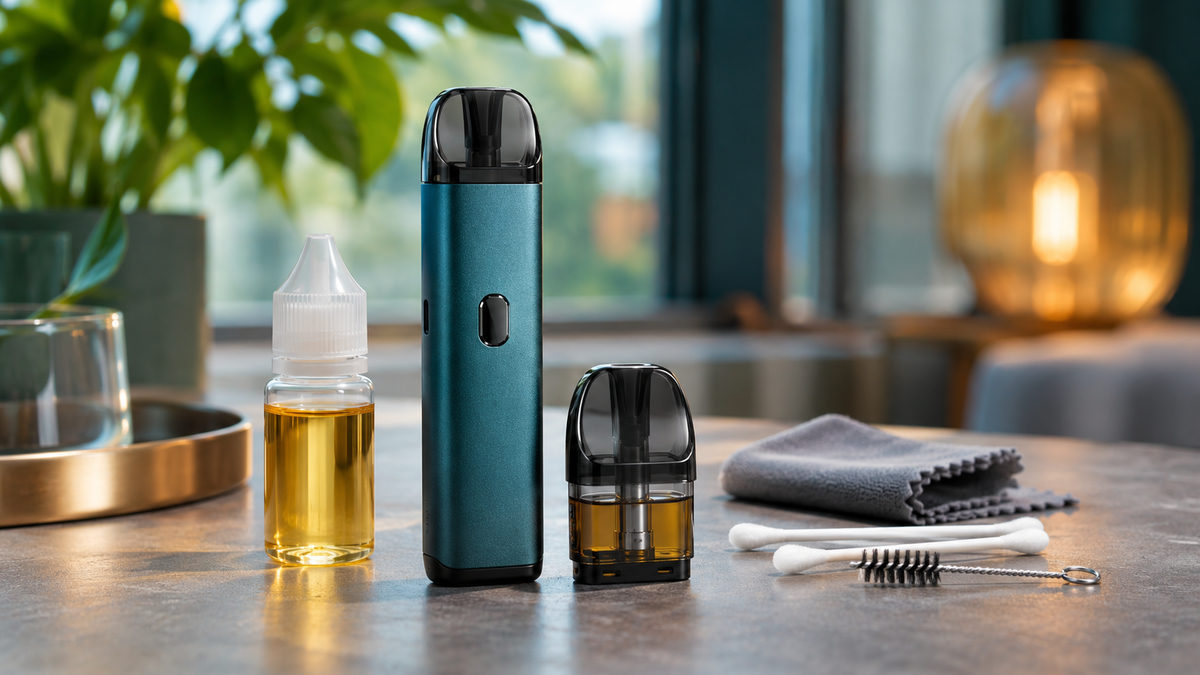
A pod vape system is a compact electronic device with a pod cartridge that holds e-liquid. The cartridge attaches to a battery section and feeds liquid to a heating coil. Once activated, the coil heats the liquid to create an inhalable aerosol. Unlike smoke, that aerosol is produced by heating liquid rather than burning tobacco.
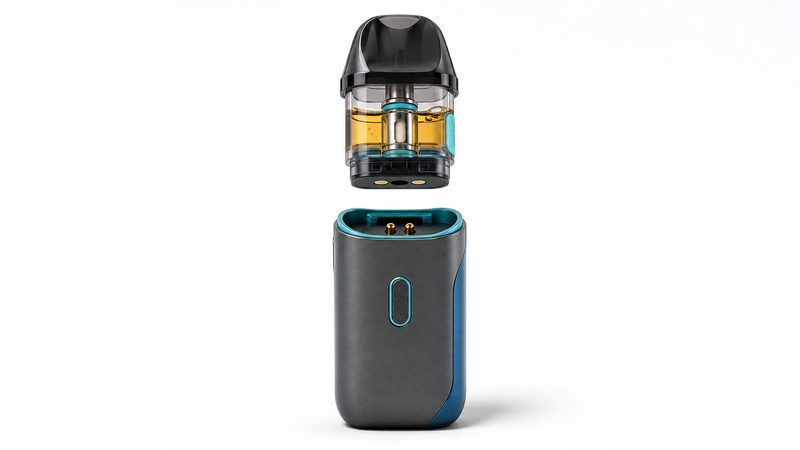
Most pod systems are built around portability and relatively simple operation. That makes them appealing to adult smokers, beginners, and experienced users who want a smaller everyday device. Many fit comfortably in a pocket and require fewer adjustments than advanced mods. Still, simple controls do not eliminate the need for proper setup and responsible handling.
Common pod vape terminology
The terms used for pod devices are not always consistent. A pod vape and a vape pod kit usually refer to the complete device package. A pod cartridge, meanwhile, is the removable container that holds the e-liquid. In some designs, the mouthpiece, coil, and wick are all built into one replaceable unit.
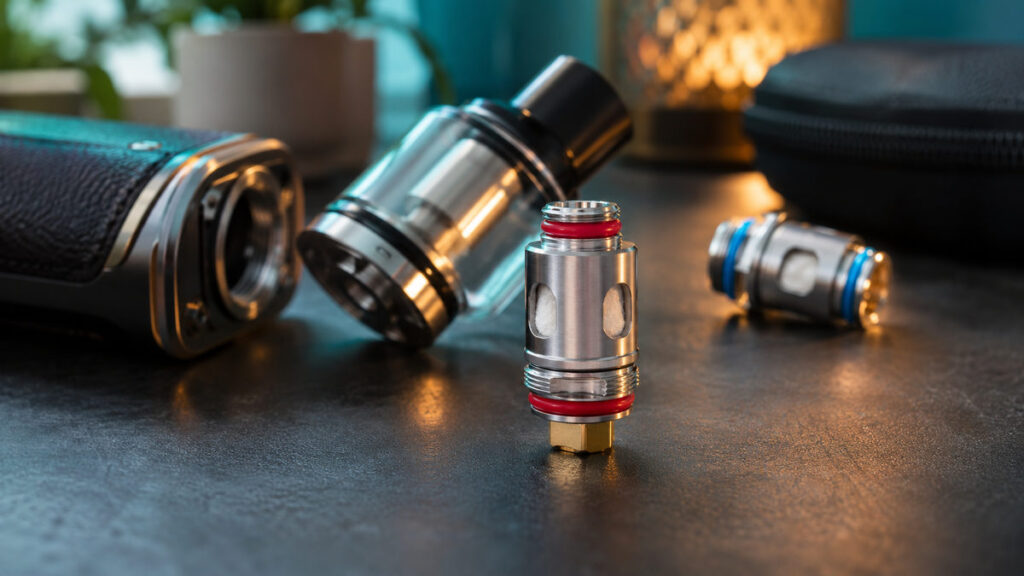
A replaceable vape pod may have an integrated coil or accept a separate one. With an integrated-coil pod, you replace the whole cartridge once the coil wears out. A replaceable-coil design lets you keep the cartridge and swap only the coil. For that reason, the product manual tells you more than the general name used in a shop listing.
A pod mod brings in selected features usually associated with larger vape mods. It might include adjustable wattage, airflow control, or support for several coil resistances. These hybrid pod-mod devices can produce more aerosol than basic pod kits, but they still rely on a pod-shaped reservoir instead of a traditional screw-on tank.
2. Pod Vape Components and How the System Works
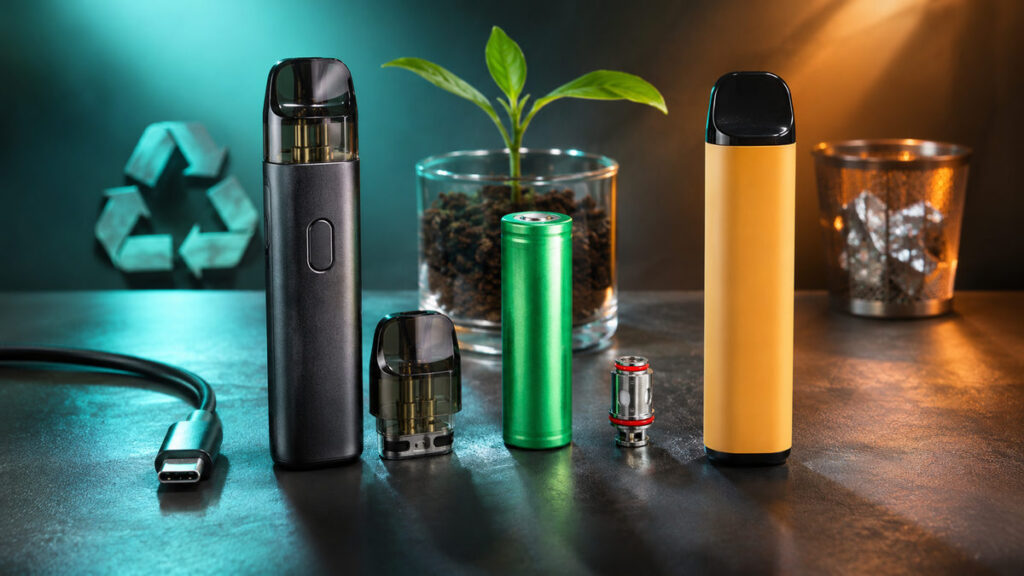
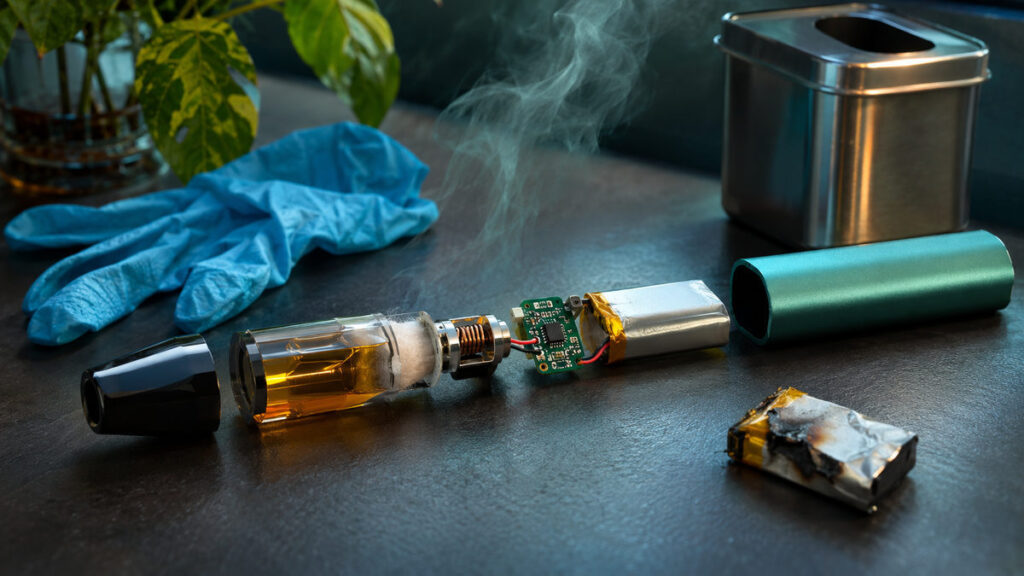
Every pod system has a battery that supplies electrical power. The pod itself contains a mouthpiece, e-liquid chamber, heating coil, and absorbent wick. An airflow path carries incoming air past the coil and up toward the mouthpiece, while metal contacts connect the pod to the battery section.
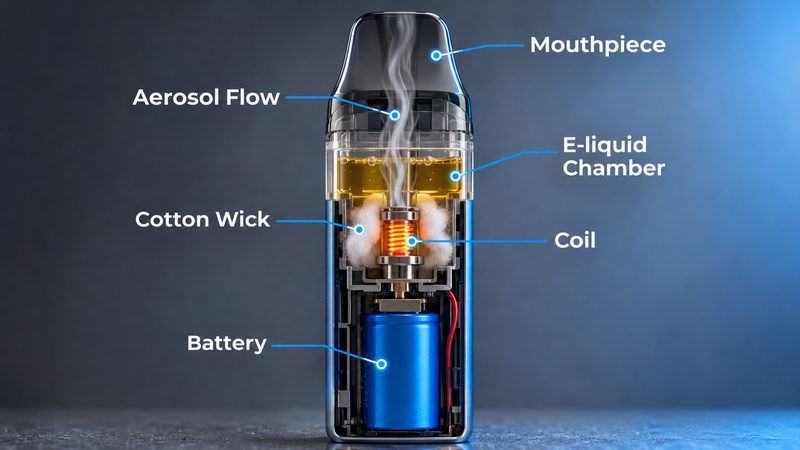
A small chipset controls activation, power delivery, and safety functions. Rechargeable models also have a charging port, usually somewhere on the battery body. Some include a display; simpler devices rely on small indicator lights. Those lights may signal the charging status, battery level, or a connection error.
From e-liquid to aerosol
The process starts when the device senses an inhalation or a press of the button. The battery sends controlled power through the electrical contacts to the coil, which heats the e-liquid held in the wick. That creates an aerosol that travels through the airflow channel.
The user inhales the aerosol through the mouthpiece. At the same time, the wick draws in more liquid from the pod reservoir. The cycle repeats with every puff as long as the wick stays properly saturated. If it dries out, though, it can overheat and produce an unpleasant burnt taste.
Activation, airflow, and power control
Draw-activated devices respond when an airflow sensor detects an inhale. This can feel familiar to adults transitioning away from cigarettes. Button-activated pods work differently: the user presses and holds a firing button while inhaling. Some devices offer both options, giving users a little more flexibility.
Fixed-coil pods have a coil permanently installed inside the cartridge. Replaceable-coil systems, by contrast, allow users to fit a compatible coil into a reusable pod. Adjustable airflow controls how tightly or freely air passes through the device. A tighter draw often suits mouth-to-lung use, while a more open draw allows greater airflow.
Adjustable power determines how much energy reaches the coil. Each coil has a recommended operating range, and staying within it matters. Basic chipset protections may restrict firing time, excessive current, low voltage, overheating, and short circuits. These protections support safer operation, but they cannot guard against every form of misuse or every battery problem.
3. Open, Closed, and Refillable Pod Vape Systems
An open pod system uses a cartridge that can be refilled with compatible bottled e-liquid. The filling port is usually covered by a silicone plug or a similar seal. This setup gives users a wider choice of flavors and nicotine strengths. Refilling may also cost less over time than repeatedly buying sealed cartridges.
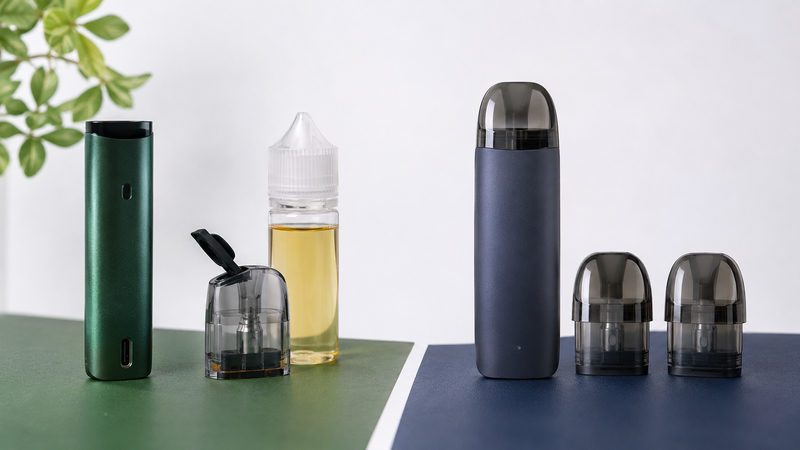
A closed pod system uses sealed cartridges filled by the manufacturer. These are commonly known as prefilled vape pods. You insert a compatible pod, use it until the liquid runs out, and then replace it. With no routine filling involved, closed systems usually require less cleaning and liquid handling.
Convenience versus flexibility
Closed systems keep the routine simple and reduce the chance of filling mistakes. The tradeoff is that users are limited to the manufacturer’s available flavors and strengths. Proprietary pods may also become more expensive over time. Each empty cartridge creates waste as well, and it cannot always go into normal recycling streams.
Open systems give users more choice and may reduce the cost per milliliter. They do, however, demand careful filling and the right e-liquid. Overfilling a pod, using unsuitable liquid, or failing to close a seal can lead to leaks. Beginners should always check the manual before buying liquid or opening the fill port.
Integrated coils and replaceable coils
Many refillable pods come with fixed coils. Once the flavor drops off, the whole pod is discarded and replaced. It is an easy approach, but it creates more material waste. Buying complete cartridges can also cost more than changing individual coils.
With a replaceable-coil pod, the cartridge stays in use through several coil changes. Users must choose the exact coil family and resistance supported by the device, then fit and prime each coil correctly. These systems can be cheaper to run, though they call for slightly more upkeep.
There is no single system that suits every adult user. Closed pods lean toward convenience, while refillable pods offer more choice and potential savings. Replaceable-coil designs are better suited to people comfortable with basic maintenance. Before buying, check local pod availability because proprietary parts from different brands rarely fit one another.
4. Pod Vape vs. Disposable Vape, Vape Pen, and Vape Mod
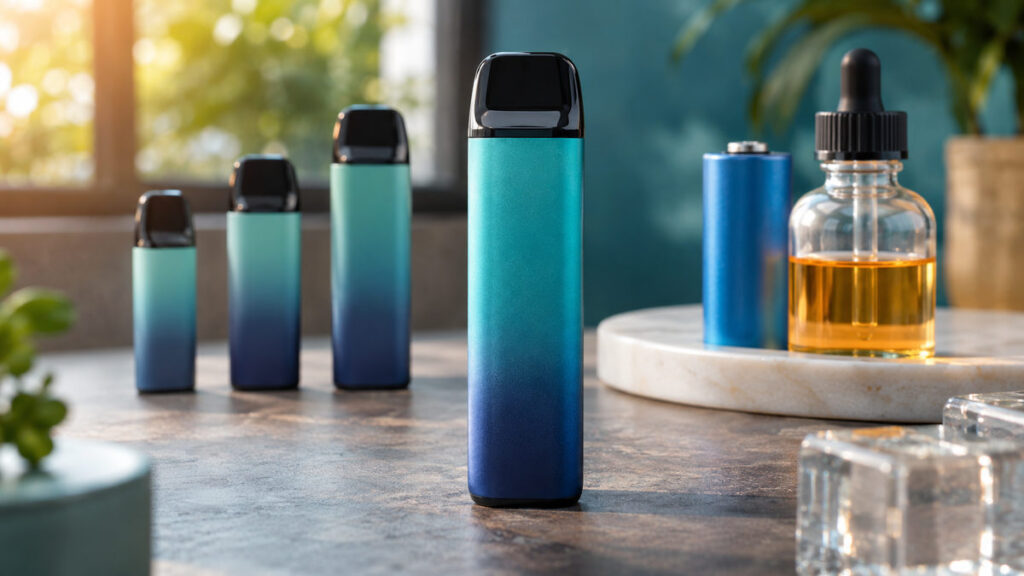
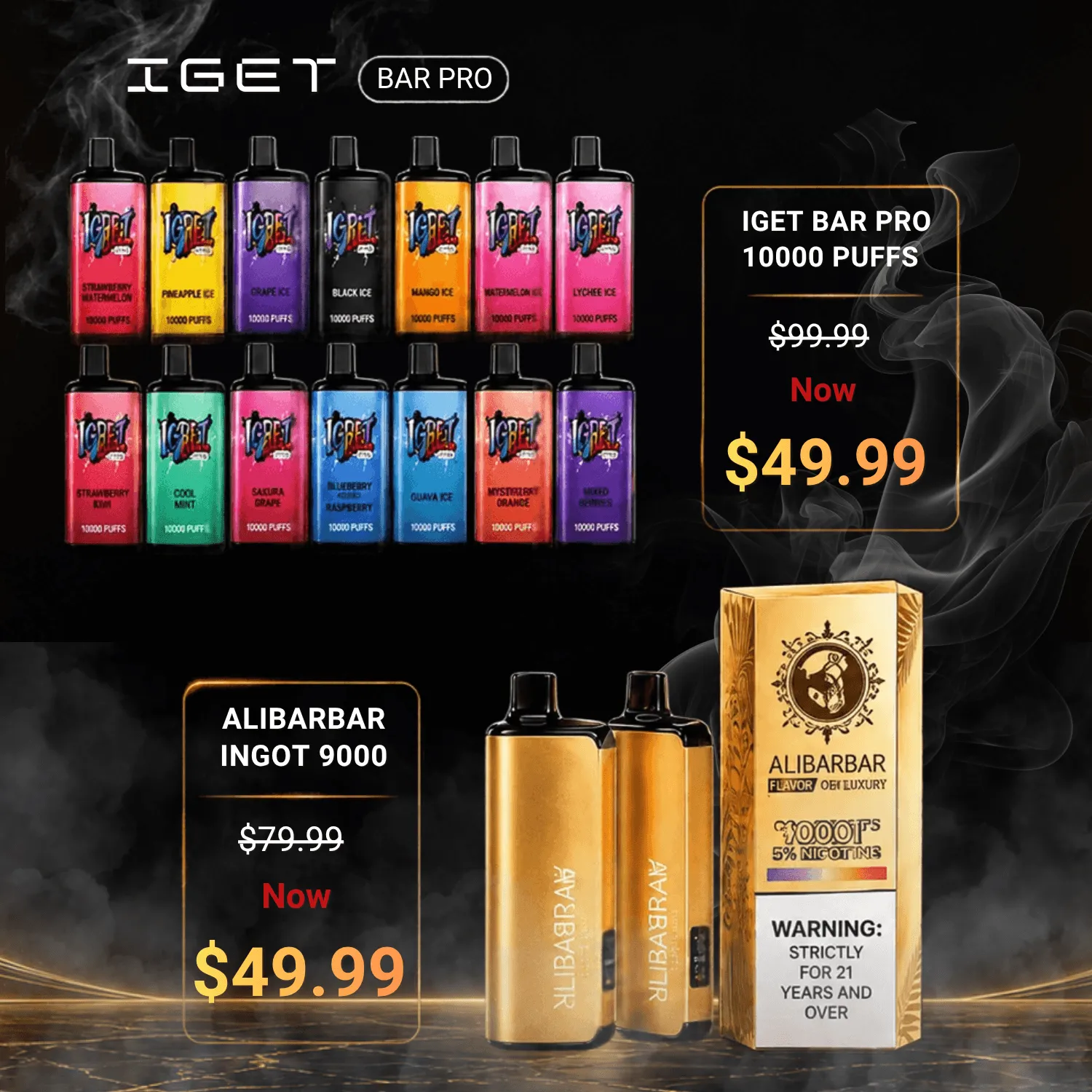
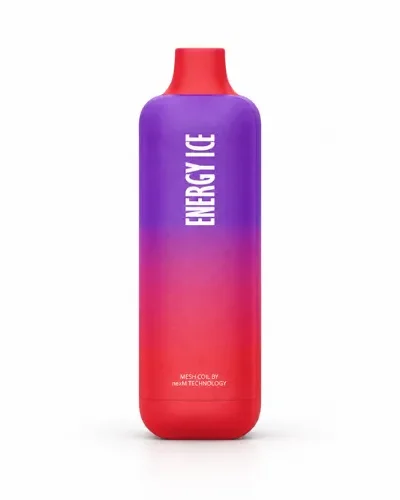
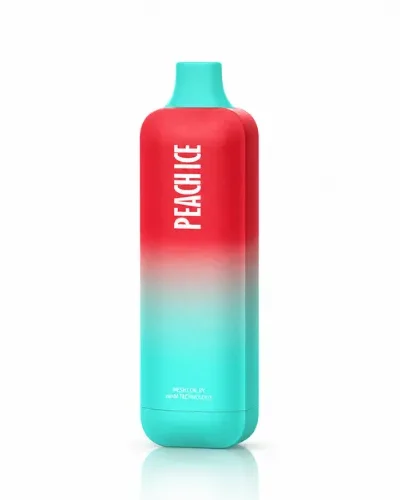
A disposable vape contains the liquid, coil, and battery in one product. Most must be replaced completely when the liquid runs out or the battery reaches the end of its usable life. A pod system keeps the main battery and only replaces or refills the cartridge. The upfront cost may be higher, but continued use can bring down ongoing expenses.
Disposables need almost no setup and often deliver consistent performance throughout their short service life. The downside is extra waste, since the entire device gets discarded. Rechargeable pod systems require charging, cleaning, and occasional pod or coil changes. In exchange, users gain more control over flavors, strengths, and when parts are replaced.
Pod systems compared with vape pens
Traditional vape pens typically pair a slim cylindrical battery with a separate tank or cartridge. Modern categories overlap quite a bit, however. Some pod systems also have pen-shaped bodies, so appearance alone is not a reliable guide. The cartridge connection and supported replacement parts offer better clues.
Pod cartridges often click, slide, or attach magnetically inside the device body. Many traditional pens, on the other hand, use threaded tanks or standardized cartridges. Pod products usually work as a closely matched set of battery, cartridge, and coil. Similar-looking components should never be assumed to be interchangeable.
Pod systems compared with vape mods
Advanced vape mods generally provide larger batteries, higher output, and more control. They may support a range of tanks, coil builds, screens, and detailed power modes. All that flexibility can produce more aerosol and enable extensive customization. It also means more settings, maintenance, and compatibility decisions.
Basic pod systems generally use smaller batteries and reservoirs. They tend to produce less aerosol and offer fewer power adjustments. Some even choose an appropriate output automatically after detecting the installed pod or coil. That simplicity can help beginners avoid running a coil far above its recommended range.
A pod mod sits between the two categories. It keeps the removable pod while adding controls such as adjustable wattage, replaceable coils, and airflow settings. More power usually means faster e-liquid consumption and more frequent charging. It may also call for larger airflow openings and lower-resistance coils.
Think about your daily habits before choosing a format. Someone who wants minimal involvement may prefer prefilled pods, while an adult looking for more flavor options may choose a refillable pod. A mod may be a better fit for users who want maximum adjustment and understand the added responsibilities.
5. E-Liquid, Nicotine Strength, and Pod Compatibility
No e-liquid performs perfectly in every pod. Compatibility depends on the coil resistance, device power, airflow, wick design, and liquid viscosity. Always follow the specifications provided by the device and coil manufacturer. Flavor alone tells you nothing about whether a liquid suits a particular cartridge.
Higher-resistance coils often run at lower power and use tighter airflow. Lower-resistance coils typically need more power and allow a looser draw. These differences influence e-liquid consumption, aerosol volume, and nicotine delivery. Even the same labeled nicotine strength can feel quite different in two devices.
Nicotine salts and freebase nicotine
At a given concentration, nicotine salt e-liquid often feels smoother than a comparable freebase liquid. Manufacturers commonly pair it with lower-powered, mouth-to-lung pod systems for this reason. The smoother sensation can make higher strengths easier to inhale, but it may also lead users to consume more nicotine than they expect.
Freebase nicotine tends to create a more noticeable throat sensation as the strength rises. Depending on the concentration, it appears in both low-powered and higher-output products. Lower strengths are commonly used in devices that produce larger amounts of aerosol. Product labels matter here; broad assumptions about either category are not enough.
Understanding PG and VG ratios
Propylene glycol, or PG, is relatively thin, carries flavor well, and can produce a stronger throat sensation. Vegetable glycerin, known as VG, is thicker and usually creates denser aerosol. The ratio between them affects wicking speed, leakage risk, sensation, and the amount of visible aerosol.
A thick, high-VG liquid may wick too slowly in a small pod. With repeated puffs, the wick can dry out and develop a burnt flavor. A very thin liquid may flood larger coil openings and cause gurgling instead. Choose a ratio recommended for the specific pod and coil.
Choosing a nicotine strength
Nicotine strength should account for previous tobacco use, device output, inhalation style, and how often someone puffs. A person using a powerful, airy coil may need a lower concentration than someone with a low-powered pod. There is no simple cigarette-to-milligram conversion that works for everyone. Puff length and personal habits make a real difference.
Read labels closely, as strength formats vary between markets. Seek professional guidance if nicotine use raises health concerns or you need help quitting. Anyone who experiences nausea, dizziness, headaches, or a racing heartbeat should stop using the product. Medical advice is appropriate if symptoms persist or become severe.
6. How to Use, Maintain, and Troubleshoot a Pod Vape
Beginner setup steps
Begin by reading the supplied instructions and checking every component. Watch for cracks, damaged seals, liquid around the electrical contacts, or any battery swelling. Make sure the pod and coil match the exact device model too. Never force a cartridge or coil into a connection that does not fit.
- Charge the battery with the manufacturer-recommended cable and suitable power source.
- Insert a prefilled pod, or fill the refillable pod through its designated port.
- Prime a replaceable coil with e-liquid when the instructions recommend that step.
- After filling, wait several minutes so the wick can absorb enough liquid.
- Confirm the airflow setting and begin at the coil’s lowest recommended power.
- Take short, gentle puffs and check for leaks, heat, or unusual tastes.
Keep liquid out of the central airflow tube. Do not overfill the pod either, since it needs a small amount of internal space. Close the fill seal securely before putting the cartridge back in place. Then wipe away any liquid from the pod base and electrical contacts.
Pod and coil maintenance
There is no fixed calendar for pod life. Sweet liquids may leave residue on a coil faster than less sweet options, while frequent use, long puffs, and excessive power expose it to more heat. Coil design, airflow, and regular cleaning also shape how long it remains usable.
Check the device regularly and remove condensation with a dry tissue or cotton swab. Never rinse the battery section under running water. Damaged, cracked, or badly worn pods should be replaced immediately. Keep the mouthpiece clean as well, and make sure nothing blocks the airflow openings.
A persistent burnt taste, muted flavor, or weak aerosol often signals that replacement is due. Darkened liquid around the coil may point to residue buildup. Repeated leaking can also indicate worn seals or a damaged cartridge. If cleaning and correct setup do not fix the problem, replace the coil or the complete pod.
Solving common pod vape problems
Leaking: Inspect the fill seal, coil seating, pod condition, and liquid compatibility. Keep the device upright when practical, and do not leave it inside a hot vehicle. Changes in temperature can affect pressure within the pod. A cracked or heavily leaking cartridge should not remain in use.
Gurgling: Too much liquid may have entered the coil or airflow channel. Remove the pod and wipe away accessible condensation according to the manufacturer’s instructions. Gentle puffs tend to work better than forceful ones. Strong suction can draw even more liquid into an already flooded coil.
Weak aerosol: Charge the battery first and make sure the pod is seated securely. Clean and dry the electrical contacts, then inspect the airflow opening. A depleted pod, worn coil, or unsuitable power setting may also reduce performance. Use only replacement parts approved for that model.
Connection errors: Take out the pod and look for liquid or debris on its contacts. Reinstall it gently without forcing the connection. If the contacts look damaged or become unusually hot, stop using the device. Contact the seller or manufacturer if the same error appears with a compatible replacement pod.
Burnt taste: Stop inhaling straight away. If the pod was recently filled, give it more time to saturate. Lower the power if it sits above the coil’s recommended range, and replace the coil if the burnt taste remains. Once the wick has scorched, more liquid will rarely bring the flavor back.
7. Benefits, Limitations, Safety, and Choosing a Pod System
Main benefits and limitations
Pod systems strike a useful balance between convenience and reuse. Their compact bodies are easy to carry, and the simple controls keep the learning curve short. Reusing the battery also reduces whole-device disposal compared with single-use products. Tight-draw models can support a cigarette-like mouth-to-lung inhale as well.
- Portable bodies that fit easily into a pocket or small bag
- Straightforward draw activation or simple button controls
- Lower routine maintenance than many advanced vape mods
- Refillable or replaceable pod options for different preferences
- Discreet size and generally lower aerosol output than powerful mods
Compact devices naturally come with smaller batteries and reservoirs. Frequent users may find themselves recharging or refilling during the day. Proprietary pods can also become harder to find or push up long-term costs. Leaks, limited adjustment, recurring coil purchases, and uneven product quality are other possible drawbacks.
Essential safety considerations
Vaping is not risk-free, and nicotine is addictive. Pod systems are intended only for adults who already smoke or vape. Youth, non-smokers, and people who are pregnant should not use them. Adults who want to stop using nicotine should consider evidence-based support from qualified health professionals.
Store e-liquid safely away from children and animals, as nicotine exposure can cause poisoning. Avoid getting leaking liquid on the skin or in the eyes. Follow local disposal rules for batteries, devices, pods, and leftover liquid. Suspected swallowing or significant exposure requires urgent medical help.
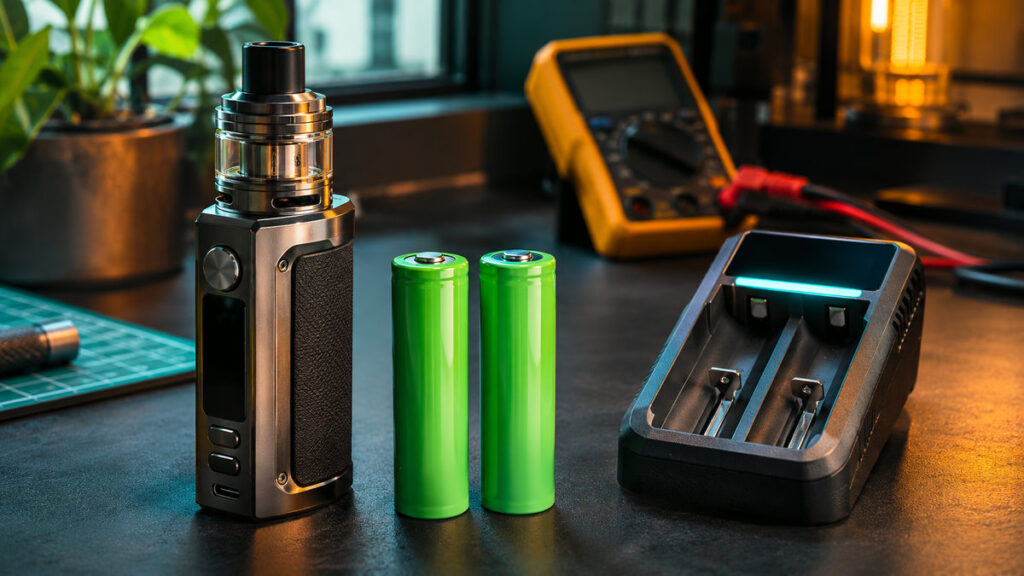
Use undamaged batteries, appropriate charging equipment, and compatible parts only. Never charge a device on bedding or close to flammable materials, and do not leave it unattended for long periods while charging. Stop using the device if it swells, overheats, hisses, leaks from the battery, or gives off an unusual smell.
A practical buying checklist
The best choice is the one that fits your daily routine, not necessarily the model with the longest feature list. Do you prefer a tight mouth-to-lung draw or a more open inhale? Once you know that, compare activation methods, realistic battery capacity, and pod volume. Make sure replacement pods and coils are readily available locally too.
- Vaping style: Choose airflow and coil options that support your preferred draw.
- Activation: Decide between draw activation, button activation, or both methods.
- Battery life: Match capacity with expected use and access to charging.
- Pod capacity: Balance portability against how often you want to refill.
- Coil availability: Confirm that compatible replacements are easy to obtain.
- E-liquid compatibility: Check recommended nicotine types, strengths, and PG/VG ratios.
- Operating cost: Compare pod, coil, and e-liquid expenses over several months.
- Safety features: Look for charging, timeout, temperature, and short-circuit protections.
- Product support: Favor reputable sellers, clear instructions, and traceable manufacturers.
- Local law: Verify age limits, product restrictions, and public-use rules before purchasing.
Steer clear of counterfeit products and unusually cheap batteries sold by unknown sellers. Authentic packaging should include model details, instructions, warnings, and manufacturer contact information. It is also worth checking for a warranty and clear replacement guidance. Attractive colors are no substitute for dependable support or readily available pods.
Conclusion
A pod vape system pairs a rechargeable battery with a compact pod cartridge. For adult users, it provides a simpler and more portable alternative to many advanced vape mods. Open systems put flexibility first, while closed systems focus on convenience. Pod mods add selected controls without moving away from the cartridge format.
Consistent performance comes down to compatible e-liquid, proper setup, and replacing pods or coils when needed. Regular cleaning and careful battery handling can also prevent many common issues. When nicotine is present, vaping is addictive, and it is not risk-free. Youth, non-smokers, and pregnant people should not use pod systems.
Before deciding, compare reputable pod systems against the beginner checklist. Read the manufacturer’s instructions before filling, charging, or replacing any part, and check local age limits and product regulations before purchasing. Above all, put compatibility, safety support, and realistic operating costs ahead of appearance.