Vape aerosol may look like harmless water vapour, but what are users—and the people around them—actually breathing? Is Vaping Harmful? What Australian Health Authorities Say matters because product labels and social claims can mask important risks. Australians may come across misleading nicotine-free packaging, unclear long-term effects, and conflicting advice about quitting. Still, current evidence provides several firm answers about chemicals, dependence, poisoning, and safer ways to get support.
1. Is Vaping Harmful? What Australian Health Authorities Say
The direct answer
Australian health authorities do not regard vaping as safe or harmless. Their advice is clear: people who do not smoke should not start, particularly teenagers and young adults. Vaping offers no health benefit to someone who has never smoked. Even occasional use can expose the lungs and bloodstream to nicotine and other chemicals.

Guidance from Australian authorities
The Australian Government Department of Health, Disability and Ageing warns that vapes contain harmful substances and can lead to nicotine addiction. Healthdirect also identifies vaping as harmful and directs users to professional quitting support. The National Health and Medical Research Council takes a similarly cautious position. Its guidance makes a crucial point: a lack of long-term data is not evidence of safety.
These authorities acknowledge that therapeutic vapes may have a limited role for some adults who smoke. Even then, professional guidance and other quitting treatments should be considered first. The aim of therapeutic use is to stop cigarette smoking and manage nicotine dependence. It does not make recreational vaping safe.
What vaping means
E-cigarettes are battery-powered devices that heat a liquid, often called e-liquid or vape juice. This liquid may contain nicotine, solvents, flavours, and other additives. Once heated, it forms an aerosol that users inhale into their lungs. Devices range from disposable products and refillable pods to vape pens and larger adjustable systems.
Aerosol is not water vapour
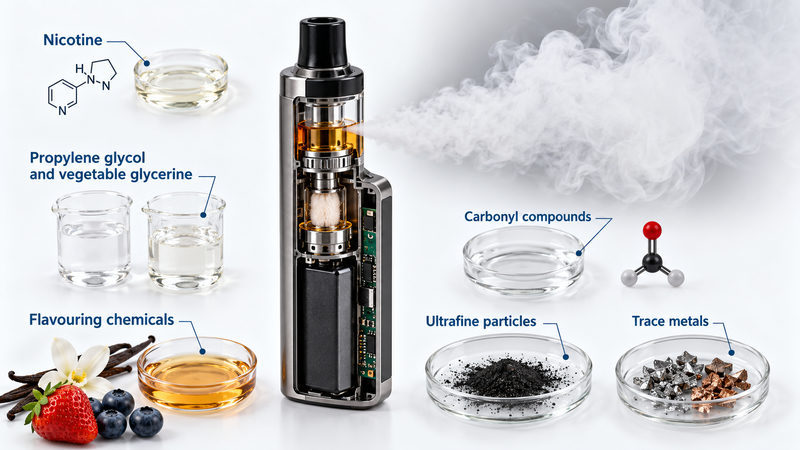
Water vapour is simply water in gaseous form. Vape aerosol is different: it is a complex chemical mixture that may contain nicotine, solvents, flavouring substances, metals, and ultrafine particles. Heating can also create compounds that were not present in the original liquid. When users exhale, nearby people may breathe in some of these substances too.
What researchers still do not know
Researchers have already identified several immediate harms, including irritation, nicotine dependence, and the risk of poisoning. What remains less certain is the full lifetime impact, because vaping has not been widespread for long enough to measure every outcome confidently. Cancer, cardiovascular disease, and chronic respiratory risks all need further study. But uncertainty about future disease rates should never be mistaken for proof of safety.
Social or occasional vaping is not harmless either. Just a few sessions may cause coughing, nausea, dizziness, or airway irritation. Intermittent nicotine use can also become frequent use surprisingly fast. Depending on the product strength and how someone inhales, a single session may deliver a substantial dose of nicotine.
2. What Is in a Vape and Its Aerosol?
E-liquid ingredients
Many e-liquids use propylene glycol and vegetable glycerine as their base solvents. Manufacturers may then add flavours, nicotine, cooling agents, sweeteners, and other substances. An ingredient may be considered suitable for eating, but that does not mean it is safe to inhale repeatedly. The lungs handle chemicals very differently from the digestive system.
Chemicals formed or released during heating
Under some conditions, heating e-liquid can produce carbonyl compounds such as formaldehyde, acetaldehyde, and acrolein. The aerosol may also carry volatile organic compounds and ultrafine particles. Metals—including nickel, chromium, lead, or tin—can enter it from parts of the device. Exposure levels vary considerably between products and according to how each device is used.
Why contents vary
Chemical exposure is shaped by the device design, coil condition, temperature, and liquid composition. Longer puffs and higher power settings can change aerosol production as well. An ageing or overheated coil may produce a particularly harsh mixture. So, even when two products have similar packaging, the exposure they create can be very different.
Product quality adds another unknown. Reliable manufacturing depends on accurate ingredients, clean equipment, and consistent nicotine concentrations. Illicit products may instead contain contaminants, undeclared substances, or badly assembled components. These hazards cannot be detected by smell, colour, or flavour alone.
The nicotine-free label problem
Laboratory tests have detected nicotine in some products sold as nicotine-free. Packaging, then, is not always a reliable guarantee—especially when the product is illegal. A person may begin experiencing cravings without realising they have been using nicotine repeatedly. Unexpected exposure is particularly concerning during pregnancy or when products are used around children.
Nicotine-free vape risks
Taking out nicotine does not turn vape aerosol into clean air. Nicotine-free liquids may still expose users to solvents, airway irritants, flavours, particles, and compounds created by heat. Laboratory testing has shown that some flavouring chemicals can irritate or damage cells. The exact health effect varies with the dose, frequency of use, and a person’s individual susceptibility.
Unregulated products bring further risks, including contamination, unknown ingredients, and inaccurate labelling. Inconsistent nicotine levels also make dependence or overdose harder to anticipate. That brightly packaged disposable could contain far more nicotine than the user expects. Legal supply controls offer no protection when a product comes from an unlawful retailer.
3. Short-Term Effects, Addiction and Nicotine Poisoning
Immediate vaping side effects
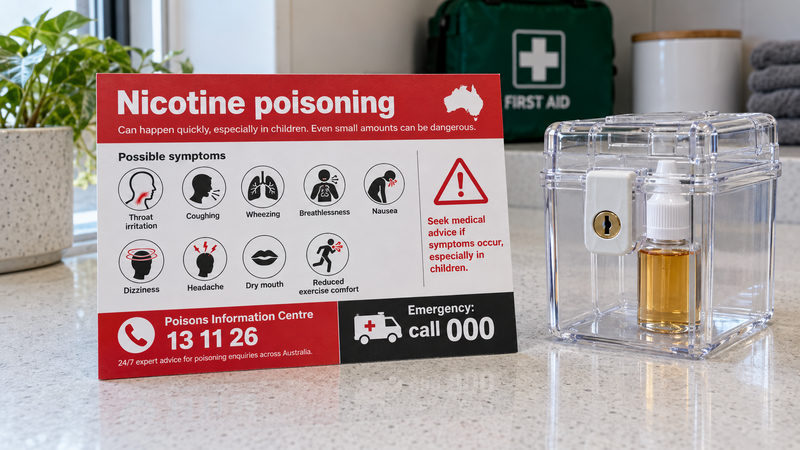
Common short-term effects include throat irritation, coughing, wheezing, dry mouth, and breathlessness. Some users experience nausea, dizziness, headaches, or chest discomfort too. Because vaping can irritate the airways, exercise may feel noticeably less comfortable. New or worsening symptoms need attention, particularly if they continue after vaping stops.
Effects on the cardiovascular system
Nicotine stimulates the nervous system, temporarily raising heart rate and blood pressure. It can also narrow blood vessels and make the body work harder. After heavy exposure, a person may notice palpitations, shakiness, or light-headedness. These effects can be especially concerning for anyone with a heart condition.
Signs of nicotine dependence
Dependence can take hold before someone thinks of themselves as a regular user. They might reach for a vape without thinking during stress, study, driving, or social events. Needing stronger products or taking more frequent puffs can signal growing tolerance. Vaping shortly after waking is another common sign of established dependence.
- Strong cravings or repeated thoughts about vaping
- Difficulty controlling when or how much someone uses
- Frequent, automatic, or secretive vaping
- Needing more nicotine to achieve the same effect
- Continuing despite coughing, anxiety, expense, or other unwanted effects
Nicotine withdrawal symptoms
Withdrawal may begin within hours of stopping regular nicotine use. Irritability, anxiety, restlessness, low mood, headaches, and strong cravings are all possible. Sleep may suffer, and concentrating can become difficult. The symptoms are unpleasant, but they generally grow easier to manage with time and the right support.
Recognising nicotine poisoning
Nicotine poisoning may occur when someone swallows vape liquid, absorbs it through the skin, or inhales too much nicotine. Early signs include nausea, vomiting, abdominal pain, sweating, dizziness, and tremor. Severe poisoning can lead to confusion, breathing difficulty, seizures, collapse, or an abnormal heart rate. Symptoms may develop fast. Do not wait for them to get worse.
What to do after suspected exposure
If someone swallows vape liquid, do not induce vomiting. Call the Australian Poisons Information Centre promptly on 13 11 26. For breathing difficulty, seizures, collapse, or any other severe symptoms, call Triple Zero on 000. Keep the product container close by and follow the call handler’s instructions.
Concentrated liquid nicotine is especially dangerous for babies and children. A dose that seems small can cause serious poisoning in a small body. Lock devices and refills away after every use. Keep all liquids away from skin, eyes, mouths, food containers, and drink bottles.
4. Possible Long-Term Effects of Vaping on the Body
Lungs and airways
Repeated exposure to vape aerosol can irritate and inflame lung tissue. Users may develop an ongoing cough, wheeze, phlegm, breathlessness, or worsening asthma symptoms. Research has also found measurable changes in the airways and immune responses. How severe these effects become depends on the product, pattern of exposure, health history, and individual response.
Some vaping-related lung conditions are serious enough to require hospital treatment. At the same time, claims that every user will suffer permanent damage go beyond the current evidence. Persistent chest pain, breathlessness, fever, or a worsening cough should be assessed by a clinician. Early assessment matters, since many respiratory conditions can cause similar symptoms.
Heart and circulation
Researchers are concerned about oxidative stress, inflammation, blood-vessel dysfunction, and nicotine’s effects on the cardiovascular system. Over time, these biological changes could contribute to heart and circulation problems. A precise lifetime risk for every pattern of vaping has not yet been calculated, though. Differences between devices, along with dual use, make those estimates difficult.
Cancer and cellular effects
Vape aerosol may contain carcinogens and other substances that can damage cells or genetic material. Exposure levels often differ from those found in cigarette smoke, but lower exposure is not the same as zero exposure. Cancer also tends to develop over many years or decades. Because widespread vaping is relatively recent, confident lifetime estimates are not yet possible.
The measured conclusion is still a serious one. Vaping exposes users to harmful substances and causes detectable biological effects. Researchers are continuing to investigate the exact rates of cancer and other chronic diseases. Incomplete disease estimates should not be treated as reassurance.
Mouth and dental health
Vaping may contribute to dry mouth, irritated gums, oral inflammation, and changes in mouth bacteria. A dry mouth means less saliva to provide its usual natural protection. Sweetened or flavoured liquids may also encourage frequent vaping and longer exposure inside the mouth. Bleeding gums, ulcers, dental discomfort, or persistent dryness are good reasons to seek professional advice.
Mental health, sleep and concentration
Nicotine intoxication, dependence, and withdrawal can all affect sleep, mood, and attention. Cravings may interrupt classes, work, exercise, or time with other people. Between vaping sessions, withdrawal can bring irritability, anxiety, low mood, and trouble concentrating. Using nicotine close to bedtime may also interfere with restful sleep.
The connection with mental health is complex, however, and does not show simple direct causation. Stress may encourage someone to vape, while nicotine dependence creates another source of stress. Effective support should address both the nicotine use and any underlying concerns. When symptoms persist, a GP or mental health professional can help.
How exposure patterns change risk
Daily vaping creates more cumulative exposure than rare use. High nicotine concentrations may deepen dependence and lead to repeated dosing throughout the day. Using vapes for months or years also extends the body’s exposure. And dual use? It adds vaping-related exposure while leaving the severe dangers of cigarettes in place.
5. Who Faces Greater Risks From Vaping?
Teenagers and young adults
Young people may become dependent on nicotine quickly, sometimes before they begin vaping every day. Their brains continue developing into early adulthood and remain sensitive to nicotine during this period. Nicotine may affect attention, learning, memory, mood, and impulse control. Dependence can also shift a young person’s money, time, and attention toward keeping a steady supply.
Parents and educators
Unfamiliar devices, sweet smells, frequent bathroom breaks, and a drop in concentration can be warning signs. Irritability, secrecy, coughing, or unexplained spending may raise concern as well. None of these signs proves that a young person is vaping, though. Begin with a calm conversation, not an accusation or punishment.
Try asking what the young person has noticed among friends and whether they feel under pressure to vape. Listen first, then talk about health risks and rules. Shame can push use further underground, so avoid it. Confidential support is available from a GP, pharmacist, school health worker, or youth service.
Pregnancy and breastfeeding
Vaping is not considered safe during pregnancy. Nicotine can cross the placenta and reach the developing baby. It can also pass into breast milk while someone is breastfeeding. Pregnant or breastfeeding people should speak with a qualified health professional about suitable quitting options.
Giving up nicotine can be hard, particularly when withdrawal and stress occur at the same time. Support can make the process more comfortable and improve the likelihood of success. A clinician can recommend evidence-based treatments that suit the person’s health needs. Products should not be switched, and medicines should not be changed, without appropriate advice.
Babies, children and other non-users
Accidental exposure to liquid nicotine is particularly dangerous for children. With colourful packaging and sweet smells, refills may look appealing to them. Every vape, pod, and refill should be locked away immediately after use. Never leave a device charging or unattended where a child can reach it.
Second-hand vape aerosol
People nearby may inhale nicotine, particles, solvents, and other chemicals from exhaled aerosol. This exposure is not the same as cigarette smoke, but neither is it harmless water. Avoid vaping around children, pregnant people, and anyone who does not use vapes. Smoke-free and vape-free rules should also be followed in public places, vehicles, homes, and workplaces.
People with existing health conditions
Someone with asthma or another respiratory illness may experience more coughing, wheezing, or breathlessness after vaping. People with cardiovascular disease may be particularly concerned about nicotine raising heart rate and blood pressure. Those who are sensitive to nicotine can also develop nausea, headaches, or palpitations at lower doses. Seek medical advice if vaping causes symptoms or makes an existing condition worse.
People who currently vape need practical help, not judgement. Dependence can affect anyone, and concealing it may delay treatment. Honest conversations give health professionals the information they need to tailor safe support. A setback while quitting is useful information—not proof that someone has failed.
6. Vaping Versus Smoking, Australian Rules and How to Quit
Is vaping safer than smoking?
Combustible cigarettes are extremely harmful because burning tobacco produces thousands of chemicals. A person who smokes may encounter fewer toxicants by vaping than by continuing to smoke cigarettes. That does not make vaping harmless or risk-free. For non-smokers, starting offers no health advantage at all.
Why dual use is not the goal
Using cigarettes and vapes side by side can keep nicotine dependence going. It also preserves exposure to harmful cigarette smoke, especially when smoking remains a regular habit. Even low levels of smoking carry substantial health risks. A quitting plan should aim to stop cigarettes completely, rather than alternating between products indefinitely.
Can vaping help someone quit smoking?
Therapeutic vaping may help some adults who smoke and have been unable to quit using other methods. Established treatments should be discussed with a GP or pharmacist first. These options include nicotine patches, gum, lozenges, sprays, and suitable prescription medicines. Whatever treatment is chosen, behavioural support can make it more effective.
If a therapeutic vape is included in the plan, the goals need to stay clear. Cigarette smoking should stop completely, with progress reviewed by a health professional. The plan should also provide an eventual route away from both vaping and nicotine. Unsupervised recreational products are no substitute for structured care.
Illegal consumer products and therapeutic vapes
Australian law draws a distinction between illegal retail or recreational supply and regulated therapeutic products. Consumer vapes cannot legally be sold by tobacconists, convenience stores, or vape shops. Therapeutic products are available only through participating pharmacies and under applicable requirements. Those pharmacy products must meet relevant standards, but they are still not risk-free.
Australian access and sales rules
In permitted jurisdictions, adults aged 18 or older may obtain qualifying therapeutic vapes from participating pharmacies without a prescription. Nicotine concentration must generally be no higher than 20 milligrams per millilitre. A pharmacist must confirm the person’s age, assess whether the product is suitable, and discuss alternatives. Flavour restrictions and monthly supply limits apply too.
People under 18 need a prescription, as does anyone seeking a higher nicotine concentration. Additional restrictions may apply under state and territory laws, and some pharmacies do not participate. Advertising and non-pharmacy supply are also tightly controlled. Because regulations can change, check current requirements through official Australian Government or Therapeutic Goods Administration information.
Building a quit-vaping plan
Start by choosing a realistic quit date and identifying the situations that prompt automatic vaping. Stress, boredom, alcohol, driving, study breaks, and friends who vape are common triggers. Then remove devices, chargers, pods, and refills from easy reach. Let supportive people know what would help when a difficult moment arrives.
- Keep water, sugar-free gum, or healthy snacks nearby
- Take a short walk when cravings rise
- Use slow breathing during stressful moments
- Change routines linked with vaping
- Plan a simple response when someone offers a vape
Managing nicotine withdrawal
Some people prefer to stop all at once, while others gradually lower their nicotine strength or vape less often. Either method should move toward a definite stopping point. Suitable nicotine-replacement treatment may help some users manage cravings. A GP or pharmacist can suggest an option based on age, health, level of dependence, and any other medicines being taken.
A craving often builds like a wave, then fades. When it hits, wait before acting, drink some water, breathe slowly, and switch activities. Keep track of difficult situations so the plan can be adjusted after each one. If you vape again, restart as soon as possible instead of giving up on the whole attempt.
Where Australians can get help
A GP or pharmacist can assess nicotine dependence and explain the available treatments. Aboriginal and Torres Strait Islander people may feel more comfortable contacting an Aboriginal Community Controlled Health Service or Aboriginal Quitline. Students can also turn to a school nurse, counsellor, GP, or youth health service. For planning tools and progress support, the My QuitBuddy app is another option.
Quitline offers confidential support on 13 7848, also written as 13 QUIT. Its trained counsellors can help people handle triggers, withdrawal, setbacks, and build a personalised plan. Anyone who smokes should make stopping cigarettes completely the first priority. Freedom from nicotine can follow when it is practical and clinically appropriate.
Conclusion
Vaping is not harmless water vapour, and Australian health authorities do not consider it safe. Users and bystanders may be exposed to nicotine, particles, metals, and other harmful substances. Vaping can also cause immediate symptoms, dependence, withdrawal, and dangerous nicotine poisoning. Possible longer-term effects on respiratory, cardiovascular, oral, and cellular health remain a serious concern.
Young people, pregnant people, children, and those with existing health conditions need particular protection. Vaping may be less harmful than continuing to smoke, but people who do not smoke should not start. Dual use is not a safe middle ground, and therapeutic vaping should involve professional guidance. The preferred approach is to stop cigarettes completely and, where practicable, eventually stop using nicotine.
If you smoke or vape, talk to a GP or pharmacist about a quitting plan tailored to you. Confidential help is also available from Quitline on 13 7848. If nicotine poisoning is suspected, call 13 11 26 promptly. For severe symptoms, seizures, collapse, or breathing difficulty, call Triple Zero on 000.