
A vape might look like any other retail product, but Australian law treats it quite differently. Therapeutic Vapes in Australia: What Are They? The answer comes down to their purpose, source, nicotine strength, and legal pathway. Anyone considering vaping to manage nicotine dependence needs to understand pharmacy access, health risks, and the available alternatives.
Australia permits vaping goods only for smoking cessation or nicotine-dependence management. Access rules, though, may vary between states and territories. This guide covers lawful products, pharmacy consultations, product limits, quitting treatments, travel rules, and practical safety measures.
1. Therapeutic Vapes in Australia: What Are They?
A therapeutic vape is a vaping product lawfully supplied for a recognised therapeutic purpose. That purpose must be quitting smoking or managing nicotine dependence. It is not a recreational product, a lifestyle accessory, or an ordinary consumer good.

Therapeutic vaping goods include nicotine liquids, reusable and disposable devices, pods, cartridges, and related components. Australia regulates them through its therapeutic-goods framework. These rules may apply even when a device contains no nicotine.
Who are therapeutic vapes intended for?
These products are meant for people who smoke or already vape and need help managing dependence. They are not for non-smokers who simply want to try nicotine. Pharmacy availability should never be taken as evidence that vaping is harmless, especially by young people.
Consider an adult who smokes 15 cigarettes a day. They have tried patches and gum but still struggle with strong cravings. After reviewing safer, established treatments and the person’s medical history, a health professional may discuss a therapeutic vape.
What does “therapeutic” actually mean?
The word therapeutic refers to the product’s intended legal purpose and regulated supply pathway. It does not mean every product has proven benefits for every person. Nor does it mean vaping is free of health risks.
Many therapeutic vapes remain unapproved therapeutic goods. Put simply, the Therapeutic Goods Administration has not individually evaluated them in the same way as registered medicines. Even so, their ingredients, packaging, and presentation must meet applicable standards before they can be lawfully supplied through a pharmacy.
A therapeutic vape should be used as part of a structured treatment plan. That plan needs to address cravings, cigarette cessation, follow-up, and the eventual reduction of nicotine. Merely changing where someone buys a vape does not turn it into effective treatment.
2. Legal Therapeutic Vapes Versus Illegal or Recreational Vapes
Lawful therapeutic vapes are supplied through participating Australian pharmacies for smoking cessation or dependence management. Ordinary retailers, by contrast, cannot legally sell recreational vapes. That restriction applies whether or not the product contains nicotine or carries a “nicotine-free” label.

Illegal supply often occurs through tobacconists, convenience stores, vape shops, social-media accounts, marketplaces, and unauthorised websites. Polished packaging and professional-looking labels do not make a product legal. Some illegal vapes may contain undeclared nicotine, unsuitable ingredients, or inconsistent concentrations.
Standards and product notifications
A pharmacy can only supply a product that meets the applicable regulatory pathway. In general, it must appear on the TGA notified vape list or the Australian Register of Therapeutic Goods. Which pathway applies depends on the product’s regulatory status.
Being listed on the notified vape list does not mean the TGA has approved the product. It means a sponsor has notified the TGA that the product meets applicable standards. The TGA has not necessarily assessed or guaranteed its safety, effectiveness, quality, or performance.
An unapproved therapeutic good has not undergone the full evaluation required for inclusion on the Australian Register of Therapeutic Goods. Many therapeutic vapes fit this description. Pharmacists and prescribers therefore rely on special legal pathways when supplying suitable products.
Retail, advertising, and possession restrictions
Australian law places tight controls on general retail sales, commercial importation, advertising, supply, and online sales of vaping goods. Calling a vape a wellness product does not allow a business to sidestep those rules. Sellers operating outside lawful pharmacy arrangements may face serious penalties.
- Ordinary retailers cannot legally sell therapeutic or recreational vapes.
- Commercial importers require appropriate permissions and must meet product standards.
- Advertising and promotion face strict national controls.
- Personal online importation cannot replace lawful pharmacy access.
- Commercial possession and unauthorised supply can attract enforcement action.
Possession rules are not necessarily the same in every state and territory. One jurisdiction, for example, may focus on unlawful commercial quantities, while another has extra controls on personal possession. Consumers should check the latest requirements published by their local health department.
Buying from a pharmacy does not eliminate every risk. It does, however, provide professional oversight and access to products covered by minimum standards. Illegal sellers cannot offer dependable clinical guidance or reliable information about ingredients and nicotine strength.
3. Pharmacy Access, Prescriptions, and Consultations
Eligible adults aged 18 or older may obtain lower-concentration therapeutic vapes without a prescription from participating pharmacies. Supply is not automatic. A pharmacist must first decide whether it is clinically appropriate, and the relevant state or territory must permit pharmacist-only supply.

The non-prescription pathway generally applies to products containing no more than 20 mg/mL of nicotine. Regulations can change, however. Before relying on older advice, consumers should confirm the current limit with a pharmacist or the TGA.
When is a prescription required?
Products containing more than 20 mg/mL generally require a prescription from an authorised medical or nurse practitioner. Some jurisdictions may also require prescriptions in situations where national rules permit pharmacist-only access. Therapeutic vapes containing more than 50 mg/mL are not permitted.
Anyone under 18 needs a prescription and must meet additional clinical and legal requirements. Some states or territories may prohibit supply to minors even when they have a prescription. Young people and their families should speak with a healthcare practitioner experienced in this area.
Pharmacists are not required to stock or supply therapeutic vapes. Limited availability does not oblige them to order a particular brand, either. A pharmacist may refuse supply if vaping appears unsafe, unsuitable, or inconsistent with therapeutic use.
What happens during a pharmacy consultation?
A pharmacist will usually begin by confirming the person’s identity and age. They may ask how many cigarettes the person smokes, how often they vape, and what nicotine strength they use. The conversation will also cover withdrawal symptoms, triggers, and previous attempts to quit.
Expect questions about health conditions, current medicines, allergies, pregnancy, and breastfeeding. Heart, lung, neurological, and mental health conditions can all influence treatment choices. Straightforward, honest answers help the pharmacist spot risks and recommend appropriate support.
A typical consultation may include:
- Age and identity verification.
- Smoking frequency and years of tobacco use.
- Current vaping patterns and nicotine concentration.
- Previous treatment attempts and withdrawal symptoms.
- Medical conditions, medicines, pregnancy, or breastfeeding.
- Treatment goals, dosage, duration, and follow-up arrangements.
The pharmacist should also explain established quitting treatments and behavioural support. They may cover device operation, dosing, side effects, and safe storage as well. Supply generally cannot exceed a reasonable one-month therapeutic amount within one month.
Suppose a customer asks for the maximum permitted quantity before going on holiday. After reviewing their actual daily needs, the pharmacist may decide to supply less. The deciding factor is clinical need, not the amount the customer would prefer to buy.
States and territories may impose extra conditions involving records, prescriptions, age, or supply. That is why experiences can vary between pharmacies and locations. If one pharmacy refuses, it does not necessarily follow that another can legally supply the requested product.
4. Product Rules: Nicotine Limits, Flavours, and Supply
Nicotine concentration affects whether a product requires pharmacist-only or prescription access. Adults may qualify for pharmacist-only products containing 20 mg/mL or less. Anything above that concentration requires a prescription and further clinical oversight.
Australian standards set a maximum nicotine concentration for therapeutic vaping substances. But a permitted strength is not automatically the right strength. A pharmacist or prescriber should recommend the lowest practical dose that manages withdrawal and helps the person stop smoking cigarettes.
Flavours and safety standards
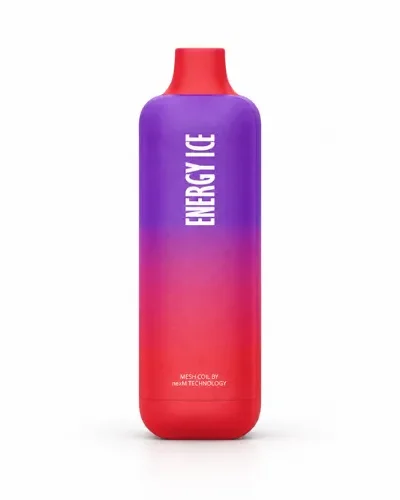
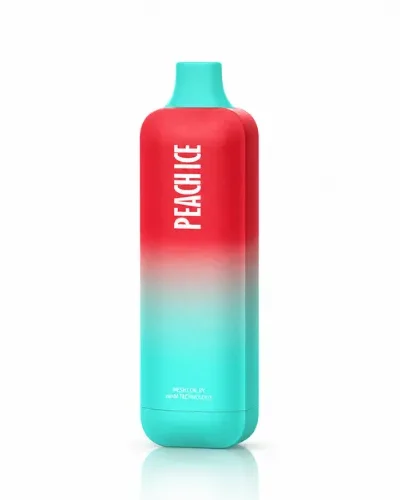
Therapeutic vape flavours are limited to tobacco, mint, and menthol. The restrictions are intended to make these products less appealing, particularly to young people. Because standards can change, readers should still check current flavour requirements with the TGA.
Applicable standards can address:
- Permitted and prohibited ingredients.
- Nicotine concentration and consistency.
- Child-resistant packaging and container design.
- Warning statements and product labels.
- Device construction and electrical safety features.
- Product names, appearance, and presentation.
These requirements are designed to reduce avoidable risks and misleading presentation. They do not make inhaled aerosol harmless. Nor can they remove uncertainty about long-term effects or guarantee that every device will perform consistently.
Where can lawful products be supplied?
Legal therapeutic vapes can only be supplied by participating Australian pharmacies. Lawful online pharmacy services may help where regulations and professional requirements allow it. Even then, a pharmacist must provide appropriate clinical oversight and meet all supply conditions.
Ordinary vape shops, tobacconists, convenience stores, and unauthorised online sellers cannot legally supply these products. Labels such as “medical grade” or “pharmacy strength” mean little outside a lawful pharmacy pathway. Products from uncertain sources are best avoided.
Pharmacist supply is subject to quantity limits. The amount generally should not exceed a reasonable one-month therapeutic requirement and can only be supplied once during that month. Depending on dosage, dependence, safety, and follow-up needs, the pharmacist may provide less than the maximum.
Zero-nicotine vapes are still regulated as vaping goods. A retailer cannot get around supply restrictions simply by putting “0% nicotine” on the label. This rule also helps deal with inaccurate labelling and products that contain undeclared nicotine.
5. Health Risks, Side Effects, and Safer Use
Therapeutic vapes are not risk-free, and nicotine is addictive. Frequent use may maintain or deepen that dependence. Because a vape has no natural stopping point like the end of a cigarette, some people find themselves using it more often.
Common side effects include coughing, throat irritation, dry mouth, headache, dizziness, nausea, and disturbed sleep. Nicotine can also raise the heart rate and cause an unpleasant jittery feeling. Over time, excessive intake may intensify cravings by reinforcing dependence.
Serious and uncertain risks
More serious risks include nicotine poisoning, seizures, inhalation toxicity, burns, battery failures, and lung injury. Spilled or swallowed liquid can harm children and pets. Even a small bottle needs careful handling and secure storage.
We still do not know the full long-term effects of repeatedly inhaling vape aerosols. The aerosol may contain fine particles, flavouring chemicals, metals, and products created by thermal breakdown. Risk can also change with the ingredients, temperature, condition of the device, and the way it is used.
Nicotine is a particular concern for young people because it can reinforce dependence while the brain is developing. Pregnant or breastfeeding people should get individual medical advice before using any nicotine product. Non-smokers should not start vaping.
Professional advice is also important for people with cardiovascular, respiratory, neurological, or other relevant conditions. Nicotine may, for example, worsen palpitations or work against a person’s treatment goals. A history of seizures or severe lung disease calls for careful clinical assessment.
Why dual use matters
Smoking and vaping at the same time can leave much of the smoking-related risk in place. Even a few cigarettes each day expose the body to toxic chemicals and the products of combustion. The first treatment goal should therefore be to stop smoking cigarettes completely.
Replacing five out of 15 daily cigarettes with vaping may cut the number smoked. It is not the same as quitting. Follow-up should establish a clear route to zero cigarettes before addressing continued vaping.
Practical safety precautions
- Follow the pharmacist’s or prescriber’s dosing instructions.
- Never modify devices, coils, liquids, or safety features.
- Avoid illicit, homemade, or unlabelled vaping liquids.
- Keep nicotine locked away from children and pets.
- Store products in their original child-resistant packaging.
- Use the correct charger and inspect batteries for damage.
- Keep devices away from heat, water, and flammable materials.
- Report unexpected effects or product defects promptly.
Get urgent help for suspected poisoning, severe breathing difficulty, seizures, collapse, or serious burns. In Australia, contact the Poisons Information Centre on 13 11 26 for poisoning advice. If symptoms are severe or life-threatening, call emergency services on 000.
6. Do Therapeutic Vapes Help People Quit?
Nicotine vapes may help some adults stop smoking, especially when other methods have failed. Still, no product guarantees success. Results depend on nicotine dependence, correct use, behavioural support, motivation, and a well-defined treatment plan.
Australian health guidance generally does not position therapeutic vapes as the preferred first choice for everyone. People will usually be encouraged to consider approved treatments with stronger safety oversight first. If those approaches are unsuitable or unsuccessful, a clinician may then discuss vaping.
Established quitting treatments
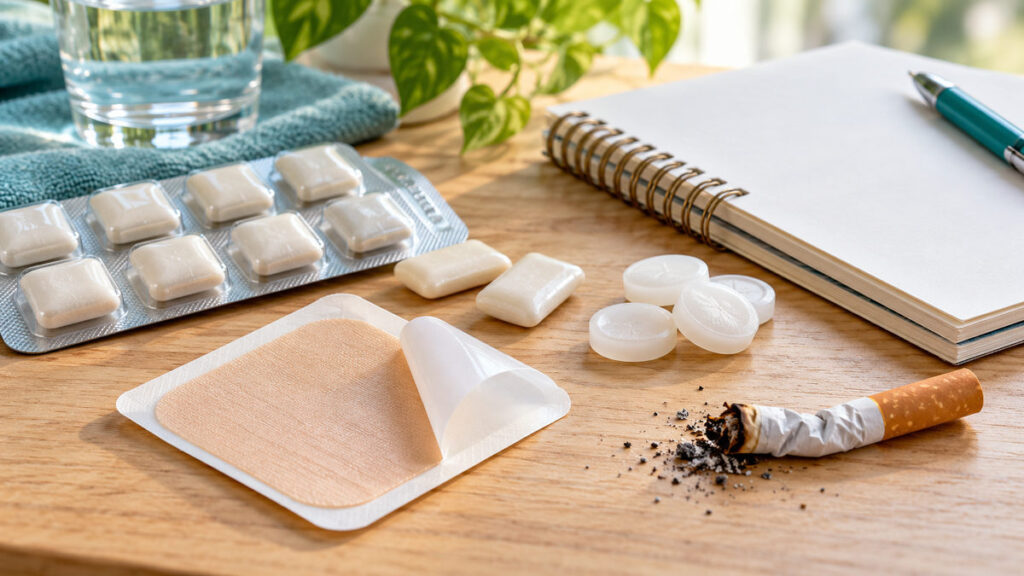
Nicotine replacement therapy provides nicotine without cigarette smoke. Available options include patches, gum, lozenges, inhalators, tablets, and oral sprays. Using a steady-release patch with a faster-acting product may help with both background withdrawal and sudden cravings.
Behavioural support gives a quit attempt more structure. Counselling, for example, can help someone recognise triggers, prepare responses, and plan for lapses. Practical support is available from Quitline, pharmacists, doctors, and other trained practitioners.
Prescription cessation medicines may be another option for suitable adults. They include medicines such as varenicline and bupropion. A prescriber must assess the possible benefits, contraindications, interactions, and side effects for each individual.
People who want to stop vaping can also use behavioural support alongside a personalised nicotine-reduction plan. Some may use approved nicotine replacement therapy to ease withdrawal. Depending on the person, the plan might reduce nicotine concentration, vaping frequency, or both.
Comparison of treatment and supply options
| Option | Legal access | Evidence and nicotine delivery | Main risks and oversight | Appropriate users |
|---|---|---|---|---|
| Therapeutic vapes | Participating pharmacies, with pharmacist assessment or prescription | May help some adults; nicotine reaches the body through inhaled aerosol | Addiction, side effects, uncertain long-term harm, and product limitations; professional oversight applies | People who smoke or vape when clinically appropriate, often after considering first-line options |
| Illegal vapes | No lawful general retail pathway | Unreliable ingredients and nicotine delivery; not a recognised treatment pathway | Unknown contents, poisoning, dependence, device failures, and no dependable oversight | No one seeking safe or lawful treatment |
| Nicotine replacement therapy | Many products are available from pharmacies or supermarkets; some require prescriptions for subsidy | Established evidence; nicotine enters through skin or mouth rather than inhaled aerosol | Usually manageable side effects; pharmacist or clinician advice can improve use | Many adults quitting smoking or managing nicotine withdrawal |
| Prescription cessation medicines | Prescription from an authorised practitioner | Established evidence for smoking cessation; these medicines do not replace cigarettes with inhaled nicotine | Contraindications, interactions, and side effects require clinical assessment | People whose medical history and treatment goals support their use |
The right choice will depend on the person’s health history, previous attempts, cost, preferences, and level of nicotine dependence. Treatment can be flexible, but its endpoint should stay clear: stop smoking cigarettes and, eventually, become vape-free.
7. Importing, Travelling, and Planning to Stop Vaping
Personal online ordering and importation of vapes are heavily restricted. Overseas websites are not a substitute for lawful pharmacy supply. Having a prescription does not automatically permit personal importation by post.
Commercial importers need the correct permissions and must comply with Australian standards. Border authorities can intercept prohibited vaping goods. Depending on the circumstances, buyers may lose the products and face further action.
The traveller’s exemption
A limited traveller’s exemption may apply to vaping goods carried in accompanied baggage for treatment. Current limits can include two vapes, 20 cartridges, capsules, or pods, and 200 mL of liquid. Travellers should verify these quantities before every trip, as the rules may change.
The rules may treat devices, accessories, liquids, and products containing other controlled substances differently. The exemption also does not give anyone broad permission to sell or distribute imported goods. It only covers treatment-related goods carried under strict conditions.
Travellers should leave products in their original packaging and carry any relevant prescriptions or pharmacy documents. Border rules may not always require these papers, but they can help demonstrate lawful therapeutic use. Once inside Australia, state and territory possession laws may still apply.
- Check Australian Border Force guidance before departure.
- Review airline rules for lithium batteries and cabin baggage.
- Check laws in the destination country.
- Review restrictions in every transit country.
- Confirm current device, accessory, and liquid limits.
- Never place loose batteries where metal objects can contact them.
Some countries apply severe penalties for vape possession. Airlines may also ban battery-powered devices from checked baggage. Relying on an old forum post can quickly create both legal and safety problems.
Build an exit plan from smoking and vaping
The first priority of a treatment plan should be complete cigarette cessation. It should then prevent long-term dual use and help stabilise nicotine intake. Once things are stable, the person can reduce nicotine strength, vaping frequency, or both when clinically appropriate.
Follow-up might take place after two weeks, one month, and three months. At each appointment, the clinician can review cravings, cigarette use, side effects, and use of the device. This gives them a chance to adjust treatment before small issues derail the quit attempt.
The long-term aim should be to stop vaping, not to continue using nicotine indefinitely without review. The pace, however, needs to account for withdrawal, relapse risk, and personal circumstances. Some people do better with a gradual reduction; others prefer a firm stop date.
For up-to-date information, check the TGA, Australian Government Department of Health, Australian Border Force, and the relevant state or territory health department. Participating pharmacists, healthcare practitioners, and Quitline can offer treatment support. They can also help confirm changing rules on possession, supply, and importation.
This guide offers general medical and legal information rather than individual advice. Regulations, product standards, and clinical recommendations can change. Always seek guidance suited to your health, location, and personal circumstances.
Conclusion
Therapeutic vapes are regulated products designed for smoking cessation or nicotine-dependence management. They are not harmless, appropriate for everyone, or equivalent to TGA-approved medicines. Many are still unapproved therapeutic goods supplied under special legal pathways.
Lawful access is through participating pharmacies, with prescriptions needed in certain circumstances. Effective treatment also calls for professional guidance, risk reduction, regular review, and a plan to prevent long-term dual use. The end goal remains the same: freedom from both smoking and vaping.
Talk to a participating pharmacist, healthcare practitioner, or Quitline about the options available to you. For confidential quitting support, call Quitline on 13 7848. You should also confirm the latest rules with the relevant authorities in your state or territory.