
Within seconds of being inhaled, nicotine reaches the brain and changes how you feel. So, what does nicotine do to your body? It may briefly increase pleasure and alertness, but it also raises your heart rate and blood pressure. These fast effects can intensify cravings and make repeated use more likely.
People get nicotine from cigarettes, cigars, vapes, pouches, smokeless tobacco, and quitting aids. The risks differ because each product contains different ingredients and delivers nicotine at a different speed. Tobacco smoke, for example, adds carbon monoxide, fine particles, and many toxic chemicals that nicotine replacement products do not.
This guide distinguishes nicotine’s direct effects from the broader dangers of the products that deliver it. It also covers dependence, withdrawal, poisoning, pregnancy risks, adolescent development, and safer ways to quit.
1. What Does Nicotine Do to Your Body?
How nicotine enters your system
Nicotine is a stimulant and a highly addictive chemical that occurs naturally in tobacco plants. It is also used in e-cigarettes, nicotine pouches, and nicotine replacement products. Common sources include cigarettes, cigars, chewing tobacco, snuff, patches, gum, and lozenges.
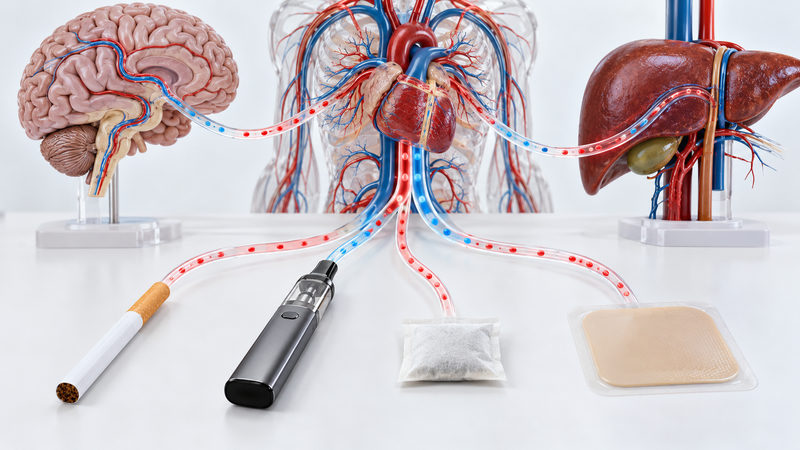
Your body can absorb nicotine through the lungs, mouth, digestive tract, or skin. Once absorbed, it travels through the bloodstream to the brain, heart, liver, and other organs. Inhaled nicotine moves especially fast, reaching the brain within seconds and producing a noticeable effect.
Gum, lozenges, pouches, and swallowed nicotine tend to work more gradually. Transdermal patches release nicotine through the skin over several hours. Because delivery is slower, these products generally produce fewer sharp peaks than cigarettes or many vaping devices.
Why the effects vary
Nicotine affects everyone differently. Dose, delivery speed, frequency, age, health, and previous exposure all shape the response. Other chemicals in the product may also cause effects that nicotine alone would not.
Someone with no nicotine tolerance, for example, may become dizzy after several vape puffs. A frequent user might notice little more than temporary relief from a craving. That weaker response does not mean nicotine can no longer affect or harm the body.
The liver breaks down most nicotine, mainly through an enzyme called CYP2A6. This process converts nicotine into cotinine and other substances, which the kidneys then remove. Cotinine stays detectable for longer, so researchers often measure it to assess nicotine exposure.
Genes, pregnancy, medications, and liver function can all affect how quickly the body processes nicotine. Two people using similar amounts may therefore develop very different blood levels and cravings. Product labels do not tell the whole story either, since the body may absorb only some of the nicotine listed.
2. How Nicotine Affects the Brain, Dopamine, and Addiction
Brain signaling and temporary effects
Nicotine resembles acetylcholine, a chemical messenger involved in attention, movement, learning, and many automatic body functions. It attaches to nicotinic acetylcholine receptors throughout the brain and nervous system. This changes neuronal activity and prompts the release of several other chemical messengers.
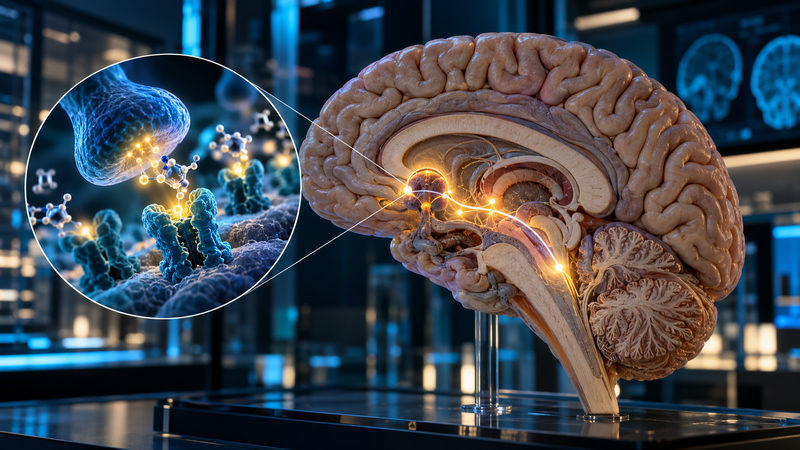
Among them are dopamine, norepinephrine, acetylcholine, glutamate, and gamma-aminobutyric acid. Dopamine plays a role in reward and motivation, while norepinephrine can heighten alertness and arousal. That is why nicotine may briefly produce pleasure, sharper attention, or better concentration.
Those short-lived effects do not make nicotine a safe cognitive enhancer. For someone who is dependent, relief from withdrawal can feel like improved performance. Put simply, nicotine may seem helpful because it temporarily reverses the poor concentration caused by nicotine deprivation.
How dependence develops
When nicotine reaches the brain quickly, the link between the behavior and its reward becomes strong. Someone may begin to associate smoking with morning coffee, driving, social breaks, or stressful conversations. Eventually, those situations alone can trigger cravings—before nicotine has even entered the body.
Repeated exposure also changes nicotine receptors and reward pathways. As the brain adapts, the same dose may have less impact. Users may then take larger doses, use nicotine more often, or turn to products that deliver it faster.
Tolerance and physical dependence are connected, but they are not the same. Tolerance means a dose produces a weaker response. Dependence means the brain functions differently when nicotine is absent. Addiction also involves continued use despite harm, trouble stopping, and powerful cravings tied to particular behaviors.
Cigarettes are not required for dependence to develop. High-nicotine vapes and pouches can provide repeated doses all day. Because discreet products are easy to use in more places, they may also encourage more frequent use.
Stress, mood, and sleep
Many users say nicotine eases stress or anxiety. Yet it activates the body’s arousal systems and can intensify physical signs of stress. Often, the sense of calm is simply temporary relief from the irritability and tension of withdrawal.
On a difficult day, that cycle can be persuasive. Nicotine briefly relieves discomfort, its level drops, and the next craving begins. Repeated dosing may therefore sustain the very tension that users believe nicotine is treating.
Nicotine can delay sleep and leave it lighter or more fragmented. Using it in the evening may keep the brain alert when it should be winding down. Dependent users may also face nighttime withdrawal, wake early, or experience strong cravings first thing in the morning.
Why younger brains face greater risks
The brain continues developing into the mid-20s, particularly in areas responsible for planning and impulse control. Because adolescent reward and learning systems remain highly adaptable, dependence can develop quickly. Starting nicotine early may also establish habits that continue well into adulthood.
Young users may experience changes in attention, mood symptoms, and learning difficulties. Still, it can be hard to separate nicotine’s role from factors such as stress, poor sleep, and other substance use. What is clear is that no nicotine product is considered safe for children, adolescents, or young adults.
3. Short-Term and Long-Term Nicotine Effects on Major Body Systems
Immediate effects
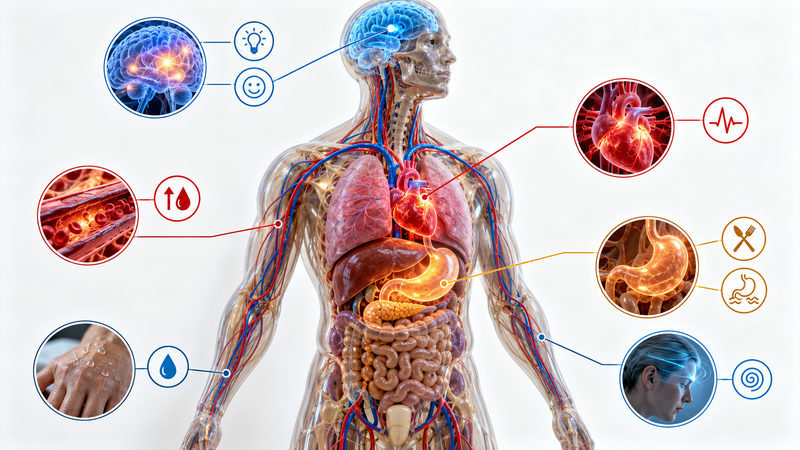
Nicotine can cause noticeable changes soon after use. The response depends on the dose, a person’s tolerance, how quickly nicotine is delivered, and whether they have recently eaten. Common short-term effects include:
- Increased alertness and temporary pleasure
- Faster heart rate and higher blood pressure
- Reduced appetite or a dry mouth
- Nausea, dizziness, headache, or sweating
- Restlessness, tremor, or an unsettled stomach
At low doses, nicotine usually stimulates the nervous system, though higher doses may have more complicated effects. It activates the sympathetic nervous system and triggers adrenaline release. Blood vessels narrow, the heart beats faster, and its workload increases.
The heart and blood vessels
Narrowed blood vessels can limit blood flow to certain tissues while increasing the heart’s need for oxygen. This is especially concerning for people with heart disease, uncontrolled hypertension, or blood-vessel disorders. Repeated exposure may also contribute to endothelial dysfunction and continued cardiovascular strain.
Nicotine, however, is only part of the cardiovascular danger posed by smoking. Cigarette smoke contains carbon monoxide, oxidizing chemicals, fine particles, and numerous toxic substances. Together, they damage blood vessels, promote inflammation, and make it harder for the blood to carry oxygen.
Cigarettes therefore cause much broader cardiovascular harm than approved nicotine replacement products. People with significant heart conditions should still discuss nicotine treatment with a healthcare professional. A clinician can weigh current symptoms and medications against the risks of continued smoking.
Lungs, digestion, and healing
Nicotine itself does not produce tar, smoke, or combustion-related lung damage. Smoking and vaping, however, carry inhaled mixtures directly into fragile lung tissue. These aerosols may contain irritants, ultrafine particles, metals, flavoring chemicals, and other harmful substances.
Nicotine may suppress appetite and change digestive activity. Some people develop nausea, abdominal discomfort, more frequent bowel movements, or worsening acid reflux. It can also affect blood sugar regulation, an important concern for anyone with diabetes or a metabolic condition.
By narrowing blood vessels, nicotine may reduce the blood flow that tissues need to repair themselves. This can complicate wound healing, especially after surgery or a serious injury. Nicotine may also alter immune and inflammatory responses, though other chemicals in the product can have additional effects.
Long-term outcomes differ widely. Age, pregnancy, existing health conditions, dose, product type, and duration of exposure all play a part. You cannot judge risk from the word “nicotine” alone; how it enters the body matters too.
4. Is Nicotine Harmful? Comparing Cigarettes, Vapes, Pouches, and NRT
Nicotine versus tobacco smoke
Nicotine is biologically active, addictive, and unsuitable for many people. It is not, however, the main cause of smoking-related cancers. Burning tobacco produces or concentrates many carcinogens and toxic chemicals that account for much of the disease linked to smoking.
Nicotine may affect cell signaling, blood vessels, inflammation, and other biological processes connected to disease. Even so, current evidence does not identify it as the principal carcinogen behind tobacco-related cancer. Distinguishing nicotine from smoke helps explain why the risk can vary so much between products.
Cigarettes, cigars, and smokeless tobacco
Cigarettes rank among the most dangerous products because they burn tobacco and create inhalable smoke. That smoke carries tar, carbon monoxide, fine particles, and many cancer-causing chemicals. Daily inhalation repeatedly exposes the lungs, heart, blood vessels, and other organs.
Cigars also generate toxic smoke, even if the user does not deliberately inhale deeply. The smoke still reaches the lips, mouth, throat, and surrounding air. As a result, cigars can contribute to cancer, cardiovascular disease, lung disease, and nicotine dependence.
Smokeless tobacco avoids burning, but it is still dangerous. Chewing tobacco and snuff expose users to carcinogens and can damage the gums and other oral tissues. Some products also supply enough nicotine to create or sustain a strong dependence.
Vapes and nicotine pouches
E-cigarettes heat liquid instead of burning tobacco. Their aerosol is therefore different from cigarette smoke and generally contains fewer combustion products. Users may still inhale nicotine, ultrafine particles, flavoring chemicals, metals, and other aerosol constituents.
Risk varies with the device, liquid, power setting, and the way someone uses the product. A high-strength liquid used repeatedly, for instance, may deliver a substantial amount of nicotine. Long-term outcomes also remain uncertain, so “different from smoking” should never be mistaken for harmless.
Many nicotine pouches contain nicotine but no tobacco leaf, and they create no smoke. They can still lead to dependence, mouth irritation, nausea, hiccups, and high-dose exposure. With limited long-term evidence, researchers cannot yet draw firm conclusions about every oral or systemic effect.
Nicotine replacement products
Approved patches, gum, and lozenges deliver controlled amounts of nicotine without smoke or burning tobacco. A patch provides a steady dose, while gum and lozenges help with sudden cravings. These products are generally far safer than continuing to smoke.
Some people worry that nicotine replacement simply trades one addiction for another. In practice, these products usually deliver nicotine more slowly, producing fewer of the rapid reward peaks that reinforce use. Planned dosing also reduces withdrawal while users work on changing their smoking routines.
Safer does not mean completely risk-free. Possible side effects include skin irritation, vivid dreams, mouth discomfort, nausea, and hiccups. Users should follow the dosing instructions and seek professional advice if pregnancy or a health condition makes treatment more complicated.
When someone replaces cigarettes with a lower-risk product, switching completely matters. Long-term dual use can preserve exposure to smoke while keeping nicotine dependence in place. Quitting combusted tobacco offers the largest immediate reduction in tobacco-related harm.
5. Nicotine Risks During Pregnancy, Breastfeeding, and Adolescence
Pregnancy and breastfeeding
Nicotine crosses the placenta and reaches the developing fetus. This raises concerns about fetal brain and lung development, impaired growth, and pregnancy complications. Smoking adds carbon monoxide and many other toxins, creating dangers beyond nicotine itself.
Quitting smoking benefits pregnancy at any stage. Still, severe withdrawal and repeated unsuccessful attempts can complicate treatment decisions. Pregnant people should discuss behavioral support and cessation medicines with a qualified healthcare professional.
A supervised plan balances the risks of continued smoking against the benefits and limitations of each treatment. In some situations, a clinician may recommend a carefully managed cessation aid. Pregnancy is not the time to switch between high-dose nicotine products without professional guidance.
Nicotine can enter breast milk and expose a nursing infant. The amount of exposure may depend on timing, dose, delivery method, and feeding patterns. Decisions about breastfeeding and quitting treatments therefore call for personalized advice from a qualified professional.
Adolescence and accidental exposure
Adolescents and young adults may develop dependence more easily while their brains are still maturing. Nicotine can reinforce lasting routines linked to stress, social situations, gaming, studying, or driving. Young users may also experience attention changes, mood symptoms, sleep problems, and effects related to learning.
Prevention starts with safe storage at home. Keep e-liquids, pouches, gum, and lozenges locked in child-resistant containers. Every nicotine product should also be stored away from food and kept beyond the reach of children and pets.
Do not assume attractive packaging will keep a child away. Flavored liquid, gum, or pouches can easily look like an ordinary treat. Adults should replace damaged containers and clean up leaks right away while protecting their skin.
6. Nicotine Poisoning, Withdrawal, and Evidence-Based Ways to Quit
Recognizing nicotine poisoning
Nicotine poisoning may occur when someone swallows, inhales, absorbs, or simply uses too much nicotine. Symptoms can begin quickly and sometimes become severe. Common warning signs include:
- Nausea, vomiting, or abdominal pain
- Excess saliva, sweating, headache, or dizziness
- Agitation, restlessness, or tremor
- A rapid heart rate or changing blood pressure
Severe poisoning can interfere with the nervous system, muscles, breathing, and circulation. Warning signs include confusion, extreme weakness, difficulty breathing, seizures, or loss of consciousness. Heart rate and blood pressure may climb sharply or drop to dangerous levels.
Swallowed liquid nicotine and leaking refill containers pose particularly serious risks. Concentrated products, excessive doses, damaged pouches, and large skin exposures are also cause for concern. Even a small amount can endanger a young child because of their lower body weight.
Call local emergency services or a poison control center immediately if severe symptoms appear or a child may have been exposed. Get help after any potentially dangerous amount, even before symptoms begin. Do not induce vomiting unless a qualified professional specifically tells you to do so.
What withdrawal feels like
Cravings and withdrawal can begin within hours of the last nicotine dose. Symptoms often peak during the first several days and gradually ease over the following weeks. Learned triggers, however, may reappear months later during stress, social events, or familiar routines.
Common withdrawal symptoms include:
- Strong cravings and persistent thoughts about nicotine
- Irritability, anxiety, restlessness, or low mood
- Poor concentration and reduced patience
- Sleep disruption or unusual dreams
- Increased appetite, headaches, or constipation
Withdrawal is uncomfortable, but it usually signals recovery from dependence rather than physical damage. Once someone quits, nicotine no longer stimulates the heart and blood vessels. Each nicotine-free day also loosens the old connections between dosing and particular places, feelings, or routines.
Evidence-based ways to quit
A useful quit plan pairs behavioral support with appropriate medication. Counseling can help users recognize triggers, solve problems, and recover from slips. Quitlines, text programs, digital tools, and support groups can add structure between appointments.
In many locations, nicotine replacement therapy includes patches, gum, and lozenges. A steady patch helps control baseline withdrawal, while a faster-acting product can handle sudden cravings. Users should follow local instructions and ask a pharmacist how to combine products safely.
Prescription medicines guided by a clinician may also curb cravings or make nicotine feel less rewarding. The right choice depends on medical history, pregnancy status, symptoms, current medications, and local availability. A qualified professional should select and monitor these treatments.
Before the quit date, write down likely triggers and decide how to respond to each one. A smoking break, for example, could become a short walk, a glass of water, or a few minutes of paced breathing. Remove nicotine supplies, tell supportive people about the plan, and arrange follow-up during the difficult first weeks.
One slip does not wipe out earlier progress. Look at what happened, learn from it, and adjust the plan before the next trigger arrives. That way, one cigarette or pouch becomes useful information instead of an automatic return to daily use.
This information is intended for general education and cannot replace an individualized medical diagnosis or treatment. Seek professional care for personal advice, persistent symptoms, medication decisions, or concerns about nicotine exposure.
Conclusion
Nicotine quickly changes brain signaling, cardiovascular activity, appetite, mood, and alertness. With repeated exposure, tolerance, dependence, cravings, and withdrawal can develop. The dose and speed of delivery strongly affect how noticeable—and how reinforcing—those effects are.
The product itself shapes the broader health risk. Combustible tobacco does the most harm because it adds smoke, carbon monoxide, particles, and carcinogens. Approved nicotine replacement products avoid that toxic smoke and can support a structured attempt to quit.
Pregnancy, adolescence, poisoning risk, and existing cardiovascular conditions all call for extra caution. Store every nicotine product securely, and get urgent help if poisoning is suspected. If you are ready to quit, a healthcare professional or pharmacist can help build a plan using behavioral support and evidence-based medication.