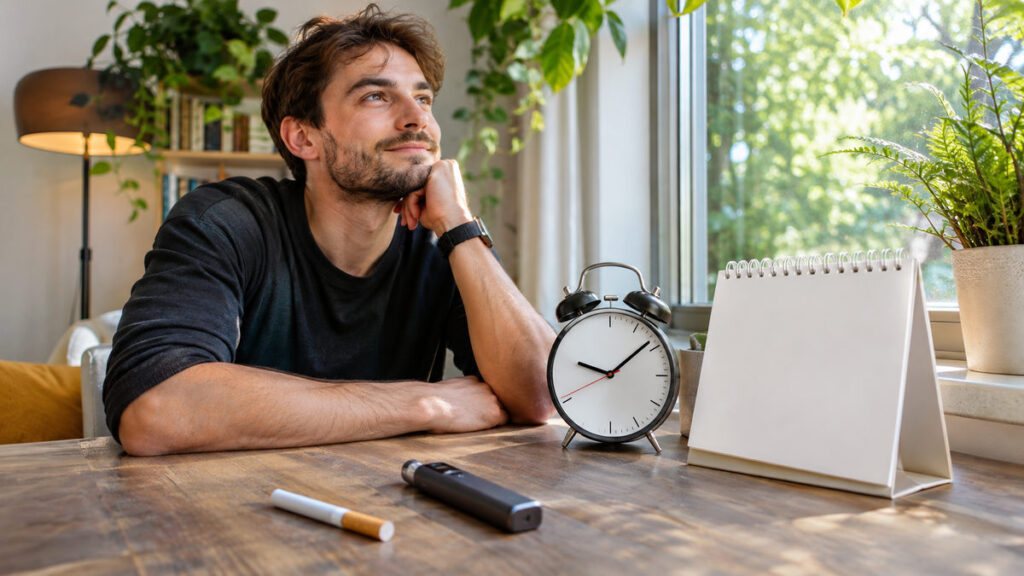

Your vape may be the first thing you reach for each morning, even before your feet hit the floor. Stress, coffee, driving, and socialising can make the action feel automatic. Learning how to quit vaping in Australia begins with recognising that dependence can be treated. You can break the cycle, even if earlier attempts lasted only a few hours.
Quitting can be tough because of nicotine withdrawal, familiar routines, and social pressure. Confusing product labels may also make it hard to know how much nicotine you are using. A practical plan gives you a clear response to cravings, stressful moments, and unexpected setbacks. Australian health professionals and free support services can guide you along the way.
1. Why Vaping Is Difficult to Stop—and Why Quitting Matters
Nicotine reaches the brain quickly, activating pathways connected to reward, attention, and stress. After repeated exposure, the brain begins to expect regular doses throughout the day. Delay a vape, and you may feel irritable, restless, or unable to concentrate. That is nicotine dependence at work—not weak character or a lack of willpower.

Vaping also builds strong behavioural habits. You might vape while driving, studying, drinking coffee, or waiting for friends. Over time, the brain links each of these situations to a nicotine reward. An everyday cue can then trigger a powerful urge before you have even thought about vaping.
Working out how much nicotine you consume is surprisingly difficult. The amount delivered varies with the liquid concentration, device power, puff length, and user technique. Some people have several deep sessions, while others take small puffs almost continuously. Labels can also be incomplete or unreliable, especially on products obtained outside legal Australian pharmacy channels.
Take two people who each finish one device a week. One has short puffs after meals; the other uses it from morning until bedtime. Their nicotine exposure and level of dependence could be very different. That is why a clinician will ask about timing, cravings, overnight use, and previous withdrawal rather than looking only at device counts.
Quitting matters because vaping can affect your lungs, heart, mood, finances, and day-to-day freedom. More than anything, stopping breaks the constant cycle of nicotine peaks and withdrawal. It also reduces aerosol exposure for those around you. With every vape-free day, the link between familiar situations and nicotine grows weaker.
2. How to Quit Vaping in Australia: Build Your Quit Plan
Choose a clear and realistic starting point
Your plan should reflect your routines, level of dependence, health, and available support. Begin by setting a vape-free date within the next two weeks. That gives you enough time to prepare without leaving room for endless delays. Try not to choose a day when you already expect unusual stress.

Then write down three personal reasons for quitting. Perhaps you want to breathe more easily, concentrate better, save money, or stop carrying a device everywhere. Make those reasons concrete and keep them visible. “Save $40 weekly for a holiday” is often more motivating than simply writing “spend less.”
For three ordinary days before you quit, track when and why you vape. Note the time, setting, emotion, strength of the craving, and what happened just beforehand. This brief exercise often reveals patterns that device counts overlook. You may find that boredom, alcohol, certain friends, or work breaks account for most of your use.
Prepare your environment and support team
Before your quit date, clear out devices, liquids, chargers, and any hidden backups. Clean your car, desk, bag, and bedroom as well, removing visible reminders. Tell supportive people exactly how they can help. One friend might take your evening calls, while another agrees never to offer you a vape.
Give yourself a replacement response for every major trigger. Take gum on your commute, for example, walk after lunch, and hold sparkling water at social events. It also helps to prepare a short reply for anyone who offers you a vape. “No thanks, I have quit” is simple and avoids a long discussion.
- Morning trigger: Shower immediately, change your drink, and keep your hands occupied.
- Stress trigger: Take ten slow breaths, leave the setting briefly, and contact support.
- Social trigger: Meet in vape-free places and ask friends not to offer devices.
- Boredom trigger: Prepare a five-minute activity, such as walking, stretching, or messaging someone.
Before your quit date, speak with an Australian GP or pharmacist about treatment. Behavioural support can help you change routines, while suitable treatment may ease withdrawal. Used together, they can make the plan easier to stick with. The best method is not the hardest one. It is the safe approach you can sustain.
3. Stop Suddenly or Gradually Reduce Vaping?
Stopping suddenly means choosing a date and taking no more puffs from that point onward. It draws a clear line and starts breaking your vaping routines straight away. Some people like the simplicity: there are no daily limits to debate with themselves. Even so, preparation and support still matter.
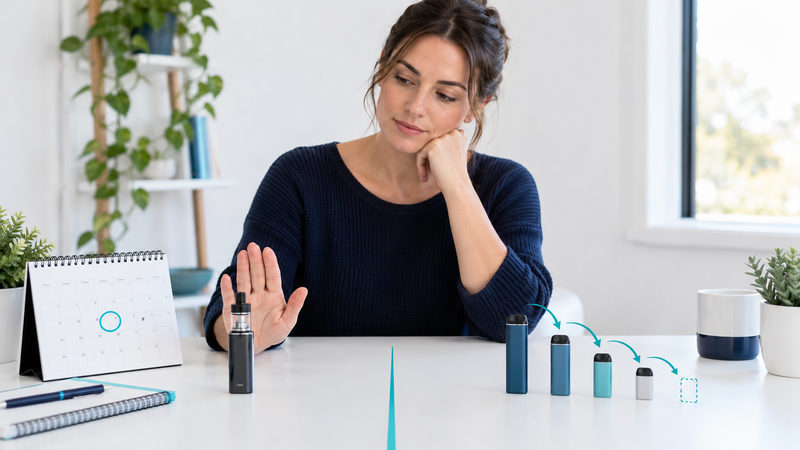
A gradual reduction may suit you if stopping immediately feels out of reach. With professional advice, you might extend the time between sessions, limit daily access, or reduce the nicotine strength. You could also make particular places vape-free each week. Leaving the device at home removes the chance of easy, automatic use on short trips.
A reduction plan needs structure, or it can drift on indefinitely. “I will vape less” is too vague to measure. Set weekly limits instead, and keep a record of whether you meet them. Above all, choose your final vape-free date before the reduction period begins.
- Delay the first daily vape by 30 minutes, then extend that delay.
- Keep the device outside your bedroom, car, and workplace.
- Remove one predictable vaping session every few days.
- Carry only the amount allowed under your daily plan.
- Set a firm date for stopping completely.
Be careful not to compensate by taking longer or deeper puffs as you cut down. Do not switch to cigarettes, nicotine pouches, or unregulated products either. A GP or pharmacist can assess your dependence and suggest safer options. Get guidance if reducing your use makes cravings worse, causes distress, or repeatedly stalls.
Neither approach shows more strength or commitment than the other. Some people want a clean break; others benefit from a short transition. Both routes, however, should end in complete cessation. Choose the one that fits your circumstances, then give it clear, time-limited steps.
4. Nicotine Withdrawal Timeline and Craving Strategies
What withdrawal may feel like
Withdrawal differs from person to person, depending on nicotine intake, dependence, health, stress, sleep, and treatment use. Common symptoms include cravings, irritability, anxiety, restlessness, low mood, and trouble concentrating. You might also experience appetite changes, headaches, dizziness, digestive discomfort, or disrupted sleep. These symptoms can be unpleasant, but they usually improve over time.
Cravings can begin within hours of your last vape. For many people, the first week is the hardest, though everyone’s experience is different. Physical symptoms often ease during the weeks that follow. Urges tied to particular situations may last longer because places, emotions, and routines still carry learned associations.
Feeling uncomfortable does not mean your body needs vaping. It means your brain and body are adapting to less nicotine. Withdrawal also tends to come in waves rather than staying at the same intensity. A craving can rise fast, reach a peak, and fade within several minutes.
Use a simple response when cravings arrive
Set up a short routine before your quit date. When an urge hits, wait five minutes and remind yourself that it will pass. Breathe slowly, drink some water, and then move somewhere else or start an activity that keeps both hands busy.
- Delay: Wait before making any decision about vaping.
- Deep breathe: Breathe slowly into your abdomen and lengthen each exhale.
- Drink water: Sip cold water and focus on the physical sensation.
- Do something else: Walk, shower, cook, clean, or call someone.
To replace the mouth and hand habits, try sugar-free gum, a straw, toothpicks, or a stress ball. Just avoid swapping vaping for constant high-sugar snacking. Regular meals containing protein and fibre can help steady your appetite. A short burst of exercise may also ease tension and break the loop of repetitive thoughts about vaping.
Plan for difficult moments
Stress needs its own plan because nicotine can seem calming. In reality, vaping often eases the early withdrawal caused by previous nicotine use. Build other stress responses before the pressure mounts. A ten-minute walk, paced breathing, or a call to someone supportive may create enough distance for the urge to pass.
Your sleep may be unsettled during early withdrawal. Keep regular sleeping and waking times, cut back on late caffeine, and put screens away before bed. If sleep problems become severe or persistent, talk to a clinician. Never alter prescribed medicines without professional advice.
If low mood becomes intense, persists, or affects your safety, seek clinical help promptly. Contact emergency services if you think you may harm yourself or cannot stay safe. Quitting support needs to protect your mental health as well as your physical health. A GP can adapt your plan and connect you with suitable care.
5. Treatment and Free Vaping Support Services in Australia
Discuss treatment with a qualified professional
Treatment may ease withdrawal, while behavioural support helps you deal with triggers and change routines. Nicotine replacement therapy comes in several forms, including patches, gum, lozenges, inhalers, and oral sprays. A patch can provide a steady dose of nicotine, while a faster-acting product may help with sudden cravings. Ask a pharmacist or GP which dose and combination are appropriate for you.
Prescription medicines may help some adults who are dependent on nicotine. Evidence for certain medicines used specifically to quit vaping, however, is still developing. A doctor can weigh the benefits and side effects against your medical history and any other medicines you take. Never borrow tablets or take another person’s prescription.
Therapeutic vapes are not usually the first treatment used for nicotine dependence. In Australia, access rules also vary according to age, nicotine concentration, clinical suitability, and state or territory requirements. Supply arrangements can differ between participating pharmacies too. Before deciding, check current medicine, prescription, and vaping requirements through official Australian health sources.
Use free and trusted Australian support
Quitline provides confidential telephone counselling on 13 7848. A trained counsellor can help you spot triggers, prepare your quit plan, and recover after a lapse. The Australian Government also provides official quitting information and digital tools. Your GP and pharmacist can add clinical advice to this behavioural support.
- Quitline: Call 13 7848 for confidential quitting support.
- GP: Request a dependence assessment, treatment review, and follow-up plan.
- Pharmacist: Ask about nicotine replacement options and correct product use.
- Official digital services: Use Australian Government or Quit resources for planning and tracking.
Arrange follow-up support rather than relying on a single conversation. You could schedule contact before quitting, during the first week, and again after one month. Let your clinician know if you smoke cigarettes as well. Your plan needs to help you become vape-free without pushing you back towards smoking.
6. Tailored Help for Teenagers, Pregnancy and Mental Health
Support for teenagers
Teenagers need calm, practical help—not punishment or shame. Nicotine can affect attention, learning, mood, and developing patterns of dependence. School bathrooms, parties, and friendship groups can also become powerful social triggers. A trusted adult can help arrange confidential advice from a GP or another suitable health service.
Parents and carers should start from a place of curiosity. Ask when vaping is hardest to resist and what kind of quitting support might actually help. Lectures, searches, and threats can quickly shut down an honest conversation. Clinical guidance is especially important for people under 18 because medicine and therapeutic vape rules vary by age.
Quitting during pregnancy
Pregnancy changes the risks, symptoms, and treatment choices involved in quitting. Vaping is not a harmless alternative during pregnancy. Speak promptly with a GP, midwife, obstetrician, or pharmacist. They can tailor your support and discuss treatment based on current Australian clinical guidance.
Do not let fear of judgment stop you from asking for help. Health professionals regularly work with people experiencing nicotine dependence. Being honest about how often you vape and whether you use other nicotine products helps them make better treatment decisions. Partners can support the process by keeping the home vape-free and attending appointments when invited.
Mental health and other complex needs
Anxiety, depression, trauma, or attention difficulties can influence how a person uses nicotine. Vaping may become a quick response to distress, overstimulation, or social discomfort. If you quit without another coping strategy in place, those feelings may come to the surface. A clinician can coordinate your quitting plan with any mental health care you already receive.
Tell your prescriber that you intend to quit, particularly if you take regular medicines. Changes in nicotine use and daily routines may affect your symptoms, sleep, and treatment needs. Ask for closer follow-up if earlier attempts caused serious changes in your mood. In higher-risk situations, general advice is no substitute for individual care.
Support should always be respectful, regardless of age, pregnancy, disability, culture, or mental health history. Ask for an interpreter or a culturally appropriate service if that would make communication easier. A personalised plan can progress more slowly and still stay on course. The goal remains the same: freedom from vaping and nicotine dependence.
7. Prevent Relapse and Maintain a Vape-Free Lifestyle
Prepare for predictable high-risk situations
Early success builds confidence, but familiar triggers can reappear when you least expect them. Alcohol, conflict, celebrations, travel, and time with friends who vape may weaken even a well-prepared response. Rehearse what you will do before these situations arise. You might leave early, bring gum, drive yourself, or call a support person.
Keep your surroundings protected after the first week. Do not hold on to a spare device “for emergencies.” Easy access can turn a passing urge into an instant decision. Ask visitors not to vape in your home or car as well. Clear boundaries allow your vape-free routine to start feeling normal.
Keep track of the benefits that mean something to you. That might include money saved, fewer interruptions, better exercise tolerance, or calmer mornings. Transfer the money you save into a separate account each week. Celebrate milestones with experiences that support your new way of living.
Respond constructively to a lapse
One puff or a brief return to vaping does not wipe out your progress. Think of it as information showing where your plan needs work. Stop again straight away instead of waiting for another Monday or a new month. Remove the device, then contact someone who supports your goal.
Look closely at what happened during the hour before the lapse. Were you hungry, angry, lonely, tired, drinking alcohol, or around other people who were vaping? Work out which response was missing or too difficult to use. This turns a discouraging moment into a useful change to your plan.
- Write down the trigger, setting, thoughts, and people involved.
- Remove any remaining vape products immediately.
- Restart treatment only according to professional advice.
- Contact Quitline, your GP, pharmacist, or support person.
- Change the plan before facing the same situation again.
If you return to regular vaping, you need a reset—not self-criticism. Consider whether your withdrawal treatment was strong enough and whether you received support often enough. Do not assume the same method is doomed to fail forever. A clinician may suggest different timing, products, follow-up, or ways to handle triggers.
Build an identity that supports long-term change
As time passes, put less energy into resisting vaping and more into living without it. Choose activities, places, and relationships that support this new identity. Keep an emergency craving plan ready for unexpected pressure. Confidence comes from making vape-free choices repeatedly, not from feeling perfect all the time.
Keep adjusting your plan until vaping no longer dictates the shape of your day. It may take several attempts, and each one can teach you something valuable. Your responses can then become faster and more dependable. Eventually, reaching for water, movement, or support may feel more natural than reaching for a vape.
Conclusion
Quitting vaping is easier to manage when you have a firm date and a clear plan for your triggers. Suitable treatment can reduce withdrawal, while supportive people can help you through the hardest moments. Planning for lapses also stops one decision from turning into a full return to vaping. With steady adjustments, a vape-free life can become your normal routine.
Australian GPs, pharmacists, Quitline, and official digital services can offer support tailored to you. Choose your quit date, then remove one vaping trigger today. Call Quitline on 13 7848 or speak with an Australian GP or pharmacist. Together, you can develop a practical plan suited to your health, routines, and needs.