A nicotine buzz can fade within minutes, but signs of exposure may linger for days or even months. So, how long does nicotine stay in your system? It depends on what the test measures and the type of specimen being examined. Surgery, insurance screening, quitting programs, and personal health concerns may also follow different testing standards.
Nicotine clears fairly quickly, while cotinine is usually measurable for much longer. Still, there is no universal countdown that guarantees a negative result. This guide covers detection windows, metabolism, withdrawal, factors that affect clearance, testing limits, and safe support for quitting.
1. How Long Does Nicotine Stay in Your System?
The short answer
In many adults, nicotine has a short half-life of roughly two hours. Its concentration therefore drops sharply during the first day after the last exposure. Most nicotine leaves the bloodstream within one to three days. Complete elimination, however, does not happen at one exact moment.

Most tests check for cotinine, nicotine’s primary metabolite, instead of nicotine itself. Cotinine has a half-life near 16 to 20 hours, although individual estimates vary. That means urine or saliva may reveal exposure for several days. With regular or heavy use, the window can stretch beyond a week.
Three different timelines
The effects you notice follow a different timeline from biological elimination. A cigarette or vape may take effect within seconds, but the buzz often disappears quickly. Your body keeps processing nicotine long after those sensations are gone. A laboratory may still detect metabolites even though you feel completely normal.
- Subjective effects: The buzz, alertness, or relaxation may fade within minutes or hours.
- Biological elimination: Nicotine and its metabolites decline gradually through repeated half-lives.
- Laboratory detection: A result depends on the specimen, equipment, cutoff, and collection timing.
Detection windows are approximate ranges, not firm deadlines. A highly sensitive laboratory, for example, may detect lower concentrations than a basic home strip. Blood, urine, saliva, and hair also preserve different records of exposure. Even two laboratories may apply different reporting thresholds.
An online estimate cannot tell you whether you will pass a medical, employment, insurance, or home test. The testing organization can clarify its specimen, cutoff, and preparation requirements. Most of all, be honest about nicotine use when health or surgical decisions depend on the result.
2. How Nicotine Is Metabolized Into Cotinine
How nicotine enters the bloodstream
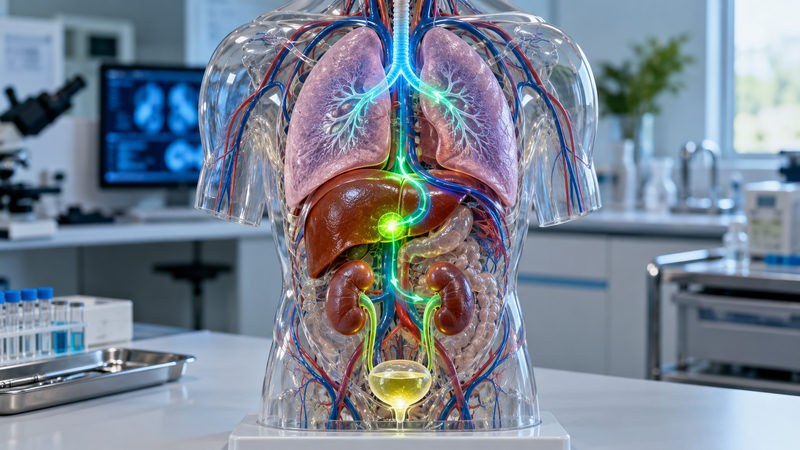
Nicotine can enter the body through the lungs, mouth, digestive tract, or skin. Inhaled nicotine from smoking or vaping reaches the bloodstream especially fast. Gum and lozenges release nicotine through tissues inside the mouth, while patches provide a slower, steadier dose through the skin.
Chewing tobacco and nicotine pouches are also absorbed through oral tissues. Swallowed nicotine, however, goes through more processing before reaching general circulation. Product design, dose, and user behavior all affect how much is absorbed. Deeper inhalation, for instance, may change exposure from an inhaled product.
Once in the bloodstream, nicotine travels throughout the body. It reaches the brain and activates receptors associated with attention, reward, and dependence. Nicotine can also raise heart rate and temporarily narrow blood vessels. These immediate effects may be over well before a test becomes negative.
Why cotinine matters
The liver processes most nicotine using enzymes, particularly CYP2A6. It converts nicotine into several compounds, the most important testing marker being cotinine. Further metabolism creates compounds such as trans-3′-hydroxycotinine. The kidneys then remove nicotine and many of its metabolites through urine.
Laboratories prefer cotinine because it is more stable and lasts longer than nicotine. Nicotine’s short half-life leaves a narrow testing window after occasional exposure. Cotinine offers a broader record of recent intake. In practice, then, a “nicotine test” often means a cotinine test.
A half-life is the time the body takes to reduce a substance by approximately half. It does not mean the substance has cleared completely. For example, 100 units may drop to 50, then 25, then 12.5. Small amounts can still remain after several half-lives.
Half-life calculations are averages, not personal guarantees. Genetics, enzyme activity, pregnancy, illness, and medications can all change the rate. Kidney function and urine acidity may also affect elimination. A single fixed number of hours cannot accurately describe everyone.
3. Nicotine and Cotinine Detection Windows by Test
Approximate comparison
Testing windows differ considerably by specimen type. The ranges below describe common possibilities after the last exposure, not guaranteed limits. Regular or heavy use can lengthen these windows. More sensitive methods may also identify smaller concentrations for longer periods.
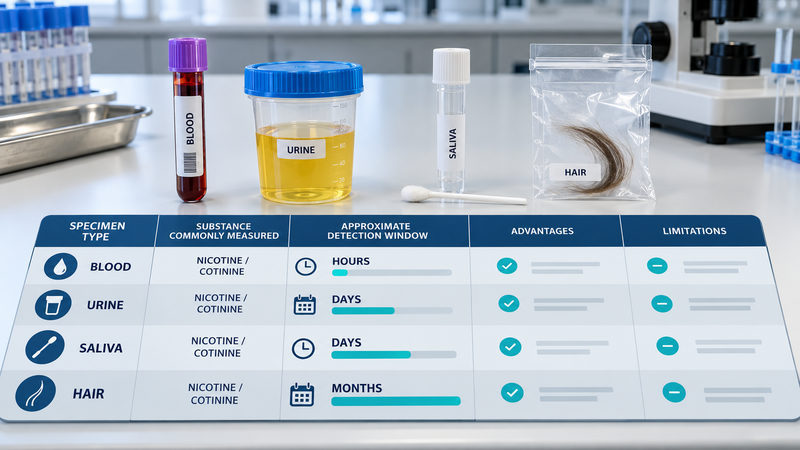
| Specimen type | Substance commonly measured | Approximate detection window | Advantages | Limitations |
|---|---|---|---|---|
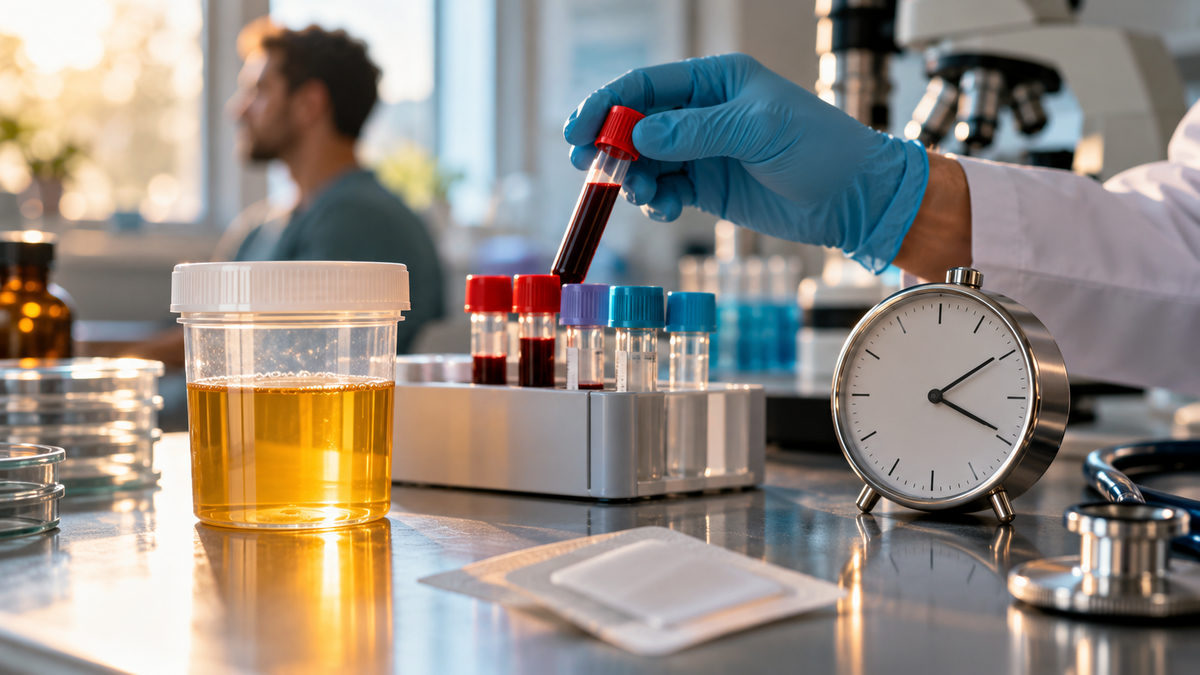
| Blood | Nicotine or cotinine | Nicotine: about 1–3 days; cotinine: often up to 7–10 days | Useful for recent exposure and quantitative laboratory analysis | Requires trained collection and usually has a shorter window than urine |
| Urine | Cotinine and other metabolites | Commonly 3–7 days; sometimes several weeks after heavy, repeated use | Convenient, widely available, and often offers a longer detection period | Hydration affects concentration, and collection may raise privacy concerns |
| Saliva | Cotinine | Often 1–4 days, though longer results can occur | Simple, noninvasive, and useful for recent exposure | Food, collection technique, dry mouth, and contamination may affect samples |
| Hair | Nicotine, cotinine, or both | Approximately three months for a standard scalp segment; longer segments may reflect more time | May provide a long-term exposure record | Costs more and cannot precisely identify the last-use date |
These ranges overlap because laboratories use different methods and thresholds. One test may return a negative result when the level falls below its cutoff, while another test with a lower cutoff may detect cotinine in the same sample. “Undetectable” does not necessarily mean completely absent.
Blood, urine, saliva, and hair
Blood testing usually offers a shorter view of recent exposure. It may measure nicotine directly, cotinine, or both. Blood collection requires clinical equipment and trained staff, though. Clinicians may select it when they need a controlled specimen or a quantitative concentration.
Urine testing is common because the body concentrates many metabolites in urine. Cotinine may remain measurable after blood nicotine has fallen below the test’s cutoff. Urine collection also costs less than many specialized laboratory procedures. Even so, dilute or unusually concentrated urine can affect the reported concentration.
Saliva testing allows for convenient, observed collection without needles. It is useful when a program wants evidence of fairly recent exposure. Collection quality still matters, as inadequate volume can compromise the test. Recent oral nicotine use may make interpretation more difficult as well.
Hair testing may reflect months of exposure because growing hair incorporates chemical markers. A standard three-centimeter scalp sample can represent roughly three months of growth. It cannot pinpoint the exact final-use day, however. Hair color, treatments, growth differences, and environmental contamination may all affect interpretation.
Screening, confirmation, and home tests
A screening test generally flags samples that may contain cotinine above a selected cutoff. A laboratory can then use a more specific confirmatory method to measure individual compounds. This confirmation step may reduce false positive results caused by cross-reactivity. Not every program follows the same two-step process.
Timing and sample handling matter too. Mislabeled containers, contamination, insufficient saliva, or storage problems can undermine accuracy. A laboratory result should state the specimen type and reporting units. When the consequences are significant, ask whether an initial positive screen will be confirmed.
Home urine or saliva kits can provide a convenient preliminary answer. Many, however, offer only a positive or negative result based on a single cutoff. They cannot account for every laboratory’s decision threshold. Expired kits, incorrect timing, and misread lines may also produce misleading results.
Don’t treat a home result as a guarantee for formal testing. Follow the instructions precisely and check the kit’s expiration date. If the result does not match your history, consider professional confirmation. A clinician or laboratory can also help explain an unexpected finding.
4. What Changes Nicotine Clearance and Test Results?
Use pattern and dose
An occasional user typically begins with a lower cotinine concentration than someone who uses nicotine daily. Regular dosing adds more nicotine before earlier doses have fully cleared. Cotinine can then accumulate and remain detectable longer. For heavy users, levels may stay above a test cutoff for an extended period.
Dose, frequency, and years of use all affect the starting concentration. The time since the last cigarette, pouch, patch, or vape also matters greatly. A single small exposure is different from repeated dosing throughout the day. Even so, a product label cannot show exactly how much nicotine one person absorbed.
- Occasional use: Lower starting levels often create a shorter detection period.
- Regular use: Repeated exposure can maintain cotinine between doses.
- Heavy use: Higher accumulated levels may require more time to fall below a cutoff.
Individual biology and health
People naturally metabolize nicotine at different rates. Genetics can alter CYP2A6 activity, affecting how quickly the liver converts nicotine. Age, hormones, body physiology, and pregnancy may influence metabolic rates as well. Pregnancy often speeds up nicotine and cotinine metabolism, although testing still varies by individual.
Liver disease may slow nicotine metabolism, while kidney impairment can delay the elimination of metabolites. The effect depends on the type and severity of the condition. Some medicines may also increase or decrease the activity of relevant enzymes. A clinician or pharmacist can safely review possible interactions.
Hydration affects urine concentration more predictably than total body clearance. Drinking water, for example, may temporarily dilute a urine sample. It does not instantly flush cotinine from the blood or tissues. Laboratories may also examine dilution markers and reject unsuitable specimens.
Nicotine source and environmental exposure
Cigarettes, cigars, vapes, chewing tobacco, pouches, and replacement products can all supply nicotine. No one delivery method always clears faster than the others. The absorbed dose and frequency matter more than the product category alone. Device settings and personal technique can change exposure further.
Patches often release nicotine steadily over many hours. Gum, lozenges, and pouches may deliver repeated doses throughout the day, while cigarettes and some vapes can cause rapid peaks. Every one of these sources can produce cotinine detectable by a test.
Heavy secondhand smoke exposure can also produce low but measurable cotinine concentrations. These levels are typically lower than those linked to active use. Still, prolonged exposure in a small, smoky space may complicate interpretation. Laboratories may consider concentration ranges and other details when assessing the likely source.
Be sure to report every possible source before testing. That includes replacement products, pouches, occasional cigars, vaping, and secondhand exposure. Complete disclosure gives clinicians and testing programs the context they need. It also helps prevent unsafe decisions based on an incomplete history.
5. Nicotine Testing for Surgery, Insurance, and Treatment
Testing before surgery
Some clinicians test for nicotine exposure before operations in which healing is a particular concern. Nicotine narrows blood vessels, and tobacco smoke reduces oxygen delivery and damages lung function. Smoking can therefore raise concerns about wounds, breathing, infection, and cardiovascular health. The exact risks depend on the procedure and the patient.
Reconstructive, orthopedic, cosmetic, and other surgical programs may enforce strict cessation policies. Some ban every source of nicotine; others focus on smoking or tobacco. A general detection estimate is no substitute for your surgeon’s instructions. Ask exactly when you must stop and which products are prohibited.
Quitting several weeks before surgery may improve outcomes, but the required interval must come from your surgeon. Staying nicotine-free after surgery can also support healing and recovery. Don’t conceal recent use, since a positive test could affect scheduling or medical planning. Honest disclosure helps the surgical team manage risk.
Insurance and treatment programs
Insurance companies may use urine, blood, or saliva tests during underwriting. Their cutoffs, disclosure questions, and classifications are not all the same. One insurer may treat nicotine replacement differently from another. Read the application language carefully and answer every question accurately.
Treatment and cessation programs may use cotinine to track progress or confirm abstinence. Often, the goal is support rather than punishment. A positive result may come from tobacco, vaping, pouches, or approved replacement therapy. Staff need a full product history to interpret the finding properly.
Patches, gum, lozenges, inhalers, sprays, and tobacco-free pouches can all lead to positive nicotine or cotinine results. “Tobacco-free” is not the same as “nicotine-free.” Some zero-nicotine products may also contain residual or undeclared nicotine. Cotinine alone cannot always tell a formal testing program where the nicotine came from.
Can a test distinguish tobacco from replacement therapy?
Some laboratories measure anabasine, a minor tobacco alkaloid, along with nicotine metabolites. Anabasine may help assess tobacco use when someone reports using pharmaceutical nicotine. The distinction has limits, though. Some tobacco-free products may contain impurities, and metabolism and cutoffs still differ.
Electronic cigarettes make interpretation harder because their nicotine may be produced from tobacco or synthetically. Anabasine cannot answer every question about the source. Testing programs may instead consider several biomarkers, product records, and clinical details together. No single marker replaces an honest conversation.
If testing may affect surgery, insurance, or treatment, ask for written instructions well in advance. Find out which products count, what specimen will be collected, and whether positive screens are confirmed. Ask how the program handles prescribed cessation treatment too. A little preparation can prevent avoidable confusion.
6. Nicotine Detox Myths, Withdrawal, and Quitting Support
Why detox shortcuts fail
Time is the main driver of nicotine and cotinine clearance. No drink, supplement, sauna, or commercial cleanse can promise a negative result on a chosen date. Rapid-cleansing claims rarely account for individual metabolism or laboratory cutoffs. Any product that promises certainty should be viewed skeptically.
Drinking excessive water will not speed liver metabolism enough to guarantee a negative test. It may instead lower blood sodium to dangerous levels, causing confusion, seizures, or worse. A laboratory may also recognize that a urine sample has been diluted. Drink normal amounts based on thirst and medical guidance.
Intense exercise cannot reliably force a negative result either. Exercise supports general health, but it does not erase cotinine on command. Saunas mostly cause water loss through sweating. They may leave you dehydrated without meaningfully changing the test outcome.
- Do not rely on “detox” teas, powders, or unverified supplements.
- Do not attempt dangerous fluid loading before a urine test.
- Do not use extreme exercise or heat exposure to force clearance.
- Do not replace disclosure with a home-test result.
A typical nicotine withdrawal timeline
Withdrawal may begin within several hours of the final nicotine dose. Early symptoms commonly include cravings, irritability, anxiety, restlessness, and trouble concentrating. Some people also experience headaches, increased hunger, or low mood. Sleep may feel lighter or become more disrupted.
Symptoms are often strongest during the first two or three days, when nicotine exposure drops sharply. Cravings may come in short waves rather than staying constant. A familiar cue—coffee or driving, for example—can bring one on without warning.
Many physical symptoms gradually ease during the first two to four weeks. Appetite, concentration, and sleep may need more time to settle. Learned routines can still trigger cravings after the physical withdrawal has improved. Even an intense craving usually passes.
Occasional urges may continue for months, especially under stress. With practice and support, they commonly become weaker and less frequent. Mood changes deserve attention too, particularly for anyone with a history of anxiety or depression. Seek professional help if sadness becomes severe or does not go away.
Support that improves quitting success
Quitting brings benefits even when withdrawal is uncomfortable. Heart rate and nicotine exposure start to fall soon after the last dose. With time, breathing, circulation, taste, smell, and daily energy may improve. The pace of recovery varies from person to person.
For many people, counseling and medication work better together than either option alone. Depending on medical history, approved choices may include nicotine replacement, varenicline, or bupropion. Some adults may also benefit from combining a patch with short-acting gum or lozenges. A healthcare professional can help build a safe plan.
- Ask a clinician or pharmacist about cessation medicines.
- Use individual, group, telephone, or digital counseling.
- Contact an evidence-based quitline for coaching and planning.
- Remove nicotine products and prepare for common triggers.
- Try again after a setback instead of treating it as failure.
Nicotine replacement can ease cravings while a person moves away from combustible tobacco. It still creates cotinine, however, and may conflict with a surgical or testing policy. Tell the clinician about any planned replacement therapy before you begin. Never stop a recommended treatment simply to influence a test without medical advice.
Signs of nicotine poisoning
Nicotine poisoning may follow swallowed liquid nicotine, excessive dosing, or the use of several products at once. Early symptoms can include nausea, vomiting, abdominal pain, drooling, sweating, dizziness, headache, or agitation. A person may also develop a pounding heartbeat, weakness, confusion, or muscle twitching. Even small exposures can be especially dangerous for children.
- Trouble breathing or stopped breathing
- Seizures, collapse, fainting, or loss of consciousness
- Severe confusion, weakness, or repeated vomiting
- Very fast, very slow, or irregular heartbeat
- Any nicotine ingestion by a young child
Get urgent medical help if severe symptoms develop or a significant exposure may have occurred. In the United States, call emergency services or Poison Help at 1-800-222-1222. In other locations, contact the local poison center or emergency service. Do not induce vomiting unless a medical professional tells you to do so.
Conclusion
Nicotine has a short half-life, but cotinine may remain detectable for days. Hair can preserve evidence of exposure for several months. The actual window depends on the specimen, cutoff, use pattern, nicotine source, and personal metabolism. Some individual results will fall outside the usual ranges.
Nicotine replacement products may also cause positive nicotine or cotinine findings. Time clears these substances more reliably than water, saunas, supplements, or commercial detox products. No estimate can guarantee that a particular test will be negative. A home test cannot promise the same outcome as a formal laboratory test.
If you are preparing for surgery or formal testing, disclose every nicotine source and follow the program’s instructions. Ask specifically about patches, gum, lozenges, pouches, vaping, and secondhand exposure. For support with quitting, contact a healthcare professional or an evidence-based quitline. Timely help can make withdrawal safer and the quitting process more manageable.