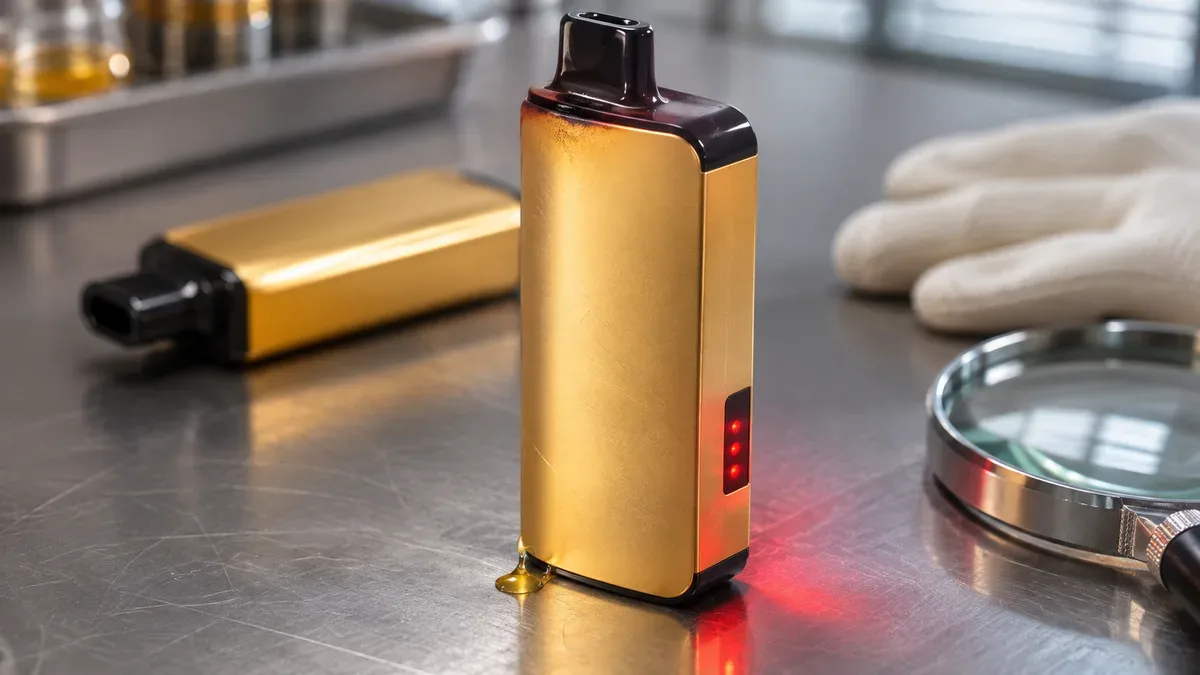
Your ALIBARBAR INGOT 9000 Puffs gives no vapor on the first draw. What if it starts hissing while sitting untouched? ALIBARBAR INGOT 9000 Puffs: Understanding Potential Manufacturing Defects starts with knowing what each symptom can tell you. Most importantly, unexplained hissing calls for immediate action, while a silent first-use failure chiefly gives you something to report.
When the device fails matters, especially if it stops after very little use or develops a leak. For instance, a unit that never worked gives the seller a different starting point from one that gradually weakened. Use what you already observed to decide when to stop, what to report, and how to arrange safe disposal.
ALIBARBAR INGOT 9000 Puffs: Understanding Potential Manufacturing Defects
What counts as a manufacturing defect
A suspected manufacturing defect is a fault that may have entered the device during production or assembly. For instance, a poorly seated seal could leave a gap where liquid can escape. An assembly misalignment could interfere with airflow, while a faulty electrical connection could interrupt power to the heating element.
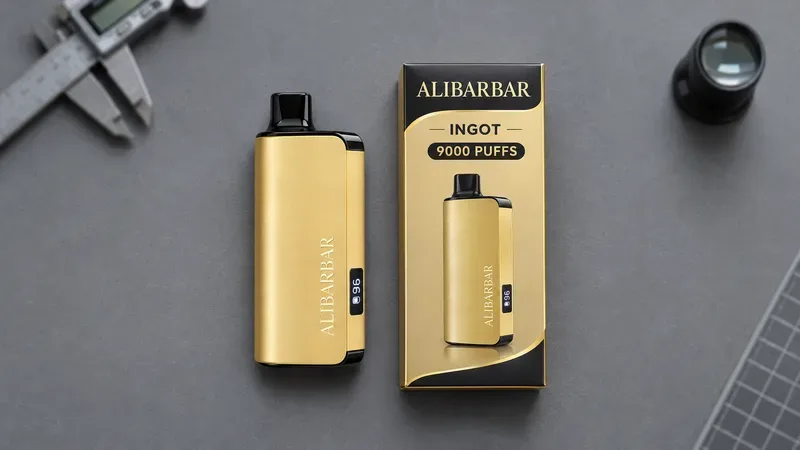
However, what you see from the outside is usually the result of the fault. A fresh device might give no vapor because several different parts could interrupt the same sequence. Specifically, air must move through the device, the sensor must detect the draw, and the heating element must receive power.
Why first-use failure has several explanations
When a device arrives with no output, a production fault is one possibility. However, damage during shipping or exposure to unsuitable storage conditions could also play a role. For instance, a crushed delivery parcel can help explain a cracked housing or a device that arrived with moisture inside the wrapper.
An intact box is useful to mention, especially if the device failed as soon as you opened it. However, the box tells you little about the unit’s internal condition or the temperatures it encountered in transit. Confirming the cause generally takes an inspection, shipping records, or other evidence that supports what you observed.
What quality-control evidence can show
In disposable vape production, quality checks can look for problems with seals, assembly, and electrical connections. For instance, a seal check can look for leaks, while an assembly check can verify that components sit correctly. Additionally, an electrical check can confirm that the device activates and stops as intended under test conditions.
These examples describe checks that can apply to disposable vapes generally. For claims about this specific model, look for a verifiable notice, investigation, or test report that names the product. Specifically, a defect-rate claim needs a defined sample, while a recurring-fault or batch claim needs evidence showing which units it covers.
What Leaking, a Burnt Taste, or Intermittent Output Can Mean
No output on first use or intermittent output
Start with whether the device ever produced vapor. A unit that gave no output on the first draw failed before you could establish a normal pattern. Meanwhile, a unit that worked for several uses and then cut out showed that it could activate at least initially.
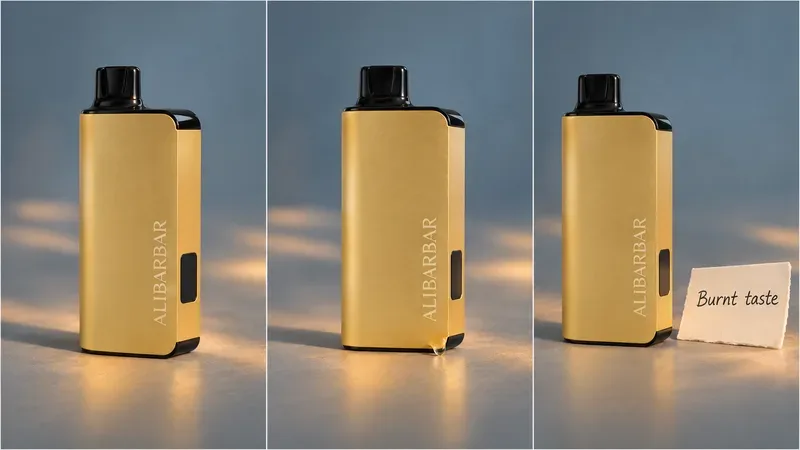
Several things can interrupt output, including a restricted air path, an unreliable activation sensor, and an internal power or connection problem. For instance, airflow issues can affect whether the sensor detects a draw. A connection issue could allow the device to work once and fail on a later draw.
If you already noticed an indicator, include what it did when output stopped. For example, “The light came on, but there was no vapor” gives the seller a specific observation. However, indicator behavior alone gives limited information about the internal cause, so record what happened and leave the device intact.
Leaking or unexplained moisture
You might spot moisture at the mouthpiece, around a seam, or inside the wrapper when you open it. However, a damp patch alone can be hard to identify because condensation and spilled liquid can look similar. Note where you first saw it and whether you saw liquid coming directly from the unit.
For instance, an imperfect seal can let liquid escape through a seam. A cracked housing could also create an opening, and heat during shipping or storage could contribute to leakage. Additionally, a wet wrapper or box can help establish whether the moisture was present before you used the device.
If you see liquid leaking, stop using the vape and avoid touching the liquid. Most importantly, keep children and pets away from the device and any spill. If the leaking unit also feels unusually hot or looks swollen, leave it where it is and move away.
Burnt taste on the first draw or later in use
A burnt taste can develop when the wick supplies too little liquid to the heating coil. For instance, an assembly issue or a coil problem could contribute to a burnt taste on the first draw. Later in use, dwindling liquid can leave the wick too dry to supply the coil evenly.
Timing helps you describe the failure. Specifically, a harsh first draw, an abrupt change after a few uses, and a gradual change late in use tell different stories. Stop using the device if it starts tasting burnt, especially if you also notice unusual heat or leaking liquid.
Does Stopping Before 9,000 Puffs Indicate a Defect?
How to read the advertised puff estimate
Start by reading the exact wording on your package. For instance, if the box says “up to 9,000 puffs,” include “up to” when you quote it to the seller. A puff estimate describes the number of draws, while the time a device lasts also depends on how often you use it.

A longer draw generally keeps the heating element active longer and uses more battery energy and liquid. Meanwhile, taking more draws each day uses those resources faster over days of use. Two people can therefore reach the end of a device on different days even if they take draws of similar length.
Use a model-specific test draw length only if you can verify the method for your exact product. For instance, a testing method for another device tells you little about what this package’s estimate represents. Keep the printed wording handy so the seller can address the claim that accompanied your purchase.
When early shutdown is worth reporting
Falling short of the advertised puff estimate gives limited evidence about why the device stopped. For example, vapor that steadily weakened after extended use could be consistent with dwindling battery power or liquid. However, an abrupt shutdown after a handful of draws or repeated cutouts early on is worth reporting.
Most importantly, stop using the device if early failure comes with leakage or unusual heat. Even without those signs, you can report a sudden failure using your existing recollection of the first few uses. For instance, “It stopped during the first evening after about ten draws” gives the seller a workable estimate.
If you remember only that the device failed soon after opening, say that. There’s no need to take further draws to test the problem or refine your count. Additionally, note any changes you already observed, such as the output fading before the device stopped or cutting out mid-draw.
What to Do If a Disposable Vape Overheats or Fires on Its Own
Stop using the device immediately
If a vape gets unusually hot, keeps heating up, or activates without a draw, stop using it immediately. Continued firing after you stop inhaling also calls for immediate action. Additionally, take an unexplained hiss seriously, especially if it starts while the device sits untouched.
Watch for these warning signs from a safe distance:
- Unusual or rising heat, including heat while the device sits idle.
- Activation without inhaling or continued firing after a draw.
- Unexplained hissing, swelling, or a burning odor.
- Visible smoke or flames.
Keep the casing intact and avoid charging or test-firing the device. For instance, plugging it in to see whether an indicator lights up adds power to a device showing warning signs. Opening, puncturing, or prying at the casing can damage the battery and expose you to liquid inside.
Most importantly, avoid handling or carrying a hot, swollen, or smoking unit. If it starts hissing on your desk and you notice rising heat, move away and keep other people back. A device that stops making noise can still pose a hazard, so leave it alone.
Treat smoke and fire as emergencies
If the device smokes or catches fire, move away, warn people nearby, and call local emergency services from a safe place. If you’re indoors, leave the immediate area and follow the dispatcher’s instructions. Tell the dispatcher you’re dealing with a disposable vape that contains a battery.
Specifically, describe whether you saw smoke or flames and where the device is. This gives responders information they can use even if you can no longer see the unit. Meanwhile, keep others away from the area and leave the device in place.
Put emergency action ahead of photos, seller contact, or disposal arrangements. For instance, a smoking unit on a kitchen counter should stay there while you leave and call for help. Once the emergency is over, you can use purchase records or packaging you can safely access to document the product.
For more information on battery hazards specific to vaping products, see the FDA guidance on vape battery fires and explosions.
How to Report a Suspected Defect, Check Recalls, and Request a Return
What to include in the report
Once it’s safe, write down what happened while you still remember the sequence. For instance, “The unit hissed while sitting untouched about five minutes after my last draw” gives the seller a clear timeline. If you can access the packaging safely, copy the identifiers exactly as printed.
- The exact model name, the purchase date, the seller, and your order or receipt number.
- Any visible batch, lot, or serial identifier on the packaging or device exterior.
- When the symptom started, what happened, and approximately how much you used the vape before the failure.
- Any known shipping damage or storage exposure, such as a crushed parcel or time in a hot vehicle.
- Exterior photos, if you can take them safely and without handling a hazardous unit.
Additionally, note the order in which you noticed any symptoms. “The vapor stopped first, then I noticed liquid at the seam” is more specific than saying the device malfunctioned. Use your recollection and any photos you already have, and avoid recreating the fault for a photo or video.
Where to find return terms
Check your receipt, order confirmation, and the seller’s faulty-item policy for reporting deadlines and proof-of-purchase requirements. Additionally, look for the remedies the policy lists, such as a refund or a replacement, and how to request one. Keep the purchase record and any written response together so you can refer to them later.
If the unit is damaged, tell the seller or manufacturer what you observed and ask for handling instructions. Specifically, ask how they can assess your claim when the device has leaked, swollen, or overheated. Get instructions for that condition before mailing the unit or taking it to a store.
However, if an official recall applies, follow the handling and return instructions in the notice. Those instructions may specify an approved collection route or explain how to request a remedy. Keep a copy of the notice and the purchase details so you can check which instructions apply to your unit.
How to verify a recall or safety notice
Search your national regulator’s recall database and the verified manufacturer’s safety notices. Use the brand, full model name, and alternate spellings, such as the model name with and without “9000 Puffs.” Then compare the listed batch identifiers, sale region, and date range with your packaging and receipt.
However, a search that yields no matching notice leaves the individual fault unresolved. Read any matching notice for the specific hazard and scope. For a notice to support a claim about a manufacturing defect, it must explicitly identify that defect and cover the unit in question.
In the United States, one place to check is the U.S. Consumer Product Safety Commission recalls and safety warnings database.
How to Safely Dispose of a Damaged Disposable Vape
Find a collection service that accepts the whole device
An intact disposable vape can contain both a lithium battery and residual nicotine liquid. In fact, some liquid can remain inside after the device stops producing vapor. A damaged battery can pose a fire risk, and leaked liquid can expose people or pets to nicotine.
Keep the device out of household trash and curbside recycling. Additionally, avoid ordinary battery drop boxes unless the operator explicitly accepts whole vapes in the condition yours is in. A collection point that takes loose batteries may use a separate process for devices that also contain liquid.
Contact your local waste authority to ask about household hazardous waste collection or an approved e-waste service that takes whole vapes. Specifically, describe it as a disposable vape with a battery still inside and possible residual nicotine liquid. Ask which location accepts it and whether you need to arrange a drop-off in advance.
In the United States, the EPA recommends taking e-cigarettes to a household hazardous waste collection site. Check locally for acceptance and handling instructions for your device. See the U.S. EPA guidance on e-cigarette disposal.
Call ahead about damage and transport
Describe the damage before you move the device. For instance, mention a cracked casing, liquid around a seam, a swollen housing, or an earlier overheating episode. Tell the operator about past overheating even if the device has since cooled.
Ask the operator to confirm that the facility takes whole devices with that specific damage. Additionally, ask what to do while waiting for collection and how to handle and transport the device if they accept it. If they decline it, ask the local waste authority which service handles damaged battery devices.
Leave the battery inside and keep the casing intact. For example, removing the battery from a cracked vape can damage the cell further or expose you to liquid. If the unit is hot or swollen, avoid handling or carrying it while you seek guidance from a safe place.
Most importantly, if the device starts smoking or burning, move away and warn people nearby. Call local emergency services from a safe location. Wait until the emergency has passed before making disposal arrangements.
Conclusion
The timing and symptoms help you describe a suspected fault. For instance, a first-draw failure, repeated cutouts, or a leak can make a report more specific. An unusually short lifespan alone gives limited evidence about the cause. Most importantly, stop use and keep the casing intact if you notice unusual heat, unintended activation, or visible damage.
Once it’s safe, record the purchase details, symptom timeline, and any visible batch code. Then contact the seller about the suspected fault and check official notices for your model and batch. If the unit is damaged, call your local waste authority for disposal instructions before attempting to move it.