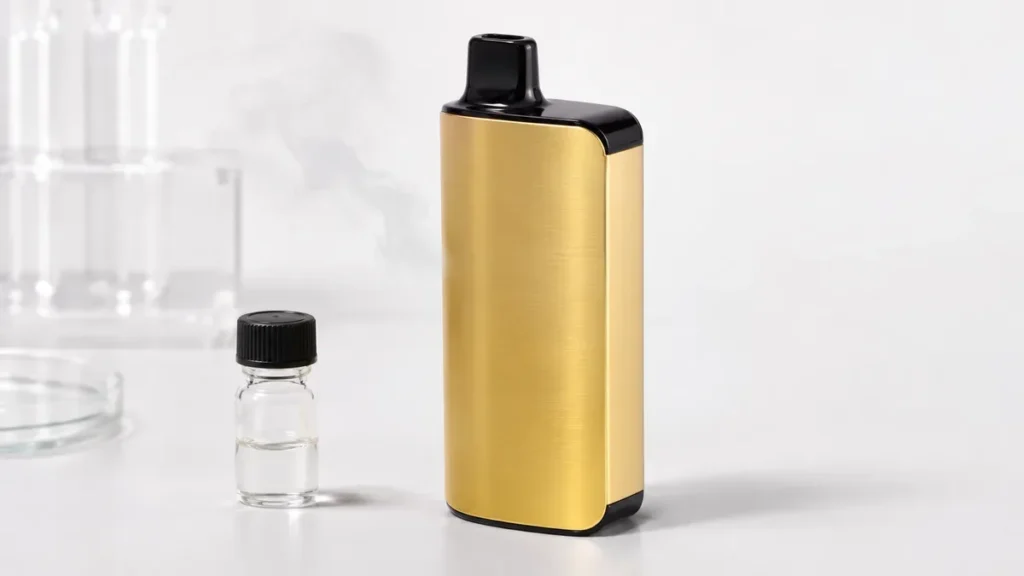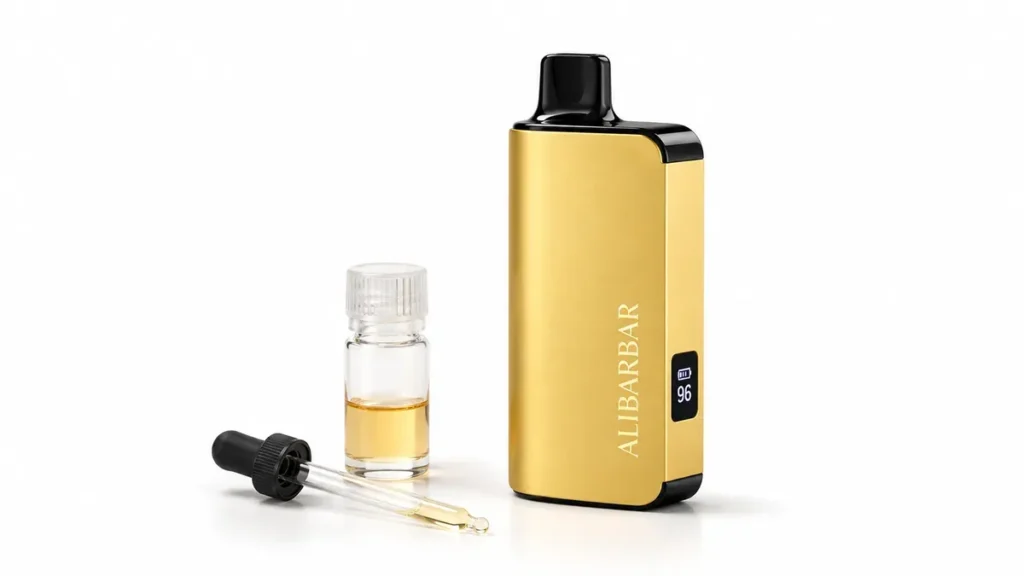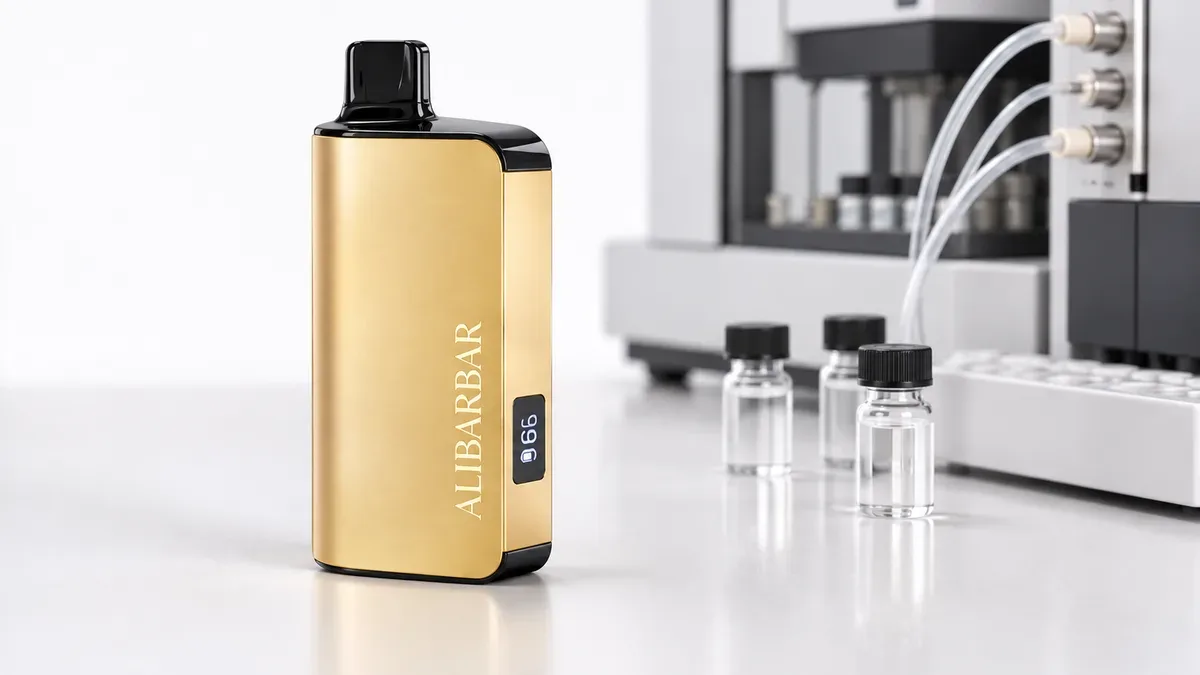
What would an independent lab report need to show to substantiate a 9,000-puff claim? For ALIBARBAR INGOT 9000 Puffs: Independent Laboratory Testing and Quality Verification, the first question is whether that report is public. A product listing tells you what a seller claims, while a certificate of analysis can summarize measurements for identified samples. However, a full report should show how the lab selected, identified, and tested those samples.
A targeted search found the model in public records, including an Australian regulator’s document. However, it did not find a complete lab report for the exact model. Without the methods and batch identifiers, readers cannot tell which devices a testing claim covers or what the lab measured.
ALIBARBAR INGOT 9000 Puffs Lab Report Availability
A targeted public search on January 7, 2026, did not identify a complete laboratory report for the ALIBARBAR INGOT 9000 Puffs. The search covered “ALIBARBAR INGOT 9000,” “ALIBARBAR INGOT 9000 Puffs,” and the spaced spelling “ALI BARBAR INGOT.” It also checked versions of the puff claim written as “9000” and “9,000.”
Searches paired these names with “laboratory report,” “test report,” “certificate of analysis,” “COA,” and “batch test.” Additional searches used “SDS,” “nicotine,” “aerosol,” and “puff test” to look for records filed under more specific terms. For instance, a lab might describe its work as emissions testing without mentioning the advertised puff count.
What the Public Records Show
Australia’s Therapeutic Goods Administration names the Alibarbar Ingot 9000 in Attachment A of an enforceable direction. Meanwhile, a submission published by the New South Wales Parliament reproduces packaging that displays the INGOT name and 9,000-puff figure. The direction establishes where the model appears in a regulatory record. The submission shows how the puff count appears on packaging.
Commercial listings also describe the rating as “up to 9,000 puffs.” However, the listings reviewed did not supply a signed endurance report with a test procedure and results for individual devices. Repeated listings can trace the wording of a claim even when the underlying measurement remains unavailable.
What a Search Can Miss
Public search engines can miss private lab files, documents behind customer portals, and attachments that lack searchable text. Moreover, a report may use an importer’s name, an internal sample code, or a hardware identifier. A search using the retail name could overlook any of those records.
Therefore, the result describes what the public search could verify. A future disclosure could fill the gap if it ties the tested samples to the exact model. Even then, the document type matters. A safety data sheet generally describes hazards and handling, while a certificate of analysis may provide results for a specific lot.
For example, a certificate might list a nicotine result and a lot number but omit the laboratory’s sample preparation method. The certificate could still help identify the batch. However, readers would need the report or its appendices to see how the lab obtained that result.
Who Commissioned the Testing and Was the Lab Accredited?
The public records reviewed do not establish who paid for exact-model testing, who chose the tests, or who controlled publication. Likewise, they do not identify the laboratory that generated any results behind the advertised puff count. Those details matter because different parties can control different parts of the same project.
Who Made the Decisions?
A manufacturer might pay an outside laboratory to answer a narrow question about one production lot. Alternatively, a regulator or researcher might set the test plan and obtain samples independently. Each arrangement can produce useful data. However, the arrangements give readers different reasons to trust that the samples and published results represent the broader product line.
Ask who chose the devices, who set the test criteria, and who decided what readers could see. For instance, a laboratory might accurately measure ten units selected by a sponsor. The result describes those ten units, while the sampling process determines how far readers can extend the finding. Publication terms matter if the sponsor can release only favorable results.
- Funding: Identify the client and any other party that paid for sampling or testing.
- Test selection: Find who approved the methods, sample count, and acceptance criteria.
- Publication: Check who could publish the full report, including failures and deviations.
What the Accreditation Actually Covers
ISO/IEC 17025 sets requirements for laboratory competence, impartiality, and consistent operation. However, checking a particular result requires the accreditation body’s published scope for the testing site. That scope describes the activities the accreditor recognizes. Specifically, check the lab’s identity, site address, covered activities, and status on the test date.
For example, a laboratory’s scope may cover nicotine concentration in e-liquid. Measuring metals in collected aerosol involves a different sample type and analytical work. Therefore, compare the report’s method and sample type with the activities listed in the scope. If the report names a subcontractor, check which site performed that part.
Keep the two findings separate when recording the evidence. Accreditation addresses the laboratory’s competence and impartiality for covered work. Meanwhile, project records show who controlled sampling, test selection, and publication. For this exact model, the public material leaves both the project arrangements and method-specific accreditation unverified.
Which Batches and Product Variants Were Tested?
The product name identifies the subject of the search, but the public records reviewed do not establish the identity of tested units. A packaging image can show a variant name. Likewise, a regulator’s document can establish that a model appears in a particular Australian record. Neither provides a lab sample record linking a variant, market, or batch to a test result.
| Exact model under review | Tested variant | Labeled nicotine strength of tested units | Market of tested units | Tested lot code | Test date | Number of units tested |
|---|---|---|---|---|---|---|
| ALIBARBAR INGOT 9000 Puffs | Undisclosed | Undisclosed | Undisclosed | Undisclosed | Undisclosed | Undisclosed |
Here, undisclosed means the records reviewed did not connect that field to a tested sample. For example, the presence of the model in an Australian document does not tell readers where a laboratory obtained its units. Similarly, a nicotine strength printed on a box describes that package until a sample record connects it to the testing.
How to Trace a Result Back to a Batch
Start with the lab’s sample receipt record and compare it with the results table. Look for the same sample identifiers in both places. Next, check whether package photographs or intake notes link those identifiers to the model, variant, and lot code. The same chain should carry through to any supporting appendix.
For instance, imagine a hypothetical report identifies five devices from lot A12. If the appendices show matching labels and individual results, you can trace each result to that lot. However, the same report tells you little about lot B47 or a different hardware revision. A shared model name leaves those distinctions unresolved.
Why Sample Counts Need Context
Ten readings can come from ten devices or from repeated measurements on a single device. Consequently, the number of readings alone tells you little about variation between units. Ask how many distinct devices the lab tested and how it distributed them across batches. If it pooled samples, check which units went into each pool.
Moreover, check how the lab or sponsor chose those units. A documented selection across several lots gives more insight into batch variation than a handful from one carton. However, the result still applies to the sampling plan and the production it represents. The available records do not establish that coverage here.
What Did Testing Measure in the E-Liquid and Aerosol?
The public records reviewed leave chemical testing coverage unknown. No complete exact-model report identified the sample type for any chemical result. Therefore, the available material cannot establish whether a laboratory tested e-liquid, aerosol, or both. The distinction matters because the two samples answer different questions.
E-Liquid Results and Label Accuracy
E-liquid testing measures the liquid in a sample. For example, a nicotine concentration in milligrams per milliliter can help check a label that uses the same units. The report should tie that reading to the tested device or lot. Additionally, it should explain whether the lab measured devices separately or combined liquid from several units.
Suppose a hypothetical label states 10 mg/mL and a lab measures 9.8 mg/mL. To judge the difference, look for the method’s measurement uncertainty and the tolerance used to assess the label. Also, check that both figures describe the same substance on the same basis. The example shows how to interpret a comparison without assigning any nicotine strength to this model.
Meanwhile, a pooled sample might produce a result close to the label even when individual devices vary. Individual readings make that variation visible. Therefore, a report that gives both the sample count and per-unit data can support a more precise conclusion about consistency.
Aerosol Results and Inhalation Exposure
Aerosol testing examines material the device emits under specified conditions. A lab might measure nicotine, selected metals, or other chemicals in the collected aerosol. However, what the findings cover depends on the substances the lab sought and how it collected the sample. A liquid concentration alone cannot establish how much of a substance appears in an aerosol sample.
Specifically, look at when the lab collected the aerosol. A report could sample early in the device’s life, near the end, or at several points. Moreover, it might report results per puff or for an entire collection session. The collection window and units determine what comparisons readers can make.
The U.S. Centers for Disease Control and Prevention identifies nicotine, metals, and other potentially harmful substances in e-cigarette aerosol generally. However, that guidance does not provide concentrations for this exact model. An exact-model report would need to name the substances measured and tie each result to a documented sample.
How to Read a Detection Claim
“Not detected” means the method did not detect a substance under the stated test conditions. Consequently, the detection limit matters. Two methods can report the same phrase even when one can pick up much smaller amounts. A substance omitted from the test list has a different status because the report provides no measurement for it.
- Sample type: Confirm whether each result comes from liquid or collected aerosol.
- Test list: Check which substances the laboratory measured and which units it used.
- Reporting limits: Find the detection or reporting threshold for each relevant result.
Finally, check whether the report explains any departures from its stated procedure. A missing collection window or unexplained change can limit how readers compare results. For the INGOT 9000, even the starting question remains open because the search did not establish which material, if any, a lab measured.
How Was the 9,000-Puff Claim Measured?
The public search did not find a manufacturer or laboratory device-life protocol paired with results for individual INGOT 9000 units. Therefore, the advertised maximum could not be independently verified from the evidence found. The packaging and listings establish that the number appears in public. They leave open how the advertiser arrived at it.
What Counts as a Puff?
A test report should define a counted puff and state when the count stops. For instance, a machine can record an attempt to activate a device even when aerosol output has fallen. A procedure that requires measurable aerosol output could produce a different total. The stopping rule tells readers which event the number represents.
Moreover, puff duration, airflow, and the interval between puffs affect how readers interpret an endurance result. A report should identify the settings and disclose any departures from its protocol. It should also explain how it handled failed activations or devices that stopped early. Otherwise, two reports could use the same word for different measurements.
ISO 20768 describes standard conditions and technical requirements for routine analytical vaping machines. However, a reference to that standard alone does not establish a product’s lifetime count. Readers still need the device-specific stopping rule, sample identifiers, and recorded results. That information connects the machine setup to the advertised figure.
How Many Units Reached the Figure?
Imagine a hypothetical test with five units that record 7,800, 8,100, 8,200, 8,400, and 9,000 puffs. The highest result is 9,000, and the median is 8,200. Consequently, stating the maximum alone hides how four of the five units performed. These figures illustrate how to read a distribution and do not describe measured results for this model.
A useful results table would identify each device, its lot, its final count, and the reason the test ended. Additionally, it would show whether the protocol defined the advertised figure as a maximum, an average, or a threshold. Any excluded unit needs an explanation because exclusions can change how representative the reported number appears.
Finally, check how the test dealt with variation across batches and hardware revisions. An endurance figure from one revision offers limited insight into another if the design changed. Likewise, an observed lab count applies to the stated test conditions. Without the protocol and individual results, readers cannot judge either the spread or the conditions behind the advertised figure.
What the Evidence Can Establish About Quality and Health
A lab result answers the question the test was designed to ask. For instance, a nicotine measurement can help assess label accuracy for the sampled devices. Meanwhile, repeated measurements across identified batches can reveal how much the results vary. Each conclusion depends on the sample records and the method behind it.
Claim-by-Claim Evidence
| Claim to check | What the public evidence shows | Outstanding question |
|---|---|---|
| Nicotine label accuracy | The search found no exact-model lab measurement tied to a tested unit and its nicotine label. | What strength did each tested unit display, and what concentration and uncertainty did the lab report? |
| Aerosol contaminants | The search found no exact-model aerosol results with a named collection method and reporting limits. | Which substances did the lab measure, under what conditions, and at what reporting thresholds? |
| Batch coverage | Public records identify the model, but they leave tested lots, variants, markets, and sample counts undisclosed. | Which units did the lab receive, who selected them, and which production lots did they represent? |
| Puff count | Packaging and listings show the 9,000-puff claim. The search found no public protocol paired with per-unit results. | What counted as a puff, when did counting stop, and how many units reached 9,000? |
Where Quality Findings End and Health Questions Begin
A report could show that sampled devices met a defined nicotine tolerance. However, the health question involves what people inhale, how much exposure occurs, and how often it occurs. A short list of measured chemicals cannot address every substance in the aerosol. Likewise, a puff count provides no direct measure of nicotine dose or health risk.
The CDC explains that nicotine is addictive and can harm the developing adolescent brain. Additionally, e-cigarette aerosol can contain harmful substances, including fine particles and heavy metals. Those findings provide health context even when a specific device lacks public test data. Product-specific measurements would help characterize particular emissions under the conditions tested.
Therefore, keep any published quality claim as narrow as the evidence. If a report covers one lot, identify that lot when citing the result. If a result falls below a reporting threshold, provide the threshold and name the substance. That detail lets readers see what the measurement establishes without turning it into a broader health claim.
Conclusion
The public search did not identify a complete laboratory report for the exact ALIBARBAR INGOT 9000 Puffs model. The records leave the commissioning party and method-specific accreditation unverified. Likewise, they do not establish which batches or variants a lab tested or whether chemical testing covered e-liquid and aerosol. The basis for the advertised 9,000-puff figure remains unverified.
Before citing a testing claim, request the full signed report and its appendices. Then match the sample identifiers to the exact model, variant, and lot. Finally, check that the methods support the claimed results and fall within the laboratory’s accreditation scope for the test date.