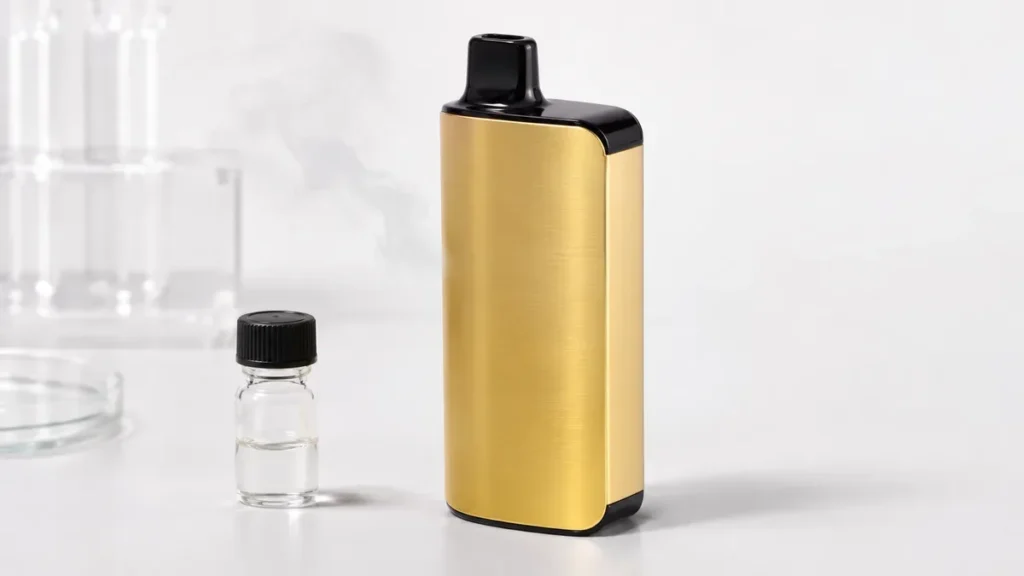
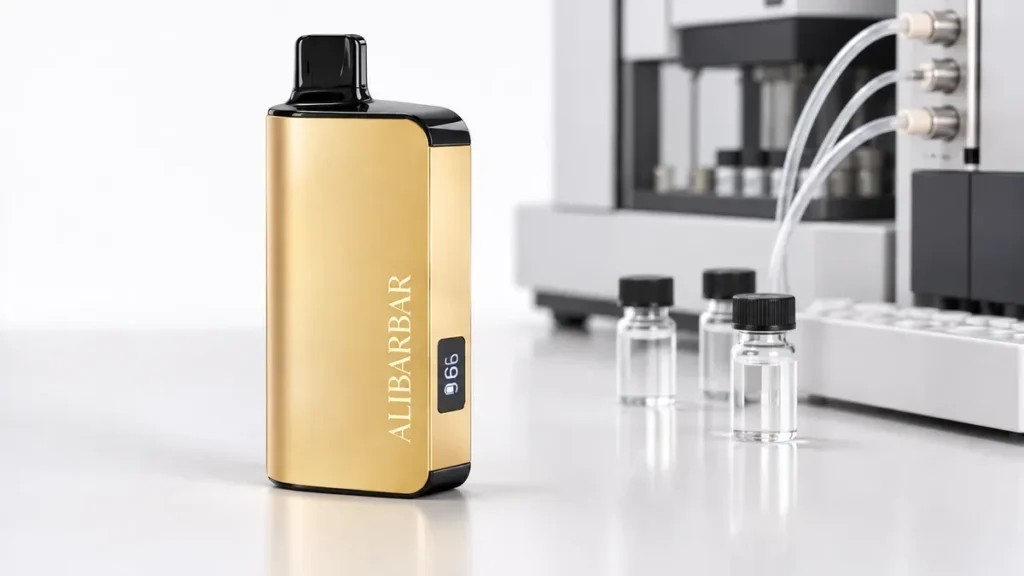
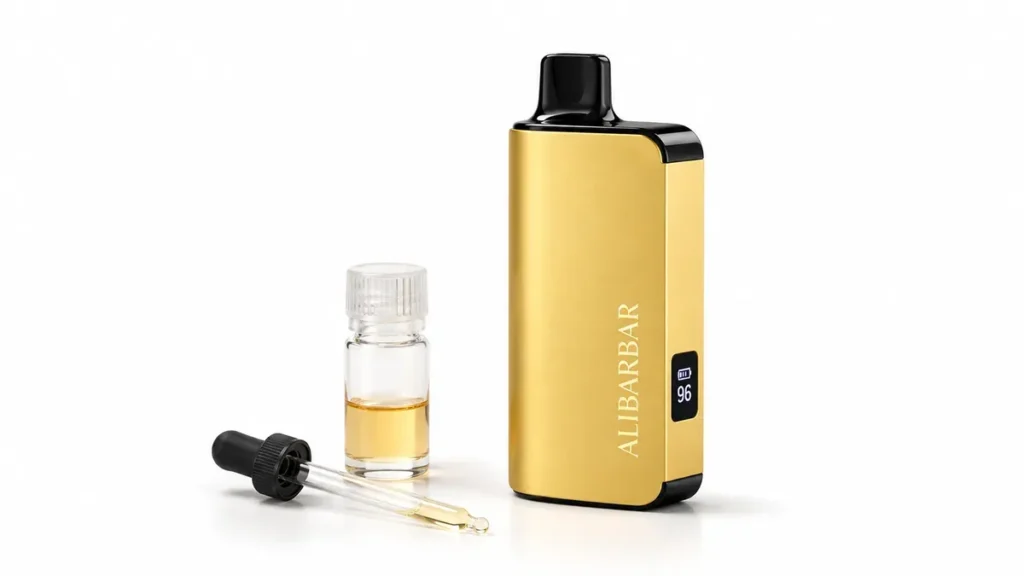
Can a familiar brand name and a bold puff count prove that a vape meets Australian requirements? As of 25 November 2026, the answer remains no for IGET Bar Pro 10000 Puffs: Australian Therapeutic Vaping Requirements. No exact match appeared on the current TGA notified vape list during the dated check. However, a TGA enforceable direction separately names “IGET Bar Pro 10000” among goods connected with unlawful retail supply.
Similar IGET names make regulatory checks surprisingly easy to misread. For instance, records for IGET BAR PLUS SE or SE2 do not automatically cover a Bar Pro product. Moreover, an advertised 10,000-puff figure cannot prove a product’s ingredients, construction, or lawful supply status. The sections below explain how to verify those points using official records.
1. IGET Bar Pro 10000 Puffs and Australian Therapeutic Vaping Requirements
What the official records show
The TGA notified vape list was checked on 25 November 2026. Searches for “IGET Bar Pro 10000,” “Bar Pro,” and “10,000” produced no exact match for this model. Therefore, the public list did not identify a current notification reference or Australian sponsor for the exact product. That finding applies to the list as it appeared on the stated date.
The separate TGA enforceable direction was issued on 22 October 2025. Attachment A lists “IGET Bar Pro 10000” as one of several specified goods. Specifically, the direction required the named parties to stop supplying goods at the identified store within one hour. It also required surrender of that stock within two hours.
Additionally, the direction required surrender of other unlawful vaping goods held by those parties within its specified deadline. The document records the regulator’s belief that unlawful supply and commercial possession had occurred. However, it addresses particular parties, conduct, locations, and goods. It should not be rewritten as a universal finding about every item carrying a similar name.
Taken together, the available records do not establish an Australian therapeutic supply pathway for the exact Bar Pro 10000 model. The absence of an exact notified-list match is important because pharmacists may only supply goods appearing on that list. Meanwhile, the enforcement document shows that named stock entered a regulatory action concerning unlawful retail supply. Neither record supports a claim that the model holds general therapeutic authorisation.
What remains unverified
The direction does not independently document every technical feature of every unit sold under this product name. For example, it does not establish one universal liquid formula, nicotine strength, reservoir volume, or battery arrangement. Moreover, packaging may differ between batches, flavours, markets, or sellers. A reader should not fill those gaps using an advertisement from an unrelated retailer.
Reliable reporting must attribute each conclusion to its source. Record the list search terms, the date checked, and any exact entry found. Additionally, save the sponsor name, category, notification reference, flavour, nicotine concentration, and liquid volume. This method allows another person to reproduce the check if the public list later changes.
2. How to Verify the IGET Bar Pro 10000 Puffs TGA Status
Match the exact model and variant
Begin with the complete name printed on the product and primary package. Specifically, record “Bar,” “Bar Plus,” “Bar Pro,” and any SE or SE2 wording exactly. Also capture the model code, barcode, flavour, batch number, and claimed Australian sponsor. One changed word can point to a different product record.
Next, search the official list for “IGET Bar Pro 10000,” “Bar Pro,” and “10,000.” Repeat the search without punctuation or commas because naming formats can vary. Furthermore, inspect current entries and entries marked withdrawn or ceased. Record the date even when every search returns no result.
When an entry appears, compare all available fields instead of stopping at the brand name. Relevant fields may include:
- The exact product name and regulatory category
- The Australian sponsor responsible for the notification
- The nicotine concentration and nicotine form
- The permitted flavour description
- The liquid volume and notification reference
- Any withdrawal, cessation, or other status information
The current list includes named IGET BAR PLUS SE and IGET BAR PLUS SE2 goods. For instance, some records identify devices, prefilled pods, or therapeutic vaping packs. However, those entries apply only to the goods described in their respective records. A similar brand, shape, or puff number does not extend their coverage to Bar Pro 10000.
Additionally, compare the physical package with the listed category. A device entry may cover hardware without covering a substance sold beside it. Likewise, a pod entry does not necessarily cover another pod size or nicotine strength. Therefore, every component in a combined product needs a matching and relevant basis for lawful supply.
Understand notification and approval
The notified list records declarations from sponsors about named unapproved therapeutic vaping goods. In practical terms, a sponsor notifies the TGA that those goods meet applicable requirements. However, notification does not mean the TGA evaluated that product like an approved medicine. The regulator may conduct compliance assessments during ongoing monitoring.
Approval follows a separate regulatory pathway. A seller should not describe notification as full TGA approval because those concepts carry different meanings. Notably, the TGA states that therapeutic vapes on the notified list remain unapproved goods. They can only enter lawful supply through the applicable therapeutic access arrangements.
If someone claims that a vape has formal approval, search the Australian Register of Therapeutic Goods. Compare the registered name, sponsor, dosage form, and any identifying number with the package. Furthermore, ask for the exact public record supporting the statement. A screenshot without a searchable reference offers weak evidence.
The strongest verification note remains simple and reproducible. It might state that the current list was checked on 25 November 2026 with three recorded search terms. It should then report the exact result without guessing. Most importantly, it should distinguish a missing exact match from a conclusion about every similarly named IGET product.
3. Federal Standards for Vape Devices, Ingredients and Packaging
Device design and intended use
Australia’s therapeutic framework covers vapes intended for smoking cessation or managing nicotine dependence. Recreational positioning does not create a lawful therapeutic pathway. Moreover, nicotine-free products can still fall within the vaping framework. Their substance content alone does not remove the relevant controls.
The TGA device and accessory guidance explains requirements for therapeutic devices and accessories. Depending on the product, the medical device standard or Essential Principles may apply. These requirements organise assessment around quality, safety, and performance. They also address risks created by batteries, electrical parts, materials, and normal use.
Quality evidence should show consistent manufacturing and suitable material controls. Safety evidence should address electrical faults, overheating, leakage, breakage, and exposure to harmful substances. Meanwhile, performance evidence should show that the device works as intended throughout its claimed operating life. A large puff number cannot replace these technical records.
Assessing the Bar Pro 10000 would require dependable construction details. Those details include:
- Whether all constituent parts remain permanently fixed
- Whether users can remove or replace the liquid container
- Whether the reservoir arrives prefilled
- Whether users can refill the reservoir
- Whether the battery can recharge or be replaced
- How the device prevents leaks, overheating, and accidental activation
Notably, recharging and refilling answer different questions. A product may recharge several times while retaining a sealed, non-refillable reservoir. Therefore, a charging port does not automatically make the device reusable under the legal definition. The full assembly and intended disposal pattern matter.
Liquid ingredients and nicotine concentration
TGO 110 governs applicable therapeutic vaping substances and products containing them. The TGA’s product standards overview identifies permitted ingredients. These include nicotine, propylene glycol, glycerol, water, and permitted flavours. The permitted flavour descriptions are mint, menthol, and tobacco.
Nicotine concentration must appear in milligrams per millilitre, not merely as a vague percentage. Prescription vapes may contain no more than 50 mg/mL under the stated standards. However, pharmacist-only supply without a prescription has a maximum of 20 mg/mL. The product must still satisfy every other applicable supply condition.
Container limits also depend on the product form. An individual refill container generally holds no more than 60 mL. In contrast, an enclosed substance accessory for a closed system holds no more than 5 mL. Multiple compliant containers may appear together in an eligible kit or pack.
Consequently, a claim of “10,000 puffs” cannot establish compliance with either volume limit. Reviewers need reliable measurements for the exact variant. They also need a complete formulation, including nicotine form and concentration. Without those records, no one can meaningfully compare the liquid with TGO 110.
Packaging and labelling
The applicable rules require restrained packaging rather than bright recreational presentation. Labels must appear in English and remain clear, durable, and easy to read. Additionally, required information varies among containers, primary packs, intermediate packaging, kits, and packs. Reviewers should first identify the correct product category.
For nicotine products, the main warning panel states that nicotine is highly addictive. Other applicable warnings can address swallowing, skin or eye contact, and the Poisons Information Centre. Moreover, labels may need the product name, nicotine content, flavour, fill volume, batch details, expiry, ingredients, and sponsor information. Nicotine-free goods require an accurate zero-strength declaration where specified.
Information leaflets provide further instructions and safety details. Packaging for applicable substances must also satisfy child-resistant requirements. Furthermore, naming and presentation must not appeal to children or suggest unsupported health benefits. These controls matter even when the underlying device looks plain.
The TGO 110 legislation and guidance should guide a detailed package review. Compare the package, container, and leaflet with the provisions for that category. Specifically, check whether information remains visible after assembly. Do not assume a seller’s webpage reproduces every required label accurately.
4. What the Advertised 10,000-Puff Count Tells You
What the claim measures
A 10,000-puff figure usually represents an advertised estimate of available draws. It does not mean every user receives exactly 10,000 inhalations. For instance, longer draws can consume more liquid and battery energy. Shorter laboratory-style draws may produce a higher count.
Airflow, coil resistance, power control, liquid viscosity, and test intervals can also change the result. Additionally, manufacturing variation may affect separate units. Storage temperature and charging behaviour can influence practical performance. Therefore, puff totals work best as comparative marketing claims, not precise consumption guarantees.
No verified test protocol for this exact model appeared in the official records reviewed for this article. The available documents did not establish draw duration, airflow, rest intervals, or end-of-test criteria. As a result, the figure should remain attributed as an advertised product claim. It should not appear as an independently confirmed measurement.
Consider two people using the same nominal device. One takes brief, occasional draws, while another takes longer draws throughout the day. Their final totals could differ substantially. Moreover, neither total reveals how much nicotine each person absorbed.
Which details matter for compliance
Puff count alone cannot establish nicotine concentration, total nicotine exposure, or liquid volume. It also cannot prove device construction, ingredient quality, or notified-list status. Most importantly, it says nothing about the lawful Australian supply pathway. A five-digit number is not a regulatory reference.
Instead, look for evidence tied to the exact variant:
- The full model name, model code, barcode, and flavour
- A verified nicotine concentration expressed in mg/mL
- The verified liquid volume for each container or pod
- Whether the reservoir is sealed, replaceable, or refillable
- The sponsor and exact TGA notification reference
- The required package labels, warnings, and information leaflet
Furthermore, compare those facts across the physical unit, package, sponsor record, and current TGA list. Conflicting values require investigation rather than averaging. For example, a retailer’s 20 mL claim cannot resolve a package showing another volume. The primary evidence should relate to the actual goods under review.
For educational materials, use careful wording. State that the product is “advertised as providing up to 10,000 puffs” when that is the available evidence. Then explain that actual use varies and the protocol remains unverified. This approach separates a commercial claim from established regulatory facts.
5. Do Australian Disposable Vape Restrictions Apply to This Model?
Apply the legal definition to the design
A disposable vape is a fully assembled device with all constituent parts fixed permanently in place. It arrives prefilled, lacks a refill design, and is ordinarily discarded when its substance runs out. In other words, a sealed single-use liquid system can remain disposable despite other reusable-looking features. The actual construction controls the classification.
Battery rechargeability alone does not settle the question. For instance, a charging port may only help consume liquid already sealed inside the device. However, a refillable open system has a different construction. Reviewers must examine whether the user can access, replace, or refill the liquid vessel.
The disposable restrictions apply when an exact variant meets the definition. They can cover products with nicotine and products containing no nicotine. Therefore, “nicotine-free” does not create a general retail exception. Likewise, a high puff claim does not convert a permanently assembled product into a refillable one.
Public records reviewed here do not independently establish every construction detail for every Bar Pro 10000 unit. Consequently, classification should remain conditional unless reliable specifications or physical inspection confirm the design. If the reservoir is permanently fixed, prefilled, and non-refillable, the disposable definition is likely relevant. A reviewer should still compare all facts with current official guidance.
Explain what the federal restrictions cover
The federal reforms regulate importation, domestic manufacture, supply, commercial possession, and advertising of vapes. Lawful availability centres on therapeutic purposes and pharmacy settings under defined conditions. Moreover, disposable single-use vapes and non-therapeutic vapes face extensive restrictions. Ordinary retail outlets cannot create a lawful pathway by describing stock as collectable or nicotine-free.
The TGA prohibited sales guidance explains restrictions affecting retailers and other suppliers. Separate compliance and enforcement guidance describes the regulator’s approach. These rules focus strongly on commercial conduct. They should not be casually rewritten as identical rules for every instance of personal possession.
The cited enforceable direction concerned named parties and specified commercial conduct. It addressed supply and possession of at least a commercial quantity, then ordered cessation and surrender. However, that scope differs from the separate legal question of an individual holding one product. Anyone needing advice about personal circumstances should check current federal and local rules.
6. How Federal Vaping Requirements and State or Territory Rules Differ
Federal product rules and adult age provisions
Federal rules establish product standards and the national therapeutic supply framework. They address matters such as permitted ingredients, concentration limits, packaging, notification, importation, and commercial supply. Meanwhile, state and territory laws can impose additional conditions on dispensing and possession. Both levels may matter in one transaction.
Eligible adults aged 18 or older may access certain therapeutic vapes from participating pharmacists without a prescription. The product must contain no more than 20 mg/mL of nicotine. Additionally, the pharmacist must consider it clinically appropriate for smoking cessation or nicotine-dependence management. Local law may still require a prescription or impose stricter controls.
Products above 20 mg/mL require the prescription pathway, subject to the applicable requirements. The maximum concentration under the therapeutic product standards is 50 mg/mL. However, neither threshold proves that Bar Pro 10000 qualifies for supply. Concentration limits describe one condition within a larger framework.
The TGA guidance for pharmacists states that pharmacists may only supply goods on the notified list. Therefore, a package marked 20 mg/mL does not become eligible automatically. It must also match a listed product and meet all applicable standards. The pharmacy pathway never validates unidentified retail stock.
Local rules and readers under 18
People under 18 require a prescription under the federal framework. A medical or nurse practitioner must support the applicable prescription pathway. However, state or territory law may further restrict or completely prohibit supply. A prescription alone does not override those local limits.
The TGA’s jurisdiction guidance for patients under 18 illustrates these differences. For example, its current table states that Tasmania prohibits vape supply to people under 18. Other jurisdictions permit defined prescription supply while imposing their own conditions. Therefore, national age guidance provides only part of the answer.
Caregivers, educators, clinicians, and pharmacists should check the relevant health department before relying on a summary. Specifically, confirm who may prescribe, who may dispense, and whether under-18 supply is permitted. Also check local possession, storage, school, and public-place rules where relevant. Requirements can change after an educational resource goes to print.
For a clear explanation, separate two questions. First, does the exact product meet federal requirements for therapeutic supply? Second, may a particular person obtain it under the law of their jurisdiction? A positive answer to one question never guarantees a positive answer to the other.
Conclusion
As of 25 November 2026, the current TGA notified vape list showed no exact match for IGET Bar Pro 10000 Puffs. Meanwhile, the 22 October 2025 enforceable direction names “IGET Bar Pro 10000” in Attachment A. That direction concerned specified goods, named parties, and unlawful retail supply conduct. It does not verify every unit’s formula, construction, or packaging.
Similar IGET names cannot establish that one record covers another model. Likewise, the advertised 10,000-puff count cannot prove nicotine strength, liquid volume, device classification, or therapeutic eligibility. Federal product requirements and jurisdiction-specific supply laws answer different questions. Both require separate checks.
Record the full model name and exact variant before making any regulatory statement. Then compare those details with the current TGA list and preserve the date and result. Finally, check your state or territory health department’s guidance. Complete those steps before citing this product’s status in educational materials.