
Can you legally buy vapes in Australia without accidentally breaking the law? The answer depends on your age, location, nicotine needs, and reason for vaping. Walking into a vape shop or ordering from overseas may seem convenient. However, either choice can place you outside Australia’s tightly controlled legal system.
Australia uses a pharmacy-only model for legal vape access. Specifically, eligible therapeutic products support smoking cessation or nicotine-dependence management. Federal rules control products, imports, advertising, and supply. Meanwhile, state and territory laws can impose additional restrictions.
Therefore, legal access requires more than finding a product marked “nicotine-free” or “therapeutic.” You must use an authorised pathway and meet the relevant conditions. This guide explains who can buy vapes, where legal sales occur, and which products qualify. It also covers imports, traveller limits, penalties, health concerns, and safer quitting options.
1. Can You Legally Buy Vapes in Australia?
Yes, you can legally buy certain vapes in Australia, but only under limited conditions. Legal products must serve smoking cessation or nicotine-dependence management. Moreover, consumers generally access them through participating Australian pharmacies. State or territory law must also permit the supply.

Adults may qualify for pharmacy access after consulting a pharmacist. However, stronger nicotine products and access for people under 18 require a prescription. Some local laws impose stricter requirements than the federal framework. Therefore, your location can change the legal pathway available to you.
Where legal sales can occur
Only pharmacies may legally sell therapeutic vapes to consumers. Furthermore, the pharmacy must comply with federal product, recordkeeping, and supply requirements. A pharmacist must decide whether the product suits your therapeutic needs. Simply requesting a particular brand does not guarantee access.
Other retailers cannot legally sell vapes, even when packaging claims the product contains no nicotine. The restrictions cover devices, liquids, pods, cartridges, and related vaping goods. Specifically, illegal retail channels include:
- Specialist vape shops and tobacco stores
- Convenience stores, petrol stations, and newsagents
- Market stalls and informal street sellers
- Social-media accounts and messaging groups
- Non-pharmacy websites supplying Australian consumers
For example, a convenience store may keep brightly coloured vapes behind the counter. However, hidden placement does not make the sale lawful. Likewise, a “zero nicotine” label does not create a retail exemption. Federal rules apply to vaping goods regardless of their stated nicotine content.
Most importantly, legal availability does not create a general recreational market. Pharmacy access exists for a defined therapeutic purpose. Therefore, someone seeking flavours or casual use may not meet the supply conditions. The pharmacist must assess the request rather than complete an ordinary retail sale.
2. Who Can Purchase a Vape From an Australian Pharmacy?
Adults aged 18 or older may access an eligible therapeutic vape without a prescription in some jurisdictions. The nicotine concentration cannot exceed 20 milligrams per millilitre. Moreover, the adult must consult a participating pharmacist and provide acceptable proof of age. The pharmacist must also consider supply clinically appropriate.

However, federal permission does not override stricter local law. Some states or territories may retain prescription requirements or restrict particular forms of supply. Therefore, check the rules where the pharmacy operates. Rules from another jurisdiction may not apply at your local counter.
When a prescription becomes necessary
A prescription from a medical practitioner or qualified nurse practitioner remains necessary in several situations. Specifically, a prescription generally applies when:
- The patient is under 18, where local law allows supply
- The required nicotine concentration exceeds 20 mg/mL
- Local legislation requires prescription-only access
- The pharmacist cannot use the non-prescription supply pathway
- Complex health needs require assessment by a prescriber
People under 18 face especially strict controls. A prescription may satisfy the federal pathway, but local law can still prevent supply. Additionally, a prescriber must consider the young person’s health and nicotine dependence. Parents should not assume they can purchase a vape for a child.
Adults with complex needs may also benefit from medical assessment before approaching a pharmacy. For instance, pregnancy, significant heart disease, medication interactions, or severe dependence may change the recommended plan. A doctor can compare vaping with registered treatments. Additionally, the doctor can prescribe a suitable strength when clinically justified.
Supply is never automatic
Pharmacies do not have to stock or supply therapeutic vapes. In fact, many pharmacies may choose not to carry them. A valid prescription also does not force a particular pharmacist to dispense a product. Stock availability, local law, and professional judgment still matter.
For example, an adult may request a 20 mg/mL product and show identification. However, the pharmacist could recommend patches, gum, or another treatment instead. The pharmacist may also decline supply after reviewing the person’s circumstances. Therefore, call ahead before travelling a long distance.
3. What Vaping Products Can You Legally Buy?
Australian pharmacies can supply only eligible therapeutic vaping goods through authorised pathways. These products must meet applicable standards for ingredients, nicotine content, labelling, packaging, and device safety. Moreover, pharmacies must obtain products through lawful supply arrangements. Ordinary retail stock cannot simply move onto a pharmacy shelf.

The permitted flavour choices are deliberately narrow. Specifically, therapeutic vaping substances may use mint, menthol, or tobacco flavours. Sweet, fruit, dessert, candy, and beverage flavours do not fit the permitted pharmacy framework. Therefore, a mango or bubble-gum vape offered locally signals a likely unlawful sale.
Packaging and product restrictions
Legal therapeutic vapes use plain pharmaceutical-style packaging rather than youth-focused branding. Packaging must provide required information and avoid attractive promotional elements. Additionally, products must meet relevant standards before pharmacies can lawfully supply them. These controls aim to make the products resemble therapeutic goods, not lifestyle accessories.
Adults using the pharmacist-only pathway can receive products containing no more than 20 mg/mL nicotine. However, a prescriber may authorise a higher concentration when clinically appropriate. The prescription pathway does not remove every product rule. The pharmacy must still supply an eligible therapeutic product.
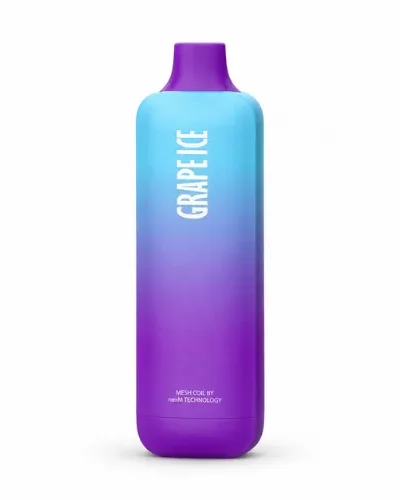
Single-use disposable vapes cannot be purchased from Australian pharmacies. Legal pharmacy access focuses on compliant therapeutic systems rather than throwaway retail products. For example, a rechargeable device using replaceable pods may qualify when it meets all requirements. A brightly coloured disposable device does not become lawful because a seller calls it therapeutic.
Compliant does not mean formally approved
Many consumers assume pharmacy products have received full approval for safety and effectiveness. However, no therapeutic vapes may appear on the Australian Register of Therapeutic Goods at a given time. Products outside that register remain unapproved therapeutic goods. Pharmacies access them through special legal pathways.
These products must still comply with mandatory standards and notification requirements. Nevertheless, compliance does not mean the regulator has individually assessed each product for quality, safety, or effectiveness. Pharmacists must explain this status and obtain informed consent. Therefore, consumers should ask about ingredients, device operation, dosing, and adverse effects.
The Therapeutic Goods Administration maintains detailed consumer information about therapeutic vapes. Notably, rules can change as standards and local legislation develop. Checking official guidance helps consumers avoid relying on outdated shop advice. It also clarifies why a pharmacy may decline a particular product.
4. How to Buy a Vape Legally: Step-by-Step
Legal access starts with your therapeutic need, not a preferred flavour or device. Before visiting a pharmacy, consider whether you want to quit smoking or manage nicotine dependence. Additionally, gather information about your current tobacco and vape use. A clear history helps the pharmacist recommend an appropriate approach.
Follow the legal pharmacy pathway
- Check your local rules. Review current state or territory requirements for prescriptions, age limits, and pharmacy supply.
- Find a participating pharmacy. Call first because pharmacies do not have to stock therapeutic vapes.
- Request a pharmacist consultation. Ask for a private discussion if you prefer confidentiality.
- Present valid identification. The pharmacist must confirm identity and age before non-prescription supply.
- Explain your therapeutic goal. Describe your smoking, vaping, previous quit attempts, and nicotine dependence.
- Discuss available treatments. Consider patches, gum, lozenges, medicines, counselling, and therapeutic vaping where appropriate.
- Obtain a prescription when required. Contact a qualified medical or nurse practitioner for restricted access.
- Follow the agreed plan. Use the supplied product at the recommended strength, dose, and frequency.
During the consultation, the pharmacist must determine whether supply is clinically appropriate. For instance, they may ask how many cigarettes you smoke each day. They could also ask about morning cravings, previous treatments, and other medicines. Moreover, they should explain risks, correct use, and available quitting support.
What the pharmacist may recommend
Registered first-line options may suit many people better than vaping. Therefore, the pharmacist may discuss nicotine patches, gum, sprays, inhalators, or lozenges first. They may recommend combining a patch with a fast-acting product. This approach can manage steady withdrawal and sudden cravings.
If therapeutic vaping remains appropriate, the pharmacist can discuss nicotine concentration and device use. Additionally, they should explain that the product may not appear on the national therapeutic register. You may need to provide informed consent before supply. Ask questions whenever the risks or instructions seem unclear.
Generally, the pharmacist may provide no more than one month’s therapeutic supply during one month. Buying from several pharmacies does not create a lawful way around that restriction. Furthermore, pharmacies should supply products directly to the patient, with limited exceptions for carers. Keep records of your product, strength, and purchase date.
For example, imagine Mia smokes 15 cigarettes daily and has tried gum alone. She discusses cravings, medicine use, and her quitting goal with a pharmacist. The pharmacist may suggest combination nicotine therapy before considering a vape. Alternatively, Mia may receive a compliant product if the pharmacist considers it suitable.
5. Online Orders, Personal Imports, and Traveller Rules
Ordering from an overseas vape website does not bypass Australian law. Vaping devices, accessories, liquids, and liquid nicotine face strict import controls. Furthermore, the former personal import pathway does not generally let consumers mail-order vapes for themselves. A prescription alone does not automatically authorise a personal shipment.
Border authorities may intercept prohibited vaping goods arriving by post or courier. As a result, the buyer may lose the products and the money paid. Further enforcement action may also follow, depending on the circumstances. Claims such as “customs-safe packaging” should raise immediate concern.
Why online advertising can mislead buyers
An overseas seller may accept an Australian address without checking local law. However, successful checkout does not make the import lawful. Likewise, an Australian-looking website may operate overseas or use an unauthorised fulfilment service. Check whether a genuine participating pharmacy controls the sale and consultation.
Social-media sellers present similar problems. Specifically, they may advertise imported disposable vapes through private messages or local delivery. These products can contain undeclared nicotine or inconsistent ingredients. Moreover, buyers may have little practical recourse when a device leaks, overheats, or causes illness.
The separate traveller exemption
A limited traveller exemption applies to qualifying vaping goods carried into Australia in accompanied baggage. The goods must support treatment for the traveller or another traveller under their care. Additionally, the exemption does not cover ordinary postal orders or unaccompanied shipments. Travellers should carry the goods themselves when arriving by air or sea.
The general quantity limits allow each qualifying traveller to carry:
- No more than two vapes
- No more than 20 cartridges, capsules, or pods
- No more than 200 millilitres of vape liquid
These limits are not shopping allowances for commercial resale. The goods must relate to personal treatment under the traveller exemption. Furthermore, cannabis products and other controlled substances can trigger separate requirements. A product may need to satisfy both vaping and medicine rules.
Border requirements can change, and individual circumstances vary. Therefore, confirm the latest Australian Border Force and Therapeutic Goods Administration guidance before departure. Keep products in original packaging where possible. Additionally, declare them when border officers or arrival forms require disclosure.
For example, carrying three devices exceeds the general two-vape limit, even when each device belongs to one traveller. A companion may have a separate allowance if their goods support their own treatment. However, splitting commercial quantities among passengers could attract scrutiny. When uncertain, seek official advice before travelling.
6. Illegal Vape Sales, Possession, and Potential Penalties
Illegal vape sales often look ordinary because products sit beside snacks, cigarettes, or phone accessories. However, a familiar shopfront does not create legal authority. Convenience stores, tobacconists, market stalls, and vape shops cannot lawfully sell consumer vaping goods. The same concern applies to social-media sellers and non-pharmacy websites.
Warning signs of an unlawful sale
- The seller operates outside a pharmacy
- The product is a single-use disposable vape
- Flavours include fruit, candy, dessert, or soft drinks
- The packaging uses cartoons, neon colours, or youth-focused designs
- The seller offers delivery without a pharmacist consultation
- No one checks age, therapeutic need, or identification
- The seller promises to avoid customs inspection
Illicit products also create practical health risks. Labels may omit nicotine or show an inaccurate concentration. Additionally, liquids can contain contaminants, excessive nicotine, or ingredients unsuited to inhalation. Device faults may cause leaks, burns, overheating, or battery fires.
For instance, a device labelled “nicotine-free” may still expose the user to nicotine. Without reliable testing, the buyer cannot judge the true dose. Moreover, unexpected nicotine can cause dependence or poisoning. Children face particular danger if they swallow concentrated liquid.
Personal possession versus commercial conduct
Federal reforms focus heavily on unlawful importation, manufacture, advertising, commercial possession, and supply. They do not primarily target individuals holding a small amount for personal use. However, that principle does not guarantee lawful possession everywhere. State and territory rules can differ.
Therefore, consumers should not treat “personal use” as a universal defence. Local law may restrict possession, use in smoke-free areas, or supply to another person. Giving or selling a vape to a friend can also move beyond personal possession. Most importantly, supplying minors can trigger serious consequences.
Businesses face substantial enforcement risks. Authorities can seize goods, issue infringement notices, seek civil penalties, or pursue criminal charges. Serious breaches can attract penalties reaching millions of dollars for companies. Individuals involved in major offending can also face large fines and imprisonment.
Exact penalties depend on the offence, offender, jurisdiction, and conduct. For example, a large commercial importer faces different exposure from a consumer carrying one device. Repeated offences and deliberate concealment can make matters worse. Therefore, businesses should obtain qualified legal advice rather than relying on supplier assurances.
Consumers can report suspected illegal supply to the appropriate health authority or regulator. Useful details include the seller’s name, location, website, product photographs, and purchase date. However, avoid confronting staff or placing yourself at risk. Emergency services should handle fires, severe poisoning, breathing trouble, or loss of consciousness.
7. Health Considerations and Alternatives to Vaping
Legal availability does not mean vaping is harmless. Vape aerosol can expose users to nicotine and other potentially harmful substances. Moreover, nicotine can cause dependence and withdrawal symptoms. Young people, pregnant people, and non-smokers face particular concerns.
Therapeutic vaping generally supports smoking cessation or nicotine-dependence management after professional advice. It should not become a recreational starting point for someone who does not smoke. Additionally, the long-term goal should usually include reducing dependence. A pharmacist or doctor can help set realistic review dates.
Several evidence-based alternatives may suit your needs:
- Nicotine patches for steady support
- Gum, lozenges, sprays, or inhalators for sudden cravings
- Prescription quitting medicines where clinically appropriate
- Behavioural counselling and pharmacist support
- Quitline coaching and structured follow-up
- A personalised plan for quitting smoking or vaping
For instance, someone with strong morning cravings may use a patch plus a fast-acting product. Meanwhile, counselling can identify triggers linked to coffee, stress, alcohol, or social settings. Combining practical support with suitable treatment often makes a quit attempt easier. Therefore, ask for help before frustration leads to relapse.
Conclusion
Australians can legally access certain therapeutic vapes through participating pharmacies. However, age, nicotine strength, prescriptions, product design, monthly limits, and local laws all affect eligibility. Adults may access products containing up to 20 mg/mL without a prescription where local law permits. People under 18 and anyone needing stronger nicotine generally require a prescription.
Ordinary retailers and unauthorised online sellers cannot legally supply vapes. Furthermore, consumers generally cannot arrange overseas personal imports to avoid the pharmacy system. A limited traveller exemption exists for accompanied baggage and personal treatment. Even then, strict quantity limits apply.
Most importantly, pharmacy access does not make vaping risk-free or appropriate for everyone. Registered nicotine treatments, prescription medicines, counselling, and Quitline support may offer better options. Check your state or territory rules first, then speak with a pharmacist or qualified prescriber. Take that step before attempting to purchase or import any vape.