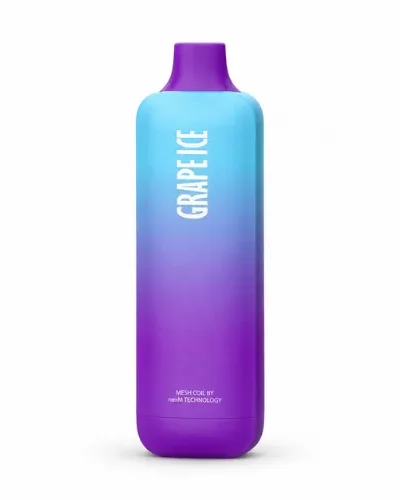

Can you legally buy, possess, use, or bring a vape into Australia in 2026? The answer changes with the product, your age, your location, and how you obtained it. Vaping Laws in Australia: A Complete Guide for 2026 explains those differences without burying them in legal language.
Australia combines federal controls with separate state and territory laws. Therefore, a product may satisfy national supply rules yet remain restricted under local medicines or public-health legislation. Consumers, travellers, parents, pharmacists, and retailers must consider both layers.
Generally, lawful consumer access runs through participating pharmacies for smoking cessation or nicotine-dependence management. However, pharmacy availability does not make every vape legal everywhere. Importation, commercial possession, supply, advertising, and public use face additional controls.
1. Vaping Laws in Australia: A Complete Guide for 2026
The national position at a glance
Australian law regulates nicotine and nicotine-free vaping goods. Specifically, the rules cover devices, liquids, pods, cartridges, capsules, and many accessories. A shop cannot avoid the restrictions by labelling a product “nicotine-free” or “for aroma use.”

Legal retail supply generally occurs only through participating pharmacies and for a therapeutic purpose. That purpose must involve quitting smoking or managing nicotine dependence. Consequently, tobacconists, convenience stores, vape shops, and ordinary online retailers cannot lawfully sell consumer vapes.
- Adults may access eligible products containing no more than 20 mg/mL of nicotine through a pharmacist, where local law permits.
- A prescription applies when the nicotine concentration exceeds 20 mg/mL.
- People under 18 require a prescription where their jurisdiction permits supply to minors.
- Products containing more than 50 mg/mL of nicotine cannot qualify for lawful therapeutic supply.
- Permitted flavours generally remain limited to tobacco, mint, and menthol.
- Single-use disposable vapes cannot form part of ordinary pharmacy supply.
Notably, therapeutic vapes remain unapproved therapeutic goods unless included in the Australian Register of Therapeutic Goods. The Therapeutic Goods Administration has not evaluated unapproved products like registered medicines. However, products supplied through lawful pathways must meet relevant standards and notification requirements.
Federal rules are only the starting point
The Commonwealth controls matters including imports, national therapeutic goods requirements, manufacturing, advertising, and much commercial supply. Meanwhile, states and territories regulate medicines, poisons, retailers, minors, public use, and smoke-free places. Both sets of rules can apply to one transaction.
For example, federal rules create a pharmacist-only pathway for certain adults. However, a jurisdiction may impose extra conditions or require a prescription. A local law may also prohibit supply to anyone under 18, even when that person holds a prescription.
Therefore, “legal in Australia” rarely answers every practical question. You must ask where the product came from, who supplied it, and why it was supplied. Additionally, you must consider the user’s age, the nicotine strength, and the intended location of use.
2. How to Buy a Vape Legally in Australia
A step-by-step access pathway
Start by considering approved quitting options with a health professional. These include behavioural support, nicotine patches, gum, lozenges, sprays, and registered prescription medicines. Therapeutic vapes do not serve as the usual first treatment choice.

- Check your local rules. Confirm whether your state or territory permits pharmacist-only supply without a prescription.
- Contact a participating pharmacy. Ask whether it stocks eligible therapeutic vaping goods and provides the required consultation.
- Bring identification. A pharmacist must verify age before supplying an adult without a prescription.
- Discuss your needs. Explain your smoking history, current nicotine use, previous quitting attempts, and relevant medical conditions.
- Review other treatments. The pharmacist should discuss established quitting options, suitable dosage, treatment length, and support services.
- Follow the supply limit. Without a prescription, supply cannot exceed a reasonable one-month therapeutic quantity once each month.
Imagine that Mia, aged 32, has tried patches and counselling but continues smoking. She asks a pharmacy for a 20 mg/mL mint vape. The pharmacist checks her identification, assesses her needs, and may supply one month’s quantity if local law permits.
However, the pharmacist can refuse supply when the product appears unsuitable. The pharmacist may recommend another treatment or refer Mia to a medical practitioner. Holding identification does not create an automatic right to receive a vape.
Pharmacist-only versus prescription-only supply
A pharmacist-only product contains no more than 20 mg/mL of nicotine and serves an eligible adult. The buyer does not simply select it from a shelf. Instead, a pharmacist personally assesses the request and keeps the goods behind the counter.
Prescription-only access applies to concentrations above 20 mg/mL. It also applies to patients under 18 where local law allows treatment. Moreover, a prescription may become necessary when local legislation or complex clinical needs require medical supervision.
A medical practitioner or nurse practitioner may prescribe under an appropriate therapeutic goods pathway. The patient then takes the prescription to a pharmacy willing and able to dispense it. Notably, products above 50 mg/mL remain outside the permitted therapeutic standard.
Zero-nicotine products do not escape pharmacy controls. In fact, the retail restrictions extend to vaping goods regardless of nicotine content. A pharmacy must still supply them for smoking cessation or nicotine-dependence management.
Why pharmacy availability varies
Pharmacies have no obligation to stock or supply therapeutic vapes. Some avoid them because of clinical, operational, insurance, storage, or professional concerns. Additionally, rural pharmacies may have fewer suppliers and less suitable stock.
Available goods must meet applicable Australian standards and appear on the relevant notified list. Therefore, a familiar overseas brand may remain unavailable. Lawful products also face restrictions involving ingredients, packaging, flavours, nicotine concentration, and device design.
Moreover, local medicines and poisons laws can change the supply pathway. Western Australia applies a prescription requirement to nicotine vapes. Victoria prohibits pharmacy supply to people under 18, including supply against a prescription.
Call before travelling to a pharmacy, especially when filling a prescription. Specifically, confirm stock, consultation arrangements, strength, and any local requirements. The TGA Vaping Hub provides current national guidance for consumers and health professionals.
3. Are Possession and Personal Vaping Illegal?
Possession does not equal unlawful retail supply
Australia’s federal reforms do not criminalise genuine personal possession. Their possession offences target commercial dealers, unlawful retailers, and black-market supply chains. Therefore, finding one vape in a user’s pocket differs from finding hundreds inside a convenience-store storeroom.

However, personal possession does not prove lawful purchase. Authorities may still investigate how the product entered Australia or whether someone supplied it illegally. Furthermore, local poisons laws can create separate possession requirements, particularly for nicotine products.
Quantity, packaging, messages, price lists, and payment records can reveal commercial activity. For instance, possessing two devices for personal treatment looks different from carrying 80 boxed products and taking customer orders. Officers assess the complete situation rather than one fact.
Owning, using, sharing, and selling are different acts
Owning usually means keeping a product for personal use. Using introduces smoke-free rules and property policies. Meanwhile, sharing or giving a vape can count as supply, even when no money changes hands.
Selling creates the clearest legal risk because non-pharmacy retail supply remains prohibited. Additionally, buying products for friends and collecting payment may resemble commercial dealing. Social-media sales, schoolyard distribution, and informal deliveries can attract enforcement action.
- Do not sell a vape obtained for your personal treatment.
- Do not give products to a person under 18.
- Do not advertise spare devices or liquids through social media.
- Keep pharmacy receipts and prescriptions when relevant.
- Store nicotine liquids securely away from children and pets.
Where personal vaping remains prohibited
Smoke-free laws commonly treat vaping like smoking. Consequently, bans often cover enclosed public places, workplaces, public transport, health facilities, schools, playgrounds, and certain outdoor dining areas. Exact distances and covered locations differ between jurisdictions.
Private businesses may impose broader rules than legislation requires. For example, a hotel can ban vaping throughout its rooms and balconies. Likewise, an employer, university, landlord, airline, or event organiser may enforce its own lawful policy.
Therefore, ask before vaping when signs or local rules remain unclear. Do not assume an outdoor space permits vaping. Most importantly, never vape on an aircraft or in an area displaying a smoking or vaping prohibition.
4. State and Territory Vaping Rules Compared
How the two legal layers interact
Federal law controls pharmacy-only therapeutic access and prohibits ordinary retail supply across Australia. It also regulates imports, product standards, advertising, manufacturing, and commercial possession. State and territory legislation then adds local medicines, poisons, age, retail, and smoke-free requirements.
The following table offers a practical comparison, not a substitute for local legal advice. “Smoke-free restrictions” means vaping generally follows smoking bans, although covered locations differ. Additionally, local agencies may update rules, exemptions, and enforcement procedures.
| Jurisdiction | Pharmacy access highlight | Important local considerations |
|---|---|---|
| Australian Capital Territory | Eligible adults may use the pharmacist-only pathway, subject to professional assessment. | Vaping follows local smoke-free controls. Medicines, underage supply, and public-place restrictions also apply. |
| New South Wales | Adults may obtain eligible products up to 20 mg/mL without a prescription after consultation. | Vaping is banned wherever NSW smoke-free environment laws prohibit smoking. |
| Northern Territory | Pharmacy-only federal access applies, subject to NT medicines requirements and participating pharmacy policies. | Local tobacco controls regulate e-cigarettes, while smoke-free restrictions cover many workplaces and public areas. |
| Queensland | Pharmacist supply without a prescription requires an appropriate treatment-plan consultation. | Medicines and poisons rules remain significant. Vapes also fall under Queensland smoking-product laws. |
| South Australia | Eligible pharmacy supply remains subject to South Australian medicines and poisons requirements. | Vaping restrictions apply across designated smoke-free areas, with additional controls concerning minors and supply. |
| Tasmania | Participating pharmacies must follow federal requirements and Tasmania’s local medicines and licensing framework. | People under 18 cannot buy, possess, or use vapes. Vaping also follows smoke-free rules. |
| Victoria | Adults may access eligible products up to 20 mg/mL after a pharmacist assessment. | Supply to anyone under 18 remains prohibited, including pharmacy dispensing against a prescription. |
| Western Australia | Western Australian law requires a prescription for nicotine vaping products. | Non-pharmacy retailers cannot store, sell, or supply vaping products. Smoke-free and poisons laws also apply. |
Why travellers should check both locations
Crossing a state border can change the rules affecting supply, possession, or use. For example, a prescription may become necessary when seeking nicotine products in Western Australia. A person under 18 also encounters particularly strict rules in Victoria and Tasmania.
Moreover, public-use bans differ in their wording and geographical reach. One jurisdiction may specify transport stops, building entrances, sporting grounds, or outdoor dining zones differently. Councils and property managers may create further vape-free spaces.
Therefore, consult the relevant health department before buying or travelling. Check again when treating a minor, carrying high-strength nicotine, or moving between jurisdictions. Official guidance remains the safest source because local legislation and enforcement practices can change.
5. Bringing Vapes into Australia and Import Restrictions
Accompanied baggage has a limited traveller exemption
Australia treats vaping goods as prohibited imports unless an exemption or permission applies. However, eligible travellers may bring limited goods in accompanied baggage for their own treatment. The goods must travel with the person who intends to use them.
Current Australian Border Force guidance describes maximum traveller quantities. These limits cover up to two vapes, 20 cartridges, capsules, or pods, and 200 mL of vape liquid. Notably, meeting the quantity limit does not authorise resale, gifting, or commercial distribution.
The traveller exemption covers devices, accessories, vaping substances, and liquid nicotine. It also applies regardless of whether a product contains nicotine. Therefore, calling a liquid “nicotine-free” does not remove it from border controls.
Special rules affect cannabis products and heat-not-burn goods. Moreover, airline safety requirements regulate batteries and cabin baggage separately. A product can satisfy a customs exemption yet breach airline dangerous-goods rules.
Mail and online orders follow different rules
The accompanied traveller allowance does not create a personal mail-order allowance. Consumers generally cannot order vapes from an overseas website for delivery by post or courier. Authorities may seize prohibited shipments at the border.
Furthermore, old advice about personal importation may no longer reflect current law. A prescription does not automatically authorise an overseas parcel. Importers usually need prior permission and must satisfy therapeutic goods, customs, product, and supply requirements.
For example, Liam may bring one reusable device and several pods in his luggage for treatment. However, he cannot return home and order six months of liquid from the same overseas seller. The second transaction uses an import pathway rather than the accompanied traveller exemption.
- Keep vaping goods in accompanied baggage and within current quantity limits.
- Carry pharmacy labels, treatment information, or a prescription when available.
- Never carry stock for friends, customers, or resale.
- Check battery requirements with the airline before packing.
- Declare goods when an officer requests disclosure or when eligibility remains uncertain.
Most importantly, review Australian Border Force guidance before departure. Border rules can change between booking and arrival. When uncertain, seek written guidance before travelling rather than relying on a seller’s assurances.
6. Penalties, Enforcement, and Common Legal Questions
How enforcement works in realistic situations
Enforcement involves the TGA, Australian Border Force, state and territory health departments, police, and other regulators. These bodies share intelligence and conduct inspections, border seizures, controlled purchases, and joint operations. Their main focus includes unlawful commercial supply and organised distribution.
Consider a tobacconist selling colourful “zero-nicotine” disposable vapes beneath the counter. The nicotine label does not protect the business because federal restrictions cover nicotine-free vaping goods. Inspectors may seize stock, issue infringement notices, seek closure measures, or begin a prosecution.
Meanwhile, a traveller exceeding the accompanied allowance may lose the products at the border. Officers may investigate whether the quantity suggests resale. Serious or repeated conduct can trigger stronger action than an honest, isolated mistake.
A teenager carrying one vape presents another situation. Federal reforms do not target genuine personal possession. However, Tasmania prohibits underage possession, while schools and other jurisdictions may apply separate rules or disciplinary policies.
Why one penalty figure would mislead readers
Penalty amounts depend on the specific offence and governing legislation. They also vary by jurisdiction, court outcome, quantity, intent, and previous conduct. Furthermore, companies may face much higher maximum penalties than individuals.
Illegal importing, advertising, manufacturing, commercial possession, and retail supply involve different offences. Local laws add penalties for underage supply, prohibited public use, licence breaches, and poisons offences. Therefore, no single fine accurately describes “the penalty for an illegal vape.”
Authorities can use more than financial penalties. Available responses may include warnings, infringement notices, seizure, forfeiture, destruction, injunctions, closure orders, licence action, and prosecution. In serious cases, legislation may also provide imprisonment.
Common questions answered
Can I buy a nicotine-free vape at a convenience store? No. The pharmacy-only retail framework covers vaping goods whether they contain nicotine or not. A “nicotine-free” label does not create an ordinary retail exemption.
Can an adult buy any vape from a pharmacy without a prescription? No. The product must qualify for therapeutic supply, and the pharmacist must assess the request. Nicotine strength, local law, product standards, and monthly limits still apply.
Can I give my vape to a friend? That action can amount to supply. The legal framework distinguishes private possession from transferring a product to another person. Supplying a minor creates additional risk.
Can I vape wherever smoking is allowed? Not necessarily. Property owners and workplaces may impose stricter policies. Additionally, some local rules regulate vaping through provisions beyond ordinary smoking bans.
Does a prescription allow online imports? Generally, no. Consumer mail imports face separate prohibitions, and a prescription alone does not create border permission. Use an Australian participating pharmacy unless authoritative guidance confirms another lawful pathway.
Practical compliance checklist
- Consumers: Use a participating pharmacy, keep relevant records, and check local possession and smoke-free laws.
- Travellers: Verify border limits, pack goods in accompanied baggage, and confirm airline battery requirements.
- Parents: Check local underage possession rules and seek professional help for nicotine dependence.
- Pharmacies: Confirm product notification, patient eligibility, nicotine strength, consultation duties, and local medicines requirements.
- Businesses: Do not stock, advertise, sell, gift, or commercially possess vaping goods without clear legal authority.
- Employers and venues: Maintain clear vaping policies and display signs where local rules require them.
When facts remain uncertain, stop the transaction and obtain current advice. Specifically, businesses should seek qualified legal guidance before handling any vaping goods. A supplier’s invoice or claim of legality does not override Australian law.
Conclusion
Australia permits tightly controlled access to eligible therapeutic vapes through participating pharmacies. However, non-pharmacy sales, most consumer imports, disposable-vape supply, and unauthorised commercial activity remain prohibited. These controls apply to both nicotine and nicotine-free vaping goods.
Personal possession differs from illegal commercial supply under federal law. Nevertheless, state and territory laws can add requirements concerning nicotine, minors, prescriptions, public use, and smoke-free spaces. Sharing, advertising, or selling a personally held product can also change its legal status.
Therefore, check the latest TGA, Australian Border Force, and relevant state or territory guidance before acting. Do this before buying, using, supplying, or travelling with vaping products. When rules appear unclear, ask a pharmacist, regulator, or qualified legal adviser for guidance.