

Within hours of putting down a cigarette, vape, pouch, or other nicotine product, an ordinary day can suddenly feel much harder. What is nicotine withdrawal? It is the body’s temporary response when someone who is dependent on nicotine cuts back or stops using it. Irritability, restlessness, poor concentration, and strong urges may show up before the person realizes what is happening.
These changes can be uncomfortable, but they usually ease with time and support. Everyone experiences withdrawal differently, depending on nicotine use, health, stress, and daily routines. Knowing what may happen helps you prepare, handle cravings, and spot symptoms that need medical attention.
1. What Is Nicotine Withdrawal and Why Does It Happen?
Nicotine withdrawal refers to the physical, emotional, cognitive, and behavioral symptoms that can follow a substantial reduction in nicotine or stopping it altogether. It happens because the body and brain have adapted to repeated nicotine exposure. Withdrawal can occur even when someone feels completely committed to quitting.
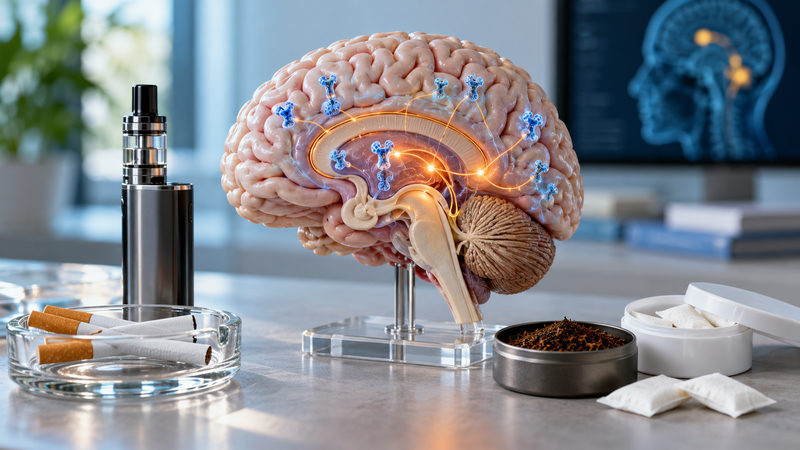
Physical dependence means the body has adjusted to regular nicotine and reacts when nicotine levels drop. Addiction also includes cravings, repeated use, learned habits, and difficulty controlling use despite unwanted consequences. These conditions come from biological and behavioral changes—not weakness or poor character.
How nicotine changes brain signaling
Nicotine reaches the brain and activates receptors involved in attention, stress responses, and reward. It also raises dopamine activity in pathways that reinforce rewarding experiences. After repeated exposure, the brain starts to expect nicotine as part of its usual balance.
Once nicotine stops, those receptors and signaling systems need time to readjust. Everyday tasks may feel less rewarding, and concentration or mood can temporarily decline. The brain gradually adapts, though learned associations may linger after the physical symptoms improve.
Products that can create dependence
Dependence can develop from many nicotine sources, not just cigarettes. The risk is shaped by delivery speed, dose, frequency, and product design. Products associated with nicotine dependence include:
- Cigarettes and cigars
- Vaping products and electronic cigarettes
- Chewing tobacco, snuff, and other smokeless tobacco
- Hookah tobacco
- Nicotine pouches
- Nicotine medicines used incorrectly or longer than directed
Nicotine medicines provide controlled doses and can help people quit when used correctly. Users should still follow product directions and professional advice. A pharmacist or healthcare professional can explain dosing, combination treatment, and how to taper safely.
Nicotine leaves the body faster than habits and emotional associations fade. Morning coffee, for example, may trigger an urge because nicotine once went with that routine. Driving, finishing a meal, feeling stressed, or spending time with certain friends can prompt similar reactions.
Withdrawal is usually uncomfortable rather than medically dangerous. Still, not every new symptom should automatically be blamed on withdrawal. Chest pain, severe breathing trouble, confusion, fainting, or rapidly worsening symptoms need prompt medical assessment.
2. Nicotine Withdrawal Symptoms: Physical, Emotional, and Cognitive Effects
Nicotine withdrawal symptoms differ widely in both type and intensity. Some people notice several changes; others have only cravings and mild irritability. Symptoms can also vary from one quit attempt to the next.

Emotional and cognitive symptoms
Irritability is one of the best-known effects of withdrawal. Small delays, noises, or disagreements may suddenly feel far more frustrating than usual. Anxiety, restlessness, low mood, impatience, and mood swings can also appear while brain signaling adjusts.
Brain fog and trouble concentrating are also common. A report that normally takes 30 minutes may need to be completed in several short sessions. Cutting back on unnecessary demands during the early days can make quitting feel more manageable.
Strong cravings may arrive suddenly and feel urgent. Someone might automatically reach toward the pocket, desk, or bag where nicotine used to be kept. Sometimes that habitual movement happens before the person consciously notices the craving.
Nicotine may have acted as both a chemical reward and a familiar coping ritual. Losing both at once can temporarily increase anxiety, frustration, or sadness. Persistent depression or severe anxiety, however, deserves professional attention—especially when it interferes with daily life.
Physical symptoms
Physical effects can include headache, fatigue, dizziness, nausea, constipation, and mouth discomfort. Sleep may become lighter, shorter, or more broken. Some people experience the opposite and sleep longer because withdrawal makes them unusually tired.
Coughing may temporarily become more noticeable after someone stops smoking. As smoke exposure ends, the airways may start clearing mucus more effectively. A severe, bloody, painful, or persistent cough, however, should never be dismissed as normal withdrawal.
After stopping oral nicotine products, some people notice sore gums, mouth irritation, or changes in saliva. Others develop a dry mouth after giving up a frequent vaping routine. Dental or medical advice may be useful if the discomfort persists or gets worse.
Appetite and digestive changes
Appetite often increases after quitting because nicotine previously reduced hunger for some users. Taste and smell may improve too, making food more enjoyable. Eating can also replace the hand-to-mouth routine once provided by cigarettes, vapes, or pouches.
Someone might, for example, start snacking whenever a work break brings on an urge. Planned portions, fruit, vegetables, and sugar-free gum can add structure without requiring a strict diet. The immediate priority is to maintain the quit attempt while supporting overall health.
Constipation can develop when nicotine use ends and daily routines shift. Fluids, fiber-rich foods, and regular movement often help bowel habits return to normal. Severe abdominal pain, vomiting, bleeding, or prolonged constipation requires medical advice.
No single symptom confirms nicotine withdrawal. Infections, medication effects, sleep disorders, anxiety conditions, and other health problems can cause similar changes. Contact a healthcare professional if symptoms feel unusual, severe, or unrelated to craving patterns.
3. Nicotine Withdrawal Timeline: Onset, Peak, and Duration
Cravings and other symptoms may start within hours of the last nicotine exposure. The timing varies with the product, dose, metabolism, and usual frequency of use. Someone who vapes throughout the day may notice changes sooner than an occasional user.

The first day
During the first day, nicotine levels drop and familiar routines are disrupted. A morning commute, meal, or work break may bring an unexpectedly strong urge. Irritability, restlessness, headache, hunger, or concentration problems may begin as well.
Preparing for these predictable moments can make them less surprising. A commuter, for instance, might bring water and gum and choose an engaging podcast. Removing nicotine products also helps prevent an automatic response when a difficult moment hits.
The first several days
Withdrawal often feels most intense during the first several days. For many people, the first three days are especially difficult. One challenging day does not mean that every day afterward will be just as hard.
Cravings tend to come in waves instead of staying constant. Each wave often fades within several minutes, particularly when the person switches activities. Focusing on the next few minutes can be easier than thinking about permanent abstinence.
The following weeks and months
Many symptoms gradually ease over two to four weeks. Sleep, mood, concentration, appetite, or energy may take longer to return to normal. Progress can feel uneven too—a difficult afternoon may follow several comfortable days.
Nicotine clears from the body faster than learned dependence fades. The brain needs more time to adjust its reward signaling and stress responses. Daily routines must also start feeling familiar without the old nicotine ritual.
Cue-driven cravings may continue for months, even after physical withdrawal improves. Alcohol, social gatherings, stress, or the smell of smoke can revive an old association. These later urges usually become less frequent and easier to handle.
What affects withdrawal duration?
No timeline can predict one person’s exact experience. Several factors affect when withdrawal starts, how severe it feels, and how long it lasts:
- Total daily nicotine intake
- Nicotine concentration and delivery speed
- Frequency and years of use
- Overall level of dependence
- Current stress and sleep quality
- Mental health and other health conditions
- Experiences during previous quit attempts
- Access to medication and social support
Someone who uses several high-nicotine products may need a different plan than an occasional user. An individualized assessment can help prevent undertreatment. Previous quit attempts also offer useful clues about triggers, helpful tools, and medication needs.
4. How to Reduce Nicotine Cravings and Withdrawal Symptoms
A craving may feel like a command, but it is temporary. One simple response combines delay, deep breathing, water, movement, and distraction. Start by waiting several minutes before making any decision about nicotine.
Use a five-step craving response
- Delay: Commit to waiting five or ten minutes before acting.
- Breathe: Take slow breaths, using a longer exhale.
- Drink: Sip water slowly and notice each swallow.
- Move: Leave the triggering location or walk briefly.
- Distract: Start a short task, message someone, or play a quick game.
Then identify the situations that repeatedly lead to nicotine use. Common triggers include stress, alcohol, coffee, driving, meals, work breaks, and social events. Seeing someone smoke or vape can create a powerful urge too.
A useful trigger plan pairs each situation with another action. After lunch, for example, take a short walk instead of standing near a smoking area. It may also help to limit alcohol early in the quit attempt, since it can weaken planned decisions.
Build nicotine-free coping routines
Movement can ease tension and break an automatic pattern. Paced breathing and mindfulness may help someone notice a craving without acting on it right away. Hobbies and social contact also provide rewards while the brain adjusts.
Sugar-free gum, crunchy vegetables, or measured snacks can satisfy oral habits. A pen, stress ball, craft, or handheld puzzle gives the hands something to do. Choose tools that actually suit the situation, whether that is a meeting, a trip, or an evening at home.
Match the strategy to the symptom
- Irritability: Take brief pauses, warn supportive people, and postpone avoidable arguments.
- Brain fog: Use written reminders, shorter work periods, and fewer simultaneous tasks.
- Headache: Hydrate, eat regularly, rest, and ask about safe pain relief when needed.
- Fatigue: Use light activity, daylight exposure, and a consistent sleep schedule.
- Appetite changes: Plan balanced meals, fiber-rich foods, and portioned snacks.
- Sleep disruption: Keep regular sleep times and reduce late caffeine, alcohol, and screen exposure.
Hydration and balanced meals can improve comfort, though they will not make withdrawal disappear instantly. Regular movement may help with mood, sleep, and bowel function. Be careful with excessive caffeine, which may worsen anxiety because it can affect people differently after smoking cessation.
Consider nicotine replacement therapy
Nicotine replacement therapy supplies controlled nicotine without the toxic combustion products found in cigarette smoke. It can reduce withdrawal while a person changes routines and gradually lowers nicotine exposure. Using an approved treatment does not erase progress or recreate the original tobacco pattern.
Patches offer steady, long-acting support throughout the day. Gum and lozenges work more quickly when sudden cravings strike. Nicotine inhalers and nasal sprays may also be available through healthcare professionals in some locations.
For some adults, combining a patch with a short-acting option helps control both background withdrawal and breakthrough cravings. The correct dose and technique matter. A pharmacist or healthcare professional can explain patch use, chewing technique, side effects, and appropriate combinations.
Discuss prescription options
Varenicline can reduce cravings and make nicotine use feel less rewarding. Bupropion may also ease withdrawal symptoms for some people. Both medicines require professional guidance about side effects, interactions, contraindications, and personal health history.
Some people quit abruptly, while others gradually reduce nicotine before a planned stop date. Either method should move toward a clear stop plan rather than indefinite reduction. The right approach depends on personal preference, dependence, health history, previous attempts, and professional advice.
Pregnant people and anyone with significant medical or mental health conditions should get individualized guidance. The same is true for someone who takes several medicines or has had serious medication reactions. Treatment needs to support safety as well as comfort.
Nicotine detox drinks, cleanses, supplements, and similar remedies do not have the support behind established cessation treatments. Some may interact with medicines or contain unclear ingredients. They should not take the place of approved medication, behavioral support, or clinical care.
5. Quitting Cigarettes, Vapes, Pouches, or Smokeless Tobacco
Whatever the product, the basic withdrawal mechanism involves nicotine dependence. The experience can still differ because each product delivers nicotine in its own way. Dose, concentration, speed, frequency, and all-day access all shape dependence and withdrawal.
Cigarettes and cigars
Cigarettes deliver nicotine quickly and create strong sensory and social routines. Quitting means giving up lighting, inhaling, holding, and scheduled smoke breaks all at once. A good plan addresses both the withdrawal and these repeated behaviors.
A person may, for example, miss conversations with coworkers during outdoor smoke breaks. They could replace that routine by walking with a supportive colleague or calling a friend. Keeping the social reward can make the behavioral shift feel less isolating.
Vaping products
Vape withdrawal symptoms may feel intense when someone is used to taking frequent puffs all day. High-nicotine products can deliver substantial amounts without obvious stopping points. This makes it easy for users to underestimate their total intake before quitting.
A practical assessment looks at concentration, cartridge use, refill frequency, and daily patterns. Product labels may not show how much nicotine the body actually absorbs. A healthcare professional can use symptoms and usage patterns to help guide treatment.
Nicotine pouches and smokeless tobacco
Pouches, chewing tobacco, and snuff can provide prolonged oral nicotine exposure. Using them repeatedly during work, driving, or relaxation also builds strong location-based routines. Even the sensations in the mouth may become part of the expected reward.
Possible replacements include sugar-free gum, toothpicks designed for oral use, or crunchy snacks. Dental care may be especially relevant because oral products can affect the gums and mouth tissues. Persistent sores, bleeding, lumps, or unexplained pain need professional evaluation.
Multiple nicotine products
Some people smoke, vape, and use pouches in different settings. Every source must be counted when estimating intake and choosing treatment. If not, the plan may offer too little support for the person’s true level of dependence.
Simply switching to another uncontrolled or unapproved nicotine product is not the same as following an evidence-based quit plan. Treatment should instead use clearly dosed medication and a defined strategy. Professional guidance can help avoid accidentally increasing total nicotine intake.
Support that strengthens a quit attempt
Behavioral counseling helps people develop coping skills, plan for triggers, and recover after lapses. Quitlines, support groups, and digital cessation programs can offer steady encouragement. Healthcare teams can also adjust treatment when cravings or side effects remain difficult.
Family and friends are more helpful when they understand what support actually means. Someone may ask for patience, nicotine-free spaces, or a daily check-in. Criticism and constant monitoring can add stress, so expectations should be respectful and specific.
6. Relapse Prevention, Health Benefits, and When to Seek Help
Stress, alcohol, social exposure, untreated withdrawal, and keeping nicotine products nearby are common relapse triggers. Early success can also create overconfidence and weaken preparation. Keep using the supports that work, even after cravings become less frequent.
Make a plan for high-risk situations before they happen. Write down supportive contacts, coping alternatives, medication instructions, and personal reasons for quitting. Decide in advance how you will respond if someone unexpectedly offers you nicotine.
A lapse does not wipe out earlier progress or mean quitting is impossible. Stop again as soon as possible, identify what triggered the lapse, and adjust the plan. Ask for more support rather than letting one episode become a full return.
Quitting starts to reduce continued exposure to harmful tobacco smoke and the risks of other products. Breathing, circulation, taste, smell, and daily stamina may improve with time. Recovery, however, varies according to health, exposure history, and the products previously used.
Choose a quit date, remove products and cues, and decide on medication or support. Tell supportive people, prepare tools for cravings, and arrange follow-up. This turns quitting into a planned health change instead of a test of willpower.
Contact a healthcare professional if symptoms are severe, persistent, worsening, or difficult to manage. Seek advice about major sleep disruption, significant depression, anxiety, pregnancy, medication concerns, or symptoms with an uncertain cause. A clinician can look for other conditions and adjust treatment safely.
Get urgent or emergency help for suicidal thoughts, risk of self-harm, chest pain, severe breathing difficulty, fainting, or confusion. Any other alarming or rapidly worsening symptom also needs immediate attention. Do not wait for it to match a typical withdrawal timeline.
Conclusion
Nicotine withdrawal is the body’s temporary response to reducing or stopping nicotine after dependence has developed. Symptoms often start within hours and commonly peak during the first several days. Many effects improve within weeks, though cue-driven cravings may return later.
Medication, behavioral support, healthy routines, and trigger planning can make quitting safer and easier to manage. Choose a quit date and write down your main triggers. Then contact a healthcare professional, pharmacist, or quitline to create a personalized quitting plan.
Seek urgent help right away for suicidal thoughts, chest pain, severe breathing difficulty, or any other alarming symptom. This information provides general education and cannot replace an individualized diagnosis or treatment plan. Always consult a qualified healthcare professional about personal symptoms, medicines, and treatment decisions.