
A vape may seem simple, but what actually happens between taking a puff and inhaling the cloud? What Is a Vape and How Does It Work? In short, the process relies on a battery, heating coil, liquid, and controlled airflow. That basic explanation, though, leaves out some important details.
Vaping can be hard to understand because the terminology and device designs vary so widely. Phrases such as “harmless water vapor” make matters worse by creating a misleading impression. Vape emissions are aerosols made up of tiny droplets, particles, and chemicals. Understanding how they form makes it easier to assess the risks.
This guide covers vape components, e-liquid, nicotine, inhalation styles, health concerns, and device hazards. It also includes practical safety advice for adults who already vape. The aim is not to portray vaping as harmless or encourage anyone to start. It is to provide clear facts that support informed decisions.
1. What Is a Vape and How Does It Work?
A basic definition of a vape
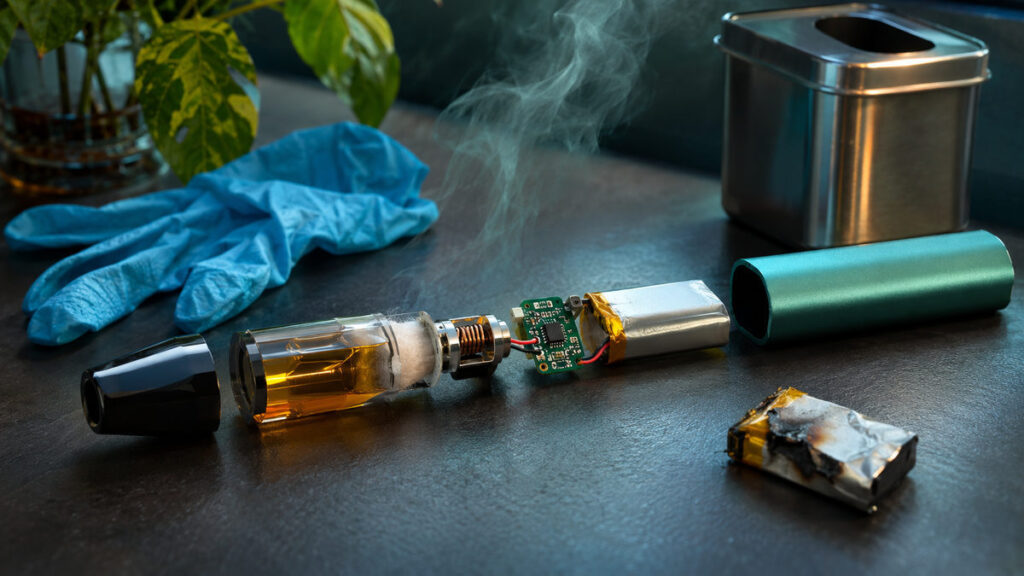
A vape is a battery-powered device that produces an inhalable aerosol. Most models heat e-liquid, though some are designed for other compatible materials. The battery supplies electrical energy to a metal coil, causing it to heat up and warm the material around it.
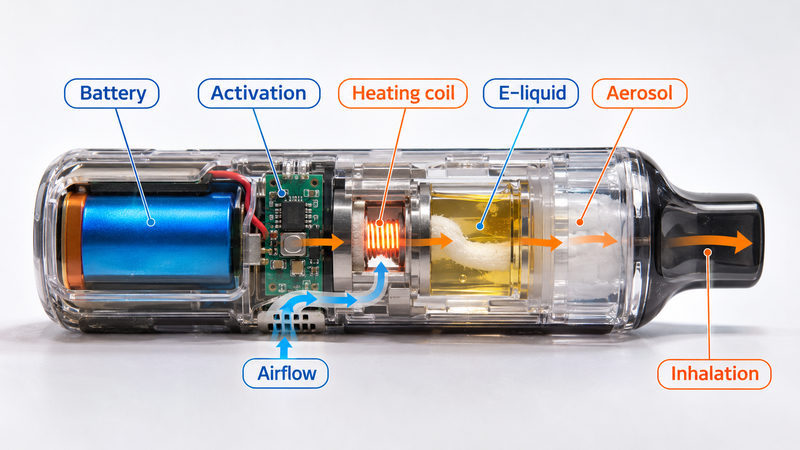
An absorbent wick typically pulls e-liquid from a reservoir toward the coil. Once the liquid reaches the heated surface, it becomes an aerosol. Airflow then carries that aerosol through the mouthpiece, where the user inhales it into the mouth or lungs.
The terms electronic cigarette and e-cigarette are often used as broad labels for vape devices. Yet many modern products look nothing like traditional cigarettes. Some resemble pens, USB drives, or small boxes. Others have large tanks, screens, and adjustable controls.
Heating is different from burning
A conventional cigarette burns tobacco through combustion. This process produces smoke, ash, carbon monoxide, and thousands of chemical compounds. A vape, by contrast, usually heats liquid without burning tobacco. That distinction changes both the mixture and the amount of chemicals a user encounters.
Still, “different” does not mean “safe.” Heat can break down ingredients in e-liquid and form new compounds. The coil and other internal components may also release tiny metal particles. As a result, the aerosol can contain substances capable of irritating or harming the body.
What happens during one puff?
A puff begins when a sensor detects inhalation or the user presses a firing button. The control system sends power from the battery to the coil, which heats the liquid held in the wick and creates an aerosol. Air then moves that aerosol through the mouthpiece.
The result depends on coil temperature, airflow, liquid composition, and puff length. A longer puff, for example, may heat more liquid and create a larger cloud. Too much power can overheat the wick, producing the harsh taste users commonly call a “dry hit.”
Crucially, the visible cloud is not harmless water vapor. Technically, vapor is a substance in its gas phase. Vape emissions are aerosols containing fine liquid droplets suspended in the air. Those droplets may carry nicotine, flavoring compounds, ultrafine particles, metals, and other chemicals.
2. Main Vape Components and What Each Part Does
Battery, chipset, and controls
The battery stores the energy used to heat the coil. Small pod devices often have compact built-in batteries, while larger models may use high-capacity internal cells or removable lithium-ion batteries. A bigger battery can extend operating time, but power settings also affect how quickly it drains.
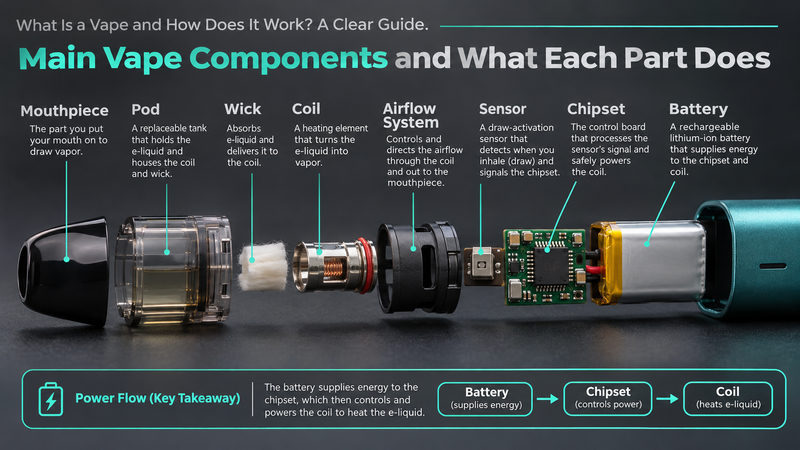
The chipset serves as the device’s control system. It manages electrical output and may track voltage, temperature, and resistance. Regulated devices can also include protection against short circuits, overheating, low voltage, and excessively long firing times. These safeguards lower certain risks, but they cannot prevent every failure.
A draw-activated vape turns on when a sensor detects airflow from a puff. A button-activated model, on the other hand, requires the user to press a control. Some devices support both options. Button-operated models may also have adjustment menus or locking features.
Atomizer, coil, and wick
The atomizer is the assembly that converts e-liquid into aerosol. Its coil is usually made from resistance wire or metal mesh. As electricity passes through the material, resistance generates heat. In effect, the coil works like a tiny electrical heating element.
The wick keeps e-liquid in contact with the coil. Manufacturers typically use cotton or another absorbent material for this job. If the wick dries out or receives too much power, however, it can scorch. Keeping it saturated and using compatible settings helps prevent that.
No coil lasts forever. Sweeteners, flavorings, and repeated heating can leave residue on the heating surface. Users may eventually notice muted flavor, lower output, leaks, or a burnt taste. Once removed, a replaceable coil should be disposed of properly.
Reservoir, mouthpiece, and airflow
A tank or pod holds the e-liquid. Refillable reservoirs can be topped up with compatible liquid, whereas prefilled versions come sealed. Pods are generally compact and straightforward. Tanks tend to offer more capacity and a wider range of adjustments.
The mouthpiece channels aerosol from the device to the user. Its shape and width can influence comfort, airflow, and aerosol temperature. The airflow system controls how much air travels through the atomizer. More airflow usually produces a looser draw and cooler aerosol.
Restricted airflow creates a tighter draw that often feels closer to smoking a cigarette. Wide airflow, by comparison, can support larger clouds and direct lung inhalation. Power, coil design, and airflow need to work together. A poor match can lead to leaks, overheating, or an unpleasant aerosol.
3. What Is in Vape Juice and Vape Aerosol?
Common e-liquid ingredients
Most e-liquids are based on propylene glycol and vegetable glycerin. Propylene glycol carries flavor and gives a sharper sensation in the throat. Vegetable glycerin is thicker and generally creates denser clouds. Manufacturers blend the two in different ratios to suit different devices.

Flavorings produce tastes such as tobacco, mint, fruit, dessert, or beverages. A formula might also include cooling agents, sweeteners, acids, or other additives. But an ingredient considered acceptable in food is not automatically safe to inhale. The lungs handle exposure differently from the digestive system.
Nicotine is optional, so some e-liquids are intentionally made without it. Labels, however, are not always accurate or complete. A product sold as nicotine-free could still contain nicotine because of contamination or incorrect labeling. Even without nicotine, the aerosol may expose users to other potentially harmful substances.
Nicotine forms and strength
E-liquids can contain either freebase nicotine or nicotine salts. Nicotine salts often feel smoother at higher concentrations, particularly in low-power pod devices. This means a small device may deliver a substantial amount of nicotine without feeling extremely harsh. Actual exposure varies with the concentration, device output, and the way someone puffs.
Labels may show nicotine strength in milligrams per milliliter or as a percentage. For example, 20 milligrams per milliliter generally equals about 2%. That figure describes the liquid’s concentration, not the precise amount the body absorbs. How often and how deeply a person inhales can change exposure considerably.
Nicotine liquid can cause poisoning if it is swallowed or gets on the skin or in the eyes. Spills and open containers are especially dangerous around children and pets. Bottles should be closed immediately after use and stored securely. Appealing scents and colorful packaging may draw unwanted attention.
What the aerosol may contain
The heating process changes the liquid before it enters the lungs. Depending on the device and how it is used, the aerosol may contain ultrafine particles and volatile organic compounds. Carbonyl compounds, flavoring by-products, and metals from device components may also be present. Higher temperatures can increase the formation of some unwanted chemicals.
Researchers have detected metals such as nickel, chromium, lead, and tin in vape emissions. The amounts, however, differ between products, coils, and operating conditions. Manufacturing quality and the age of the coil can affect emissions too. That level of variation makes sweeping safety claims unreliable.
The aerosol still contains fine droplets of the liquid’s original ingredients. When inhaled, these droplets can travel deep into the respiratory system. Exhaled aerosol can also enter indoor air and settle on nearby surfaces, exposing other people to some of the same substances.
Calling the cloud “water vapor” masks this complexity. Although small amounts of water may be present, water does not define the emission. An aerosol carries liquid and solid particles through the air. It may look like mist, but its chemistry is quite different.
4. Types of Vape Devices and Inhalation Styles
Common device categories
Cigalikes look similar to traditional cigarettes and are usually simple to operate. Many have small batteries and use prefilled cartridges. Their battery life and aerosol output are often limited, though their familiar shape may appeal to adults moving away from cigarettes.
Vape pens have a slim, cylindrical body paired with a tank or cartridge. They usually offer more battery capacity than cigalikes. Some models also support coil replacement or limited power adjustments. Their medium size strikes a balance between portability and operating time.
Pod systems pair a compact body with removable pods. Some use sealed, prefilled pods, while others can be filled with bottled e-liquid. Many pod devices run on low-power coils and use nicotine salts. Their straightforward controls have made them popular with new and experienced users alike.
Box mods are larger, more powerful devices with a broader range of settings. They may feature replaceable batteries, adjustable wattage, and large tanks. Some also allow users to change temperature limits or airflow configurations. That added complexity leaves more room for incorrect settings and battery errors.
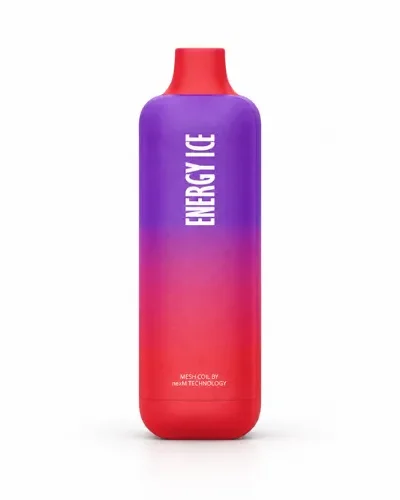
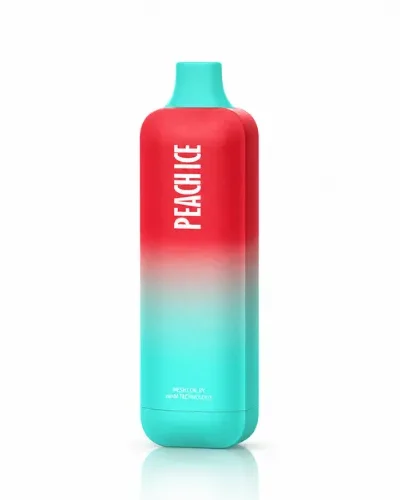
Disposable vapes place the battery, coil, liquid reservoir, and mouthpiece in a single product. Once the battery or liquid runs out, the whole unit is discarded. They are convenient, but they generate considerable battery and electronic waste. Some also contain high concentrations of nicotine.
Disposable, refillable, open, and closed systems
Disposable devices need little maintenance and never require refilling. Repeated purchases, however, may cost more than using a refillable model. Because the units are sealed, users also have less control over the ingredients and condition of the coil. Disposal is another challenge, since every unit contains a battery and electronic components.
Refillable models involve more work, including cleaning, handling liquid, and replacing coils from time to time. In exchange, users have greater control over flavors, nicotine concentration, and hardware. They may also produce less whole-device waste, though bottles, coils, pods, and batteries still need disposal.
An open system lets the user refill a tank or pod. A closed system relies on sealed, prefilled cartridges or pods. Closed systems make liquid handling easier but limit compatible options. Open systems offer more flexibility while increasing the chances of spills, contamination, and incompatible combinations.
Activation and inhalation styles
Draw-activated devices work when the user inhales through the mouthpiece. Button-activated models heat only while the firing button is held down. An unlocked button can be pressed accidentally in a bag or pocket, so using a locking function can help prevent unintended activation.
With mouth-to-lung inhalation, the user draws aerosol into the mouth before inhaling it into the lungs. This style typically uses tighter airflow, lower power, and less aerosol. Many cigalikes and compact pods are designed for it. For someone who previously smoked cigarettes, the sensation may feel familiar.
Direct-to-lung inhalation sends aerosol straight into the lungs with a deeper breath. It usually relies on wider airflow and higher power, and it consumes more liquid. One puff can therefore produce a much larger cloud. Neither inhalation style makes vaping risk-free.
The way someone inhales can affect both nicotine intake and chemical exposure. Device output, liquid strength, and puff duration all matter. Looking only at the nicotine concentration printed on the label can be misleading. A lower-strength liquid used in a powerful device may still deliver a considerable dose.
5. Health Effects of Vaping and Nicotine Addiction
Is vaping safe?
Vaping is not risk-free. Researchers continue to study the long-term effects because products and usage patterns keep evolving. Even so, current evidence already raises concerns about addiction, respiratory irritation, cardiovascular effects, chemical exposure, and accidental poisoning. “Unknown” is not another word for “harmless.”
Adults who switch completely from cigarettes may reduce their exposure to many toxic products of combustion. But smoking while also vaping can preserve much of the harm associated with cigarettes. Switching completely is not the same as occasionally substituting one product for the other. People who do not smoke receive no health benefit from starting to vape.
Short-term effects may include coughing, throat irritation, dry mouth, headaches, nausea, or dizziness. Some users also experience chest discomfort or worsening respiratory symptoms. Reactions differ according to nicotine strength, liquid ingredients, device power, and personal health. Serious or persistent symptoms need medical attention.
Nicotine dependence and the brain
Nicotine reaches the brain and activates receptors connected with reward and attention. With repeated exposure, vaping can become strongly linked to ordinary parts of the day. Driving, stress, social events, or morning coffee may all trigger an urge. Once those patterns take hold, quitting can be difficult.
Over time, users may build tolerance and need more nicotine to get similar effects. When nicotine levels fall, dependence can cause cravings. Withdrawal may also bring irritability, anxiety, poor concentration, restlessness, changes in sleep, or increased appetite. These symptoms often push people to continue using nicotine.
Young brains are particularly vulnerable because development continues into early adulthood. Nicotine exposure can affect attention, learning, mood, and impulse control. Dependence that begins early may also become closely tied to social and emotional routines. Young people should not use nicotine products.
Respiratory and cardiovascular concerns
Vape aerosol can irritate the mouth, throat, and airways, while fine particles may reach deep into the lungs. Certain flavoring chemicals and by-products of heating can also cause inflammation or cellular stress. People who have asthma or other respiratory conditions may experience more severe problems.
Nicotine can temporarily increase heart rate and blood pressure. It also constricts blood vessels, placing extra strain on the cardiovascular system. Other aerosol components may affect how blood vessels function as well. Anyone with a relevant medical condition should discuss nicotine exposure with a qualified healthcare professional.
Accidental poisoning is another serious risk. Liquid nicotine can cause harm when swallowed or absorbed through the skin. Even a small spill may be dangerous to a child. After an exposure, immediate advice from local poison-control or emergency services may be needed.
Secondhand aerosol and higher-risk groups
People nearby can be exposed to nicotine, particles, and other chemicals in exhaled aerosol. Residue may also collect on furniture, clothing, and other indoor surfaces. Secondhand aerosol should not be treated as harmless, and simply opening a window does not guarantee that exposure is eliminated.
Some groups should avoid vaping completely:
- Children, teenagers, and young adults who do not already use tobacco products
- People who do not smoke or use nicotine
- Pregnant or breastfeeding people
- People with health conditions for which a clinician advises avoiding vaping or nicotine
- Anyone unable to store devices and liquids safely around children or pets
Nicotine does not become safe during pregnancy. It can affect fetal development and create a risk of dependence for the parent. Vape aerosol may also contain many substances besides nicotine. A healthcare professional can recommend cessation options that have been studied more thoroughly for use during pregnancy.
6. Vape Safety, Beginner Glossary, and FAQs
Battery and liquid safety
Vapes commonly rely on lithium-ion batteries, which hold a large amount of energy in a small package. A damaged or defective battery can overheat, catch fire, or explode. Counterfeit cells, torn battery wraps, unsuitable chargers, contact with metal objects, and excessive heat all raise the risk of failure.
Adults who already vape can reduce some risks by following these basic precautions:
- Use the manufacturer-recommended charger, cable, batteries, and replacement parts.
- Charge the device on a stable, nonflammable surface within sight.
- Keep batteries away from keys, coins, water, direct sunlight, and extreme temperatures.
- Never use a swollen, leaking, punctured, or unusually hot battery.
- Protect removable cells in dedicated cases during storage and transport.
- Lock or switch off the device before carrying it.
- Keep e-liquid locked away from children and pets.
- Wash exposed skin promptly after an e-liquid spill.
- Contact local poison services after suspected swallowing or significant exposure.
- Use an approved battery or electronic-waste program for disposal.
Loose batteries should never share a pocket with coins or keys. Metal objects can bridge the terminals and trigger a short circuit. Stop charging any device that becomes unusually hot, swollen, or damaged. If it begins smoking or catches fire, move away and seek emergency help.
Handle a leaking container with care. Keep other people away and avoid touching the liquid with bare skin. Clean the spill according to the product directions and advice from local poison services. Contaminated materials must not be left where children or animals can reach them.
Frequently asked questions
Does a vape produce smoke?
Under normal conditions, a vape creates aerosol rather than smoke because it heats liquid without burning tobacco. A damaged or overheated wick can still scorch, however. Even without combustion, the visible emissions may contain harmful substances.
Is vape aerosol only water vapor?
No. It contains fine droplets, particles, and chemicals from both the liquid and the device. Nicotine, volatile compounds, flavoring by-products, and metals may also be present. The exact mixture can vary considerably.
Can a vape contain no nicotine?
Yes. Some e-liquids are sold without nicotine, though contamination and labeling mistakes can happen. Nicotine-free aerosol may still irritate the lungs or contain potentially harmful chemicals.
How does a vape know when someone inhales?
A draw-activated model contains a pressure or airflow sensor. When someone takes a puff, the sensor detects the resulting pressure change and activates the coil without the need for a button.
Why does a vape taste burnt?
A burnt taste often indicates that the wick is too dry or the coil has worn out. Using excessive power or taking several rapid puffs can also overheat the wick. Stop using a coil if it is damaged or continues to taste burnt.
Can secondhand vape aerosol affect other people?
Yes. People nearby may inhale nicotine, particles, and other substances, while aerosol residue can settle on indoor surfaces. Avoid vaping near children, pregnant people, and anyone with a respiratory condition.
Is vaping safer than smoking cigarettes?
Adults who smoke may reduce their exposure to many toxic combustion products by switching completely. Vaping still has risks, however, and should not be called safe. Using both cigarettes and vapes may preserve significant harm.
Compact beginner glossary
- Aerosol: Fine liquid droplets and particles suspended in air.
- Atomizer: The heating assembly that includes the coil and nearby components.
- Coil: A resistance element that heats e-liquid.
- Wick: Absorbent material that feeds liquid to the coil.
- Pod: A compact removable reservoir, sometimes containing an integrated coil.
- Tank: A refillable reservoir commonly used with replaceable coils.
- Mod: A larger device that may offer adjustable power and other controls.
- Nicotine salt: A nicotine formulation often used in compact, low-power devices.
- MTL: Mouth-to-lung inhalation, where aerosol enters the mouth before the lungs.
- DTL: Direct-to-lung inhalation, where aerosol travels directly into the lungs.
- Dry hit: A harsh puff caused when an insufficiently saturated wick overheats.
Conclusion
A vape draws power from a battery to heat e-liquid and produce an inhalable aerosol. That aerosol is not harmless water vapor. Designs and liquids differ, but most devices contain the same core parts: a battery, control system, coil, wick, reservoir, airflow path, and mouthpiece. Every component affects aerosol production and exposure.
Vaping carries risks that include nicotine addiction, chemical exposure, respiratory irritation, cardiovascular effects, secondhand exposure, poisoning, and battery hazards. Adults who switch completely from cigarettes may encounter fewer toxicants than those who keep smoking, but that relative difference does not make either behavior harmless. Using cigarettes and vapes together can also preserve substantial risks.
If you do not vape or smoke, do not start. If you currently smoke or vape and would like to quit, talk with a qualified healthcare professional. Ask specifically about evidence-based cessation support that fits your health and circumstances. Clear advice and a realistic plan can make quitting feel more manageable.