
Could a sweet-smelling cloud expose you to nicotine, metals, and chemicals associated with cellular damage? The answer is yes. Vaping in Australia: Health Risks, Regulations and Support may seem confusing because products, claims, and legal requirements differ. But vape aerosol is not harmless water vapour. Knowing what you are inhaling, where lawful products come from, and how to quit can help protect you and the people around you.
Australian law places strict controls on the importation, manufacture, advertising, and supply of vaping goods. States and territories may impose further rules. This guide clearly explains the evidence, current access pathways, nicotine dependence, and trusted support services.
1. What Vaping Is and What You May Be Inhaling
How vaping works
Vapes, also known as e-cigarettes, contain a battery that powers a small heating element. This element heats an e-liquid, producing an aerosol for the user to inhale. Reusable devices have refillable tanks or replaceable pods, while disposable devices come prefilled and are intended for limited use.

E-liquids usually contain propylene glycol, vegetable glycerine, flavourings, and sometimes nicotine. Yet even products labelled nicotine-free may contain nicotine or other unexpected substances. Therapeutic vapes are intended to support smoking cessation or help manage nicotine dependence. In Australia, lawful therapeutic products must meet product standards and be supplied through strict legal pathways.
Ingredients and contaminants
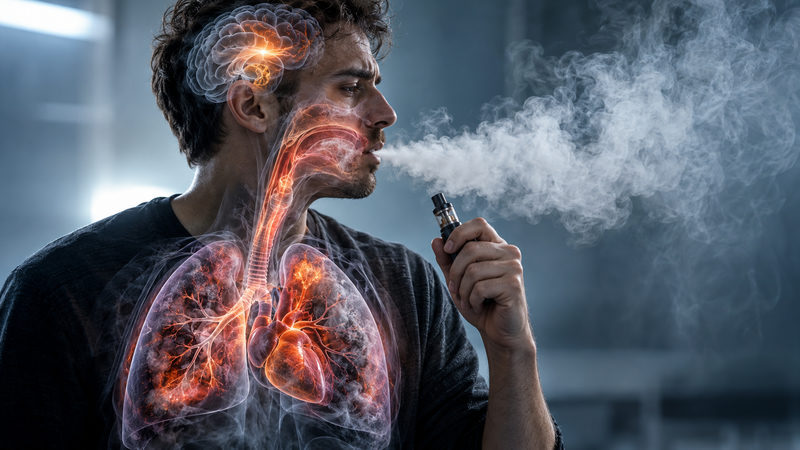
When liquid is heated, its chemical composition changes. The aerosol produced may contain carbonyl compounds such as formaldehyde and acetaldehyde, as well as ultrafine particles that can travel deep into the lungs. Metals including nickel, chromium, and lead may also enter the aerosol from heating coils or other device components.
A flavouring may be safe to eat but unsafe to inhale repeatedly. Illegal products are another concern because their contents may not match the label, and their manufacturing standards can be inconsistent. Exposure also varies with the temperature, condition of the device, liquid ingredients, and the way someone vapes. An overheated coil, for example, may create more irritating breakdown chemicals.
Crucially, “nicotine-free” does not mean risk-free. Even without nicotine, vape aerosol can irritate the airways and expose users to particles and chemical by-products. Flavour and appearance tell you nothing reliable about safety. Many ingredients and contaminants can only be detected through laboratory testing.
2. Vaping Health Risks: Immediate and Long-Term Effects
Immediate symptoms and poisoning
Some people cough, wheeze, feel short of breath, or develop throat irritation soon after vaping. Others experience nausea, headaches, dizziness, chest discomfort, or a racing heartbeat. High nicotine exposure can cause vomiting, confusion, weakness, sweating, and changes in heart rate. In severe cases, poisoning can lead to breathing problems, seizures, or unconsciousness.
Children are especially vulnerable because even a small amount of concentrated e-liquid can cause serious poisoning. The liquid can enter the body if swallowed, spilled on the skin, or splashed into the eyes. Sweet smells and bright packaging may attract young children. Keep all devices and refills locked away, ideally in their original child-resistant containers.
Damaged or faulty lithium batteries pose a different immediate threat. They may overheat, catch fire, or explode near the face or inside a pocket, causing burns, eye injuries, cuts, or dental damage. Never use a swollen battery, a damaged device, or an unsuitable charger.
What researchers know about longer-term harm
There is already evidence that vaping can irritate and inflame the respiratory system. It may make symptoms worse for people with asthma or other lung conditions. Vape aerosol can also affect blood-vessel function, heart rate, and blood pressure, while nicotine puts added strain on the cardiovascular system.
Vaping may contribute to dry mouth, irritated gums, and changes in oral bacteria. Laboratory research has also found oxidative stress, inflammation, and damage to cells or DNA. These findings reveal credible pathways through which disease could develop, although they cannot predict exactly what will happen to any one person.
Because widespread vaping is still relatively recent, the effects of using vapes for decades are not yet fully known. Researchers continue to investigate possible connections with chronic lung disease, cardiovascular disease, cancer, and mental health. That uncertainty is not evidence of safety. Some harms simply take years to measure accurately.
3. Nicotine Addiction and Risks for Young People
Recognising nicotine dependence
Nicotine reaches the brain quickly, reinforcing the urge to use it again. With time, a person may need more nicotine to get the same effect. This is known as tolerance, and it can intensify cravings and make quitting uncomfortable. What begins as occasional vaping may become frequent use before the person realises it.

Signs of dependence may include vaping soon after waking or finding it hard to concentrate without nicotine. A person may try and fail to quit several times, or keep vaping despite harm to their health, finances, or relationships. Some feel anxious when their device is nearly empty. Others begin arranging their day around chances to vape.
Why young people face additional concerns
The brain keeps developing throughout adolescence and into early adulthood. Nicotine can interfere with processes involved in attention, learning, memory, mood, and impulse control. Flavours, discreet devices, and social pressure may also make experimentation seem normal. When talking to a young person, a calm conversation about dependence is often more helpful than threats or punishment.
Some groups need to be particularly cautious because their circumstances may put them at greater risk:
- Young people whose brains and habits are still developing.
- Pregnant or breastfeeding people and their babies.
- People with asthma, lung disease, heart disease, or blood-vessel conditions.
- Children who could swallow liquid or touch leaking refills.
- People repeatedly exposed to second-hand aerosol indoors.
Second-hand aerosol can contain nicotine, particles, and other chemicals. Avoid vaping around children, pregnant people, or anyone with a respiratory illness. Anyone who is pregnant or breastfeeding should seek advice tailored to their situation from a qualified health professional, who can explain safer ways to manage nicotine dependence without judgement.
4. Vaping Versus Smoking and Its Role in Quitting
Comparing the risks accurately
Cigarettes cause extensive damage because burning tobacco creates tar, carbon monoxide, and thousands of chemicals. Vapes do not burn tobacco, so switching completely may reduce exposure to some toxicants for an established smoker who would otherwise keep smoking. Still, lower exposure does not mean vaping is harmless.
Someone who does not smoke gains no health benefit from taking up vaping. Using cigarettes and vapes together can also maintain substantial toxicant exposure and nicotine dependence. Even a person who smokes five cigarettes a day continues to inhale combustion products. The key is switching completely, not simply adding a vape.
Where therapeutic vapes fit
Therapeutic vapes are generally not the first treatment recommended in Australia. They are unapproved therapeutic goods and are not listed in the Australian Register of Therapeutic Goods. This means the TGA has not assessed them in the same way as registered medicines for safety, effectiveness, quality, or performance. Being notified against applicable standards is not the same as receiving formal product approval.
Approved cessation treatments and behavioural counselling usually come first. These options may include nicotine patches, gum, lozenges, inhalers, or prescribed medicines. Combining suitable treatment with professional support can strengthen a quitting plan. A doctor or pharmacist can consider the person’s medical history, nicotine dependence, previous quit attempts, and preferences.
Therapeutic vaping may be appropriate for some established smokers who have been unable to quit with other methods. Even then, the possible benefits, uncertainties, and alternatives should be discussed with a health professional. There should also be a plan to stop vaping eventually. The goal is to become free from both smoking and vaping.
5. Vaping in Australia: Laws, Pharmacy Access and Bans
Legal supply through pharmacies
Consumers may obtain vaping goods, including nicotine-free products, only through participating pharmacies. The supply must be for smoking cessation or the management of nicotine dependence, and it must meet local legal requirements. A pharmacist must also determine whether the product is clinically appropriate. Pharmacies are not required to stock or supply therapeutic vapes.
Adults aged 18 or older may obtain therapeutic vapes with no more than 20 mg/mL nicotine without a prescription. The pharmacist must first assess the person and comply with the relevant state or territory law. Products containing more than 20 mg/mL require a prescription. People under 18 also need a prescription where access is permitted under jurisdictional rules.
A pharmacist may supply no more than one month’s supply within one month. Lawful products must also be included on the TGA notified vape list or supplied through another permitted pathway. Sponsors notify the TGA that their products comply with applicable standards, but this notification does not mean the TGA has individually assessed or approved them.
Product and market restrictions
Unless an exception applies, federal controls prohibit the importation, manufacture, commercial possession, advertising, and supply of disposable or non-therapeutic vapes. Tobacconists, convenience stores, and vape shops therefore cannot lawfully sell vaping goods. The restrictions apply to both nicotine and nicotine-free products, and broad prohibitions also cover advertising and promotion to the general public.
Therapeutic products must have pharmaceutical-style packaging and restrained designs. The permitted choices are unflavoured products or mint, menthol, and tobacco flavours. Standards also govern ingredients, nicotine concentration, labelling, packaging, device construction, and battery safety. Importers and manufacturers must obtain the required licences and permits and maintain the necessary notifications and supporting records.
Consumers can find the latest requirements through the Therapeutic Goods Administration vaping hub. Put simply, a colourful vape displayed beside snacks is not a lawful pharmacy product. Retail sales remain illegal when unauthorised, even if the packaging says “zero nicotine.”
6. Possession, Travel and State or Territory Rules
Personal possession and overseas purchases
Federal reforms focus on unlawful importation, manufacture, advertising, supply, and commercial possession. Genuine personal possession is not criminalised under Commonwealth vaping law. State and territory laws, however, may still restrict possession of nicotine products obtained without a prescription. The product’s source, the quantity involved, and the local circumstances may all be relevant.
The personal importation pathway is now closed. Individuals cannot buy vapes from overseas websites for personal use, even if they have a prescription. Border officers may seize and destroy unlawful imports, and illegal importing or commercial activity can attract significant penalties.
Bringing vapes into Australia
A limited traveller exemption may be available to someone entering Australia by aircraft or ship. The goods must be intended to treat the traveller or a person in their care who is travelling with them. Current federal limits are:
- A maximum of two vaping devices.
- Up to 20 accessories, including pods, capsules, or cartridges.
- Up to 200 mL of vaping substance in liquid form.
This exemption does not override state or territory restrictions. Nor does it allow commercial supply or routine online purchases. Before leaving, travellers should check the applicable Australian Border Force, TGA, and destination rules. Separate controls may apply to cannabis vaping products.
Why location matters
States and territories can impose extra requirements relating to prescriptions, possession, use, schools, and smoke-free areas. Medicine laws and enforcement practices may differ as well. Advice that is correct in one jurisdiction may therefore be wrong in another, and the rules can change as governments respond to health evidence and enforcement issues.
Before purchasing products, travelling, or seeking treatment, review the latest TGA advice and guidance from your state or territory health department. Ask a pharmacist whether local law allows the supply pathway you are considering. Vapes sold by tobacconists, convenience stores, vape shops, or social media sellers are not lawful retail supplies. A familiar-looking shopfront does not make the sale legal.
7. How to Quit Vaping and Find Support in Australia
Build a practical quitting plan
Begin by paying attention to when, where, and why you reach for a vape. Stress, alcohol, driving, social events, boredom, and watching someone else vape are all common triggers. Then choose a realistic quit date and get rid of devices, chargers, liquids, and any hidden backups. Tell people you trust exactly what kind of support would help.
Decide how you will handle each trigger before a craving hits. You might carry water, chew sugar-free gum, or keep your hands busy with something else. Try the four Ds: delay, deep breathe, distract yourself, and drink water. Above all, change routines that put a vape in your hand without conscious thought.
One lapse does not undo the progress you have made. Look closely at what happened, then adapt your plan. Maybe drinking alcohol weakened your resolve, or perhaps you left a device in the car. Treat the lapse as useful information, not as a personal failure.
Managing withdrawal and treatment
Nicotine withdrawal may bring irritability, restlessness, low mood, difficulty concentrating, sleep changes, and increased appetite. These symptoms often feel most intense at first and gradually ease. Everyone’s experience is different, depending on their level of dependence, nicotine intake, and health. Cravings do pass, even when they feel urgent in the moment.
A doctor, pharmacist, or other qualified health professional can provide advice suited to your circumstances. They may recommend counselling, nicotine replacement therapy, or another appropriate medicine. A clinician can also help someone who both smokes and vapes avoid returning fully to cigarettes. Get prompt medical help if you experience severe distress, chest pain, breathing difficulty, or worrying changes in mood.
Free support and family conversations
Quitline offers free, confidential counselling on 13 7848. Aboriginal Quitline provides culturally safe support through the same number. My QuitBuddy includes tools for planning, managing cravings, and tracking progress, while QuitCoach and local health programs provide additional structured support.
Parents can open the conversation with curiosity instead of blame. Ask what the young person enjoys about vaping and why quitting feels difficult. Use everyday examples to talk about dependence, cost, sport, sleep, and concentration. Then explore support options together rather than demanding an immediate promise.
If you suspect nicotine poisoning, call the Poisons Information Centre on 13 11 26. Do not wait for symptoms to appear if a child has swallowed e-liquid. Call 000 immediately for collapse, severe breathing difficulty, seizures, unconsciousness, or any other severe symptoms. Keep the container nearby so responders can identify the product.
Conclusion
Vaping can cause nicotine dependence and expose people to substances that may damage the lungs, heart, mouth, and developing brain. Bystanders may also breathe in aerosol, while e-liquid poses a serious poisoning risk to children. Some long-term effects are still uncertain, but the evidence already gives people who do not smoke strong reasons not to vape.
In Australia, legal access is limited to therapeutic products supplied by participating pharmacies in line with federal and jurisdictional requirements. Talk to a doctor or pharmacist about safer, evidence-based ways to quit. For free and confidential help, contact Quitline on 13 7848. Check the latest access rules with the TGA and your state or territory health department.