What if the flavour name on a SOEKE S9 box differs by just one letter from the name online? SOEKE S9 28000 Puffs: Understanding All 15 Flavour Labels starts with that small difference. One letter can matter when you’re trying to match a package to its nicotine disclosure or ingredient list. However, the public evidence falls short of confirming exactly 15 package labels for the version discussed here.
Meanwhile, the largest number on the box raises a different question. What conditions produced the advertised puff count, and can anyone check them? The same approach helps with both questions. Read each claim in context, identify its source, and record what the source actually supports.
What the SOEKE S9 Packaging Is Telling You
Read each part of the package for its own purpose
Product descriptions identify the SOEKE S9 as a prefilled, rechargeable vaping device. They associate the advertised maximum of 28,000 puffs with Regular Mode. However, each part of the package serves a different purpose. The model identifies the device family, while the flavour name identifies a variant or describes its intended taste.
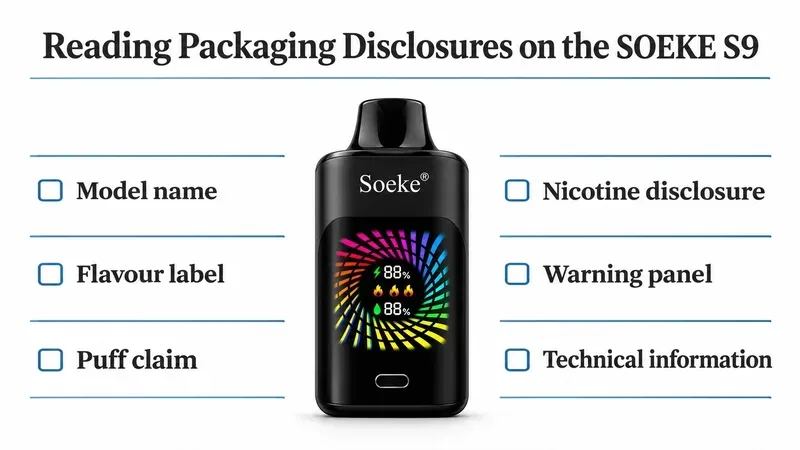
Specifically, the nicotine disclosure gives information about nicotine content or concentration when the package states one. A health warning addresses risks, such as nicotine addiction. Meanwhile, the operating-mode claim describes a performance figure for a named setting. Technical details may describe the battery, the liquid capacity, or the information shown on a display.
For instance, a nicotine warning on the front may say that the product contains nicotine. A smaller statement elsewhere may give the concentration and explain which form of nicotine the liquid contains. Therefore, a photograph that shows the warning can establish what that warning says. It leaves the concentration open until the relevant disclosure comes into view.
Tie each claim to the package you can identify
Packaging can vary by market, production batch, importer, or distributor. For example, two boxes can share the same front artwork while carrying different importer stickers or nicotine disclosures. Meanwhile, a photo of a different batch may show a revised layout. Those differences matter when a seller uses the same picture across multiple listings.
Start with the full model name and any market or batch identifiers you can read. Then note where each claim appears and whether it comes from original printing, a sticker, or an insert. Additionally, record the flavour line and ingredient statement separately. That simple habit keeps a prominent taste description from taking the place of a composition disclosure.
SOEKE S9 28000 Puffs: Understanding All 15 Flavour Labels
What the available evidence confirms
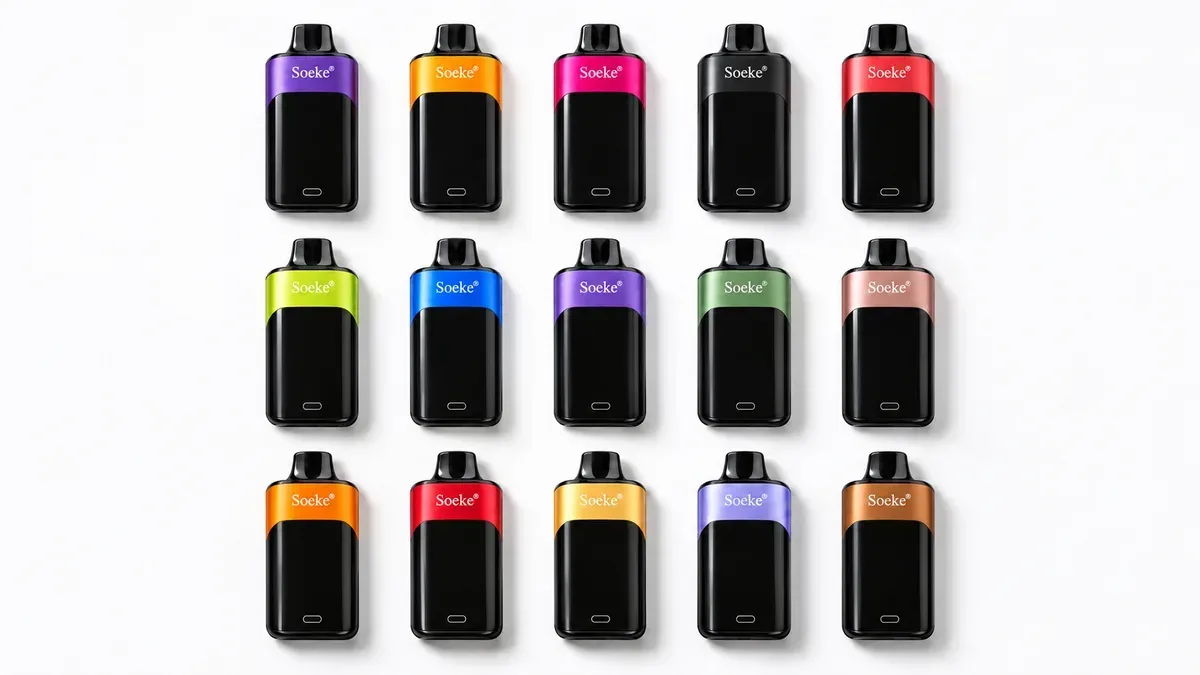
Fewer than 15 exact package labels could be confirmed from the primary evidence reviewed. SOEKE’s public S9 product page advertises 20 flavours and presents the range through images. However, that range count does not establish which 15 names appear on boxes from a particular market or batch. The page also does not establish the exact retail-box wording for the requested set.
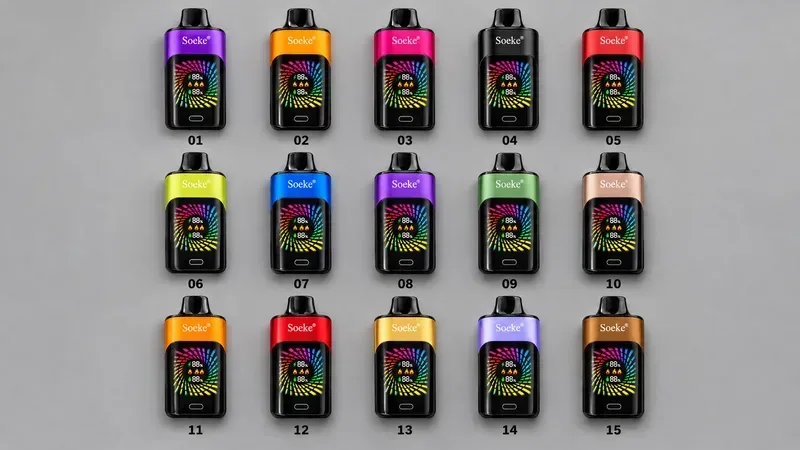
For this reason, there is no alphabetical table of 15 verified labels here. The missing evidence is a manufacturer record or readable retail packaging that identifies the relevant set and version. Meanwhile, retailer pages can show naming differences worth investigating. Their product titles alone leave the spelling, spacing, and word order on the actual boxes unverified.
Consider how easily a count can drift. A page may describe a whole product family, while a listing shows only the variants that seller happens to carry. For instance, a second listing might combine several packaging revisions under one model name. Therefore, even matching counts would leave an important question open about whether the names refer to the same set.
Additionally, manufacturer artwork and photographs answer slightly different questions. Artwork can document the wording a manufacturer uses to describe a variant online. A clear photograph of an identifiable box can document the text printed on that particular package. When the two differ, the difference belongs in the record alongside the source and version.
How to record the wording once the evidence is readable
Start by copying the name exactly as it appears on the relevant package panel. Preserve unusual spelling, spaces, hyphens, singular or plural forms, and word order. For instance, a seller might insert a space into a compound name or move a cooling word to the end. Record the seller’s wording separately, with its own source.
Pay attention to line breaks and decorative lettering. For example, a name may run across two lines because the front panel is narrow. If spacing remains ambiguous, save a close-up and record where the printed line breaks. However, if glare hides a letter, leave that character uncertain until another readable image resolves it.
Once reliable evidence covers all 15 names for the defined package set, an alphabetical table can show one row per label. Each row should contain four pieces of information:
- Exact package wording. Preserve spelling, spacing, punctuation, and word order as the source shows them.
- Plain-language taste description. Explain the intended taste the name suggests, using neutral wording and marking ambiguous names clearly.
- Evidence source. Identify the manufacturer document or package photograph, including the panel and any version details visible in the source.
- Online spelling variation. Record any different wording separately and identify the listing where it appeared.
Specifically, sort the table by the confirmed package wording. If two versions differ, keep both observations in the evidence record and tie each to its package. Meanwhile, an apparent spelling mistake should stay as printed when the image supports it. The purpose of transcription is to let a reader find the same text again.
Finally, keep the evidence for each name distinct from the evidence for ingredients or nicotine. A crisp front photograph might settle a spelling dispute while leaving the nicotine panel outside the frame. Likewise, a readable nicotine sticker may show the concentration while leaving the flavour name uncertain. Each claim needs evidence that actually shows it.
What the Flavour Names Mean—and What They Do Not Prove
Translate the taste description literally
A straightforward fruit name usually tells you the taste the label is meant to evoke. For instance, a label naming a berry suggests a berry taste. It leaves open whether the liquid contains that fruit, an extract, or flavouring compounds that produce a similar impression. The ingredient disclosure is the place to check what the manufacturer declares.
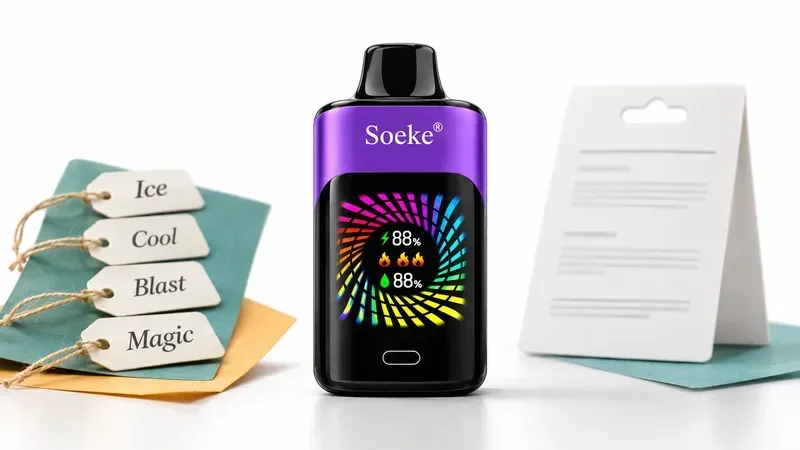
Similarly, a multi-fruit label suggests a combination of taste notes. The order of the names alone gives no verified proportions or information about which taste dominates. For example, a generic apple-and-pear label can be described as suggesting both tastes. Claims about apple juice, pear extract, or the balance between the tastes need separate evidence.
Additionally, descriptions should stay close to words the package actually uses. A fruit name alone gives little basis for describing it as tart, sweet, or ripe. If a manufacturer provides more detail, attribute that description to the manufacturer. Otherwise, a short literal explanation preserves the distinction between the label text and someone’s impression of the product.
Handle promotional and candy-like wording carefully
Terms such as Ice and Cool can suggest a cooling sensation. However, those words have no universal technical definition and leave the cooling ingredient or its concentration unspecified. Likewise, terms such as Blast, Magic, Sunset, or Monster may suggest intensity or a theme. On their own, they provide little basis for identifying a specific taste.
For instance, candy-like wording may suggest the taste associated with a confection. A familiar name or distinctive spelling can also resemble another brand’s wording. However, claims about a partnership, licence, or shared recipe need documentation from the companies involved. Until then, the wording can be recorded as a name that appears on the package.
Most importantly, the taste name also leaves questions about health and exposure open. The U.S. Centers for Disease Control and Prevention explains that vaping aerosol can contain harmful substances, including nicotine. Additionally, some flavourings that people can safely eat may carry risks when inhaled. See the CDC’s About E-Cigarettes (Vapes) for the distinction between liquid ingredients and aerosol exposure.
Where to Find Nicotine, Ingredient, and Warning Disclosures
Check each place the information might appear
Start with the front and back of the retail box. Then check both sides, the top, and the bottom, where small text can sit near a seam or barcode. Additionally, read any applied stickers and importer labels. If you already have the enclosed instructions or device markings available, compare those with the box.
Record which panel carries each piece of information. Specifically, note whether the statement appears on the original packaging or a label applied over it. For example, if a sticker covers a line of print, record the visible text and mark the covered line unreadable. A photograph can preserve the overlap and show why the hidden text remains uncertain.
Copy the nicotine wording, including the units
Nicotine disclosures may report a percentage, a concentration in milligrams per millilitre, or a total amount in milligrams. These formats answer different questions. For instance, 20 mg/mL and 20 mg total have the same number but describe different quantities. A percentage needs its stated basis before anyone can compare it reliably with a concentration in mg/mL.
Therefore, record the full statement, including the number, unit, and any qualifier such as nicotine salts. Also note whether the wording refers to nicotine itself, a salt, or the amount in the entire device. If a source gives the number without units, mark the disclosure incomplete. Keep any different wording from another source alongside it for comparison.
Look for ingredient and safety information separately
Find the ingredient statement separately from the flavour name and copy what it actually lists. However, missing, obscured, or illegible text leaves the ingredient list or nicotine strength unverified. The same applies when conflicting retailer listings provide the only figures available. A fruit illustration or taste description cannot resolve a missing composition statement.
Additionally, check for these disclosures wherever the box, sticker, or insert places them:
- Health warnings and addiction statements.
- Age restrictions or age-related notices.
- Storage instructions, including any guidance about keeping the device away from children.
- Battery cautions and advice concerning damaged devices.
- Disposal symbols or instructions for handling the device as waste.
Notably, the U.S. Environmental Protection Agency advises households to take used e-cigarettes to a household hazardous waste collection site. It identifies nicotine and lithium batteries as disposal hazards. Local disposal services can explain which collection options accept the device. See the EPA’s How to Safely Dispose of E-Cigarettes: Information for Individuals.
What the Advertised 28,000-Puff Figure Means
Read the figure together with the operating mode
The 28,000-puff figure describes an advertised maximum. Product descriptions associate it with Regular Mode and may cite a lower figure of 22,000 for Turbo Mode. However, the lower figure and its mode assignment should be checked against the exact package or matching manufacturer documentation. Neither figure establishes how many draws a particular device will deliver.
Specifically, a puff is one inhalation event. The count tells you how many events a test recorded, while liquid consumption depends on what happened during those events. For instance, a two-second draw and a four-second draw could each count as one puff. The shared count says little about whether the two draws consumed equal amounts of liquid.
Meanwhile, draw intensity and airflow can change the conditions between puffs. Operating mode, battery condition, and storage can also affect what happens between devices or sessions. Additionally, manufacturing variation can contribute to differences between units. A headline number offers limited information about how much any of those factors influenced the result.
Look for the test behind the number
To interpret a puff rating, look for the equipment, draw duration, interval between draws, airflow, cutoff criteria, and laboratory conditions. For example, cutoff criteria would explain when the lab stopped counting. A method would also show which mode the lab tested and what counted as a completed puff. Those details would make the number easier to evaluate.
However, the public SOEKE S9 material reviewed did not provide a test protocol with those details. The measurement method behind the 28,000-puff claim therefore remains unverified. That leaves open how the manufacturer measured the figure and whether another lab could duplicate the conditions. Treat the number as an advertised rating with an undisclosed test method.
Meanwhile, where present, battery and remaining-liquid indicators report the device’s estimated status. They are more relevant to what the screen is reporting at that moment than a headline puff figure. However, an indicator does not measure nicotine exposure or validate a puff claim. A half-full icon also provides no evidence that exactly half the advertised puffs remain.
How to Verify a Label When Sources Disagree
Compare evidence for the same version
First, check manufacturer documentation that identifies the relevant model and version. Next, examine readable photographs of the exact retail package. Then consult material from the authorised importer for that market. Finally, use retailer listings as supporting evidence and note whether they show an identifiable box or simply repeat a product title.
Specifically, compare the model, flavour wording, market, batch or lot code, barcode, nicotine version, and packaging design. A shared model name tells you less when the other identifiers differ. For instance, one box might carry a regional importer sticker while the other shows an export label. Record those details before attributing a discrepancy to a spelling error.
If a listing uses a render or one cropped picture, request unedited, high-resolution photographs of the exact box being documented. Ask for the front, back, both sides, top, and bottom, with close-ups of small text where needed. A sharp image of the front may settle the flavour spelling. A separate image of the bottom may establish which batch it belongs to.
Keep a record of each difference
Next, search the exact wording in quotation marks and try any documented spelling variants separately. Save screenshots, source URLs, access dates, and image details in your editorial notes. Additionally, record the panel shown, the text you can read, and the identifiers visible in each image. These details let another reader trace the evidence if a listing later changes.
However, frequency alone cannot settle a spelling dispute. Several sellers may repeat the same product title, while a legible box shows a different spelling. In that case, record both versions and identify which source uses each one. If two identifiable packages differ, preserve both readings and check whether the market or batch explains the difference.
Finally, if primary sources still conflict, ask the manufacturer or named importer for written clarification tied to the package identifiers. Keep the detail marked unverified until the response resolves it. Likewise, read what a QR code or authenticity record actually confirms. A result that identifies a serial number leaves flavour composition open unless it explicitly documents the formulation.
Conclusion
Copy flavour labels exactly from readable primary evidence and describe them in terms of intended taste. Here, the evidence supports fewer than 15 exact package labels, so a complete alphabetical table remains unverified. Meanwhile, nicotine strength, ingredients, warnings, and operating-mode claims each require their own evidence. The test method behind the advertised 28,000 puffs also remains unverified.
If you have a package to document, photograph every disclosure panel and save the original images. Compare the wording against any verified entries that match the market and batch. If a description conflicts with the box, ask the manufacturer or named importer to confirm the disputed detail in writing. Keep that detail open until the evidence matches the package.