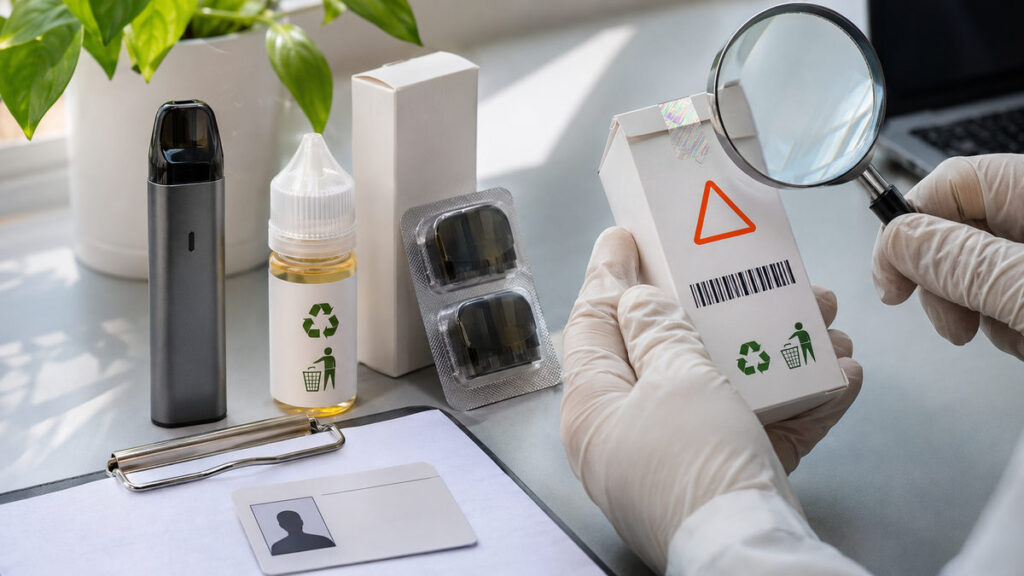
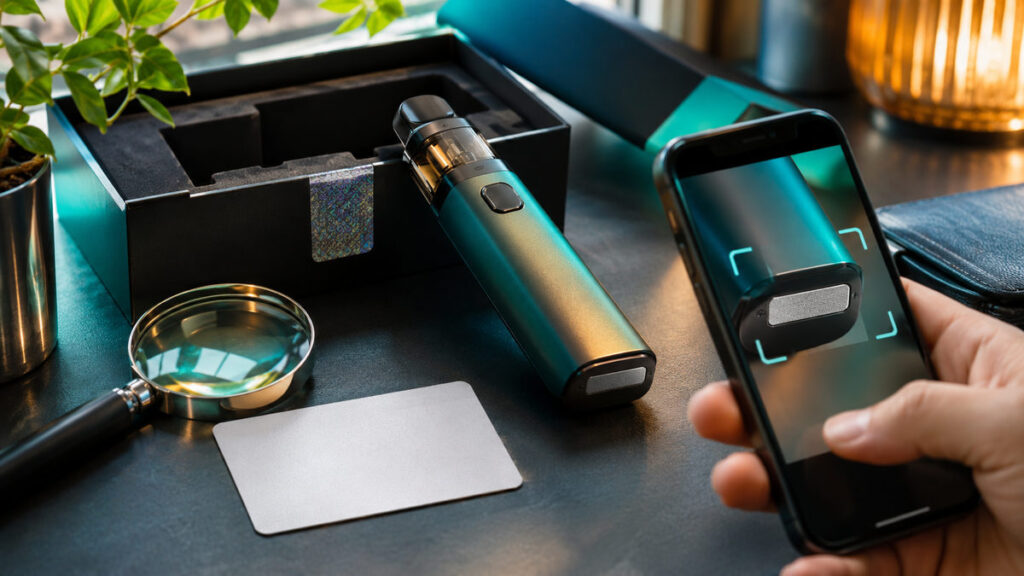
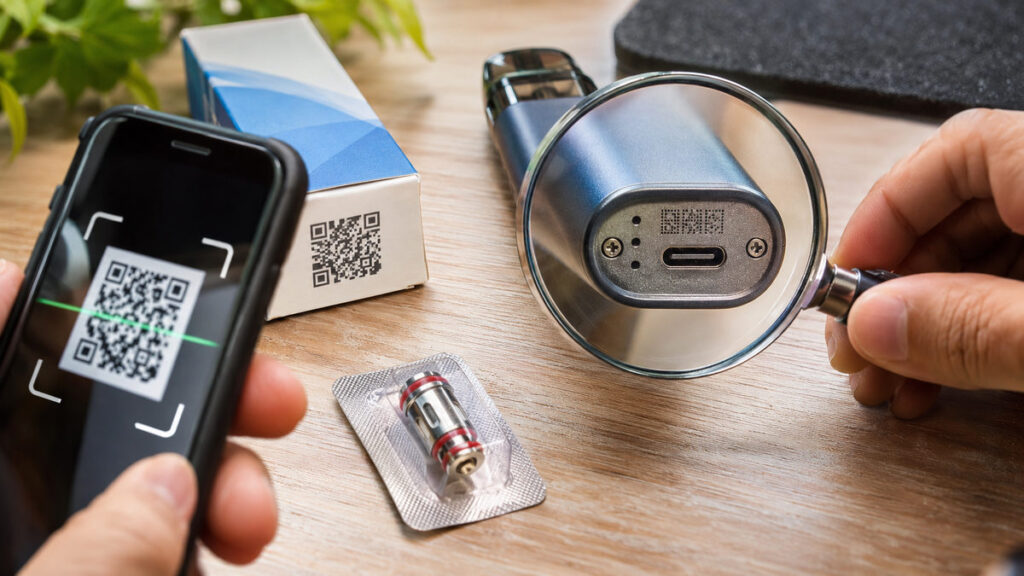
A nicotine label may be packed with percentages, milligrams, bold warnings, and unfamiliar claims. But what do those details actually mean? Learning How to Read Nicotine Warnings on Product Labels helps you compare products and spot possible exposure risks. The challenge is that labels often use different units, terms, and layouts. Following a careful, repeatable process can uncover missing details before you use or store a product.
This guide provides a practical, product-neutral way to check nicotine labels. You will learn where to find warnings, how strength calculations work, and which marketing claims call for caution. It also covers ingredients, safety directions, and traceability information, along with what to do after accidental nicotine exposure.
1. How to Read Nicotine Warnings on Product Labels
A nicotine health warning usually draws attention to addiction and accidental exposure risks. It does not, however, prove that the product is safe, effective, approved, or right for you. Nor does it confirm manufacturing quality or an accurate nicotine level. Think of the warning as one important piece of a broader label review.
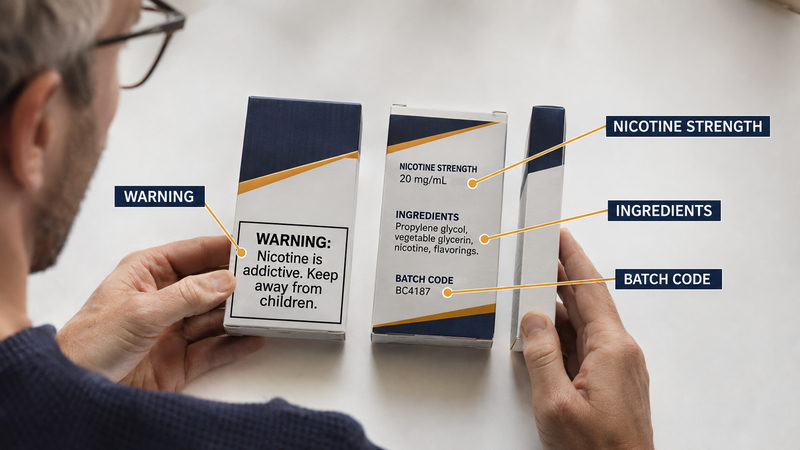
Where should you look? That depends on the product and local rules. Warnings may appear on an outer carton, bottle, pod, pouch can, or blister pack. Other details might be tucked inside a folded insert or hidden beneath a removable label panel. Checking only the front can leave important questions unanswered.
Check Every Part of the Package
Before use, examine both the outer package and the product container. Manufacturers sometimes split required information between the two. The carton may display the main warning, while the bottle provides ingredients and storage directions. A product insert might contain contraindications, dosing guidance, or emergency precautions.
Follow the same reading order every time. It is a simple habit that helps prevent missed details across many types of nicotine products. Review the information in the following sequence:
- Find and read the principal health warning.
- Locate the nicotine declaration and identify its unit.
- Review the ingredients and any allergen statements.
- Read the directions for use without exceeding them.
- Check exposure precautions and first-aid instructions.
- Find storage, handling, and disposal guidance.
- Verify manufacturer, batch, date, and contact details.
When possible, keep the packaging, instructions, and receipt. They can help identify the product after an adverse reaction, defect, or safety recall. A batch number may allow investigators to connect your item to a manufacturing problem, while the receipt shows where and when you obtained it.
Never judge strength by color, flavor name, or package design. A small container can hold highly concentrated nicotine, while a larger one may contain a much lower concentration. Read the number, unit, and reference quantity together. If anything is still unclear, do not use the product until you can get reliable guidance.
2. Where Label Information Appears on Different Products
Nicotine labels vary because products differ in form, intended use, and regulatory category. Cigarettes and cigars often feature tobacco health warnings prominently on the outer package. Smokeless tobacco containers may do the same. Yet these packages do not always state a straightforward nicotine amount for each use.
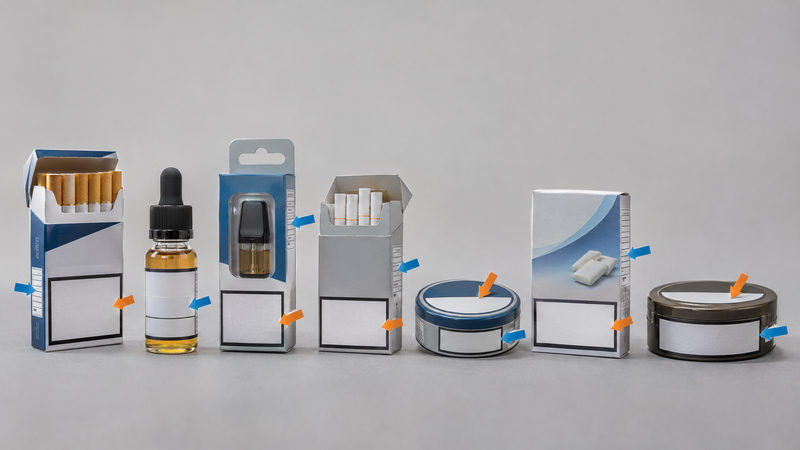
E-cigarette labels present information in several different ways. Refill liquid may list the nicotine concentration, bottle volume, ingredients, and handling precautions. A disposable vape might show a nicotine percentage, liquid capacity, or estimated puff count. Closed pods may instead state concentration, liquid volume, or nicotine per pod.
Oral and Heated Products
Nicotine pouch labels need especially close attention because their reference quantities are not always the same. One can may list milligrams per pouch, while another uses milligrams per gram. A third might give the total nicotine in the entire can. Before comparing two products, confirm exactly what each number measures.
Smokeless tobacco may give the net weight without offering a simple per-portion nicotine figure. Portion size can also vary by product and user. Some labels focus more on tobacco warnings than on expected nicotine absorption. Package weight alone, then, cannot predict an individual dose.
Heated-tobacco packaging may separate tobacco content from information about nicotine delivery. Still, the nicotine contained in a tobacco unit is not the same as the amount absorbed during use. Device temperature, inhalation pattern, and product design can all affect delivery. Tobacco weight is not a reliable measure of personal exposure.
Nicotine Medicines Use Different Labels
When regulators authorize nicotine gum and lozenges as nicotine-replacement treatments, they usually fall under medicine rules. Their labels commonly include dosing schedules, maximum daily use, contraindications, and medicine-specific warnings. They may also address interactions, pregnancy, medical conditions, and situations that require professional advice. Follow those directions rather than treating the item like an ordinary consumer nicotine product.
For example, gum marked 2 mg usually refers to the nicotine associated with one piece. Its instructions may explain the correct chewing technique and how long to wait between doses. A lozenge label may likewise say how long the product should take to dissolve. Using either product incorrectly can affect nicotine delivery and side effects.
Location Changes the Rules
Warning requirements differ between countries and, in some cases, within the same country. The rules may depend on the state or province, nicotine source, intended use, and product category. Regulators can also treat tobacco products, vaping liquids, pouches, and medicines differently. A label that complies in one location may be missing information required elsewhere.
When exact legal requirements matter, check the current website of your local health or product regulator. This is particularly useful for imported goods or products bought across borders. See whether the regulator also provides recall notices or an approved-product database. Professional-looking packaging is no guarantee that every applicable requirement has been met.
3. Nicotine Strength Explained: mg, mg/mL, and Percentages
Nicotine strength is easier to understand when you separate amount from concentration. Milligrams, shown as mg, describe an amount of nicotine. Milligrams per milliliter, or mg/mL, describe the concentration in a liquid. A percentage expresses a proportion, though you may need to clarify the basis used.
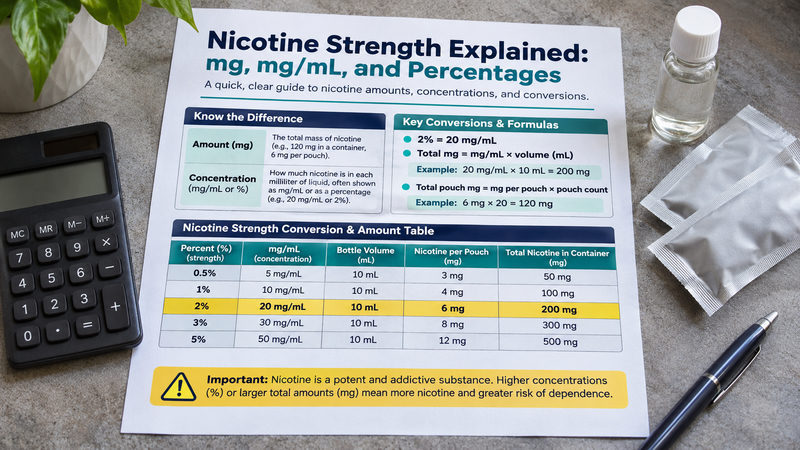
For many e-liquids, 1% nicotine commonly corresponds to approximately 10 mg/mL. That makes 2% approximately 20 mg/mL and 5% approximately 50 mg/mL. This is a useful shortcut for basic comparisons. Still, rely on the manufacturer’s stated basis when formulation, density, or labeling conventions affect the conversion.
Estimating Nicotine in a Liquid Container
To estimate the total labeled nicotine, multiply the concentration by the liquid volume. The calculation is straightforward: mg/mL × mL = total mg. A 10 mL bottle marked 20 mg/mL contains approximately 200 mg across the full volume of liquid. That number describes the container’s contents, not a recommended dose.
Now consider a 30 mL bottle labeled 5 mg/mL. Multiplying 5 by 30 gives 150 mg of labeled nicotine in the bottle. This does not mean that a user absorbs 150 mg during normal use. Liquid may remain unused, leak, degrade, or deliver nicotine differently under different conditions.
A percentage on its own does not reveal the estimated total in a container. Likewise, knowing the volume without the concentration is not enough. Find both values before doing the calculation. If they appear inconsistent, contact the manufacturer or avoid the product.
Calculating Nicotine Across a Pouch Can
With pouches, multiply the nicotine per pouch by the number of pouches. For example, 6 mg per pouch multiplied by 20 pouches equals 120 mg across the container. Again, that is the labeled total for all the pouches. It does not show how much nicotine the body absorbs from one pouch or from the full can.
Take extra care when the label gives milligrams per gram instead. To estimate nicotine per pouch, you will also need to know the weight of each pouch. A 0.5-gram pouch labeled 12 mg/g, for example, contains approximately 6 mg. Check the package weight and measurement basis before relying on the result.
Content Is Not the Same as Absorbed Dose
A pod may list nicotine per milliliter, total liquid volume, nicotine per pod, or simply a percentage. This is why the unit and reference quantity must be read together. “20 mg” might mean per milliliter, per pod, or something else entirely. Without an explanation, the number is not very useful for comparison.
Labeled content is not the same as emitted nicotine, delivered dose, or absorbed nicotine. Absorption changes with the formulation, product design, length and frequency of use, and individual physiology. Swallowing, inhaling, and oral use also involve different exposure pathways. Two people can use the same product and absorb different amounts.
Nicotine salts and other formulations may influence both the sensory experience and patterns of use. A smoother sensation, for instance, might change how long or how often someone puffs. Label strength alone cannot predict personal exposure. Nor does it support a simple one-to-one comparison among cigarettes, vapes, pouches, and nicotine medicines.
4. Ingredients, Marketing Terms, and What They Do Not Prove
First, find the ingredient panel. It may be on the rear label or inside a product insert. Look for nicotine and any explanation of its source. E-liquids can also contain propylene glycol, vegetable glycerin, flavorings, sweeteners, acids, preservatives, and other additives. Oral products may use fibers, fillers, moisture-control ingredients, flavorings, and pH-adjusting compounds.
If you have allergies or sensitivities, read every disclosed ingredient carefully. Watch for allergen statements and warnings about irritation. When an ingredient is unclear, ask a qualified healthcare professional for guidance before using the product. A broad term such as “natural flavors” may not answer every question about sensitivity.
An ingredient list tells you which components have been disclosed. It does not establish long-term safety or prove that the product is suitable for inhalation, swallowing, or prolonged contact with oral tissue. An ingredient that is safely used in food may behave very differently when heated and inhaled. Both the product form and the route of exposure matter.
Read Marketing Terms Literally
Tobacco-free generally means that a product contains no tobacco leaf or tobacco material. It may still contain nicotine, though, along with the risks of addiction or poisoning. The term does not mean harmless, and it does not prove that every ingredient has received comprehensive safety testing.
Synthetic nicotine refers to a source or manufacturing method. It does not mean the nicotine is non-addictive, risk-free, or automatically exempt from regulation. Nicotine can affect the body whether it comes from tobacco or another process. Treat strength and exposure instructions with the same care.
Smoke-free means the product does not produce conventional tobacco smoke. That is not the same as exposure-free or risk-free. Vapes may create an aerosol, while pouches expose oral tissues to nicotine and other ingredients. Heated products can release substances during use as well.
Question Broad Safety Claims
Read reduced-exposure claims carefully. They may compare only one measured substance, a particular exposure route, or one product with another. Lower exposure to selected chemicals does not automatically establish a lower risk of disease. Any broader health conclusion needs support from authoritative evidence.
A nicotine-free claim may not mean there is absolutely no nicotine present. Manufacturing mistakes, contamination, inadequate testing, or inaccurate labels can all introduce uncertainty. The concern is greater when a package offers little traceability or comes from a weak regulatory environment. If unexpected symptoms occur, do not disregard them simply because the front says “nicotine-free.”
Compare the claims on the front with the nicotine declaration and ingredient list. Do they tell the same story? A “zero nicotine” claim, for example, conflicts with an ingredient panel that lists nicotine salts. When a package contradicts itself, stop and investigate.
5. Safety Instructions and Accidental Nicotine Exposure
Before opening the product, read every storage and handling instruction. Check for child-resistant closures, tamper-evident seals, upright-storage directions, temperature limits, and warnings about sunlight. Also see what the manufacturer says about leaks, damaged units, and disposal. Never pour nicotine liquid into a drink bottle or any unmarked container.
Keep nicotine products locked away from children and pets. Even a small amount can cause serious poisoning, particularly when concentrated liquid or swallowed pouches are involved. Bright colors, sweet aromas, and small containers can easily attract a child’s attention. Used pouches and seemingly empty containers may still contain nicotine.
Whenever possible, leave products in their original packaging. It preserves information about strength, ingredients, batches, and emergency response. Close the container securely after every use and check the closure for damage. Follow the package directions and local requirements when disposing of the product.
Recognize Exposure Routes and Symptoms
Exposure to nicotine can happen through swallowing, inhalation, skin contact, or eye contact. A leaking pod or damaged bottle may expose several areas at once. Concentrated liquid can also transfer from the hands to the mouth or eyes. Clean contaminated surfaces and keep other people and animals away from the area.
Possible nicotine-poisoning symptoms include the following:
- Nausea, vomiting, or abdominal discomfort
- Dizziness, headache, sweating, or excessive saliva
- Weakness, confusion, restlessness, or agitation
- Breathing difficulty or an abnormal heart rate
- Seizures, collapse, or loss of consciousness
Symptoms can appear quickly, and their severity may change. After a potentially significant exposure, do not wait for symptoms before seeking help. Do not induce vomiting unless a qualified professional tells you to do so. Home remedies may delay proper treatment or cause further harm.
Respond Promptly to Contact or Swallowing
If nicotine gets on the skin, remove contaminated clothing and rinse the affected area with water. Follow the product instructions or professional guidance when available. Take care not to spread the liquid onto clean skin, furniture, or another person. Wash your hands thoroughly after dealing with contaminated materials.
For eye exposure, start rinsing immediately with clean water. Remove contact lenses if they come out easily, but do not pause the rinsing to struggle with them. Contact an appropriate medical or poison-information service for specific advice. Keep following professional instructions, especially if you notice pain, redness, or changes in vision.
Call local emergency services immediately if someone has breathing problems, seizures, collapse, severe confusion, or loss of consciousness. After accidental swallowing or any other concerning exposure, contact your local poison-control or poison-information center promptly. Keep the package close during the call. The responder may need the product name, strength, amount, exposure time, and batch code.
Give the most accurate estimate you can. Say, for example, whether a child swallowed one pouch or whether an unknown amount of liquid is missing. Never assume that a small container poses only a small risk. Labels offer general precautions, but they are no substitute for personalized medical advice.
6. Nicotine Label Red Flags and a Final Checklist
Missing or contradictory strength information is an immediate red flag. Look for unexplained units, omitted ingredient information, or totals that do not match the package quantity. “6 mg,” for instance, says very little unless the label specifies per pouch, gram, milliliter, or container. Do not make assumptions when the reference quantity is unclear.
Look for the manufacturer or importer’s name and contact information you can actually use. Where required, check the country of origin too. A company name that cannot be verified may point to poor traceability or counterfeit packaging. A printed address by itself, however, does not prove authenticity.
A batch or lot number links a particular unit to its production records. This supports complaints, recalls, contamination investigations, and quality-control checks. It can also help a manufacturer determine whether other products share the same defect. Vague, duplicated, or altered batch codes make that traceability weaker.
Inspect Dates, Seals, and Printing
An expiration or best-before date may be relevant to stability, formulation consistency, and packaging integrity. For nicotine medicines, it can also relate to expected effectiveness. But heat and poor storage may damage a product before the date printed on it. A date should never be your only quality check.
Check the seal before opening the container. Leaking liquid, swelling, broken seals, unusual odors, or changed contents may suggest damage or tampering. Compare the seal with any diagram or written description on the package. If the product’s integrity is in doubt, do not use it.
Poor spelling, inconsistent fonts, and low-quality printing may be signs of counterfeit goods. Altered labels, suspicious regulatory marks, copied barcodes, and duplicated batch codes are other warning signs. One printing error does not necessarily prove counterfeiting. Several inconsistencies together, though, deserve closer scrutiny.
Challenge Unsupported Claims
Be skeptical of claims such as “harmless,” “completely safe,” “healthy,” or “detoxifying.” The presence of a warning does not show that a regulator approved the product. In the same way, a compliance symbol cannot guarantee accurate contents or safe use. Even guaranteed zero-nicotine claims need credible testing and traceability behind them.
Where local rules require one, look for an age-restriction statement or symbol. Keep in mind that this alone does not demonstrate full compliance. Counterfeiters can reproduce symbols, warnings, and barcodes. Judge the package as a whole instead of relying on a single familiar mark.
Compare the outer carton, inner container, insert, and seller description side by side. The strength, quantity, flavor, manufacturer, batch, and expiration information should agree. If one panel says 2% and another says 5%, do not simply pick the figure you prefer. Stop using the product until a reliable source explains the discrepancy.
Stop as well if the package is damaged, the contents appear altered, or you cannot establish authenticity. Ask the manufacturer, retailer, or relevant regulator for guidance. If you report the product, keep photographs, packaging, and proof of purchase. Those records may help with an investigation or refund.
Final Nicotine Label Checklist
- Warning located: You found and read the principal health warning.
- Unit understood: You know whether the strength uses mg, mg/mL, percentage, or another basis.
- Total estimated: You combined strength with volume, weight, or item count when appropriate.
- Ingredients reviewed: You checked disclosed additives and relevant allergen information.
- Safety directions found: You read handling, storage, first-aid, and disposal instructions.
- Seal inspected: The closure and tamper-evident features appear intact.
- Details verified: The batch code and applicable dates appear clear and consistent.
- Source identified: The manufacturer or importer provides usable identification and contact details.
- Claims questioned: You assessed broad health, safety, and nicotine-free claims critically.
Conclusion
Reading a nicotine label involves more than spotting the bold warning. Before comparing strengths, identify the product category, nicotine unit, and reference quantity. Keep container content separate from emitted, delivered, or absorbed nicotine. Personal exposure varies with product design, behavior, formulation, and physiology.
Check the ingredients, handling precautions, storage directions, seals, dates, and traceability information. Question unsupported claims, and investigate any mismatch between the outer package and inner container. Requirements differ by jurisdiction, and no warning or compliance mark makes a nicotine product risk-free. Polished packaging is no substitute for careful judgment.
Complete the label-reading checklist before using or storing any nicotine product. If legal requirements or authenticity are uncertain, consult current guidance from your local regulator. Ask a qualified healthcare professional about personal medical concerns. After accidental or concerning exposure, contact local poison-control services promptly.