
Before a therapeutic vape reaches a patient, how does a pharmacist decide whether the prescription, ingredients, supplier, and device can be trusted? Understanding How Pharmacists Assess Therapeutic Vape Supply shows why safe access involves far more than simply reading a product label. Counterfeit, recreational, illicit, and poorly documented products can look remarkably similar to legitimate therapeutic options.
Legal requirements also differ between countries, regions, and, in some cases, prescribing pathways. Pharmacists follow a structured process that covers prescription validation, supplier verification, clinical review, counselling, dispensing, and follow-up. Every step protects the patient and helps maintain continuity of treatment.
1. What Is a Therapeutic Vape Supply?
A therapeutic vape supply involves regulated sourcing and dispensing for a recognized clinical purpose. This may include treating nicotine dependence or supporting an attempt to stop smoking. The supply process usually brings together an authorized prescriber, a pharmacist, an approved sourcing pathway, and suitable patient monitoring.

A manufacturer cannot establish therapeutic status simply by printing “medicinal” or “therapeutic” on the packaging. The product must satisfy the legal requirements that apply where the patient receives it. Its documentation, formulation, intended use, and supply pathway must support that status as well.
Therapeutic Status Depends on Context
A product may qualify for therapeutic supply in one jurisdiction yet remain restricted in another. Different rules can also apply to nicotine liquids, prefilled pods, disposable devices, and reusable systems. Before deciding whether supply is legal, pharmacists must identify the correct product category.
Clinical purpose matters too. One patient might use a prescribed nicotine product as part of a structured smoking cessation plan. Someone else may purchase a similar-looking product for recreational use. The products may appear alike, but their legal pathways and level of professional oversight can be very different.
For that reason, pharmacists consider several connected factors before treating a vape as a therapeutic product:
- The patient has a recognized clinical need and an appropriate treatment plan.
- The prescription or other legal authority meets local requirements.
- The supplier can demonstrate a legitimate and traceable distribution pathway.
- The product has suitable manufacturing, testing, and batch documentation.
- The nicotine strength and device match the patient’s intended therapy.
Above all, therapeutic supply refers to an entire controlled process, not just a bottle, pod, or device. Before dispensing, the pharmacist must connect the product’s legal status and quality evidence with its intended clinical purpose.
2. How Pharmacists Assess Therapeutic Vape Supply
Pharmacists use a repeatable workflow because no single document can answer every safety question. Nor can clean packaging prove that a product has the stated nicotine strength, consistent manufacturing, or a lawful origin. The assessment brings together legal authority, product provenance, clinical suitability, safe dispensing, and ongoing review.

Step One: Confirm Legal Authority
The pharmacist begins by checking that the prescription includes the required patient, prescriber, product, strength, dose, and duration details. They confirm the prescriber’s authority and look closely at any unusual or conflicting instructions. If information is missing, supply may need to wait until the details are clarified.
Consider a prescription that says only “nicotine vape,” with no concentration or dosage form. That wording may be too vague for accurate product selection or safe counselling. Rather than guessing which product fits the treatment plan, the pharmacist would contact the prescriber.
Step Two: Establish Product Provenance
The pharmacist then verifies where the product came from and how it entered the supply chain. This means reviewing supplier credentials, invoices, batch numbers, shipping records, and relevant quality documents. They also check whether the supplier has dependable procedures for handling complaints, safety alerts, and recalls.
Step Three: Review Clinical Appropriateness
Even a lawful product may be wrong for a particular patient. The pharmacist considers smoking history, nicotine dependence, treatment goals, previous attempts, medical conditions, medicines, and personal preferences. They also ask whether another recognized treatment might offer a better balance of benefits and risks.
Step Four: Dispense and Monitor Safely
Before dispensing, the pharmacist compares the selected package with the prescription and patient record. They confirm the product, nicotine strength, quantity, batch, expiry, device type, and directions. The patient then receives guidance on safe use, storage, side effects, disposal, and follow-up.
Monitoring completes the cycle. Pharmacists review treatment response, nicotine cravings, adverse effects, device problems, and any changes in tobacco use. Future supplies can then reflect what the patient has actually experienced, not just what the original plan anticipated.
3. Legal Compliance and Supplier Due Diligence
Therapeutic vaping laws vary widely, so pharmacists cannot treat one country’s system as a universal model. They must apply national legislation, local restrictions, regulator requirements, professional standards, pharmacy procedures, and current clinical guidance. These sources may set different rules for prescribing, importing, advertising, possession, storage, and dispensing.

Checking the Applicable Supply Pathway
The pharmacist first determines which legal pathway applies to the patient and product. Supply may require a prescription, specific authorization, an approved import route, or additional records. A pathway that covers one formulation may not necessarily cover another strength or device.
Pharmacists also check for quantity limits, repeat intervals, and special labelling requirements. If a substitution is being considered, they confirm whether prescriber approval is needed. These controls help prevent an unauthorized variation from being supplied when the requested product is unavailable.
Evaluating the Supplier
A polished website or professional-looking invoice does not prove that a supplier is reliable. Pharmacists look for evidence that the business holds all required licences and operates within the authorized distribution system. They verify physical contact details, ordering records, complaint procedures, and the supplier’s ability to manage recalls.
Supplier review commonly includes:
- Current licences, registrations, or other required authorizations.
- Clear identification of the manufacturer and distribution partners.
- Invoices linking received stock to specific products and batches.
- Secure transport arrangements that protect products from heat and damage.
- Documented processes for quality complaints, returns, alerts, and recalls.
- A consistent history of supplying complete and verifiable records.
Pharmacists stay alert to warning signs. Unusually low prices, altered packaging, missing batch details, inconsistent nicotine claims, or pressure to bypass normal ordering procedures all raise concerns. So does a supplier’s reluctance to provide records.
If the evidence remains incomplete, the pharmacist may quarantine the stock and contact the supplier or relevant authority. Reassurance alone is not enough. Patient demand, however urgent, does not remove the pharmacist’s duty to follow applicable laws and professional standards.
4. Documentation, Laboratory Testing, and Quality Standards
Product documents help pharmacists evaluate identity, consistency, purity, potency, and manufacturing quality. But paperwork does not prove these things automatically. The pharmacist must consider who issued each record, which tests were performed, and whether the information matches the stock received.
Matching Evidence to the Exact Product
A laboratory report for a similar product offers only limited reassurance. The records should correspond to the exact formulation, nicotine strength, batch number, package size, and expiry date. Even a small difference could indicate another production run, ingredient source, or manufacturing process.
Suppose a pharmacy receives 20-milligram nicotine pods from batch B417. A report covering 10-milligram pods from batch B416 cannot confirm the potency of that new stock. The pharmacist should request evidence that clearly identifies batch B417 and the formulation tested.
Reviewing Laboratory Evidence
A useful report identifies the laboratory, test methods, sample details, acceptance limits, results, and testing date. Pharmacists also look for signs that the laboratory has appropriate competence and independence. Unexplained screenshots, cropped certificates, or reports with no sample identifiers call for closer scrutiny.
Depending on the product and local requirements, quality evidence may address:
- Nicotine identity and measured concentration.
- Ingredient identity and formulation consistency.
- Microbial contamination and relevant impurities.
- Potentially harmful substances, including certain metals or residual chemicals.
- Container integrity, leakage, and stability over the stated shelf life.
- Manufacturing controls, specifications, and release procedures.
A passing result applies only to the sample that was tested. It cannot make up for weak manufacturing controls or guarantee the quality of every future batch. Pharmacists therefore consider laboratory findings alongside supplier performance, manufacturing information, complaints, and the product’s history.
Examining Labels and Manufacturing Records
The label must agree with both the prescription and the supporting documents. Pharmacists compare the nicotine concentration, ingredients, warnings, storage conditions, batch number, and expiry date. They also inspect seals, printing quality, package integrity, and any signs of relabelling or tampering.
Manufacturing records should demonstrate consistent control of materials, production, filling, packaging, and release. Stability evidence must also support the expiry date under the stated storage conditions. Without that evidence, an expiry date provides little assurance about potency or container performance.
Regulatory guidance helps pharmacists understand the relevant expectations for quality and safety. Even so, local requirements decide which standards apply to a particular supply. When the documents leave room for doubt, pharmacists consult their regulator or official health authority.
5. Traceability, Storage, and Pharmacy Inventory Controls
Quality control does not stop when a delivery is accepted. Proper storage and traceability protect the product from the moment it arrives until it is dispensed. Complete records also allow the pharmacy to identify affected patients quickly if a recall or safety concern emerges.
Creating an Unbroken Record
Staff record the supplier, delivery date, product description, quantity, batch number, and expiry date. They note damaged packages, temperature concerns, discrepancies, and any stock placed in quarantine. This creates a clear link between each dispensed item, its source, and its receiving history.
When the product is dispensed, the patient record should identify the formulation and strength supplied. Where required or clinically useful, it should include the batch and expiry too. That level of detail allows the pharmacy to contact the right patients without unnecessarily alarming everyone who received a different batch.
Protecting Products During Storage
Pharmacists store stock under conditions supported by the manufacturer and required by applicable standards. Products need protection from excessive heat, direct sunlight, moisture, contamination, and unauthorized access. Damaged, leaking, expired, returned, or questionable items are kept apart from usable inventory.
Routine inventory controls include:
- Checking deliveries against purchase orders and invoices.
- Rotating stock so earlier expiry dates receive priority.
- Recording transfers, returns, destruction, and adjustments.
- Investigating unexplained differences between physical and recorded quantities.
- Quarantining stock affected by alerts, damage, or uncertain provenance.
- Restricting access according to legal and pharmacy requirements.
Accurate inventory records also make shortages easier to manage. Staff can estimate how many patients may need alternative arrangements before supplies run out. That gives pharmacists time to speak with prescribers and avoid hurried substitutions.
Unusual inventory patterns can also expose counterfeit or diverted products. An unfamiliar batch, duplicate identifier, or inconsistent package may prompt staff to compare it with previous deliveries. Fast investigation protects patients and helps preserve the integrity of the pharmacy’s supply system.
6. Clinical Suitability and Device Compatibility
Legal supply and acceptable laboratory results do not make a product suitable for every patient. Pharmacists must consider the patient’s health, goals, experience, and ability to use the product correctly. Therapeutic vaping should sit within an evidence-based treatment plan with professional supervision.
Understanding the Patient’s Needs
The pharmacist asks about current smoking, previous nicotine use, cravings, withdrawal symptoms, and earlier quit attempts. They also review medical conditions, pregnancy status when relevant, medicines, allergies, and previous adverse reactions. Together, these details show whether the prescribed approach is still reasonable.
Shared decision-making matters because patients do not all value the same outcomes. One person may want to stop cigarettes immediately; another may need to reduce gradually. Cost, dexterity, daily routine, confidence, and household circumstances can also affect whether treatment succeeds.
The pharmacist may discuss other options allowed by local guidance, including behavioural support, nicotine replacement products, or prescription medicines. The right choice depends on clinical factors, patient preference, availability, and the applicable treatment framework.
Checking Nicotine Strength and Treatment Response
Nicotine strength should fit the prescription, the patient’s level of dependence, and the planned dosing pattern. Too little may leave cravings uncontrolled and make continued smoking more likely. Too much can cause nausea, dizziness, headache, palpitations, or sleep disturbance.
A patient, for example, might continue smoking while frequently using a high-strength product. Instead of assuming non-adherence, the pharmacist would ask about cravings, technique, dosing frequency, and symptoms. That conversation may show whether the plan needs better education, an adjustment, or input from the prescriber.
Confirming Device Compatibility
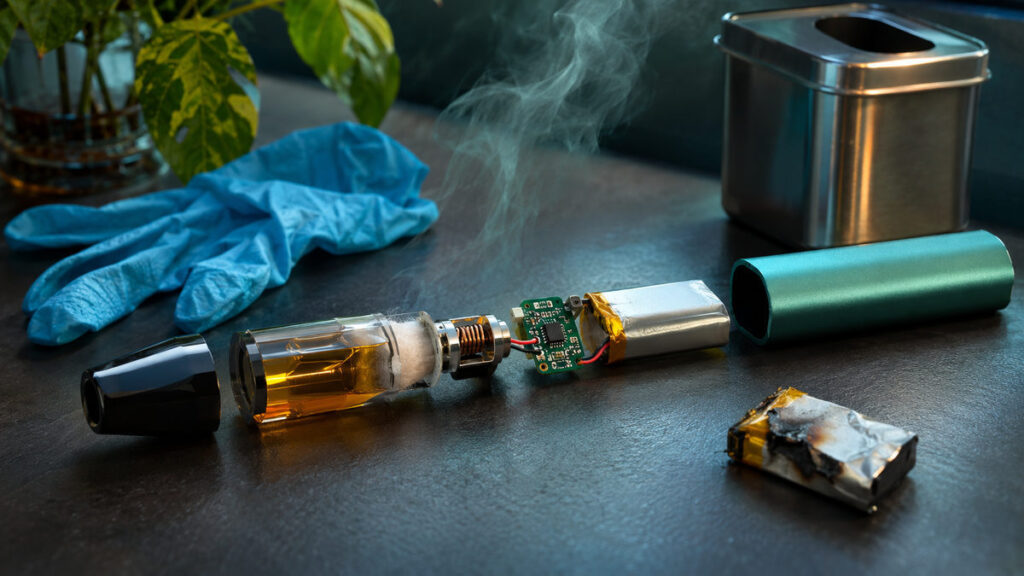
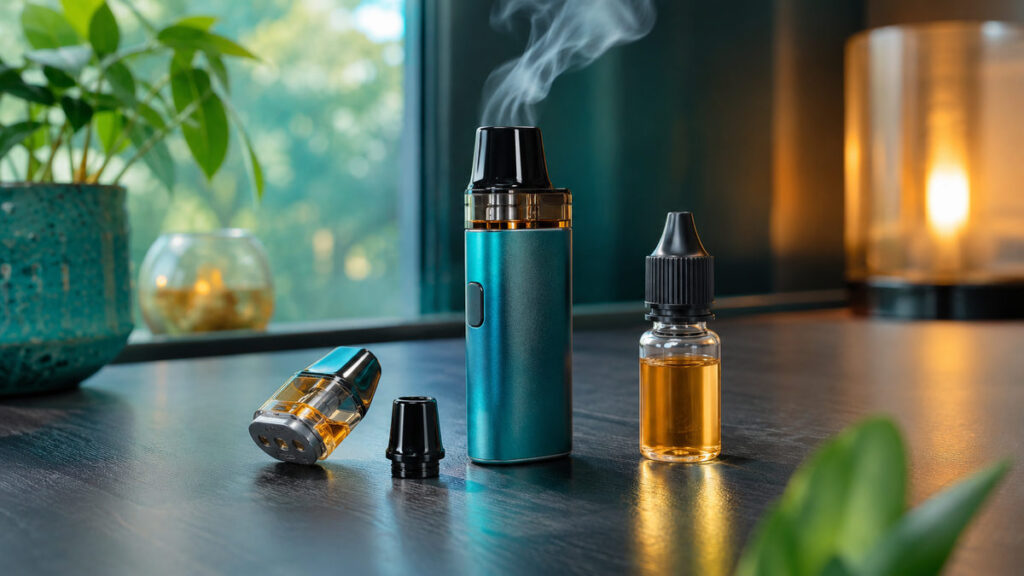
The pharmacist confirms that the formulation, pod, cartridge, coil, and device are designed to work together. An incompatible combination may leak, overheat, damage the device, or deliver nicotine unpredictably. Patients should not modify products unless the treatment plan and supported instructions allow it.
Compatibility assessment covers:
- The correct pod or cartridge for the named device.
- An appropriate formulation for the device’s operating design.
- Manufacturer-supported charging equipment and battery care.
- Clear instructions for filling, priming, cleaning, and replacement.
- The patient’s ability to read indicators and recognize faults.
The whole treatment picture matters most. Persistent symptoms, repeated device failures, or continued cigarette use may point to a need for reassessment. A product can be technically suitable and still offer little value if it does not help the patient reach their clinical goals.
7. Safe Dispensing, Counselling, and Continuity of Care
Dispensing does not finish when the pharmacist hands over the package. Counselling and follow-up are essential parts of therapeutic supply. Without them, patients may misread nicotine strength, combine incompatible components, miss side effects, or give up treatment after a minor problem.
Completing the Final Dispensing Check
The pharmacist compares the selected item with the prescription and patient record. This final check covers the formulation, strength, quantity, device, directions, batch, expiry, and package condition. Recent changes, allergies, and potential interactions may also require another look.
Labels and written directions need to be clear. The instructions should explain dosing without encouraging use beyond the agreed treatment plan. If anything does not match, it must be resolved before the patient receives the product.
Providing Practical Counselling
When appropriate, pharmacists demonstrate how to prepare and use the device. They explain normal operation as well as warning signs such as leakage, overheating, and battery damage. If the device appears faulty, patients should stop using it and seek professional advice.
Core counselling points include:
- How and when to use the prescribed product.
- How nicotine strength relates to the treatment plan.
- How to assemble, fill, charge, clean, and store the device safely.
- Which side effects need monitoring or urgent medical attention.
- How to prevent access by children, teenagers, and pets.
- How to dispose of liquids, pods, batteries, and devices responsibly.
Pharmacists also cover accidental exposure. Nicotine liquids can be harmful if swallowed or spilled on the skin. Patients should keep products secure, clean spills promptly, and contact local emergency services after a serious exposure.
Planning Follow-Up and Treatment Review
A follow-up plan gives the patient a definite next step. The pharmacist may review cravings, withdrawal, smoking frequency, product use, side effects, and progress toward agreed goals. An early review can catch problems before they cause the treatment to fail.
The response to side effects should match their severity. Mild nausea may point to excessive nicotine exposure or an unsuitable dosing pattern. Severe symptoms, breathing difficulty, chest pain, poisoning, burns, or battery incidents need urgent assessment through the appropriate services.
Managing Shortages and Safety Alerts
A shortage is not a reason to make an unreviewed substitution. Changing the strength, formulation, or device can alter both nicotine delivery and the technique required. Pharmacists assess the alternatives, explain any differences, and contact the prescriber if authorization or clinical review is needed.
When a recall or safety alert is issued, traceability records shape the response. Staff identify affected stock, quarantine remaining units, and contact the relevant patients. They also document advice, replacements, returns, and reported adverse events in line with local procedures.
Continuity depends on communication between the patient, pharmacist, and prescriber. Changes in treatment response, smoking behaviour, health status, or personal goals may call for a revised plan. Therapeutic supply is an active care process, not simply a transaction repeated each month.
Conclusion
Pharmacists assess therapeutic vape supply through a series of connected safeguards. They validate the prescription, verify the supplier, review batch-specific evidence, maintain traceability, and protect products in storage. They also consider clinical suitability, nicotine strength, device compatibility, and the patient’s broader treatment plan.
Because requirements differ between jurisdictions, patients should not assume that every online or overseas product meets local standards. Therapeutic vaping should remain part of evidence-based care under professional supervision. Counselling and follow-up are equally important, helping patients manage side effects, shortages, alerts, device problems, and changing treatment needs.
Before obtaining or changing a therapeutic vaping product, ask your pharmacist a few direct questions. Where did it come from? Has the batch been tested? Ask about nicotine strength, device compatibility, safe-use instructions, and the follow-up plan as well. If symptoms, product faults, or treatment concerns arise, seek help promptly.