
Vape aerosol may look like harmless mist, but what are users and bystanders really breathing in? Understanding the Health Risks of Vaping: What Australian Health Authorities Say makes it easier to separate the evidence from persuasive marketing. With so many conflicting claims, the immediate harms, legal rules, and long-term uncertainties can be hard to untangle.
Australian health authorities agree on one key point: vaping is not harmless. People who do not smoke should not start vaping, particularly young people and pregnant people. This guide covers the risks, warning signs, legal framework, and trusted ways to quit safely.
1. Health Risks of Vaping: What Australian Health Authorities Say
The official position
The Australian Government Department of Health, Disability and Ageing warns that vaping can damage health and lead to nicotine dependence. The NHMRC also says users inhale chemicals and toxins that may have harmful health effects. State and territory health departments echo these warnings through local education and prevention programs.

For non-smokers, starting offers no health benefit. Young people should not vape because nicotine can affect the developing brain and cause dependence. Pregnant people should also avoid vaping, as nicotine and other chemicals may affect pregnancy and fetal development.
What counts as vaping
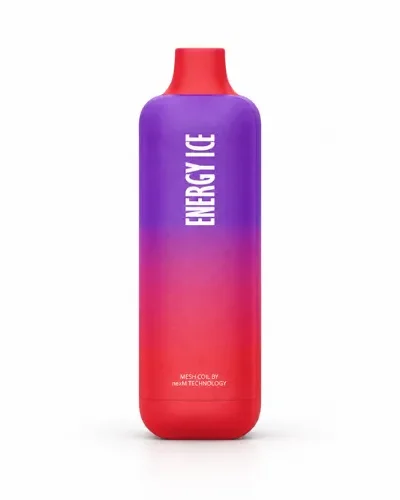
Vaping involves inhaling an aerosol created when a battery-powered device heats an e-liquid. These devices include disposable vapes, refillable pod systems, vape pens, tanks, and larger modified devices. Some products may contain nicotine even when sellers claim they are nicotine-free.
Therapeutic vapes belong to a separate regulated category in Australia. They must meet specific standards and are supplied by pharmacies under defined conditions. Even so, regulation does not make them harmless or appropriate for recreational use.
Evidence and uncertainty
Vapes differ widely in their liquids, heating temperatures, components, nicotine strengths, and patterns of use. No single study can capture every device or type of exposure. Product quality also influences which chemicals end up in the aerosol.
Researchers are still investigating the long-term effects. But the absence of decades of health data is not evidence of safety. The NHMRC guidance on electronic cigarettes recommends taking a cautious approach, especially for people who have never smoked.
2. What Is in Vape Aerosol—and Why It Is Not Water Vapour
Substances users may inhale
A vape heats liquid to produce an aerosol, not simple water vapour. The cloud can contain tiny droplets, particles, and chemicals. Exactly what is in it depends on the liquid, device materials, heating power, and the way the device is used.

Testing of vape liquids and emissions has identified several potentially harmful substances:
- Nicotine, which can cause dependence and acute poisoning
- Ultrafine particles that can travel deep into the lungs
- Flavouring chemicals that may irritate respiratory tissue
- Volatile organic compounds released from ingredients or heating
- Carbonyl compounds, including formaldehyde and acrolein
- Metals such as nickel, chromium, tin, and lead
Some metals may be released from coils, solder, or other parts of the device. Excessive heat can also produce more irritating breakdown compounds. A pleasant smell or flavour tells you nothing about whether the aerosol is safe.
Why labels can be unreliable
Illegal or poorly controlled products may not list their ingredients accurately. Australian testing has found nicotine in some products marketed as nicotine-free. This means a user could develop dependence without understanding the sudden cravings or withdrawal symptoms.
Taking nicotine out would not eliminate every risk. Nicotine-free liquids may still contain flavouring chemicals, solvents, contaminants, and substances formed during heating. Put simply, “nicotine-free” does not mean risk-free.
Exposure beyond the user
Users breathe aerosol into the surrounding air, and devices may release emissions between puffs. People nearby can then be exposed to nicotine, particles, and other chemicals. Exposure levels vary, but vape aerosol should never be mistaken for clean indoor air.
Extra care is needed around children, pregnant people, and anyone with asthma or another respiratory condition. Vaping in a home or vehicle creates avoidable exposure within a confined space. Users should move away from others and comply with local smoke-free laws.
3. Vaping Side Effects and Effects on the Lungs and Heart
Short-term vaping side effects
Some effects begin while a person is vaping or soon afterwards. Common complaints include coughing, dry mouth, throat irritation, headache, nausea, dizziness, and breathlessness. Some users also experience chest discomfort or a faster heartbeat.

These symptoms may result from airway irritation, nicotine exposure, or another aerosol ingredient. Yet the severity of the symptoms does not reliably show how much harm has occurred. A person may also inhale potentially harmful substances without noticing any immediate effect.
Vaping and lung health
Vape aerosol can irritate the airways and trigger inflammation. Users may experience coughing, wheezing, chest tightness, or discomfort during exercise. For people with asthma, symptoms may become more frequent or severe.
Serious vaping-associated lung injury can occur, although reported cases have involved a range of substances and circumstances. Unexplained breathing problems need careful assessment. Severe symptoms should never be dismissed as a routine reaction that will simply go away.
Seek prompt medical advice for a persistent cough, worsening wheeze, breathlessness, chest pain, or reduced exercise tolerance. Call Triple Zero if breathing becomes severe, the lips turn blue, or the person collapses. Sudden confusion or trouble staying awake also requires emergency help.
Vaping and heart health
Nicotine stimulates the nervous system and can temporarily raise heart rate and blood pressure. Vaping may also affect blood-vessel function and place extra stress on the cardiovascular system. The strength and duration of these effects differ between products and users.
The concern may be greater for people with heart disease, high blood pressure, a history of stroke, or vascular conditions. Palpitations, faintness, and chest discomfort should not be ignored. A clinician can decide whether urgent tests or changes to a quitting plan are needed.
Unknown long-term outcomes
Vaping has not been around long enough for every consequence of repeated exposure over several decades to become clear. Researchers continue to study chronic lung disease, cardiovascular disease, cancer, and other possible outcomes. Devices and formulations also keep changing, making long-term comparisons more difficult.
Uncertainty is a reason for caution, not reassurance. Many diseases take years to develop after repeated chemical exposure. Stopping vaping and avoiding dual use with cigarettes can reduce that future uncertainty.
4. Nicotine Addiction and Why Young People Face Greater Risks
How dependence develops
Many vapes deliver nicotine quickly, and some liquids contain high concentrations. Because the devices are small and discreet, they are easy to use repeatedly at home, school, work, or social events. Frequent nicotine exposure can soon become woven into a person’s daily routine.
There is no single timetable for dependence. Product strength, puff frequency, stress, age, and individual biology can all play a part. Someone who starts by vaping only in social situations may eventually feel the need to carry a device everywhere.
Signs of nicotine addiction
Cravings and trouble cutting down are common warning signs. As tolerance builds, a person may vape more often or look for stronger products. Needing to vape soon after waking can also point to significant dependence.
Other signs include:
- Feeling unable to concentrate without vaping
- Interrupting activities to find or use a device
- Continuing despite breathing, financial, or relationship problems
- Feeling irritable, restless, anxious, or low when stopping
- Experiencing poor sleep or strong urges during withdrawal
Withdrawal can be unpleasant, but it usually means the brain is adjusting to receiving less nicotine. Struggling with a quit attempt is not a sign of weak willpower. The right support can make the symptoms much easier to manage.
Vaping effects on teenagers
The brain keeps developing throughout adolescence and into young adulthood. Nicotine exposure during this time raises concerns about attention, learning, mood, and impulse control. Dependence may also establish routines that carry into later life.
A student may start by vaping occasionally on weekends. Before long, cravings can appear during classes, sport, or family activities. That cycle can interfere with concentration and make everyday stress feel harder to handle without nicotine.
Support without stigma
Parents, educators, and schools should start with calm questions, not accusations. Ask what the young person uses, how often they vape, and how they feel when they stop. Listening can reveal dependence, social pressure, stress, or mistaken beliefs about vaping.
Adults can then explain the health risks clearly, set sensible boundaries, and remove access to devices. Schools should enforce policies consistently while helping students find confidential health support. A GP, pharmacist, school health professional, or Quitline counsellor can help develop an age-appropriate plan.
5. Pregnancy, Poisoning, Second-Hand Exposure, and Device Injuries
Higher-risk groups
Children and teenagers are particularly vulnerable to nicotine exposure and accidental poisoning. Pregnant people should also avoid vaping because nicotine can cross the placenta. Breastfeeding parents should seek individual advice about nicotine exposure and safer ways to quit.
People living with asthma, chronic lung disease, heart disease, or vascular conditions also need medical advice tailored to them. Medicines and existing health conditions may influence which quitting approach is safest. A GP or pharmacist can discuss suitable treatments without judgement.
Nicotine poisoning
Nicotine poisoning can happen when someone swallows e-liquid, spills it on their skin, splashes it into their eyes, or inhales too much nicotine. Children are especially at risk because even a small amount can cause severe harm. Pets can also become seriously ill if they chew a device or come into contact with the liquid.
Possible symptoms include:
- Nausea, vomiting, stomach pain, or excessive saliva
- Sweating, dizziness, headache, or weakness
- Confusion, agitation, tremor, or an abnormal heartbeat
- Breathing difficulty, seizures, loss of consciousness, or collapse
When urgent help is needed
Call Triple Zero on 000 if someone has breathing difficulty, seizures, severe confusion, loss of consciousness, or collapses. After any suspected exposure to e-liquid or nicotine, contact the Australian Poisons Information Centre on 13 11 26. The service offers advice anywhere in Australia at any time.
Do not wait for symptoms to appear before asking for poison advice. Never induce vomiting unless a health professional tells you to do so. Keep the container or device nearby, as information on its label may help with the assessment.
Fires and physical injuries
Lithium batteries may overheat, catch fire, or explode because of damage, improper charging, or equipment failure. These incidents can cause burns, eye injuries, fires, and injuries from flying device parts. Never use a device that is swollen, leaking, unusually hot, or damaged.
Keep all devices and liquids securely stored away from children and pets. Do not let loose batteries come into contact with keys or coins, and never leave charging equipment unattended. Batteries and vaping products should be discarded according to official disposal guidance.
Protecting bystanders
Do not vape indoors, in vehicles, or close to other people. Never vape around babies, children, pregnant people, or anyone who has breathing difficulties. Second-hand aerosol is an avoidable form of chemical exposure. It is not harmless water vapour.
6. Vaping Versus Smoking, Australian Laws, and How to Quit
Is vaping safer than smoking?
Burning tobacco produces smoke filled with many toxic and cancer-causing substances. Cigarettes generally expose smokers to more combustion-related toxicants than vapes do. Still, that comparison does not make vaping safe.
An adult smoker who switches completely may reduce exposure to some harmful chemicals. Any benefit, however, depends on stopping cigarettes altogether and getting appropriate clinical guidance. People who have never smoked should not take up vaping in the belief that it offers a health advantage.
The problem with dual use
Using cigarettes and vapes together can keep nicotine dependence firmly in place. Even smoking fewer cigarettes may leave a person exposed to substantial smoking-related harm. Total exposure may also rise when vaping is used between cigarettes.
The goal remains complete smoking cessation. A personalised plan can tackle both products instead of leaving one source of dependence unaddressed. If a person relapses, they should review and adjust the plan rather than give up on the attempt.
Vaping laws in Australia
Australia treats regulated therapeutic vapes differently from recreational products. Pharmacies may generally supply therapeutic products under specific Commonwealth, state, and territory requirements. Tobacconists, convenience stores, and vape shops cannot legally sell vapes or vaping products.
Where local law allows, adults may obtain certain lower-strength therapeutic vapes from participating pharmacies after speaking with a pharmacist. Prescriptions are still required in several situations, including for people under 18 or for products with higher nicotine concentrations. Restrictions also apply to flavour, packaging, quantity, and supply.
Rules may change and can vary between jurisdictions. Check official Australian Government and state or territory sources before buying, supplying, travelling with, or using a vape. Local smoke-free laws also determine where vaping is prohibited.
Therapeutic vaping for smoking cessation
For some adults who smoke, a regulated therapeutic vape may be included in a clinically supported quitting plan. Authorities do not, however, consider it a general consumer product. Nor is it suitable for non-smokers looking for a recreational experience.
Therapeutic vaping is not usually the first option offered. A clinician or pharmacist can look at previous quit attempts, level of dependence, health conditions, and personal preferences before recommending an approach. Regular follow-up can help users stop smoking and, in time, end their nicotine dependence.
Evidence-based ways to quit
Behavioural counselling helps users recognise the routines, triggers, and beliefs that keep them vaping or smoking. Approved nicotine-replacement therapies can ease cravings while providing nicotine without inhaled aerosol. Options may include patches, gum, lozenges, sprays, or other approved products.
A GP or pharmacist can advise on the right doses, combinations, and other suitable medicines. A written quit plan can also set a date and identify likely triggers, coping strategies, and supportive people. Preparing for withdrawal can make those first few days less disruptive.
Practical strategies include:
- Removing devices, liquids, chargers, and cigarettes
- Changing routines linked with vaping or smoking
- Using water, movement, or slow breathing during cravings
- Avoiding high-risk situations during the first weeks
- Reviewing setbacks and adjusting the plan promptly
Australian cessation services
Quitline provides confidential support on 13 7848. The Quit website and My QuitBuddy also offer planning tools, help with cravings, and progress tracking. Support is available through a GP, pharmacist, or relevant state or territory health service as well.
Aboriginal and Torres Strait Islander people may prefer to seek support from an Aboriginal Community Controlled Health Service. Quitline can also arrange culturally appropriate assistance and interpreter access. The most effective support plan is one that suits the person’s health, circumstances, and preferred way of communicating.
Conclusion
Australian health authorities are clear that vaping is not harmless. It can expose users and bystanders to nicotine, particles, metals, and other chemicals. Vaping may affect the lungs and cardiovascular system, lead to dependence, and create risks of poisoning and physical injury.
Young people, pregnant people, and anyone with a respiratory or cardiovascular condition need to be especially cautious. An adult smoker who switches completely may reduce exposure to some toxicants, but neither vaping nor dual use is risk-free. Non-smokers should not start.
If you smoke or vape, talk to a GP or pharmacist about a quitting plan designed for you. You can also call Quitline on 13 7848 for confidential support. For serious symptoms, call 000. After suspected exposure to e-liquid or nicotine, contact 13 11 26 immediately.