
What can two words, Blast and Ice, tell you about how a berry flavour might taste? SOEKE S9 28000 Puffs Blueberry Blast and Blackberry Ice: Understanding Berry Flavour Terminology starts with that distinction. Blueberry Blast pairs a familiar fruit with a word that suggests bold flavour. Meanwhile, Blackberry Ice pairs a different berry with a word that suggests a cooling sensation.
Both names give you a starting point, but each leaves room for several different flavour profiles. For instance, a pronounced blueberry note could be sweet or tart. Likewise, a cooling blackberry flavour could have a recognisable mint note or simply feel cool. Fresh berries help explain the references, while a verified product description can clarify how each option is presented.
SOEKE S9 28000 Puffs Blueberry Blast and Blackberry Ice Explained
| Flavour name | Named berry | Modifier | What the modifier suggests |
|---|---|---|---|
| Blueberry Blast | Blueberry | Blast | A pronounced flavour or a strong first impression |
| Blackberry Ice | Blackberry | Ice | A cooling sensation alongside the berry note |
Start with the named berry
Blueberry and blackberry tell you which fruit each name asks you to picture. For instance, blueberry might remind you of a handful of fresh berries or a spoonful of blueberry jam. Blackberry might bring to mind a ripe berry with a tangy finish. Those associations help explain the names, and they can differ from one reader to the next.
The fruit word also leaves room for different styles of flavour. A blueberry description could emphasise the gentle sweetness of fresh fruit or the concentrated character people associate with jam. Similarly, a blackberry description could lean into the fruit’s sweetness or highlight its tang. The names alone leave that choice open for both formulations.
Read the modifiers for different clues
Blast draws attention to how strongly a flavour might come across, particularly at first. By comparison, Ice draws attention to the possibility of a cool sensation. One word suggests prominence, while the other names a type of sensation. Therefore, the two modifiers cannot serve as points on a shared intensity scale.
Think of two café drinks labelled “bold blueberry” and “chilled blackberry.” The first tells you what the menu wants you to notice about the blueberry flavour. Meanwhile, the second tells you something about how the blackberry drink is served. You still need more information to say which drink has the stronger fruit flavour.
The same reading helps with the two SOEKE S9 names. For example, Blackberry Ice could have a pronounced berry note even though its modifier highlights cooling. Conversely, Blueberry Blast could make a strong opening impression without revealing how long that impression lasts. Both are possible readings of the language, with the actual profiles left open.
How Blueberry and Blackberry Typically Differ in Sweetness and Tartness
Blueberries often bring gentle sweetness
A ripe blueberry often has a mild, sweet flavour, sometimes with a gentle tart edge. For instance, the first berry in a handful might taste mellow, while the next has a sharper finish. Both still taste recognisably like blueberries. The balance can shift enough for you to notice it within a single bowl.
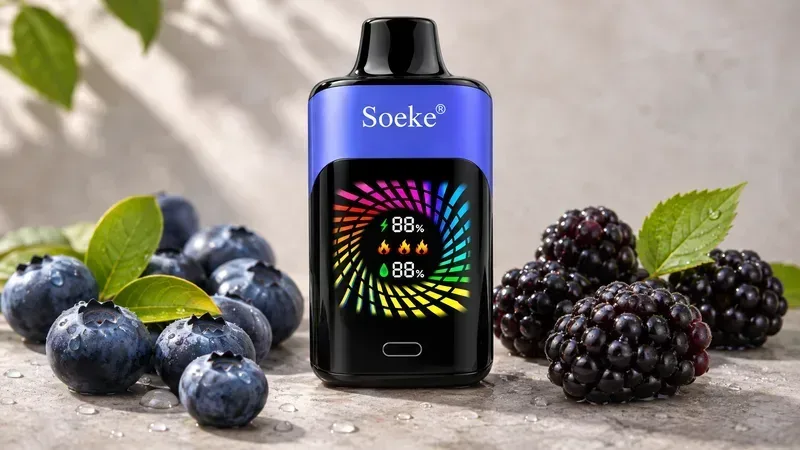
Ripeness helps explain some of that variation. As blueberries ripen on the plant, they can develop fuller flavour and taste sweeter. However, colour provides an imperfect guide to how a particular berry will taste. A blue berry can still have a sharper edge than another berry that looks much the same.
Variety also makes a difference to the fruit’s character. For example, two ripe varieties can offer different balances of sweetness and acidity. One may taste gentle enough to blend into a bowl of plain yoghurt. Another may bring enough tartness to stand out in the same spoonful.
Blackberries often give tang more room
Blackberries often combine sweetness with a more noticeable tang. A ripe blackberry can taste sweet on the first bite and leave a sharper impression as you finish it. However, some varieties taste quite sweet, while others retain a little more tartness. University of Maryland Extension describes both sweeter and slightly tart blackberry cultivars in its home gardening guidance.
Ripeness matters here, too. For instance, two dark blackberries from the same plant can taste different if one has had more time to ripen. The sweeter berry may still have a clear tang. In that case, both sensations contribute to the flavour you recognise as blackberry.
Use fresh fruit to understand the reference
Imagine tasting one blueberry and one blackberry from the same bowl. The blueberry might taste mildly sweet, while the blackberry has a brighter, tangier finish. However, a second pair could reverse that impression if the blueberry is tart and the blackberry is especially sweet. The fruit names suggest familiar profiles with plenty of overlap.
That overlap matters when you read Blueberry Blast and Blackberry Ice side by side. A formulation can emphasise any part of the familiar fruit profile, including the sweeter or sharper notes. Therefore, what you remember about fresh blueberries and blackberries cannot establish which named formulation tastes sweeter or tarter. Those comparisons need evidence about the two specific flavours.
It also helps to describe sweetness and tartness separately. For instance, a blackberry jam can taste very sweet and still have a noticeable tang. Likewise, a blueberry compote can taste gently sweet with a little brightness. A description that mentions both sensations gives you more to work with than the fruit name alone.
What Does Blast Mean in Vape Flavour Names?
Blast suggests a noticeable first impression
Blast is a marketing descriptor that can suggest a pronounced flavour or a strong first impression. In Blueberry Blast, it directs your attention to the blueberry character. For instance, you might read it as a hint that blueberry comes through clearly from the start. That interpretation comes from the wording, and the name gives no measured intensity.
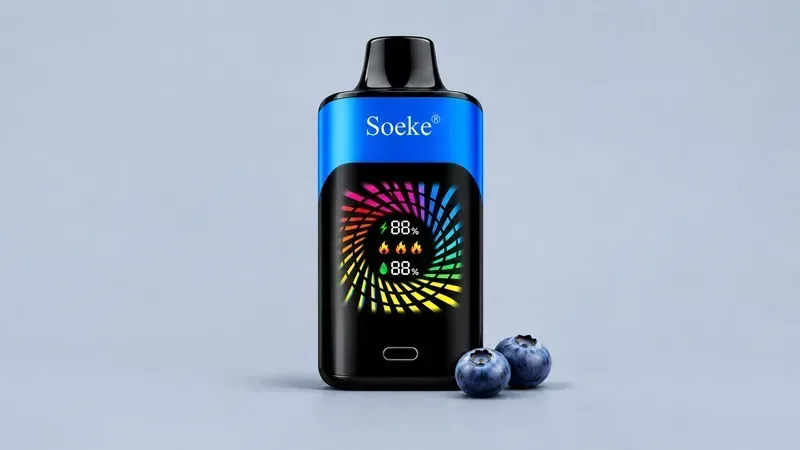
Remember how a sharp lemon flavour gets your attention quickly, even when it tastes only mildly sweet. A rich berry flavour can stand out for a different reason, such as a concentrated fruit aroma. Similarly, a word like Blast can apply to several kinds of strong impression. It leaves the balance of sweetness, tartness and aroma open.
Blast has no standard intensity rating
The word has no standard scale that places it at a particular flavour strength. For example, the label gives you no equivalent of a score of four out of five. It also gives no reference flavour for comparison. Therefore, Blast cannot establish whether Blueberry Blast has a stronger berry flavour than Blackberry Ice.
First impression and lasting intensity are separate details, too. For instance, a fruit flavour can seem vivid at first and fade quickly. Another can start gently and remain easy to recognise through the finish. The word Blast can evoke a strong opening, but the name leaves the finish unspecified.
If a verified description calls the blueberry note “pronounced,” that wording gives you a more specific claim to attribute. However, it still leaves questions about sweetness, tartness and how the blackberry option compares. A description would need to address those traits directly. A head-to-head ranking would need comparable evidence for both flavours.
What Does Ice Mean in Vape Flavours?
Ice typically signals a cooling sensation
In vape flavour names, Ice typically signals a cooling sensation alongside the named flavour. In Blackberry Ice, the label points to blackberry as the fruit and cooling as the additional sensation. However, the word gives no indication of whether the effect is gentle, moderate or pronounced. It also leaves the timing and duration of the sensation open.
Think about the sensation you associate with a cool finish after a mint. You might notice a fresh, cool feeling and also recognise the mint flavour. Those are two distinct parts of the experience, even when they arrive together. Similarly, a fruit flavour can have a cooling sensation alongside its berry character.
Cooling and mint can occur together
Mint has a recognisable flavour and aroma. Cooling describes how something feels, and you can discuss that sensation independently of the flavour you recognise. For example, a mint sweet can have both a leafy or peppermint-like note and a pronounced cool finish. The two qualities can vary separately.
Research on commercially marketed e-cigarette liquids has found different cooling compounds across sampled products. Specifically, the study Synthetic Cooling Agents in US-marketed E-cigarette Refill Liquids and Popular Disposable E-cigarettes examined products with varied flavour labels. Its findings concern the products the researchers sampled. They help explain why a cooling word alone provides limited information about a formulation.
For Blackberry Ice, the word Ice therefore gives you a reason to expect a cooling theme. However, the name alone leaves a recognisable mint note unconfirmed. A verified description might mention mint, a mild cool finish or another detail. Each phrase would tell you more about the advertised profile than Ice does on its own.
The name leaves the cooling ingredient and strength open
Several ingredients can contribute to a cooling sensation, and Ice names none of them. For instance, an ingredient disclosure could list a cooling compound by name. A flavour description might simply refer to a cool finish. Each source answers a different question about the same flavour.
Cooling strength is another detail to check separately. A description that says “light cooling” presents a different expectation from one that says “intense cooling.” Meanwhile, both could fit under the same broad Ice label. The modifier gives you the category of sensation, while the fuller wording can describe its degree.
Pay attention to where that wording comes from. For example, “the manufacturer describes a cool finish” attributes a specific sensory claim. A personal review can describe how strong the cooling felt to that reviewer. Neither claim follows from the word Ice alone.
Can the Names Tell You Which Flavour Is Sweeter, Stronger or Cooler?
The names give you two clear clues about the intended berry notes and two different clues about emphasis. However, sweetness, tartness, berry intensity and cooling intensity each need their own comparison. The table shows how much you can infer from the labels and what evidence would answer the remaining questions.
| Trait | What the names suggest | What to check for product-specific evidence |
|---|---|---|
| Sweetness | Both berry names can evoke sweetness. Neither modifier indicates how sweet the formulation tastes. | Descriptions that address sweetness for both variants, or a comparable sensory assessment. |
| Tartness | Fresh blackberry often brings tang to mind. The label leaves the tartness of either formulation open. | Descriptions or tasting evidence that specifically address tartness for each variant. |
| Berry flavour intensity | Blast suggests a pronounced impression. Ice draws attention to cooling. | Comparable evidence about how strongly the berry note comes through in each variant. |
| Cooling intensity | Ice explicitly signals cooling. Blast leaves cooling unspecified. | A verified description that states whether cooling is present and describes its strength. |
| Mint notes | Neither flavour name mentions mint. | A verified flavour description or sensory assessment that explicitly addresses a mint note. |
| Ingredients | The words identify intended flavour references and sensations. | An ingredient disclosure for the exact variant to identify which ingredients it lists. |
Match the source to the detail you want
A verified product description can tell you how its source presents the flavour. For instance, if a manufacturer describes a variant as tart, you can attribute that sensory claim to the manufacturer. Similarly, a retailer’s description tells you how that retailer presents the flavour. Check that the description names the exact model and variant before using it.
An ingredient disclosure answers a narrower question about what the source lists for that formulation. If it names a particular cooling ingredient, you can report that listing directly. However, the ingredient name alone gives you limited information about perceived cooling strength. For that detail, look for a description or sensory evidence that addresses intensity.
Keep comparisons tied to the evidence
Imagine that one verified description says “pronounced blueberry,” while the other says “blackberry with a light cool finish.” The first tells you how its source describes the blueberry note. Meanwhile, the second gives you information about the blackberry option’s cooling. You still lack a common basis for ranking the strength of the two berry notes.
The same distinction applies to which flavour seems cooler. The name Blackberry Ice gives an explicit cooling clue, while Blueberry Blast leaves that trait unspecified. However, an explicit clue for one option and silence for the other cannot establish a ranking. Leave the comparison open unless comparable evidence addresses cooling in both variants.
What Does 28000 Puffs Mean in the SOEKE S9 Name?
28000 Puffs is a puff-count claim in the product name. It concerns the stated number of puffs associated with the device. Meanwhile, Blueberry Blast and Blackberry Ice identify the flavour options and their advertised emphasis. Reading those parts separately makes it easier to see what each part tells you.
For instance, imagine two packages that both display the same puff count. One names a blueberry flavour, and the other names a blackberry flavour with cooling. The shared number gives you no basis for saying the berry notes are equally strong. Likewise, it tells you nothing about which option might taste sweeter or have more tang.
The figure also gives no information about cooling. It cannot tell you whether a cooling sensation is faint or strong, or whether the flavour includes a recognisable mint note. Therefore, the number has no bearing on which sensory claims the names support. You would need information specific to the flavour to answer those questions.
Conclusion
Blueberry and blackberry identify the intended berry notes. Blast suggests a pronounced flavour or a strong first impression, while Ice typically signals cooling. However, the names leave actual sweetness, tartness, berry flavour strength, cooling intensity and ingredients open. Fresh-fruit tasting notes give you a familiar reference, and product-specific evidence gives you a basis for comparison.
The next time you read a flavour label, identify the berry and its modifier first. Then check a verified product description for details about taste or cooling. If your question concerns a specific ingredient, look for an ingredient disclosure for that exact variant. Leave any comparison open when the available information describes only one side.







