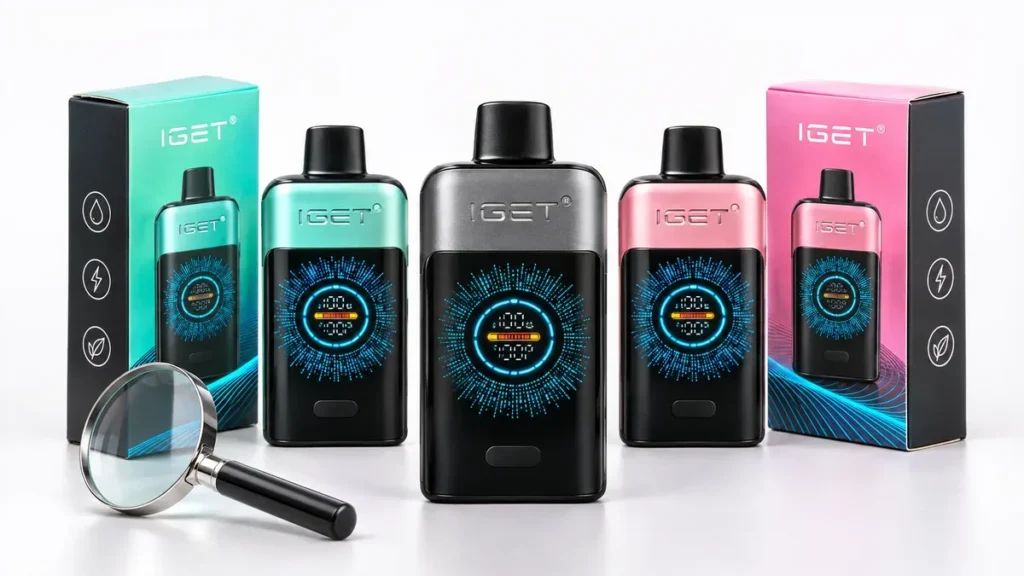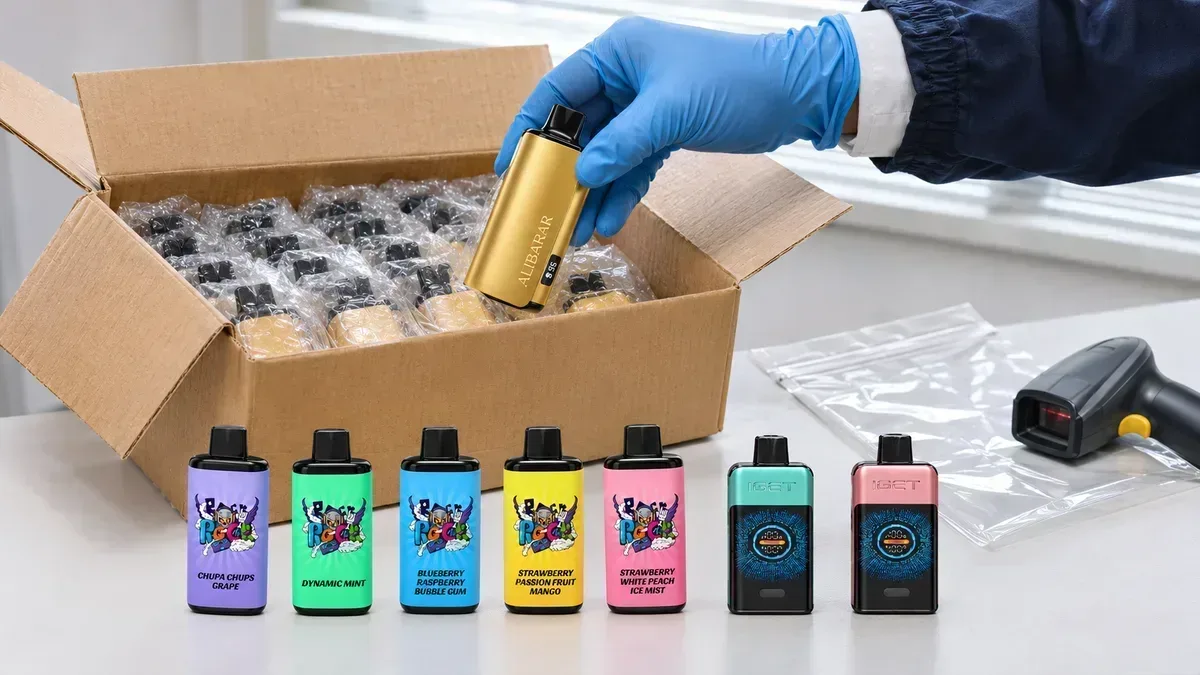
A customer flags a suspicious vape, a retailer produces an invoice, and a shipment record points to an importer. How Are Illegal Vape Supply Activities Investigated? Investigators compare those clues to establish where the product came from and which rules applied when it entered the market.
Consider a hypothetical case involving a vape whose package displays two different nicotine concentrations. At first, the complaint raises a labeling question. However, a shop inspection and a shipment record could reveal that several retailers received the same batch. Each step helps authorities decide what to check next and which agency has the power to act.
This article provides general legal information for public understanding. Local rules and investigative powers vary. For advice about a specific case, speak with a qualified local adviser.
How Are Illegal Vape Supply Activities Investigated?
What makes a vape supply activity illegal?
Investigators first identify the rule that applies to the product, the business, and the transaction. For instance, a manufacturer might need a license to produce vapes, while an importer might need authorization for a specific model. A distributor could breach local rules by supplying stock with missing warnings. Likewise, a retailer may violate age restrictions by selling to someone below the legal minimum.
The same product can be legal to sell in one market and prohibited in another. For example, UK government guidance explains that businesses cannot sell or supply single-use vapes in the UK. Elsewhere, a jurisdiction might permit that product category subject to its own requirements. Therefore, investigators establish where and when the activity occurred before drawing conclusions.
Some breaches lead to administrative or civil enforcement, such as a warning or a license review. However, suspected fraud or smuggling may trigger a criminal investigation. A labeling discrepancy could reflect a printing error, while evidence of deliberate falsification could raise a separate legal question.
Which agencies investigate?
Responsibility often depends on where the concern surfaced and what the evidence suggests. For example, these agencies may play different roles in the same inquiry:
- Public health regulators may oversee product authorization, labeling, and safety requirements.
- Trading standards or consumer protection bodies may inspect retailers and examine misleading claims or age-restricted sales.
- Customs authorities may check declarations and examine goods entering the country.
- Tax agencies may investigate unpaid duties or taxes where those charges apply.
- Police and specialist enforcement units may investigate suspected criminal conduct or support cases spanning several businesses.
After receiving a lead, an agency assesses the risk and checks whether it has jurisdiction. Next, it verifies the key facts using records, inspections, or testing, as appropriate. If another authority has the relevant powers, the agency may refer the lead or coordinate a joint inquiry. Ultimately, any enforcement decision depends on what the evidence supports under the applicable law.
How Investigations Begin and How Online Sales Are Monitored
Complaints, tips, and other leads
A consumer complaint can give an agency a product name, a shop location, and a date to check. Likewise, an employee or supplier might report a recurring practice that customers would only see once. An anonymous tip can also prompt an inquiry when it includes details that investigators can verify independently.
Agencies also develop leads through their own work. For instance, a routine inspection may uncover unexplained stock, while customs officers may notice a discrepancy in a shipment. Intelligence from another agency can connect incidents that appeared unrelated. Additionally, an adverse health incident can prompt a product inquiry while investigators assess whether the product contributed to the harm.
Investigators weigh how specific, credible, and urgent each report is. In our example, a dated receipt and photos of both sides of the package give officers details to compare. Meanwhile, similar complaints about the same batch would help them assess whether the problem extends beyond one shop. If the concern involves imports, the receiving regulator can refer relevant details to customs.
Public listings and online advertising
Investigators can lawfully review public material to see what a seller offers and how it describes the product. For example, they may check these sources:
- Marketplace listings and the seller’s own website
- Public social media profiles, posts, and advertisements
- Public groups or channels on messaging platforms
Officers may record the listing address, capture date, product variant, and wording of any claim about approval. Next, they compare those details with available licensing or product records. A listing may show what a seller advertised on a particular day. However, evidence of an actual sale or delivery may come from a receipt, order record, or other source.
Access to private messages, restricted accounts, and records held by a platform depends on applicable legal authority. For instance, a regulator might review a listing anyone can see but need separate authority to obtain order histories. In the example, a public listing helps confirm which package design the retailer advertised.
Retailer Inspections, Controlled Purchases, and Product Testing
How inspectors check retailers
During an authorized compliance visit, inspectors may compare the stock on the shelf with the retailer’s invoices. They may also check whether the business holds any required license and whether staff follow age-verification procedures. Specifically, the records and products may help inspectors answer questions like these:

- Does the license, where required, cover this business and the activity under review?
- Do package warnings and nicotine declarations meet the applicable requirements?
- Can invoices identify who supplied the products and when they arrived?
- How does the business verify age at checkout or delivery, where required?
Where local law allows, authorities may conduct a controlled purchase to document what a seller offers or sells. For instance, an authorized purchase can record which item the seller supplied and whether staff applied the required age checks. The agency follows procedures that apply in that jurisdiction, including any rules on who may participate. Afterwards, officers can compare the receipt, product, and recorded observations with other evidence.
In the example, the inspector finds six boxes with the same batch number and the same conflicting nicotine labels. Meanwhile, a recent invoice identifies a distributor and lists the model and quantity. That gives investigators a supplier to contact and helps them select samples for testing.
What laboratories can verify
A laboratory can measure nicotine concentration and compare the result with the label’s declaration. Depending on the inquiry, analysts may also test for prohibited ingredients or contaminants. For example, a report might find 25 milligrams of nicotine per milliliter where the package declares 20. Investigators would then consider the measurement, its uncertainty, and any applicable labeling tolerance or concentration limit.
If officers suspect counterfeiting, they may compare packaging and identifiers with authenticated samples or records from the manufacturer. For instance, the manufacturer may confirm whether it issued a batch number for that model and package design. Investigators then assess the laboratory findings alongside official product records and the local requirements. A chemistry result can establish what a sample contains, while official records help determine whether the exact variant had authorization.
Tracing Illegal Vape Imports and Distribution Networks
Customs checks and supply chain records
Customs authorities review declarations to determine what goods an importer has reported and how it classified them. Depending on the shipment and applicable rules, officers may use risk assessment, scanning, or a physical examination. For instance, an examination can establish whether the goods in the shipment match the description on the paperwork. Product regulators may assist when the goods require a separate authorization check.
In our example, the retailer’s invoice identifies a distributor but gives no batch number. However, the distributor’s dispatch records link that delivery to batch B17, which appears on all six packages. A warehouse intake record then connects the batch to a consignment and names the company that delivered it.
Next, shipping data identifies the consignment’s route, while the import declaration names an importer. Investigators compare the declared model and quantities with the warehouse records and packaging. If necessary, they may ask the named manufacturer whether it produced the batch. Together, those records can help establish which businesses handled the stock from production through retail sale.
Records sometimes conflict or omit a detail that matters. For instance, the warehouse might show 240 units while the customs entry lists 200. Investigators may seek amended documents, compare other delivery records, or ask the businesses to explain the difference. If the gap remains, officers document which part of the shipment they can reliably connect to the retail stock.
Following payments and coordinating across borders
Financial records can help investigators see who paid whom and whether payments correspond to particular shipments or sales. Where authorities have lawful access, they may compare several sources:
- Bank records showing payments between businesses
- Payment processor records connecting online sales to a merchant account
- Tax filings and business records showing declared activity and commercial relationships
For example, a payment that matches an invoice can corroborate a purchase. Likewise, a processor’s records may connect customer orders to the company receiving the money. When investigators suspect unlawful proceeds, they may trace those payments further under the applicable legal powers.
Across borders, customs, regulators, tax investigators, and police may refer leads or share information where the law permits. However, obtaining records for a proceeding may require a formal request for evidence. For example, the U.S. Department of Justice’s Office of International Affairs helps authorities obtain foreign evidence in criminal cases.
Digital Evidence, Searches, and Product Seizures
Collecting and preserving digital evidence
A listing may identify the seller by a shop name, while sales records can show which business filled the orders. Likewise, website records, business systems, devices, and communications may help establish who managed the operation. In the example, order histories could show when the retailer first offered the batch and how many units it sold.
Investigators need lawful access to each source and document where the evidence came from. For instance, an officer who captures a public listing can record its address and the time of capture. If a business provides an order export, the officer may record who supplied it and which dates it covers. Investigators secure the preserved records and use copies for review where appropriate.
Chain of custody records who collected an item, who handled it, and when it moved between people or locations. For example, officers may seal and label a sample before recording its transfer to the laboratory. Similarly, they document transfers of digital files and paper records. Those details help an agency, court, or tribunal assess whether the evidence presented is the material investigators originally collected.
When authorities may search, detain, or seize
A routine inspection usually checks compliance within the limits of a specific inspection power. A search may involve examining premises, containers, or devices for evidence under a separate legal authority. Whether officers need a warrant or can rely on another power depends on the law, purpose, location, and scope. For instance, authority to examine shop stock may have different limits from authority to examine a private phone.
Temporary detention can hold a shipment while authorities verify documents, inspect goods, or decide whether to release it. By contrast, seizure involves taking control of goods or other property under a legal power. For instance, customs might detain a consignment while a regulator checks whether the declared product can enter the market.
Where legally authorized, officers may seize products, records, devices, or money as evidence or property subject to enforcement. Meanwhile, the agency records what it took and keeps track of its custody. Any later release, continued retention, or forfeiture follows the applicable process.
Enforcement Outcomes, Timelines, and Business Rights
What happens after evidence is collected?
Once authorities review the evidence, they decide whether it supports action and which body can take it. For instance, an agency may close the inquiry if records resolve the discrepancy or the evidence cannot establish a breach. If the evidence supports a response, available options can include:
- Issuing a warning or seeking corrective steps
- Ordering or seeking a recall where the law provides that power
- Taking action against a license or imposing or seeking fines
- Bringing civil proceedings or seeking recovery of assets under applicable law
- Referring suspected offenses to prosecutors for a decision on criminal charges
An allegation is a claim that still needs assessment. An investigative finding records what an agency concludes from the evidence it gathered. However, the applicable administrative or court process determines how a violation becomes formally established. In the example, a lab result can support a labeling finding while officers continue reviewing the import records.
A case involving one shop and one batch may move faster than an inquiry covering several importers. For instance, laboratory turnaround or a request for foreign records can extend the evidence-gathering stage. Contested proceedings may also add time if a party challenges a finding or a proposed penalty.
What rights and obligations do businesses have?
Businesses may have rights to receive notice, obtain legal representation, and respond to proposed findings or enforcement action. Additionally, privacy protections may govern how authorities obtain, use, and disclose information. Where the law provides a review or appeal process, a business may use it to challenge an action. The notice or applicable procedure may explain the relevant deadline.
Obligations to preserve records, provide documents, or cooperate depend on local law and the scope of the request. For instance, a formal notice may specify particular records, a date range, and a response deadline. A qualified local adviser can explain how those requirements and procedural rights apply in a specific case.
Reducing Compliance Risks and Reporting Suspected Illegal Sales
Compliance practices by business role
Each business can maintain records that show what it handled and how it checked compliance. For instance, a retailer can resolve a question about one batch faster when its invoice identifies the exact variant. Useful checks depend on the business’s role:
- Manufacturers can document product specifications, ingredients, label versions, and batch records.
- Importers can verify the exact product’s authorization where required and check declarations against shipment contents.
- Distributors can verify supplier details and keep records linking incoming batches to customer deliveries.
- Retailers can check licensing requirements, retain product and supplier records, and apply age controls in stores and online.
For online orders, retailers should check which age controls apply at checkout and delivery. Meanwhile, a distributor that receives mixed batches can record which batches went to each customer. If authorities later identify batch B17, those records can help the businesses locate affected stock and respond to any recall.
Warning signs and safe reporting
An inconsistent label, missing supplier details, or an apparent lack of age checks can warrant verification. For example, the customer in our case can report the two nicotine figures and share photos already in their possession. The regulator can compare that observation with other evidence before deciding whether it indicates a violation.
Use the official reporting channel that fits the concern. For instance, a product regulator or consumer protection body may handle suspect retail sales. Customs may accept information about shipments, while an official whistleblower channel may suit an employee reporting workplace conduct.
Include facts you already have, such as a receipt, listing URL, or purchase date. Describe what you observed so officers can distinguish firsthand details from assumptions. Leave test purchases and surveillance to authorized investigators, and avoid confronting sellers.
Conclusion
An investigation may begin with a tip, an inspection, or a discrepancy in a shipment. From there, investigators compare products, records, and other evidence with the laws that applied to the transaction. In our example, the label raised the first question, while the batch number and invoices helped trace the product upstream.
Use your local regulator’s official portal to check licensing or product authorization where public records are available. If you suspect an unlawful sale, submit a factual report through the appropriate official channel. A receipt, a listing address, or a clear description can give investigators a specific detail to verify.