Introduction
Vaping has become increasingly visible across Australia, but the headlines often tell very different stories. Australian Vaping Research: What Do Studies Show? The answer varies with the product, population, outcome, and study design. A survey may reveal an association, for example, but it cannot prove what caused it.
A clinical trial can test quitting outcomes under controlled conditions, though its results may not mirror everyday use. Laboratory studies can identify chemicals and biological changes, but they cannot predict every future illness. This overview separates what is well established from reasonable concerns, disputed interpretations, and questions that remain unanswered.
1. Australian Vaping Research: What Do Studies Show?
Products and research methods
Vaping involves inhaling an aerosol produced when an electronic device heats a liquid. These devices are commonly called e-cigarettes or nicotine vaping products. Their liquids typically contain solvents, flavourings, and sometimes nicotine. The aerosol is not harmless water vapour.

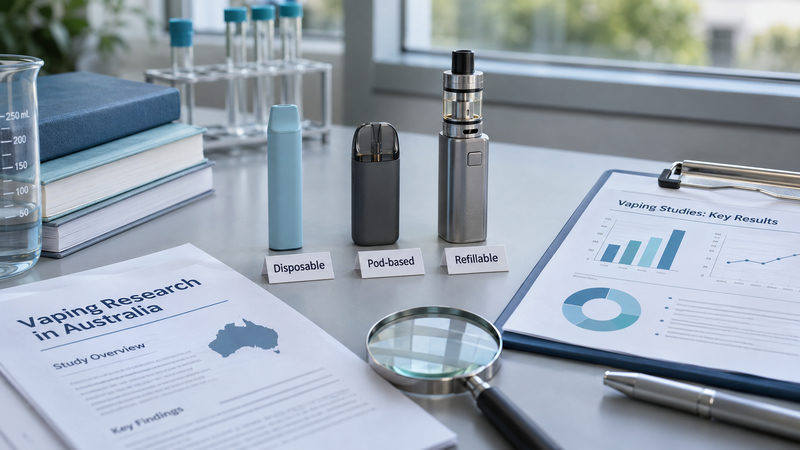
Disposable vapes come prefilled and are thrown away once the liquid or battery runs out. Pod systems use replaceable or refillable cartridges, while refillable devices generally have larger tanks. These design differences matter: they can affect nicotine delivery, aerosol temperature, chemical emissions, and the way people use the product.
Australian researchers study vaping using several methods that complement one another:
- Population surveys measuring experimentation, regular use, and demographic patterns.
- Cohort studies following people to identify changes over time.
- Laboratory analyses testing liquids, aerosols, labels, and device performance.
- Clinical research examining symptoms, dependence, and quitting outcomes.
- Poison-centre reports documenting accidental exposures and injuries.
- Policy evaluations assessing changes after laws or enforcement measures.
What the evidence broadly supports
Australian evidence is only part of the picture. International randomized trials can test whether nicotine e-cigarettes help adults quit smoking, while systematic reviews bring comparable studies together and evaluate their quality. Those findings can inform Australian care, although local products, laws, and support systems are different.
The broad consensus comes down to three key points. Vaping is not harmless. Combustible smoking remains extremely harmful. And people who use neither product should not start vaping. That does not mean, however, that vaping and smoking carry identical risks.
Harm-reduction discussions generally concern adults who already smoke and have been unable to quit with their preferred treatments. Removing tobacco combustion may reduce exposure to many toxic chemicals. At the population level, though, youth uptake, lasting nicotine dependence, dual use, and uncertain long-term effects remain serious concerns.
This helps explain why researchers may interpret the same evidence differently without disregarding it. One expert might focus on lower toxicant exposure among people who switch completely. Another may give greater weight to youth dependence and the continued illicit supply. A sound conclusion should always identify the population, the comparison being made, and the degree of uncertainty.
2. How Common Is Vaping in Australia?
The latest national estimates
The latest available national estimates come from the AIHW National Drug Strategy Household Survey 2025. Among Australians aged 14 and older, 6.0% currently vaped, down from 7.0% in 2022–2023. Daily use, however, remained stable at 3.6%, compared with 3.5% previously.

In 2025, 20.5% had used a vape at some point in their lives. That figure included 10.2% who had tried vaping only once or twice. A further 4.3% had previously vaped but no longer did. These distinctions matter, because one prevalence figure can easily give the wrong impression.
- Ever use means any lifetime experience, including one puff.
- Past-year use means use during the previous 12 months.
- Current use includes daily, weekly, monthly, or less frequent use.
- Daily use provides a clearer marker of sustained exposure.
- Experimental use usually means trying a vape once or twice.
Age and frequency matter
Young adults continued to report the highest rates of use. Among people aged 18–24, current use fell from 20.6% in 2022–2023 to 14.0% in 2025, although 8.3% still used vapes daily. For those aged 25–29, current use was 13.4% and daily use was 7.9%.
Among teenagers aged 14–17, an estimated 6.4% currently vaped and 3.4% did so daily. These figures should be treated cautiously because the sampling error was relatively high. Current use was also reported by 9.3% of people aged 30–39 and 5.6% of those aged 40–49.
Use dropped further among older age groups. Current vaping stood at 2.6% for people aged 50–59 and 1.7% for those aged 60–69. Among people aged 70 or older, it was approximately 0.3%. The pattern is clear: vaping in Australia remains heavily concentrated among younger people.
Smoking status and changing patterns
Vaping rose sharply between 2019 and 2022–2023, especially among teenagers and young adults. By 2025, current use had declined, largely because fewer young people reported non-daily vaping. Daily use stayed stable, suggesting that experimentation and established use may be moving in different directions.
In 2025, 4.4% of Australians vaped without currently smoking, while 6.2% smoked without vaping. Another 1.6% used both products, a decline from 2.3% in 2022–2023. Among current users, 86% said their last vape contained nicotine.
Surveys cover current smokers, former smokers, and people who have never smoked, and their reasons for vaping can differ greatly. Some adults turn to vapes while trying to quit cigarettes. Many younger users, by contrast, start out of curiosity. Indeed, 58% of people who had ever vaped cited curiosity, compared with 18% who cited quitting smoking.
3. Youth Uptake, Nicotine Addiction, and Later Smoking
Why young people experiment
Sweet flavours, compact designs, and disposable devices can make vaping seem less serious than smoking. Some products look like highlighters or small electronic gadgets, so they are easy to conceal. Peer use and social media may make experimentation feel normal, while easy access through illicit sellers further undermines age restrictions.
Messages about reduced harm can also be stripped of their original context. Saying that vaping carries less risk than cigarettes does not make it safe for a teenager who uses neither. Lower risk than smoking is not the same thing as low risk. That distinction often gets lost in everyday conversation.
Recognizing nicotine dependence
Nicotine can encourage repeated use by changing reward and attention pathways. As tolerance develops, a person may need more nicotine—or need to vape more often—to get the same effect. Cravings and withdrawal can then emerge between sessions. Symptoms may include irritability, restlessness, low mood, difficulty concentrating, and sleep problems.
Possible warning signs include vaping immediately after waking, using during school, or feeling unable to stop. Spending more money on vapes or hiding their use may point to growing dependence. In 2025, 40% of current Australian users reported unsuccessful attempts to stop or cut down. Among daily users, that figure rose to 49%.
The adolescent brain continues developing into early adulthood, including the systems involved in planning and impulse control. This is why repeated nicotine exposure during that period concerns researchers. Animal and human studies support a biological basis for concern, but the exact lifelong outcomes remain uncertain. Not every possible developmental effect should be presented as proven.
Does vaping lead to smoking?
Australian and international longitudinal studies have linked adolescent vaping with later cigarette initiation. Young people who vape generally report taking up smoking more often than those who do not. Still, a link is not proof of direct causation. Researchers cannot randomly assign teenagers to vaping exposure in an observational study.
Part of the relationship may reflect shared risk factors, including peer smoking, family circumstances, impulsivity, substance use, and a greater willingness to take risks. Measurement is also imperfect, leaving some residual confounding even after statistical adjustment. Vaping may contribute to smoking initiation, but current studies cannot precisely isolate its independent effect.
Poisoning and device injuries
Children can be poisoned by nicotine liquid if they swallow it or get it on their skin or in their eyes. Symptoms can include nausea, vomiting, dizziness, sweating, and changes in heart rate. Adults should keep all liquids and devices secure, preferably in a locked space. If exposure is suspected, seek advice from a poison service promptly.
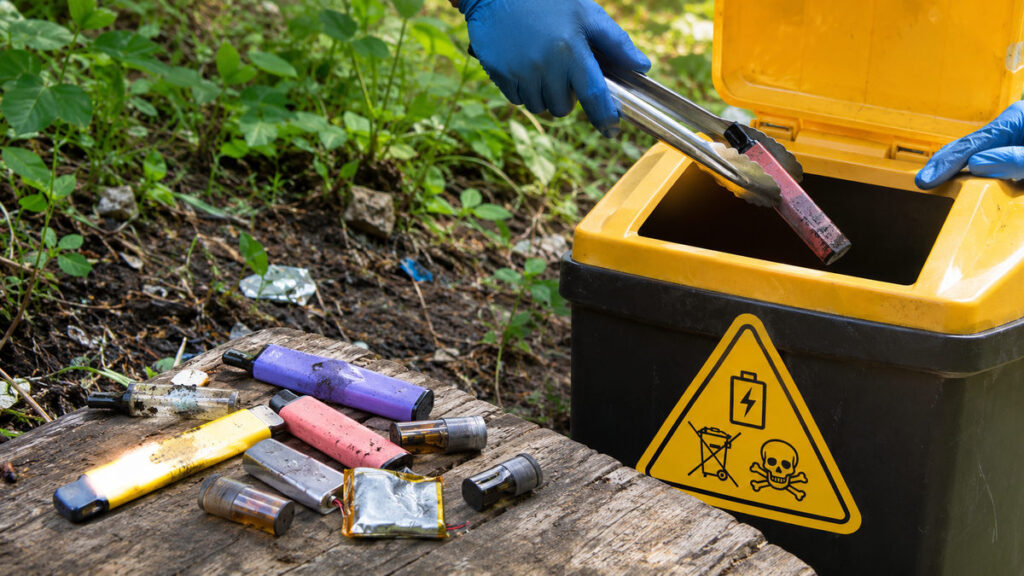
Lithium-ion batteries may overheat, catch fire, or explode, particularly when damaged or charged incorrectly. Reported injuries include burns to the face, hands, thighs, and mouth. Faulty parts and leaking liquids can also cause chemical exposure. Unregulated devices may have fewer dependable safety features.
4. Health Effects of Vaping: What Is Known and Uncertain?
Respiratory and cardiovascular findings
Common short-term complaints include coughing, a dry throat, wheezing, chest discomfort, and breathlessness. Research has also found temporary changes in airway resistance and lung function. People with asthma may experience irritation or worsening symptoms. How large or persistent these effects are varies from one study to another.
Laboratory and clinical studies have detected airway inflammation, oxidative stress, and altered immune responses after exposure. Severe lung injuries have occurred, although overseas outbreaks were often tied to illicit cannabis liquids and vitamin E acetate. Those cases do not represent every nicotine vape. They do show, however, how dangerous contaminated products can be.
Nicotine can temporarily increase heart rate and blood pressure. Vape aerosol may also affect blood-vessel function and arterial stiffness. What researchers still cannot do is quantify future heart attack or stroke rates caused solely by vaping. Previous smoking and dual use make many cardiovascular studies harder to interpret.
Other health concerns
Vaping may play a role in dry mouth, irritated gums, and changes to oral bacteria. Aerosols also expose teeth and other oral tissues to nicotine and flavouring chemicals. Evidence linking vaping with tooth loss, periodontal disease, or oral cancer over the long term is still limited. Regular dental care—and honest reporting of exposure—can help clinicians investigate symptoms.
Studies frequently find associations between vaping and anxiety, depression, or sleep problems. The relationship may work both ways. Distress can encourage nicotine use, while dependence and withdrawal may make distress worse. A cross-sectional survey cannot tell which came first.
Pregnancy calls for particular caution because nicotine crosses the placenta. It may affect fetal development, and vape aerosols contain other substances whose safety during pregnancy has not been established. Vaping should not be viewed as harmless during pregnancy. A clinician can discuss better-studied cessation options and support tailored to the individual.
What users may inhale
Vape liquids commonly include propylene glycol, vegetable glycerine, flavourings, and nicotine. When heated, they can produce carbonyl compounds such as formaldehyde, acetaldehyde, and acrolein. Aerosols may also carry ultrafine particles, volatile organic compounds, and metals released from device components. Emissions vary considerably with temperature, liquid composition, and puffing patterns.
Detecting a harmful chemical does not, by itself, reveal the level of clinical risk. Dose, frequency, duration, and biological uptake all count. Cell damage observed in a laboratory, for instance, shows that a hazard is plausible. It does not tell us how often people will develop a disease.
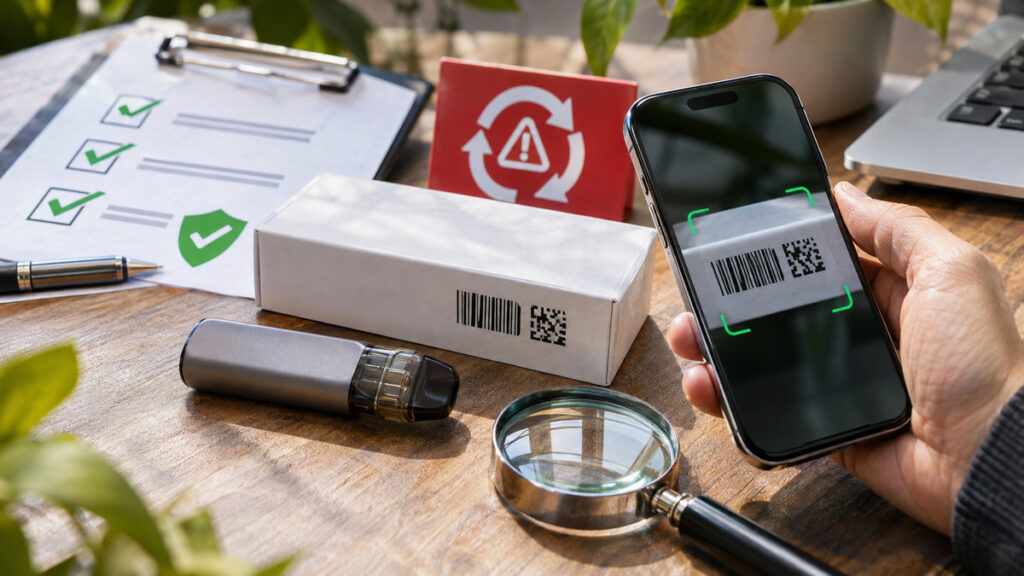
Australian testing has uncovered serious issues with illicit products. Labels may leave out nicotine, give an inaccurate concentration, or fail to identify ingredients properly. Researchers have also detected contaminants and wide chemical variation between products. In one large analysis of contraband disposables and pods, the packaging was a poor guide to what was actually inside.
Second-hand exposure and long-term uncertainty
People nearby can inhale nicotine, particles, and other aerosol components released into indoor air. This exposure is generally different from second-hand cigarette smoke because no tobacco is burning. Even so, the absence of smoke does not make indoor vaping harmless. Children, pregnant people, workers, and those with respiratory conditions warrant particular protection.
The practical precaution is straightforward: avoid vaping inside homes, cars, workplaces, and crowded enclosed areas. Do not vape near children or pregnant people. Ventilation can lower concentrations, but it cannot eliminate exposure entirely. Indoor restrictions may also make vaping seem less normal to young observers.
Why are long-term disease estimates still so uncertain? Widespread vaping is relatively recent, whereas cancers and cardiovascular diseases may take decades to appear. Devices and liquids also evolve quickly. On top of that, studies often define exposure differently and rely on people accurately reporting their own use.
Previous smoking presents another major complication. A former smoker who now vapes still carries risks from earlier tobacco exposure, while dual users are exposed to both products. Researchers therefore need longer follow-up periods, objective exposure measurements, and carefully matched comparison groups.
5. Vaping Versus Smoking and Evidence for Quitting
Comparing four different behaviours
A useful comparison needs to cover four behaviours: vaping, smoking, dual use, and using neither product. Using neither avoids nicotine dependence and unnecessary aerosol exposure. Combustible cigarettes expose smokers to tar, carbon monoxide, and thousands of combustion products. Of these options, smoking remains the most dangerous behaviour with an established risk profile.
Because vaping does not involve combustion, it can substantially reduce exposure to many toxicants found in cigarette smoke. It still delivers nicotine and other potentially harmful aerosol components. For an adult who would otherwise keep smoking, switching completely may reduce harm. It does not remove all risk.
Dual use needs special attention. Cutting down on cigarettes may reduce some exposure, but even low levels of smoking carry meaningful cardiovascular and cancer risks. Vaping between cigarettes can also sustain nicotine dependence. The greatest potential benefit comes from stopping smoking completely and staying smoke-free.
What quitting trials show
Randomized trials assign people to treatments, which makes them better suited to estimating effects on smoking cessation. Recent systematic reviews have found that nicotine e-cigarettes can help some adults remain smoke-free for at least six months. In some comparisons, quit rates were higher than with nicotine replacement therapy. These results, however, came from structured products, follow-up arrangements, and differing levels of behavioural support.
Australian observational studies offer valuable information about real-world use, but selection effects make them harder to interpret. People who choose vaping may have stronger nicotine dependence or a history of failed quit attempts. On the other hand, highly motivated users may seek more support. An observed quit rate alone cannot prove that vaping caused the result.
Even the word “success” needs a clear definition:
- Complete smoking abstinence means no combustible cigarette use.
- Reduced consumption means smoking fewer cigarettes without fully stopping.
- Continued vaping means cigarette abstinence without nicotine or vape abstinence.
- Nicotine abstinence means stopping cigarettes, vapes, and other nicotine products.
- Durable cessation means remaining smoke-free after extended follow-up.
Why outcomes differ
Device performance and nicotine concentration can determine how effectively a vape replaces cigarettes. Too little nicotine may leave cravings unresolved, while rapid nicotine delivery may extend dependence. Behavioural support can also help people prepare for triggers, handle withdrawal, and avoid relapse. With regulated products, both dosing and exposure are more predictable.
Motivation makes a difference too. An adult who uses a vape as part of a planned quit attempt is not in the same position as someone who casually vapes between cigarettes. Choosing a firm date to switch completely may help prevent long-term dual use. Later, a plan to reduce vaping can support those who want to stop using nicotine altogether.
There is real agreement within the harm-reduction debate. Most experts oppose youth vaping, favour accurate product standards, and recognize the extraordinary harms caused by smoking. The disagreement is about how prominent a role vaping should have in adult cessation care. Researchers also question whether individual quitting benefits outweigh youth uptake and continued nicotine dependence across the wider population.
Personal advice should take account of smoking history, earlier quit attempts, health conditions, and individual preferences. Approved nicotine medicines and other established treatments remain important choices. Adults considering therapeutic vaping should speak with a qualified professional about its potential benefits, uncertainties, and a plan for eventually stopping.
6. Australian Vaping Laws, Study Quality, and Trusted Advice
The current regulatory framework
Australia regulates vapes through a therapeutic supply model based in pharmacies. Tobacconists, convenience stores, vape shops, and other retailers cannot legally sell them. Federal prohibitions apply to the importation, manufacture, commercial possession, supply, and advertising of disposable single-use and non-therapeutic products. State and territory laws apply as well.
Adults aged 18 or older may obtain eligible therapeutic vapes with no more than 20 mg/mL of nicotine from participating pharmacies. A pharmacist consultation is required, subject to local law. Higher concentrations need a prescription. People under 18 also need a prescription wherever legal supply is permitted.
Legal therapeutic products must comply with relevant standards for ingredients, concentration, packaging, and labelling. Flavours are restricted to tobacco, mint, and menthol. Advertising and sponsorship restrictions are intended to limit promotion and youth appeal, while plain pharmaceutical-style packaging distinguishes therapeutic use from lifestyle marketing.
The rules address youth uptake, dependence, misleading labels, and uncontrolled differences between products. Yet the 2025 survey found that only about 7% of users obtained vapes from physical or online pharmacies. Half identified tobacconists as their source, despite the retail ban. Passing a law and achieving compliance are clearly separate research questions.
Legal therapeutic products and illicit-market vapes are not interchangeable. Therapeutic vapes are supplied under professional conditions and must meet defined standards. Illicit products may contain undeclared nicotine, banned ingredients, or concentrations that do not match the label. Even a compliant product, however, is not harmless simply because it is regulated.
A practical research checklist
Before taking a dramatic claim about vaping at face value, look at a few key features:
- Design: Was it a trial, cohort, survey, laboratory study, or case report?
- Sample: Was it large enough and representative of Australians?
- Comparison: Did researchers compare vaping with smoking, non-use, or dual use?
- Follow-up: Was observation long enough for the reported outcome?
- Measurement: Did researchers verify nicotine, smoking, and vaping exposure?
- Risk: Were absolute numbers reported alongside relative differences?
- Review: Did independent experts assess the work before publication?
- Interests: Who funded the research, and what conflicts were declared?
Reliable guidance and remaining questions
Reliable Australian sources include AIHW, NHMRC, the Therapeutic Goods Administration, and the federal health department. State health agencies and recognized clinical guidelines also offer practical guidance. Check the publication date, since laws, products, and survey estimates can change. An older source may describe its own period accurately while no longer reflecting current access rules.
Important questions remain about long-term cancer, respiratory, and cardiovascular outcomes. Better evidence is also needed on newer devices, disposables, illicit liquids, and prolonged dual use. Researchers must keep studying the durability of smoking cessation and the effects across the whole population. These answers will require years of careful follow-up, not confident predictions made too soon.
People trying to stop smoking or vaping deserve practical support without judgment. A general practitioner, pharmacist, or trained cessation professional can discuss medicines, counselling, and a quit plan suited to the individual. Established Australian quit-support services can help with cravings and setbacks as well. Support can still be worthwhile after several previous attempts.
Conclusion
Australian evidence shows that vaping can lead to nicotine dependence and expose both users and bystanders to potentially harmful substances. Used appropriately as part of a supported quit attempt, it may help some adults stop smoking. But vaping is not harmless, and using both products can preserve a substantial share of smoking-related risk. Long-term disease effects and population-wide outcomes remain uncertain.
Claims at either extreme—alarmist or reassuring—deserve careful scrutiny. Look at when a study was published, who took part, how it was conducted, what comparison group it used, and what the absolute findings were. Before making decisions about quitting, consult current Australian health guidance. A healthcare professional or recognized quit service can help identify a realistic, evidence-based way forward.