
Can an Australian adult simply walk into a pharmacy and buy a vape, or is a prescription still required? Understanding how pharmacy-only vape supply works in Australia involves more than checking someone’s age. Access depends on federal rules, local laws, the pharmacist’s professional judgment, and product standards.
Australia treats lawful vapes as therapeutic goods rather than everyday lifestyle products. Pharmacies can supply them only to help people quit smoking or manage nicotine dependence. Even eligible adults need to speak with a pharmacist before they can buy a suitable product.
This guide covers eligibility, prescriptions, consultations, product limits, costs, and legal access. Vaping laws can change, though, and individual states or territories may impose extra restrictions. Check the current requirements before seeking treatment.
1. How Pharmacy-Only Vape Supply Works in Australia
A healthcare pathway rather than ordinary retail
Australia does not allow the general retail sale of recreational vapes. Lawful supply is instead intended for people trying to stop smoking or manage nicotine dependence. Wanting a vape for casual or social use is not considered a therapeutic need.

The pharmacy-only model applies to both nicotine and nicotine-free vaping substances. It also covers devices, pods, cartridges, accessories, kits, and other related vaping goods. A product does not fall outside these controls simply because its label says “nicotine-free.”
These restrictions are designed to curb youth uptake and keep illegal products out of ordinary shops. They also bring product selection into a healthcare setting, where pharmacists can discuss dependence, safer alternatives, proper use, and a plan for ending treatment.
Who regulates and supplies therapeutic vapes?
The Therapeutic Goods Administration, or TGA, manages federal therapeutic goods requirements. Other federal health authorities oversee areas including importation, advertising, and national health policy. State and territory regulators, meanwhile, govern local pharmacy practice, medicines, public health, and age-related rules.
Medical practitioners and nurse practitioners can prescribe therapeutic vapes through the relevant access pathways. Pharmacy owners choose whether their businesses will stock these products, but the individual pharmacist still decides whether each supply is lawful and clinically appropriate.
The boundary for legal retail sales is straightforward. Tobacconists, convenience stores, specialist vape shops, market stalls, and other non-pharmacy retailers cannot legally sell vapes. That ban applies even if a product claims to contain no nicotine.
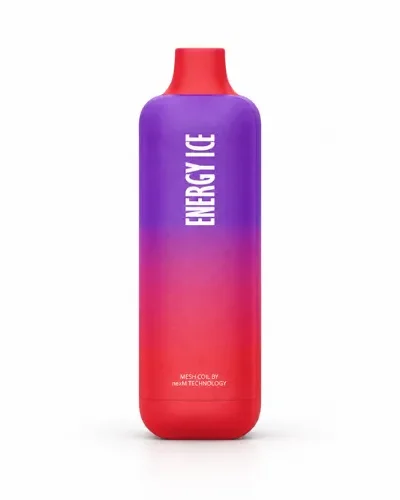
Participating pharmacies may supply compliant reusable therapeutic products and permitted components. They cannot, however, sell single-use disposable vapes to consumers. Those disposable products remain prohibited even when supplied through a pharmacy.
Consider an adult smoker asking for a reusable device with a compliant cartridge. A pharmacist could assess the request and discuss other treatment options. A convenience store, by contrast, could not legally sell that customer a colourful disposable vape.
2. Prescription-Free Access, Prescriptions and Age Rules
Access for adults without a prescription
Adults aged 18 or older may obtain certain Schedule 3 therapeutic vapes without a prescription. The nicotine concentration cannot exceed 20 mg/mL, and the relevant state or territory law must allow this type of supply.

This prescription-free pathway is not an unrestricted retail sale. The pharmacist must speak with the patient and decide whether the treatment is clinically appropriate. Simply being over 18 does not guarantee the right to buy a vape.
The pharmacist also needs to confirm that the person intends to quit smoking or manage nicotine dependence. Someone seeking a vape for parties, for example, would not meet that requirement. Instead, the pharmacist might discuss dependence risks and available support.
When a prescription becomes necessary
Products containing more than 20 mg/mL of nicotine are classified as Schedule 4. The patient therefore needs a valid prescription from an Australian medical practitioner or nurse practitioner. Products containing more than 50 mg/mL are not allowed through these pathways.
Patients under 18 also need a prescription where local law permits supply. The prescriber must decide that vaping is clinically appropriate for that specific patient. Some jurisdictions ban supply to minors entirely or set additional conditions.
Even with a prescription, these vapes remain unapproved therapeutic goods. Supply must take place through an applicable Special Access Scheme pathway or an Authorised Prescriber pathway. In other words, a prescription may not satisfy every federal access requirement on its own.
Federal pathways may permit prescribed access for patients aged 16 or 17, but state and territory restrictions can still limit or prevent it. Patients under 16 must use the more restrictive Special Access Scheme Category B or Authorised Prescriber pathway.
Caregivers should check local law before arranging treatment for anyone under 18. Both the prescribing and dispensing requirements need to be confirmed. Clinical support from a prescriber cannot override a ban imposed by the relevant jurisdiction.
How other nicotine treatments differ
Therapeutic vapes are different from registered nicotine replacement therapies. These include patches, gum, lozenges, inhalators, mouth sprays, and certain other approved products. Many can be bought from pharmacies without a prescription, and selected retailers may carry some options.
Registered products have been formally evaluated before inclusion in the Australian Register of Therapeutic Goods. Notified therapeutic vapes, by comparison, remain unapproved goods. Clinicians will usually discuss established first-line options before they consider vaping.
3. What Happens During a Pharmacy Vape Consultation?
Identity checks and clinical questions
The pharmacist begins by asking for suitable proof of identity and age. They should also explain how the pharmacy manages personal information and any required supply records. This is more than a routine age check at the counter; the supply carries healthcare obligations.

The pharmacist will then ask about the patient’s smoking and vaping history. Questions may cover daily cigarette use, nicotine strength, withdrawal symptoms, and time spent without smoking. Previous attempts to quit and treatments already tried will usually come up as well.
The assessment may also cover current medicines, allergies, health conditions, pregnancy, or breastfeeding. Respiratory symptoms, cardiovascular concerns, and mental health needs can be relevant too. Above all, the pharmacist needs to understand the patient’s treatment goal.
The pharmacist must be satisfied that the product will help with smoking cessation or nicotine-dependence management. One smoker, for example, may plan to stop cigarettes within two weeks. Another patient may need a structured approach to reduce vaping before quitting completely.
Advice, consent, and product selection
The discussion should cover registered first-line treatments as well as behavioural support. The pharmacist may talk through patches, gum, lozenges, counselling, and prescription cessation medicines. Therapeutic vaping should not be presented as the only option.
If vaping is considered suitable, the pharmacist will discuss nicotine strength, dose, frequency, and how long treatment should continue. They may also explain common adverse effects and possible medicine interactions. Safety advice should cover charging, storage, child protection, leakage, poisoning, and correct device use.
The patient must give informed consent. As part of that process, the pharmacist needs to explain that notified therapeutic vapes are not included in the Australian Register of Therapeutic Goods. The TGA has not formally assessed their safety, quality, efficacy, or device performance.
When supplying a Schedule 3 product, the pharmacist must complete the relevant Special Access Scheme Category C notification. This generally applies to every instance of supply and must be submitted to the TGA within the required period. The pharmacy must also retain records required by medicines law and professional practice.
Quantity limits and reasons for refusal
A pharmacist can supply only the amount reasonably required for one month of therapeutic use. The patient may receive that quantity just once in a one-month period. This encourages follow-up and helps prevent stockpiling.
Follow-up may uncover side effects, poor technique, continued smoking, or an unsuitable nicotine dose. Ongoing cravings, for example, could point to inadequate treatment or inconsistent use. Nausea, dizziness, or headaches may indicate too much nicotine.
A pharmacist may refuse supply if the treatment does not appear clinically appropriate. Other reasons include insufficient identification, unmet legal requirements, suspicious purchasing behaviour, or unsuitable stock. If the requested item is unavailable, the pharmacist cannot simply replace it with an unlisted product.
Pharmacies are not required to stock therapeutic vapes, and individual pharmacists are not obliged to prescribe, dispense, or supply them. As a result, a patient may have to contact several pharmacies to find one that offers the service.
4. Which Therapeutic Vapes Can Pharmacies Supply?
The notified vape list
Through the relevant legal pathway, pharmacies may supply only products included on the TGA’s current notified vape list. That list can cover substances, devices, kits, packs, and accessories. A prescription does not make an unlisted product legal to supply.
Notification is not the same as approval or registration as a medicine. The product sponsor has declared that the good meets the applicable minimum standards. The TGA, however, has not carried out a complete assessment of its safety, quality, efficacy, or performance.
Therapeutic vapes supplied through these pathways are still unapproved goods. Calling them “TGA-approved” is inaccurate. A better description is a notified therapeutic vaping good.
Product and flavour standards
The relevant standards cover permitted ingredients and nicotine concentrations, along with containers, child-resistant features, packaging, health warnings, labels, and batch information. Device rules also deal with electrical, mechanical, battery, and operational safety.
Flavour choices for lawful therapeutic vaping substances are tightly controlled. Only mint, menthol, or tobacco is permitted. Fruit blends, desserts, confectionery flavours, and similar youth-oriented options are not allowed.
These requirements apply across the full therapeutic product system. That can include reusable devices, refill substances, pods, cartridges, substance accessories, kits, and packaged combinations. Nicotine-free vaping products are covered too.
So shops cannot legally sell nicotine-free vapes as ordinary consumer goods. A “zero nicotine” label does not make the sale lawful, nor does it prove that the contents match what the package claims.
Health and product risks
Nicotine can lead to dependence and poisoning. Vaping may also cause coughing, throat irritation, nausea, headaches, dizziness, and other adverse effects. Concentrated vaping liquid poses a serious risk to children and pets if swallowed or touched.
The long-term health effects are still uncertain. Vapour may expose users to respiratory irritants and other harmful substances. Using cigarettes and vapes together can also maintain health risks rather than achieving a complete move away from smoking.
Illegal or non-compliant products bring extra risks. They may contain undisclosed nicotine, banned ingredients, contaminants, or inaccurate concentrations. Poor-quality batteries, chargers, containers, and cartridges can leak, fail, or cause injuries as well.
Patients should report suspected adverse events or product defects to their pharmacist. They may also contact the product sponsor and notify the TGA. Early reporting helps regulators spot patterns linked to particular devices or batches.
5. Finding a Pharmacy, Ordering Online and Understanding Costs
Finding a participating pharmacy
Australia does not have a universal public directory guaranteeing up-to-date vape stock. Consumers may need to phone local pharmacies or larger pharmacy groups themselves. Participation and stock levels can change without warning.
Before making the trip, ask whether the pharmacy supplies therapeutic vapes, which notified products are in stock, and whether an appointment is necessary. Anyone with a Schedule 4 prescription should also check that the pharmacy can dispense the specific prescribed product.
A practical access pathway involves several steps:
- Decide whether the goal involves quitting smoking or managing nicotine dependence.
- Check current federal and state or territory requirements.
- Contact a participating pharmacy and confirm stock.
- Bring identification and any required prescription or access documentation.
- Complete the pharmacist’s clinical consultation.
- Follow the supplied dosing, safety, and storage instructions.
- Arrange follow-up to review progress and side effects.
Pharmacies do not have to stock therapeutic vapes, and those that participate may carry only a limited range. A listed product can therefore be lawful but still unavailable at a particular pharmacy.
Online orders and delivery
In some circumstances, a pharmacy website may offer ordering or delivery. The transaction must still meet all requirements for lawful pharmacy supply, pharmacist assessment, age verification, and local rules. Buying online does not remove professional oversight.
Delivery from a lawful pharmacy is not the same as ordering vapes directly from an overseas website. Nor is it the same as buying from a social media seller or online vape shop. Asking a buyer for identification does not make those non-pharmacy sales legal.
Vape advertising and promotion are heavily restricted. Consumers should not expect lifestyle campaigns, influencer promotions, colourful displays, or routine retail discounting. Aggressive “limited-time” marketing may be a warning sign that the seller is operating unlawfully.
Prices and treatment costs
Therapeutic vapes do not have a standard national retail price. Costs differ by pharmacy, brand, format, and nicotine strength. Patients may also need to pay consultation, dispensing, device, accessory, or delivery fees.
Unapproved therapeutic vapes generally do not receive a Pharmaceutical Benefits Scheme subsidy. Eligible medical consultations may, however, receive support under relevant Medicare arrangements. Ask about fees before making a booking or placing an order.
Look at the full cost of treatment, not just the price of a cartridge. That may include consultations, a reusable device, replacement parts, and follow-up care. It is also worth comparing these costs with registered nicotine replacement therapies and other cessation medicines.
6. Importation, Enforcement and Safer Quitting Support
Importation and commercial controls
The former personal importation pathway for therapeutic vapes is no longer available. Individuals generally cannot order vaping goods from overseas websites or have them sent through international mail. A prescription does not remove this restriction.
A separate traveller exemption allows limited quantities in specific situations. The goods must be for the treatment of the traveller or someone in their care who is travelling with them. Before entering Australia, travellers should check the current quantity limits, documentation rules, and controlled-substance requirements.
Commercial importation operates under a separate framework. Importers may require permits, licences, notifications, and proof that products comply with the rules. Domestic manufacturers, wholesalers, sponsors, distributors, and pharmacies also have their own supply-chain responsibilities.
These controls cover both nicotine and nicotine-free goods. They extend to devices, substances, components, accessories, and some forms of commercial possession. Relabelling a product or splitting up a kit does not necessarily place it outside the regulations.
Enforcement and reporting illegal sellers
Border officials can seize and destroy suspected unlawful imports. Unauthorised importation, advertising, commercial possession, manufacturing, or supply may also lead to substantial civil or criminal penalties. The exact consequences depend on the conduct and the law that applies.
A product is not necessarily legal just because someone is openly selling it. It may still be unlawful when displayed in a shop window or advertised on social media. Claims such as “nicotine-free,” “herbal,” or “for adults only” do not create an exemption.
Consumers can report suspected illegal sales to the TGA. Depending on the circumstances, they may also contact their state or territory health regulator, police, or another designated local enforcement agency. Helpful information includes the seller, location, product, date, and any supporting photographs.
Building a safer quitting plan
Therapeutic vaping is one option to assess, not the automatic first choice. Registered medicines and behavioural support have a clearer regulatory status. Patients should talk through the complete range of suitable treatments.
Common support options include:
- Behavioural counselling from a trained health professional.
- Quitline coaching and structured follow-up support.
- Nicotine patches for steady nicotine delivery.
- Nicotine gum, lozenges, inhalators, or mouth sprays.
- Prescription cessation medicines when clinically appropriate.
A good treatment plan sets measurable goals and review dates. A patient might choose a date to stop smoking, for example, and keep track of daily nicotine use. The plan should also account for triggers, withdrawal symptoms, and situations where relapse is more likely.
Follow-up should address dual smoking and vaping as well. Continuing both indefinitely may reduce the intended health benefit. The aim should be to stop smoking completely and, in time, stop vaping too.
Patients should keep an eye on changes in breathing, nicotine symptoms, mood, sleep, and device performance. Significant adverse effects need to be reported promptly. Current requirements are available from the TGA, the Australian Government Department of Health, Disability and Ageing, and local health departments.
Conclusion
Australia’s pharmacy-only system treats vapes as therapeutic goods used for smoking cessation or nicotine-dependence management. Where local law permits, eligible adults may access products containing up to 20 mg/mL without a prescription. Pharmacist assessment, informed consent, product restrictions, and monthly supply limits still apply.
Higher-strength products need a prescription, while younger patients are subject to extra safeguards and local restrictions. Pharmacies can supply only suitable products on the current notified vape list. These products remain unapproved and must not be described as TGA-approved.
Before seeking supply, check the latest TGA and state or territory requirements. Then speak with a participating pharmacy or healthcare professional. Together, you can consider the safest evidence-based option for quitting smoking or managing nicotine dependence.