
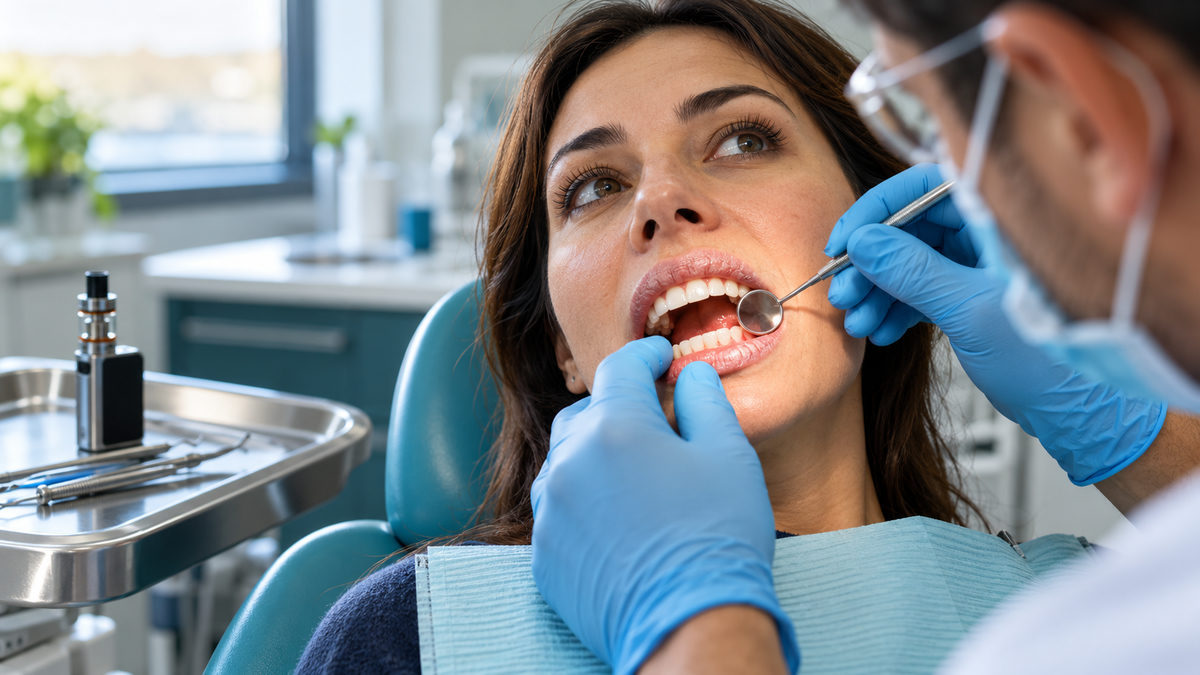
Vape aerosol vanishes quickly, but its ingredients can linger on your teeth and gums and in your saliva and oral bacteria. Vaping and Oral Health: What You Should Know starts with a crucial fact: vape clouds are not harmless water vapor. Repeated exposure may affect cavities, gum health, breath, tissue comfort, and recovery after dental treatment.
Many of these effects develop quietly, long before pain begins. Reduced saliva, for example, can encourage plaque buildup, while nicotine may mask obvious gum bleeding. This evidence-based guide covers the current concerns, warning signs to watch for, and practical ways to protect your mouth.
1. Vaping and Oral Health: What You Should Know First
What vaping exposes the mouth to
E-cigarettes use a battery-powered heating element to turn liquid into an aerosol that users inhale. That liquid often contains propylene glycol, vegetable glycerin, flavorings, and nicotine. Heating it can also create compounds that were not present before use.

The aerosol may contain ultrafine particles, volatile compounds, carbonyl chemicals, and metals released from device components. Researchers have detected nickel, tin, chromium, and lead in some products. The exact mixture can vary widely from one device or liquid to another.
Power settings, coil condition, temperature, liquid composition, and flavor all affect exposure. Nicotine strength and puff frequency also determine how much aerosol reaches the mouth. Someone taking 200 puffs a day has a very different exposure from an occasional user.
How aerosol interacts with oral tissues
Every puff first passes over the lips, tongue, cheeks, teeth, saliva, gums, and throat. The aerosol also touches fillings, crowns, braces, implants, and recently treated areas. Throughout the day, these surfaces may face repeated heat, chemical exposure, and residue.
Heat and chemical irritants can contribute to dryness, inflammation, cellular stress, or burning sensations. Nicotine, meanwhile, may affect circulation and the way tissues normally respond. These changes can matter even more when disease or a healing wound is already present.
Nicotine-free products avoid some nicotine-related effects, but that does not make vaping harmless. They can still contain solvents, flavoring chemicals, particles, acids, contaminants, and compounds created by heat. Some products labeled nicotine-free have even contained measurable nicotine.
What the evidence can and cannot prove
Research has raised concerns about saliva, oral bacteria, gums, tooth decay, irritation, and healing. Still, scientists cannot assign one precise level of risk to every user. Devices change quickly, and exposure patterns differ considerably from person to person.
Many studies depend on self-reported use or involve people who previously smoked cigarettes. Some participants also smoke and vape at the same time, which makes the separate effects harder to measure. Long-term clinical research remains limited because modern products have not been available for several decades.
That is why researchers use cautious language when discussing associations and possible biological pathways. A lack of long-term evidence does not prove safety. It simply means stronger studies covering many years of use are still needed.
2. Effects of Vaping on Teeth, Saliva, and Oral Bacteria
Dry mouth, bad breath, and reduced protection
Propylene glycol attracts and retains water, which may leave the mouth feeling dry. Nicotine, frequent inhalation, mouth breathing, and changes in saliva flow can make that dryness worse. Some users notice sticky saliva, cracked lips, thirst, or discomfort while eating.

Saliva is always working. It washes food particles away from teeth and soft tissues, neutralizes damaging acids, and helps keep microbial growth under control. Its calcium, phosphate, and other minerals also help enamel recover after minor acid attacks.
When that protection declines, plaque stays in place longer and acids can damage teeth more easily. Persistent dryness may then contribute to bad breath, cavities, soreness, and oral infections. Severe dryness can also make speaking, swallowing, or wearing dentures uncomfortable.
Water may relieve temporary thirst, but it will not necessarily solve an underlying saliva problem. Ongoing dryness deserves a dental or medical assessment. Medications, dehydration, diabetes, autoimmune conditions, and other factors can cause similar symptoms.
Vaping, cavities, and enamel
Vaping does not automatically cause a cavity. It can, however, create conditions that favor decay through dryness, plaque buildup, repeated exposure, and certain flavorings. The risk rises further when a person regularly consumes sugary drinks or snacks.
Some sweet or acidic liquids may change plaque behavior or the environment around enamel. Frequent vaping also gives the mouth fewer uninterrupted periods to recover. Demineralization can progress when repeated acid attacks remove minerals faster than saliva can replace them.
Early enamel changes may show up as sensitivity to cold, sweetness, or brushing. Acidic exposure may also contribute to surface softening or erosion. A dentist can tell the difference between erosion, decay, gum recession, cracked teeth, and other causes of sensitivity.
Plaque readily collects around fillings, crown margins, retainers, braces, and implant restorations. Careful cleaning around these sheltered areas matters. Decay beside a restoration may remain hidden until the tooth becomes sensitive or the restoration starts to loosen.
Vaping usually causes less obvious discoloration than combustible cigarette smoke. Even so, nicotine exposure, residue, heavier plaque, and inadequate cleaning can alter tooth color. Using vapes and cigarettes together may produce much stronger yellow or brown staining.
Changes to the oral microbiome
The mouth is home to a complex community of bacteria, fungi, and other microorganisms. When conditions are balanced, many of them live there without causing disease. Dryness and chemical exposure, however, may shift that community in a less favorable direction.
Emerging studies suggest that vape aerosol can alter bacterial populations and the way biofilms behave. Researchers have also observed changes associated with plaque buildup, inflammation, and susceptibility to infection. Laboratory findings indicate that certain ingredients may affect bacterial attachment or growth as well.
That does not mean every person will have the same outcome. Diet, hygiene, saliva, product choice, smoking history, and health conditions all influence the microbiome. Researchers still need long-term studies that connect these bacterial changes with confirmed clinical disease.
3. How Vaping Affects Gums and Periodontal Health
Nicotine’s effects on gum tissue
Nicotine can narrow blood vessels and reduce blood flow through gum tissue. It may also alter the immune responses that help control harmful bacteria. Together, these effects can interfere with normal tissue maintenance and repair.
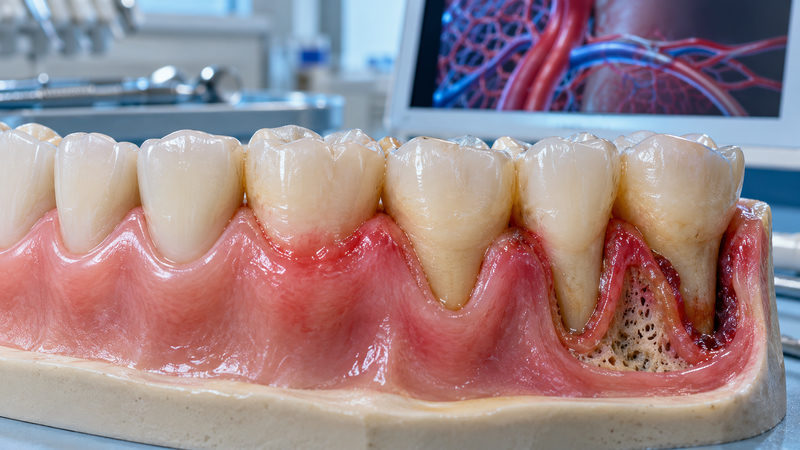
Inflamed gums often bleed because their small blood vessels become fragile. Yet nicotine-related vessel constriction can sometimes reduce visible bleeding even when inflammation is present. No blood on the toothbrush does not always mean the gums are healthy.
Nicotine exposure may also weaken the mouth’s normal defenses against bacterial challenges. Damaged tissue can then take longer to repair after cleaning, surgery, or injury. The degree of harm varies with exposure, general health, and the severity of any existing disease.
Irritation, bleeding, recession, and gum disease
People who vape may experience plaque buildup, tenderness, swelling, bleeding, or irritated gums. Some studies have also found associations with deeper periodontal pockets, recession, attachment changes, or bone loss. The evidence is mixed, though, so these findings need careful interpretation.
Bleeding gums have many possible causes, including plaque, vigorous brushing, hormonal changes, and medication. Nicotine may also hide some bleeding by changing local blood flow. One symptom alone reveals far less than a dental examination.
Gingivitis affects the gums without destroying the bone that supports the teeth. Untreated periodontal disease goes further, damaging the ligaments and bone around them. In advanced cases, it can cause recession, pain while chewing, shifting or loose teeth, and eventually tooth loss.
Does vaping cause gum disease? Current evidence cannot show that vaping alone causes every case. It may, however, contribute to biological and behavioral factors that raise the risk. Hygiene, genetics, diabetes, cigarette exposure, diet, and access to dental care also shape individual outcomes.
Consider someone who vapes frequently, seldom cleans between their teeth, and has poorly controlled diabetes. Those risks can reinforce each other and speed up inflammation. A user with excellent care may show fewer changes, but lower risk is not the same as zero risk.
Signs a dentist may notice
A dentist might see dry tissues, thick plaque, inflammation, recession, staining, or slower healing. An examination may also uncover unusual patches, ulcers, deeper pockets, or changes in bone levels. Periodontal measurements can track problems that are impossible to spot in a mirror.
No single sign proves that a person vapes. Many oral conditions look and feel alike. Being honest about your habits helps the dental team assess overlapping risks and recommend care that fits your needs.
Tell your dentist which product you use, its nicotine strength, and how often you typically vape each day. Mention cigarette use and any recent changes in your habits too. This information is especially important before extractions, implants, grafts, or periodontal treatment.
4. Mouth Sores, Injuries, and Healing After Dental Surgery
Irritation and device-related problems
Vaping may be accompanied by mouth sores, burning, throat irritation, or dry and tender tissues. Flavoring ingredients can also trigger irritation or contact reactions in people who are susceptible. Dryness may lead to cracking and discomfort or encourage opportunistic infections such as oral thrush.
Problems with the device introduce another kind of danger. An overheated mouthpiece can burn oral tissue, while a damaged device may leak irritating liquid. Battery failures or explosions can cause facial burns, cuts, broken teeth, and injuries to the jaw.
Repeated friction from a mouthpiece may irritate one spot on the lip or cheek. Sharing devices can also transfer saliva and microorganisms from one user to another. Clean the mouthpiece according to the manufacturer’s instructions, and never use a device that is damaged or overheating.
Have an ulcer, red patch, white patch, swelling, or unexplained pain evaluated if it persists. Arrange care sooner if the lesion gets worse or repeatedly returns. Irritation, infection, and serious disease can look similar, so lasting changes need professional assessment.
Vaping after tooth extraction or surgery
A stable blood clot protects an extraction socket during the first stage of healing. Suction from vaping may disrupt that clot. Heat, chemicals, and nicotine can add further irritation while the exposed tissue is still vulnerable.
Nicotine may slow wound healing by affecting circulation, inflammation, and tissue repair. Possible consequences include dry socket, infection, delayed closure, and discomfort that lasts longer. Even nicotine-free aerosol can irritate a fresh surgical wound.
The same concerns apply after implant placement, bone grafting, periodontal therapy, and other oral surgery. Reduced blood flow and repeated irritation may interfere with soft-tissue repair. They may also compromise bone healing and successful implant integration.
Do not depend on a single waiting period found online. Follow the instructions given by your dentist or oral surgeon instead. The appropriate pause depends on the procedure, the condition of the wound, your health history, and your nicotine exposure.
If avoiding nicotine before or after surgery feels difficult, contact the office providing your treatment. Ask which approved support options are suitable for your medical history. Some nicotine products may still affect healing, making professional guidance essential.
When symptoms require urgent care
Some symptoms call for prompt dental or medical attention. If swelling or pain increases rapidly, do not wait for a routine appointment. Seek urgent help for:
- Uncontrolled or heavy bleeding
- Rapidly increasing facial or mouth swelling
- Fever, pus, or a foul discharge
- Severe or escalating pain
- Trouble breathing or swallowing
- Major facial trauma or broken teeth
- Suspected battery-related burns or explosions
Breathing trouble, severe swelling, extensive burns, or major trauma can become life-threatening. Contact emergency services or go to an emergency department immediately. Bring the device only if doing so creates no fire or battery hazard.
5. Is Vaping Safer for Your Mouth Than Smoking?
Comparing relative risk without calling vaping safe
Combustible cigarettes expose the mouth to smoke, tar, carbon monoxide, heat, and numerous toxic products of combustion. These exposures are strongly linked to staining, periodontal damage, poor healing, and oral cancer. Smoking also restricts circulation and weakens normal immune defenses.
Completely switching from cigarettes to vaping may reduce exposure to some combustion-related toxicants. That reduction does not make vaping safe. Vape aerosol can still carry nicotine, irritants, particles, metals, and heat directly across oral tissues.
Replacing cigarettes completely is not the same as using both products. Dual users continue to receive many cigarette-related exposures while also adding vape aerosol. Even smoking fewer cigarettes can leave meaningful health risks in place.
A person who has never smoked gains no oral-health benefit from beginning to vape. A smoker considering a change should discuss proven cessation options with a qualified professional. The plan should avoid prolonged dual use and reduce the chance of returning to cigarettes.
Nicotine-free and flavored products
Removing nicotine avoids some effects related to dependence, blood-vessel constriction, and tissue repair. Nicotine-free products still expose the mouth to aerosol solvents, heat, flavorings, particles, acids, and possible contaminants. “Nicotine-free” is not the same as “risk-free.”
Sweet, acidic, cooling, or strongly flavored liquids may influence both comfort and behavior. Cooling agents, for example, can make frequent inhalation feel smoother even though exposure continues. Some flavoring chemicals may also irritate cells or affect oral bacteria.
Product labels do not necessarily list every compound formed during heating. Coil wear and high power settings can change the chemical output too. Flavor, smell, and cloud size are not reliable ways to judge exposure.
Putting evolving evidence in context
Vaping and smoking should not be treated as though they have identical effects on the mouth. At the same time, the available evidence does not support one universal percentage for their relative oral risk. Products, users, outcomes, and study methods vary too much.
Long-term outcomes are still uncertain because devices and liquids keep evolving. Many study participants also smoked in the past or continue to smoke occasionally. That history makes comparisons with people who have never used tobacco more difficult.
The current evidence points to a measured conclusion: vaping is not harmless, and cigarette smoking adds substantial exposure to combustion products. Stopping both offers the lowest level of exposure for oral health. With professional support, that goal may be easier to reach.
6. Warning Signs, Dental Protection, and Quitting Support
Early signs of vaping-related oral problems
The first change may be mild dryness or bad breath that returns soon after brushing. Yet even minor symptoms can signal decay, gum disease, infection, or another health condition. Watch for:
- Persistent dry mouth or bad breath
- Increasing plaque or tooth discoloration
- New sensitivity to cold, heat, or sweetness
- Recurring ulcers, burning, or sore patches
- Swollen, tender, bleeding, or receding gums
- Pain when biting or chewing
- Loose or shifting teeth
- Wounds that heal slowly
None of these symptoms is unique to vaping. Medications, diabetes, dehydration, decay, periodontal disease, and infections can cause similar problems. If symptoms persist, return, or worsen, book a dental appointment instead of waiting for severe pain.
Practical ways to reduce dental risk
Good daily care cannot eliminate every risk from vaping, but it does strengthen the mouth’s basic defenses. Brush twice a day with fluoride toothpaste and clean between every tooth once daily. Gently cleaning your tongue can also reduce trapped debris and odor-producing bacteria.
Drink plain water regularly, particularly when your mouth feels dry. Limit sugary or acidic drinks, snacks, and vape liquids as well. Try to avoid constant vaping, since repeated exposure leaves oral tissues and saliva with fewer chances to recover.
For some patients, a dentist may suggest saliva substitutes, moisturizing gels, fluoride rinses, or prescription-strength fluoride. The right product depends on your symptoms and cavity risk. Mouthwash with a high alcohol content can make dryness worse for some people.
Never put aspirin directly on a painful tooth or gum. It can burn and damage oral tissue without addressing the source of the pain. Take medication only as directed, and arrange an examination when dental pain has no clear explanation.
Regular dental and periodontal examinations can catch changes before they become painful. Professional cleaning also removes hardened deposits that a toothbrush cannot lift. Your dental team can tailor the frequency of visits to your plaque levels, dryness, gum measurements, and history of disease.
Let the team know what you vape, whether it contains nicotine, and how often you use it. Share information about cigarette use, medications, health conditions, and upcoming surgery too. Accurate details lead to safer treatment and more realistic prevention advice.
Reducing or quitting vaping
Stopping exposure may improve breath, moisture, irritation, circulation, plaque control, and healing. How much recovery occurs depends on the condition and the extent of existing damage. Cavities, advanced recession, and lost supporting bone will still need professional treatment.
Evidence-based help may include counseling, a quitline, behavioral coaching, and locally approved medication programs. Speak with a physician, dentist, pharmacist, or qualified cessation professional. They can match treatment to your level of nicotine dependence and medical history.
Choose a clear quit date or create a structured reduction plan, then identify the situations that trigger vaping. You might replace vaping while driving or during work breaks with water, sugar-free gum, or a short walk. When the time comes in your plan, remove spare devices and liquids.
People who moved from cigarettes to vaping need a plan that prevents a return to smoking. Do not use cigarettes as the answer to vape cravings. If withdrawal becomes hard to manage or relapse seems likely, contact a healthcare professional promptly.
Medical disclaimer
This information is for general education and cannot diagnose an oral or medical condition. It is not a substitute for guidance from a dentist, physician, or oral surgeon familiar with your history. Seek individualized care for symptoms, treatment decisions, surgical planning, or cessation medication.
Conclusion
Vaping exposes the mouth to far more than water vapor. Nicotine, solvents, flavorings, heat, particles, and other aerosol components may affect saliva, bacteria, enamel, gums, and healing. Both nicotine-containing and nicotine-free products can raise oral-health concerns.
Vaping may avoid some of the toxic combustion exposures associated with cigarettes. That difference does not make it harmless, especially with frequent use or during recovery from surgery. Completely stopping both smoking and vaping gives your mouth the lowest exposure.
Tell your dentist about your vaping habits, and arrange an examination if symptoms persist. Ask a healthcare professional or evidence-based cessation service for support with reducing or quitting. A thoughtful plan can protect your oral health without steering you back toward cigarettes.