Can you legally carry a vape, buy one without a prescription, or use one anywhere smoking is allowed? The answers are not always straightforward. Vaping Laws in Victoria: What You Need to Know covers how Victorian and Commonwealth rules overlap across access, supply, possession, imports, advertising, and vape-free places.
Older advice often overlooks recent federal reforms and Victoria’s tougher rule for people under 18. Nor does a nicotine-free label put a product beyond the national framework. Consumers, parents, retailers, and travellers should check the latest guidance before buying, carrying, or using vaping goods.
This guide breaks down the practical rules and points you to official sources for further checking. It also outlines support for anyone looking to quit smoking or vaping. Last reviewed: 29 October 2026.
1. Vaping Laws in Victoria: What You Need to Know
Vaping is not completely illegal in Victoria, but access and use are tightly controlled. Adults can obtain eligible therapeutic vapes through participating pharmacies. Ordinary retailers, however, cannot legally sell vaping goods.

Different activities can carry very different legal consequences. Personal possession, for example, does not automatically prove unlawful supply or commercial possession. But possessing a vape never gives someone the right to sell, advertise, or import it—or to use it in a prohibited place.
Two legal systems apply
Victorian law covers areas such as age restrictions, pharmacy practice, and vape-free public spaces. Commonwealth law governs lawful vaping products, imports, manufacturing, advertising, commercial possession, and the national supply chain. A single transaction may fall under both systems.
Commonwealth rules, for instance, may allow a pharmacist to supply a therapeutic vape under certain conditions. Victoria still prohibits the supply of any vaping product to someone under 18, even if that young person has a prescription.
Federal reforms also cover both nicotine and non-nicotine vaping goods. A package labelled “zero nicotine” does not make a convenience-store sale lawful. The framework can apply to devices, liquids, pods, cartridges, and related vaping accessories.
Quick-reference guide
| Person or activity | Practical rule |
|---|---|
| Adults aged 18 or over | May obtain eligible therapeutic vapes from a participating pharmacy when clinically appropriate. |
| People under 18 | Cannot legally receive vaping products in Victoria, including from a pharmacist with a prescription. |
| Pharmacies | May supply compliant therapeutic products under strict conditions, but do not have to stock them. |
| General retailers | Cannot legally sell or supply vapes, whether they contain nicotine or not. |
| Travellers entering Australia | May use a limited accompanied-baggage exemption when all treatment and quantity conditions are met. |
| Personal possession | Genuine possession for personal use is not generally criminalised, but other offences may still apply. |
So the safest question is not simply, “Are vapes legal?” Ask who supplied the product, why it was supplied, and where it will be used. Those details determine whether the conduct falls within a lawful pathway.
2. Legal Age, Prescriptions and Buying Vapes in Victoria
In Victoria, no one may supply vaping products to a person under 18. This includes pharmacists, even when a doctor or nurse practitioner has issued a prescription. Parents and friends should not buy vapes for minors or pass them on.

Victoria’s rule is stricter than the general national position, which allows differences between states and territories. Advice written for another Australian jurisdiction may therefore be wrong here. The restriction applies whether or not the product contains nicotine.
When adults can buy without a prescription
An adult aged 18 or over can obtain an eligible therapeutic vape without a prescription from a participating pharmacy. Its nicotine concentration must be no higher than 20 milligrams per millilitre, and the pharmacist must decide that supply is clinically appropriate for smoking cessation or nicotine-dependence management.
This is not a standard over-the-counter purchase. The pharmacist must personally assess the customer and use professional judgment. Simply asking for a particular product does not mean it will be supplied.
Take an adult who smokes daily and asks about a low-strength therapeutic vape. The pharmacist may first discuss patches, gum, mouth spray, or other ways to quit. If the assessment supports it, however, the pharmacist may supply an eligible vape.
When a prescription is still required
Adults need a prescription for therapeutic vaping products containing more than 20 milligrams per millilitre of nicotine. A medical or nurse practitioner must determine whether the higher concentration is suitable for the patient. The pharmacy must also follow all relevant medicine and product rules.
A prescriber may also need to be involved when someone has complex medical needs, such as pregnancy, significant heart disease, medicine interactions, or difficult nicotine dependence. In these cases, a pharmacist may refer the customer to a doctor rather than supply a product directly.
Having a prescription does not guarantee access to every product. The vape must still meet the lawful therapeutic framework and pharmacy supply requirements. Unapproved therapeutic goods can also bring extra professional responsibilities for prescribers and pharmacists.
What happens during the pharmacy consultation
The pharmacist must ask for and sight evidence of the customer’s identity and age. They also need to assess the person’s therapeutic needs and offer suitable advice. Expect a health consultation, not a quick retail transaction.
The discussion may cover current smoking or vaping, nicotine use, previous attempts to quit, medical conditions, and other medicines. The pharmacist should explain dosage, treatment length, how to use the product, and possible interactions. Alternative cessation treatments and available support services should also be discussed.
Even when supplied lawfully, therapeutic vapes are generally unapproved goods. The pharmacist must support informed consent by explaining the relevant uncertainties, benefits, and risks. Pharmacy access does not make a product risk-free.
A pharmacist can supply only the amount reasonably required for one month of therapeutic use, and that quantity may be supplied just once during the month. These limits keep pharmacy access from turning into an unrestricted consumer sales channel.
Not every pharmacy supplies vapes
Pharmacies are not required to stock or supply therapeutic vaping goods. Some prefer other cessation treatments, while others may not have suitable products or trained staff available. A quick call before travelling can save time.
Even if products are in stock, the pharmacist can decline supply after assessing the customer. Clinical suitability comes before personal preference. For current Victorian pharmacy requirements, check the Victorian Department of Health guidance for pharmacists.
3. Retail Sales, Disposable Vapes, Imports and Advertising
Convenience stores, tobacconists, service stations, specialist vape shops, and other general retailers cannot legally sell vapes. This ban is not confined to products containing nicotine. Claiming that a product is nicotine-free does not let a retailer sidestep the rules.

The national framework broadly covers vaping devices, vaping substances, and many accessories. That can include reusable devices, liquids, pods, cartridges, capsules, and components intended for vaping. Creative labelling or selling components separately does not provide a reliable loophole.
Selling a device separately from a flavoured pod, for example, does not necessarily make the transaction lawful. Nor does keeping stock out of sight until a customer asks for it. Lawful consumer access generally takes place through participating pharmacies and approved therapeutic pathways.
Disposable and reusable products
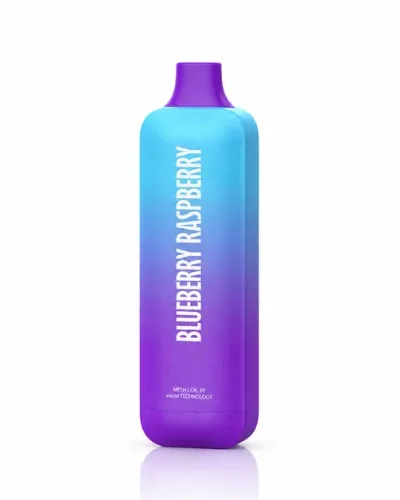
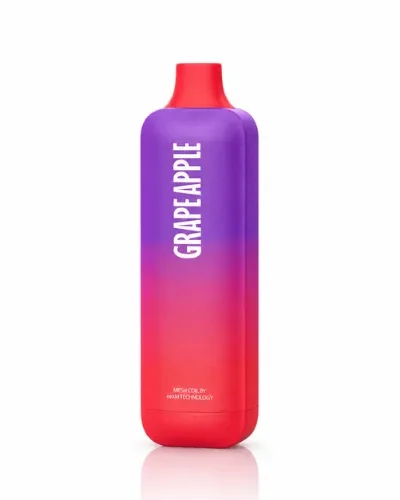
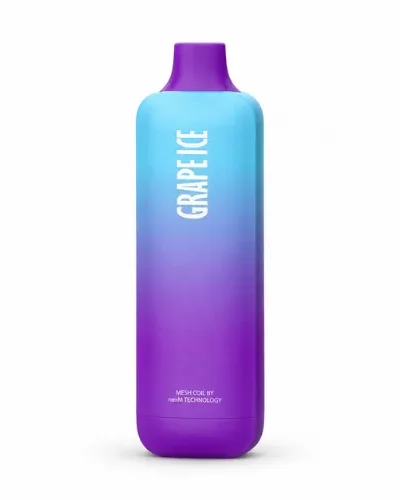
Australia prohibits the importation, manufacture, and general supply of disposable single-use vapes. Non-therapeutic vapes also fall outside the lawful consumer supply model. The controls target products made for recreational retail markets rather than therapeutic treatment.
A reusable design is not automatically legal, though. The product must still satisfy the relevant therapeutic, notification, importation, packaging, ingredient, and supply requirements. Only authorised participants may handle it within the lawful pharmaceutical supply chain.
Compliant therapeutic reusable products are not the same as brightly packaged disposable vapes sold by unlawful retailers. They are subject to rules covering flavours, presentation, ingredients, and product standards. Spotting a reusable vape in a general shop does not make the sale lawful.
Personal overseas orders are prohibited
Consumers cannot order vaping products from overseas websites through the Personal Importation Scheme, even if they have a prescription. The prohibition covers vaping devices, liquids, kits, accessories, and disposable products.
Australian Border Force officers may stop suspected unlawful imports at the border. The buyer could then lose both the products and the money paid for them. Serious or repeated conduct may also lead to enforcement action against those involved.
Some older online guidance still refers to prescription-based personal imports. It is out of date. Current TGA guidance for individuals and patients confirms that personal importation is prohibited.
Business, packaging, and advertising controls
Federal law restricts unlawful importation, manufacture, supply, wholesale distribution, and commercial possession of vaping goods. Retail premises are also subject to specific possession controls. A business needs a valid legal pathway; believing its stock is harmless is not enough.
Packaging and labelling must comply with therapeutic product requirements. Flavours and ingredients are controlled too, and pharmacy products cannot be marketed like ordinary lifestyle goods. These rules separate therapeutic supply from recreational promotion.
Public advertising of vaping goods is generally prohibited unless a narrow authorisation applies. The restrictions may cover online promotions, social media posts, signs, sponsorships, and other promotional messages. Indirect advertising or influencer-style promotion should not be assumed lawful.
4. Where Vaping Is Prohibited in Victoria
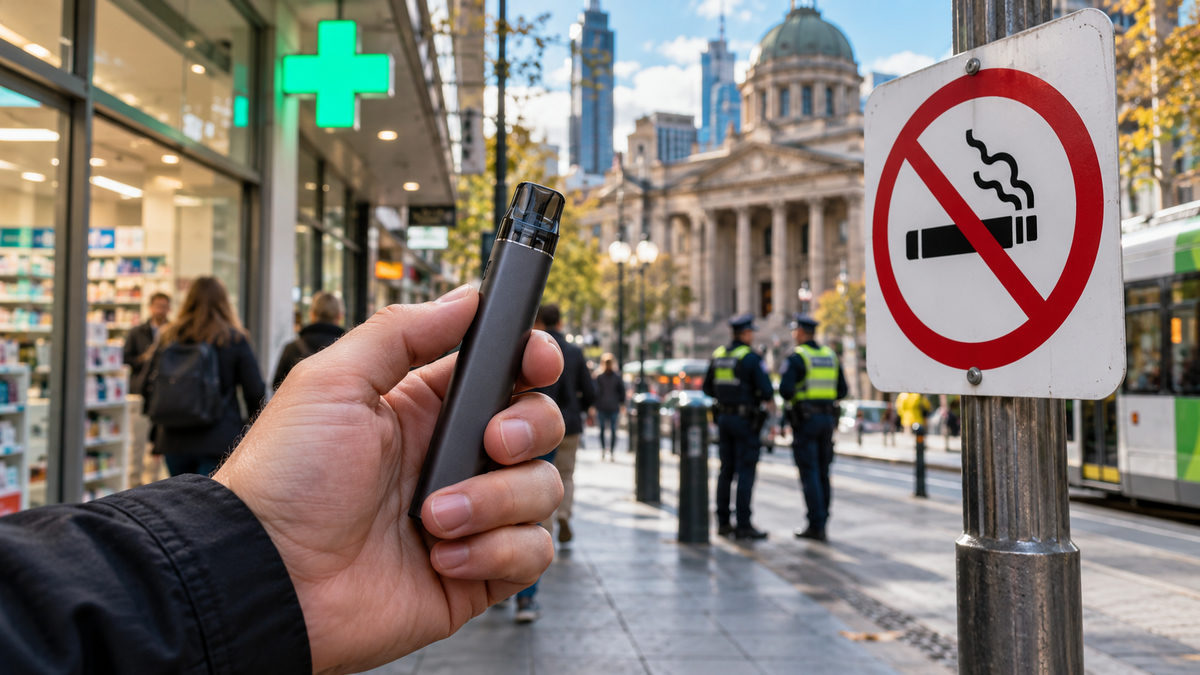
Victoria generally extends its smoke-free restrictions to vaping. In practice, a place where smoking is banned will usually ban e-cigarette use too. The aim is to limit aerosol exposure and maintain smoke-free and vape-free environments.
You cannot vape in enclosed workplaces, including enclosed restaurants, bars, and hospitality venues. All outdoor dining areas are also covered. The prohibition extends to certain outdoor drinking areas near dining spaces.
Still, being outdoors and beyond a statutory ban does not automatically mean vaping is allowed. Employers, landlords, event organisers, and property managers can set stricter rules. Workers should check workplace policies before vaping anywhere on the premises.
Public transport and waiting areas
Vaping is banned on trains, trams, and buses throughout Victoria. It is also prohibited at train stations, raised-platform tram stops, bus shelters, and tram shelters. Transport operators may set additional conditions elsewhere on their property.
Stepping off a train and onto the station platform, for example, does not put you in a lawful vaping area. Moving into a shelter may also break the rules. Passengers should wait until they are fully outside the regulated transport area.
Places used by children and families
Vaping is prohibited on the grounds of childcare centres, kindergartens, preschools, primary schools, and secondary schools. The ban reaches four metres beyond entrances to these premises. All under-age music and dance events are vape-free as well.
Several outdoor recreational areas have restrictions at the site and within ten metres of it. These include playground equipment, skate parks, and sporting venues during under-age sporting events. Standing just outside a playground fence may still leave someone within the prohibited zone.
Every outdoor area in a public swimming pool complex is smoke-free and vape-free. Protected areas also apply on patrolled beaches between lifesaving flags. The ban extends within a 50-metre radius of each flag.
Health and government locations
Vaping is prohibited within four metres of entrances to public hospitals and registered community health centres. The same four-metre limit applies at entrances to certain Victorian Government buildings. Children’s indoor play centres have equivalent entrance protection.
Hospitals and health services can introduce wider campus restrictions. Follow signs and staff directions, even when you are beyond the statutory entrance zone. Private property rules may go further than the Tobacco Act.
Vehicles carrying someone under 18
No one may smoke or vape in a motor vehicle while a person under 18 is present. It makes no difference whether the vehicle is moving or parked. Opening a window does not make it legal.
The rule protects children and teenagers in a confined space, regardless of their relationship to the driver or passenger. For the current official list, see the Victorian smoke-free and vape-free areas guide.
5. Possession, Enforcement and Vaping Fines in Victoria
Australia’s federal vaping laws do not generally criminalise genuine personal possession of vaping goods. Commercial-possession offences are aimed at unlawful retailers, dealers, and black-market supply chains. Even so, quantity, location, packaging, and evidence of sales can shape how authorities interpret possession.
Personal possession does not make prohibited use lawful. Nor does it allow someone to sell, give away, import, or advertise vaping goods unlawfully. Carrying one vape is legally different from keeping stock for retail distribution.
Consider an adult carrying a vape for personal use. That person is not treated in the same way as a shop storing cartons behind the counter, but could still be fined for vaping at a station. They cannot legally sell the product to a friend either.
Who enforces the rules?
Enforcement is shared between several agencies. The TGA deals with federal product, advertising, supply, commercial-possession, manufacturing, and import issues. Australian Border Force officers, meanwhile, control goods entering Australia.
Victoria Police, Victorian authorities, and authorised local council officers may take action where their respective powers apply. Public Transport Victoria manages compliance across regulated public transport locations. When unlawful retail supply crosses legal boundaries, several agencies may work together.
Penalties and seizures
The consequences depend on what happened and which law applies. They can range from warnings and infringement notices to product seizure, civil penalty proceedings, or criminal prosecution. Serious federal offences may also result in imprisonment.
Maximum federal penalties for major unlawful commercial conduct can reach thousands of penalty units for each contravention. Victorian offences have separate penalty-unit amounts and offence limits. Quoting a fixed dollar figure can quickly become misleading as governments index penalty-unit values.
Before estimating a fine, check the current Victorian penalty-unit value. A maximum court penalty may also be far higher than an on-the-spot infringement amount. The circumstances, type of offender, and number of contraventions all make a difference.
Reporting suspected breaches
Suspected unlawful importation, manufacture, advertising, supply, or commercial possession can be reported to the TGA. Concerns about sales to minors may also be reported to the relevant local council. Councils handle complaints about vaping in many prohibited public areas too.
Vaping on public transport should be reported through Public Transport Victoria’s feedback and complaints process. For urgent matters, follow the appropriate police emergency or non-emergency reporting guidance. The Victorian Department of Health also provides a reporting and complaints guide to help people choose the right authority.
6. Travellers, Quitting Support and Official Updates
A limited traveller exemption permits certain vaping goods to enter Australia in accompanied baggage. The products must be for the treatment of the traveller or someone in their care, and that person must be travelling on the same ship or aircraft.
The current quantity limits are straightforward:
- Two vapes.
- Twenty cartridges, capsules, or pods.
- Two hundred millilitres of vaping liquid.
These limits are not a general shopping exemption. The goods still need to satisfy the treatment and accompanied-baggage conditions. Separate controls may also apply to cannabis products, controlled drugs, or other regulated substances.
Before leaving, travellers should review the Australian Border Force goods guide and current TGA rules. Requirements can change, and airlines may have their own battery-safety conditions. Above all, declare the goods whenever border instructions say a declaration is required.
Support for quitting smoking or vaping
Therapeutic vapes are not risk-free. They are best considered as part of a structured plan to stop smoking or manage nicotine dependence. A pharmacist or doctor can help weigh the benefits and risks, choose a dosage, and compare alternative treatments.
Registered nicotine-replacement therapies remain available outside the special vaping framework. These include patches, gum, lozenges, mouth sprays, inhalers, and chews. With professional guidance, some people may benefit from pairing a long-acting patch with a faster-acting product.
Professional support can build confidence and make triggers or withdrawal easier to manage. Quitline provides free, confidential help for people quitting smoking or vaping. You can also call 13 7848 to speak with a trained counsellor.
For the latest legal information, check directly with the Victorian Department of Health, TGA, and Australian Border Force. Retailers and health professionals should obtain tailored legal or professional advice where needed. Last reviewed: 29 October 2026.
Conclusion
Vaping is not entirely illegal in Victoria, but the lawful consumer pathway is narrow. Eligible adults generally obtain therapeutic products through participating pharmacies. Ordinary retailers cannot sell vapes, and consumers cannot order them personally from overseas.
Victoria applies its smoke-free rules broadly to vaping, covering many workplaces, transport areas, family spaces, and vehicles carrying minors. Personal possession is also distinct from unlawful importation, advertising, commercial possession, use, or supply. Permission for one activity does not authorise another.
Before buying, carrying, or using a vape, review the latest guidance from the Victorian Department of Health, TGA, and Australian Border Force. If you want help quitting smoking or vaping, speak with a pharmacist, doctor, or Quitline. Current official advice is the safest place to start for both health and legal decisions.