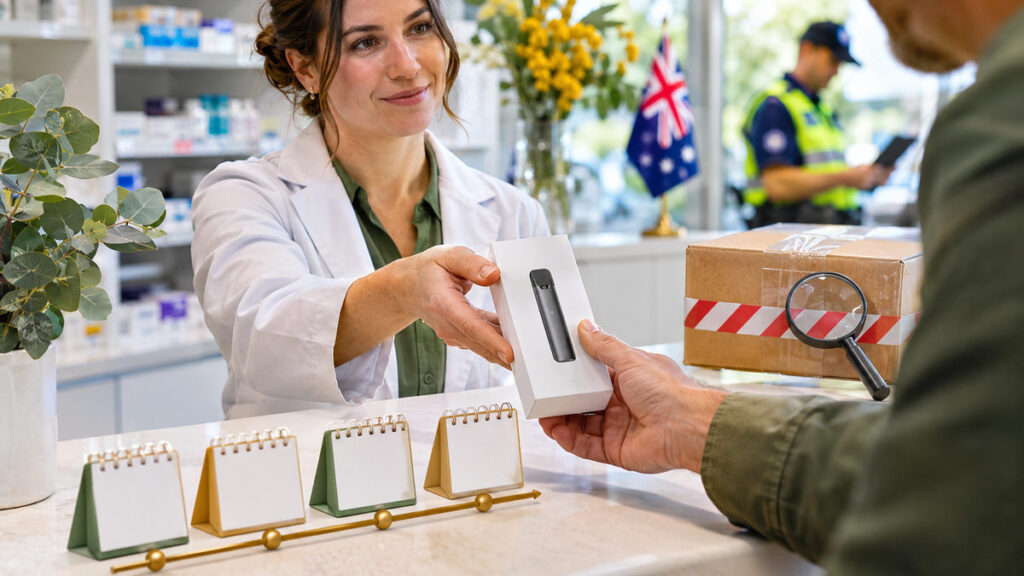
Australia has not banned every vape, but buying one legally is now a very different process. So, why did Australia change its vape laws? The government acted in response to rising youth use, illegal sales, and enforcement problems. In place of widespread retail access, Australia introduced one of the world’s strictest therapeutic vaping systems.
Conflicting headlines about bans, prescriptions, pharmacies, imports, and state rules have left many people confused. Residents, travellers, families, and retailers may struggle to work out where they stand legally. This guide breaks down the reforms, the lawful ways to access vapes, and what the changes mean for consumers and businesses.
1. Why Did Australia Change Its Vape Laws?
Youth use and nicotine dependence increased
The short answer comes down to youth protection, health risks, failed enforcement, and a growing illegal market. Australian authorities watched vaping rise quickly among teenagers and young adults. Current use among people aged 14 to 17 reached 9.7% during 2022–2023. For adults aged 18 to 24, it was about 21%.
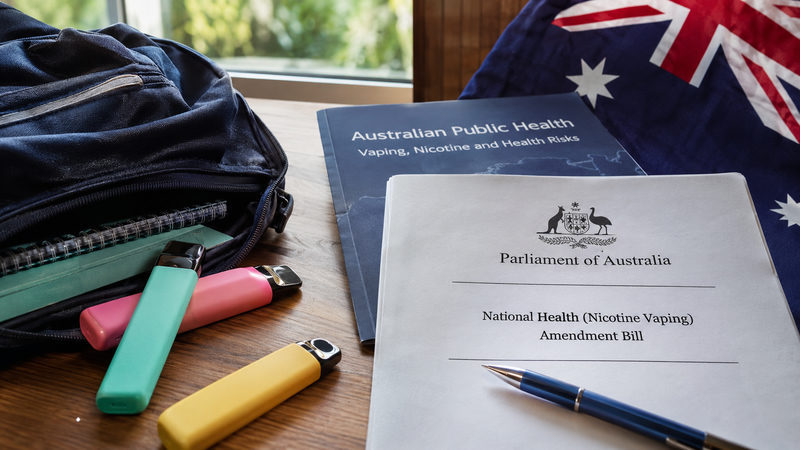
Many of these young users had never smoked cigarettes regularly. Authorities worried that appealing vaping products could leave a new generation dependent on nicotine. The reforms support the wider goals of Australia’s National Tobacco Strategy, including reducing nicotine dependence and protecting earlier gains in tobacco control.
The previous system was widely bypassed
Before the reforms, people generally needed a prescription for nicotine vaping products. In practice, unlawful products were still easy to find in vape shops, tobacconists, convenience stores, on social media, and through overseas websites. That gap made the prescription model hard to enforce. It also allowed recreational sales to operate alongside the medical pathway.
Some sellers also described their products as nicotine-free, even though testing allegedly detected nicotine in certain products. Labels did not always give reliable information about ingredients or nicotine concentrations. Regulators could not simply take packaging claims at face value during retail inspections. Sellers were also able to switch products and suppliers faster than authorities could investigate them.
Health uncertainty strengthened the case for reform
Nicotine can cause dependence, and vaping aerosols may expose users to harmful chemicals. Devices and liquids can also poison children who swallow or touch concentrated substances. Users have reported respiratory symptoms and other adverse effects as well. Because these products are still relatively new, researchers cannot yet describe every consequence of using them for decades.
Adolescent brains continue developing into early adulthood. During this time, nicotine exposure can affect attention, learning, mood, and impulse control. Dependence may form quickly when a compact device delivers repeated doses throughout the day. Quitting can then become difficult, even for teenagers who started vaping casually.
The government eventually concluded that small adjustments would not repair the existing system. It chose pharmacy-controlled therapeutic access, backed by tighter restrictions on imports, retail sales, products, and advertising. The aim is to support smoking cessation without keeping a broad recreational market in place.
2. Why Youth Vaping Became a Central Public-Health Concern
Products became easy to try and conceal
Picture a disposable vape that looks like a highlighter and costs little more than lunch. It might taste like fruit, confectionery, or a sweet drink. Bright packaging and compact designs can make it appear harmless, while colourful social media demonstrations and lifestyle imagery reinforce that impression.

Low prices and easy retail access made experimentation simpler. Small devices also slipped neatly into pockets, pencil cases, and school bags. They left less lingering odour than cigarettes and needed no lighter. That made vaping much harder for parents and teachers to spot.
Official survey data raised another concern. Among 14-to-17-year-olds who had ever vaped, 55% said their last device contained nicotine during 2022–2023. Yet many users did not know what was actually in their device. Around 31% of current users in that age group also said they had tried unsuccessfully to stop or cut down.
Prevention differs from comparing vaping with smoking
The reforms do not depend on authorities claiming that vaping and smoking cause the same level of harm. Burning tobacco exposes smokers to many toxic substances. Still, being less harmful than smoking does not make recreational vaping harmless. Nor does it remove concerns about nicotine dependence among people who have never smoked.
Policymakers therefore treated two questions separately. How can teenagers and non-smokers be discouraged from starting? And how should adult smokers or nicotine-dependent patients obtain controlled therapeutic access? Australia’s answer combines retail restrictions with a pharmacy-based treatment pathway.
The government was also concerned that highly visible vaping could make everyday nicotine use seem normal again. Decades of tobacco controls had reduced both the social visibility of smoking and its appeal to young people. The reforms therefore restrict attractive flavours, colourful packaging, advertising, product displays, and general retail access. These were the same features that had made vaping so visible and easy to obtain.
At the same time, the policy recognises that therapeutic vaping may help some adults. A pharmacist or prescriber can consider a person’s smoking history, earlier quit attempts, and medical circumstances. This is why Australia chose controlled access instead of banning every therapeutic product.
3. Australia’s Vape-Law Reform Timeline
From prescriptions to staged import controls
Under Australia’s earlier framework, nicotine vaping products were treated as prescription medicines. Adults could obtain a prescription and use an approved import or pharmacy pathway. Yet non-prescription sales remained widespread. Many consumers simply bought products from ordinary retailers, without a clinical assessment or dependable quality controls.
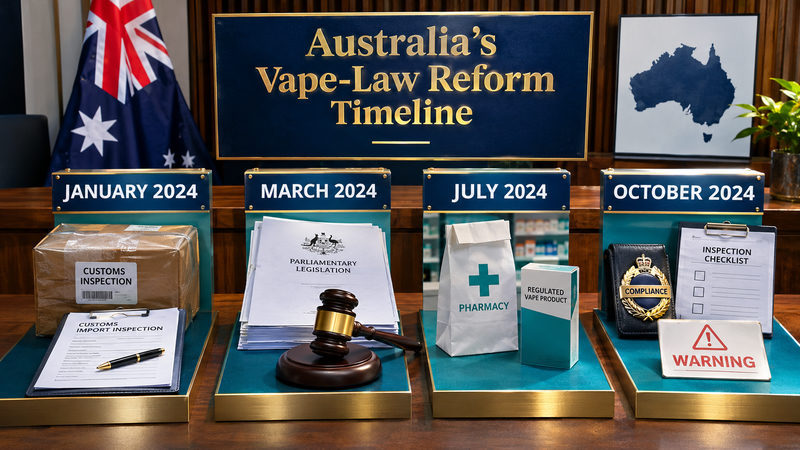
The government rolled out the replacement system in stages. From 1 January 2024, new import restrictions applied to disposable vapes. Importers needed the correct customs permission and had to meet therapeutic requirements. These rules covered disposable products whether or not they claimed to contain nicotine.
From 1 March 2024, wider controls took effect for other vaping devices, accessories, and substances. The former personal-importation pathway for vaping goods also closed. Australian consumers could no longer order vapes directly from overseas retailers, and having a prescription did not reopen that route.
Domestic controls began in July
The Therapeutic Goods and Other Legislation Amendment (Vaping Reforms) Act 2024 commenced on 1 July 2024. It banned the domestic manufacture, commercial possession, supply, and advertising of disposable and non-therapeutic vapes. Limited exemptions remained for authorised therapeutic, export, government, research, and enforcement activities.
Ordinary retailers also lost any lawful basis for selling vaping goods, whether or not those products contained nicotine. Vape shops, tobacconists, convenience stores, and general online sellers could not keep selling devices labelled nicotine-free. Lawful patient supply moved entirely into the pharmacy system.
Pharmacist-only access began in October
From 1 October 2024, eligible adults had another way to obtain therapeutic vapes. People aged 18 or older could ask participating pharmacies for products containing no more than 20 mg/mL nicotine. Federal law did not require a prescription if the pharmacist considered supply clinically appropriate. State or territory law, however, could add further requirements.
At the same time, permitted therapeutic flavours were limited to unflavoured, mint, menthol, and tobacco. Tighter rules for packaging, labels, ingredients, device design, and nicotine concentrations followed in stages. Suppliers also had to notify eligible products to the Therapeutic Goods Administration before supplying them lawfully.
This timeline shows why calling the reform a total ban is misleading. Australia banned general commercial vape sales and most direct imports, but kept a regulated therapeutic pathway for smoking cessation and nicotine-dependence management. The Therapeutic Goods Administration’s reform guidance sets out each stage of commencement.
4. What Is Banned and What Remains Legal?
Non-therapeutic products and ordinary retail sales
A non-therapeutic vape falls outside the lawful therapeutic framework. It might lack an authorised medical purpose, compliant specifications, proper notification, or an approved supply pathway. Its commercial importation, manufacture, possession, supply, and advertising will therefore generally breach federal law. Limited statutory exemptions may cover specialised activities, but not ordinary consumer sales.
A seller cannot put disposable vapes back on convenience-store shelves simply by changing the label. Ordinary retailers may not lawfully sell any vaping goods, including zero-nicotine devices. This applies equally to tobacconists, vape shops, pop-up stores, and general online retailers. Calling a product nicotine-free does not create an exemption.
Commercial possession is not the same as holding a small amount for personal use. The federal reforms mainly target supply chains, sellers, manufacturers, advertisers, and importers. State or territory laws may still regulate personal possession or use separately. Consumers should check their local rules rather than assume possession is always lawful.
The lawful therapeutic category
Therapeutic vapes are meant to help people stop smoking or manage nicotine dependence. Patients must obtain them through an authorised pharmacy pathway. The products must also meet the relevant therapeutic standards and notification requirements. Being stocked by a pharmacy does not turn them into ordinary consumer goods.
Key federal product and supply controls include:
- Only unflavoured, mint, menthol, and tobacco options may qualify.
- Pharmacist-only supply may cover products containing 20 mg/mL nicotine or less.
- Products above 20 mg/mL generally require a prescription.
- Therapeutic products cannot contain more than 50 mg/mL nicotine.
- Packaging and labelling must follow plain, pharmaceutical-style requirements.
- Devices must meet applicable design, ingredient, manufacturing, and technical standards.
- Suppliers must notify eligible goods to the Therapeutic Goods Administration.
Notified products are generally unapproved therapeutic goods, rather than fully registered medicines. Notification does not mean the TGA has individually assessed every product for safety and effectiveness. Instead, sponsors certify that their products meet the relevant standards and legal conditions. Regulators can investigate, test, recall, or remove products that do not comply.
Advertising is broadly restricted
Federal law prohibits most public advertising of vaping goods. The restrictions cover social media posts, paid promotions, sponsorships, retail displays, influencer arrangements, and standard digital marketing. Businesses cannot sidestep the rules with coded language or lifestyle-based promotions. Communications allowed for health professionals are also tightly controlled.
This means a therapeutic product may be lawful to supply but still illegal to advertise publicly. Pharmacies must follow professional and medicines-related rules when speaking with patients as well. Australia has effectively separated clinical access from consumer promotion, reducing public visibility while keeping a limited treatment pathway open.
5. How Adults, Minors, Travellers, and Importers Are Affected
Adults and pharmacy consultations
An adult aged 18 or older may ask for an eligible therapeutic vape containing no more than 20 mg/mL nicotine. The pharmacy must choose to offer this service, though. A pharmacist must consult the patient and decide whether vaping is clinically appropriate, and state or territory law must allow the supply.
During the consultation, the pharmacist may ask about smoking history, nicotine dependence, earlier quit attempts, and other treatment options. They must also confirm the patient’s age and follow quantity limits. Counselling should explain correct use, side effects, safe storage, and follow-up. That level of care is one reason general retailers cannot offer the same service.
Pharmacies are not required to stock or supply therapeutic vapes. Doctors and nurse practitioners are likewise not obliged to prescribe them. In practice, a patient may have to contact several providers before finding one that participates. This remains a practical weakness in the access model.
Prescriptions, minors, and local rules
Nicotine strengths above 20 mg/mL generally require a prescription. Under federal arrangements, people under 18 need one as well. Some states or territories may require prescriptions in additional situations, since local law can set stricter conditions than the federal pathway.
Certain jurisdictions may prohibit some supplies to minors even if they have prescriptions. Others apply their own medicines, pharmacy, possession, or age requirements. Families should contact their health department and speak with a qualified practitioner. A general online summary cannot replace current advice for a specific jurisdiction.
Overseas orders and the traveller exemption
Australians generally cannot order vaping goods directly from overseas websites, even with a prescription. Australian Border Force officers may seize and destroy suspected unlawful imports. Buyers may also lose their money and never receive the goods.
A limited traveller exemption does, however, cover goods carried in accompanied baggage for the traveller’s treatment. Someone arriving by ship or aircraft may generally bring no more than:
- Two vaping devices.
- Twenty accessories, including pods, cartridges, or capsules.
- Two hundred millilitres of vaping substance in liquid form.
The goods must meet customs conditions and be kept for the traveller’s personal treatment. The exemption does not allow resale, distribution, or delivery by mail. Travellers should also check airline battery rules and the laws of departure or transit countries. A product permitted under Australia’s exemption may still be prohibited elsewhere.
Commercial importers face different requirements
A business cannot use a traveller’s allowance to bring in stock. Commercial imports require the appropriate customs permissions and compliance with therapeutic-goods laws. Importers must also deal with product notification, standards, records, storage, and lawful supply. Disposable or non-therapeutic products cannot legally flow into ordinary retail distribution.
Before buying or travelling, check the latest TGA guidance for patients and travellers. Review Australian Border Force requirements and the health guidance for your state or territory too. Rules can change, and the border controls of another country may be very different.
6. Enforcement, Penalties, Smoking Cessation, and Early Results
Several authorities share enforcement responsibility
The TGA oversees federal therapeutic-goods requirements, product standards, supply rules, and advertising controls. Australian Border Force deals with prohibited imports and interceptions at the border. Federal agencies, police, and state or territory regulators handle domestic distribution and related offences. Through joint operations, these bodies can share intelligence and coordinate inspections.
Enforcement tools include:
- Border interception and destruction of unlawful imports.
- Retail inspections and compliance testing.
- Search warrants, investigations, and information sharing.
- Infringement notices and administrative action.
- Product seizure, recalls, and supply disruption.
- Civil proceedings and criminal prosecution.
Penalties vary according to the conduct, quantity, knowledge, and legislation involved. Offences may include unlawful importation, manufacture, commercial possession, advertising, supply, and sale. Serious or repeated breaches can lead to substantial financial penalties or criminal consequences. Customs, medicines, proceeds-of-crime, and state offences may also apply.
Retailers cannot rely on nicotine-free labels as legal cover. Vape shops, tobacconists, convenience stores, and unauthorised websites may not sell vaping goods through ordinary retail channels. Federal law covers these products regardless of their claimed nicotine content, and testing may show that a label is wrong.
Federal and local rules operate together
Federal law governs importation, therapeutic products, commercial supply, and advertising. States and territories handle other matters, including smoke-free areas, pharmacy practice, medicine schedules, enforcement powers, age controls, possession, and public use. A product’s status under federal law does not settle every local legal question.
The intended balance is straightforward: prevent youth and recreational access while keeping controlled treatment available to smokers and nicotine-dependent patients. Even so, therapeutic vapes are not usually considered first-line quitting products. A clinician may consider them after established options have failed or appear unsuitable.
Other cessation supports include:
- Behavioural counselling and a structured quit plan.
- Telephone or digital quitline support.
- Nicotine patches, gum, lozenges, sprays, or inhalators.
- Approved prescription medicines discussed with a healthcare professional.
- Follow-up support for cravings, withdrawal, and relapse prevention.
Arguments, criticisms, and early evidence
Supporters argue that the reforms protect young people and reduce impulse purchases. National standards may also improve consistency across ingredients, packaging, and devices. Pharmacy consultations can connect dependent users with wider cessation support, while stronger laws give regulators clearer powers to act against illegal importers and retailers.
Critics point to several problems with implementation. Pharmacy participation is uneven, and consultations combined with limited product choices may make access harder. Illegal sellers also continue to meet demand in some communities. Debate remains over whether the model does enough to support tobacco harm reduction for adults who smoke.
Current data contains some encouraging signs, although it does not establish long-term success. The 2025 national household survey estimated that 6.4% of 14-to-17-year-olds currently vaped. This was down from 9.7% during 2022–2023, though the newer youth estimate needs to be treated with statistical caution. Use among 18-to-24-year-olds also dropped, from about 21% to 14%.
There is another side to the figures. Vaping became more frequent among some of the young people who continued using it. During 2025, around 39% of users aged 14 to 24 reported daily use. Lower prevalence can therefore exist alongside greater dependence within a smaller group. Policymakers need to track both how many people vape and how often they do it.
Border seizures point to strong enforcement, but also to an ongoing illegal supply. Australian Border Force reported seizing more than 13.2 million illicit vaping products during the 2025–2026 financial year. That was a 112% increase from the previous financial year. Higher seizure numbers, however, may indicate stronger enforcement, greater trafficking volumes, or a combination of both.
Seizure totals by themselves cannot prove that the policy has succeeded or failed. A meaningful assessment needs several indicators:
- Youth and adult vaping prevalence.
- Frequency and signs of nicotine dependence.
- Illegal retail availability and product prices.
- Border detections and domestic enforcement actions.
- Smoking prevalence and switching patterns.
- Access to pharmacies, counselling, and cessation treatment.
- Poisoning reports and other health outcomes.
Long-term evaluation must separate early signals from lasting effects. Youth use may fall even while illegal sales continue. Enforcement may improve while access to legal treatment remains patchy. Australia will need consistent information from its health, border, retail, and pharmacy systems to see the full picture.
Conclusion
Australia changed its vape laws in response to rising youth nicotine dependence, health risks, enforcement failures, and illegal retail sales. The reforms ban general commercial supply but retain tightly controlled access through pharmacies. Eligible therapeutic vapes are still available for smoking cessation or nicotine-dependence management. Calling the system a complete ban is therefore inaccurate.
Rules on access, possession, pharmacy supply, and public use may still differ between jurisdictions. Before buying, travelling with, prescribing, supplying, or using a vape, check the latest official guidance. Consult the TGA, Australian Border Force, and your state or territory health authority. A pharmacist or healthcare professional can also explain the lawful cessation options available to you.