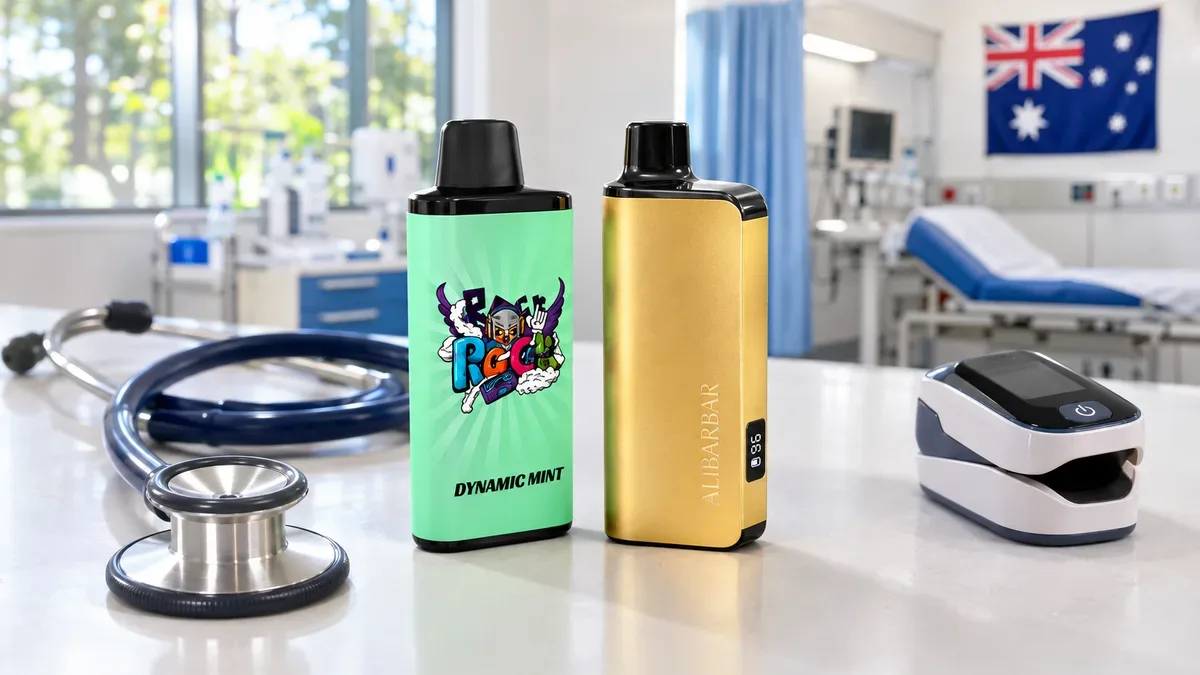
A toddler gets hold of a leaking vape, and one phone call can set several healthcare services in motion. How Does Vaping Affect Australia’s Healthcare System? A poisons specialist may assess the exposure, while paramedics or emergency clinicians may step in if the child becomes seriously ill. Meanwhile, a GP or pharmacist might see someone who needs help getting through the day without nicotine.
Those encounters show where vaping already affects Australian healthcare. However, a visit after vaping can have several possible explanations, and Australia’s national cost data remain incomplete. The longer-term picture also depends on who vapes, how often they vape and whether they still smoke cigarettes.
How Does Vaping Affect Australia’s Healthcare System?
Vaping creates demand for acute care when people experience suspected nicotine poisoning, breathing problems, burns or other adverse events. It also brings people to primary care, pharmacies and quit services for nicotine-dependence assessment, counselling and follow-up. For instance, an emergency visit might take a few hours, while support for dependence can involve repeated appointments.

Different services see different parts of that demand. A poisons specialist may help a parent decide whether a child needs emergency assessment. Meanwhile, a GP might help a young adult understand why cravings return every time they try to stop. Both contacts use healthcare resources, even when neither person needs a hospital bed.
What the records can tell us
Poisoning calls, emergency visits, hospital admissions and cessation referrals each answer different questions. For instance, a call records a reported exposure and a request for advice. An emergency record can capture symptoms, tests and treatment, while an admission record can show a diagnosis and length of stay. However, one incident may appear in several records if the person moves between services.
Australia lacks a complete national dataset linking vaping exposure, diagnoses, healthcare use and costs over time. For example, an emergency record may capture wheezing or an asthma flare while leaving vaping details in the clinical notes. Even when clinicians ask about vaping, they may have little information about the product or nicotine strength. As a result, researchers can describe demand in particular settings more confidently than they can calculate its national scale.
Future hospital demand is a separate question. Researchers can project what might happen if daily use persists or if people switch completely from cigarettes. However, those projections depend on assumptions about exposure, smoking histories and how long diseases take to develop. A model can estimate possible future demand, while linked records would help establish how much care people actually received.
Who Vapes in Australia and Which Patterns Matter?
The Australian Institute of Health and Welfare’s 2026 release of the National Drug Strategy Household Survey reports use during 2025. Among people aged 14 and over, 6.0% reported current vaping and 3.6% reported daily vaping. Current use includes people who vape less often than daily. Notably, daily use stayed broadly stable compared with the previous survey, even as weekly and monthly use declined.

Young adults reported some of the highest rates. Specifically, about 14% of people aged 18 to 24 and 13.4% of those aged 25 to 29 currently vaped. Meanwhile, about one in five teenagers aged 14 to 17 reported ever trying a vape. That lifetime figure includes teenagers who tried it once as well as those who went on to vape regularly.
Why smoking history changes the picture
The same national survey found that 1.6% of people aged 14 and over both smoked cigarettes and vaped. However, a single survey snapshot cannot show how long someone used both products or whether they later stopped smoking. Four common patterns matter when interpreting the figures or planning care.
- People who have never smoked take on vaping exposure without replacing cigarette smoke.
- Former smokers who switched completely have stopped inhaling cigarette smoke, although previous smoking can still affect their health.
- People who smoke and vape continue to inhale tobacco smoke, even if they smoke fewer cigarettes.
- People vaping during a quit attempt may move between smoking, vaping and abstinence as their attempt progresses.
Frequency and duration also matter. For instance, someone who uses a high-strength vape throughout the day may need more support with withdrawal than an occasional user. Device design, nicotine concentration and how someone inhales can all influence the dose they receive. Moreover, continued cigarette use changes both the health risks and the kind of cessation support someone may need.
Vaping-Related Emergency Visits and Hospital Admissions
Emergency clinicians may assess someone who develops symptoms soon after vaping or after contact with vape liquid. Specifically, the symptoms and circumstances help determine whether someone needs immediate treatment, observation or follow-up. Symptoms and injuries that may prompt urgent assessment include the following.
- Breathing difficulty, chest pain or a persistent cough.
- Nausea, vomiting, dizziness or palpitations after substantial nicotine exposure.
- Burns from an overheating or malfunctioning device.
Nicotine can enter the body when someone swallows vape liquid, spills it on their skin or inhales too much. For instance, a leaking refill bottle can expose someone who handles it or comes into contact with the spill. Young children face particular danger because a small amount of concentrated liquid can deliver a substantial dose for their size. Moreover, unlabelled products and inaccurate labels can make it difficult to judge the nicotine concentration.
Call the Poisons Information Centre on 13 11 26 immediately after a suspected nicotine poisoning. In particular, seek advice promptly if a child may have swallowed vape liquid, even if they seem well. Call Triple Zero (000) if someone has severe breathing difficulty, has a seizure, collapses or is seriously unwell. The NSW Poisons Information Centre gives advice on suspected vape exposures.
When can clinicians confidently identify the cause?
Timing gives clinicians a clue. For instance, someone might report chest tightness after vaping, but an asthma flare or respiratory infection could explain their symptoms. A clinician may record vaping as a suspected contributor while assessing those other possibilities. Therefore, a presentation after vaping and a diagnosis caused by vaping carry different levels of evidence.
Clinicians can make a stronger causal judgment when a clear exposure and the timing fit a recognised pattern of illness. For example, witnessed ingestion followed by characteristic symptoms can support a diagnosis of nicotine poisoning. However, suspected vaping-associated lung injury requires careful assessment for other causes, including infection. The detail available about the device and its contents can also affect how confidently clinicians identify the cause.
Some people receive advice and observation at home, while others need emergency assessment or admission. As a result, a tally of poison-centre calls tells us about demand for advice, while hospital records capture a different workload. Counting either source alone misses some of the care an incident may require.
How Healthcare Professionals Help People Stop Vaping
A GP can start by asking how often you vape and how soon you reach for it after waking. For instance, vaping shortly after waking and struggling through a morning without it can help identify nicotine dependence. The GP can ask about cravings and withdrawal symptoms, such as irritability or difficulty concentrating. They can also check whether you currently smoke cigarettes or used to smoke them.
Mental health, pregnancy status and readiness to quit also shape the plan. For example, someone who vapes to cope with stress may need a realistic way to get through difficult moments. During pregnancy, a clinician can discuss suitable support and review treatment options with the patient. Meanwhile, someone who feels unsure about quitting may start by noticing when cravings are strongest.
What pharmacists and quit services can offer
Community pharmacists can give brief advice, explain how to use cessation medicines and refer people for further support. Additionally, participating pharmacists can assess whether a therapeutic vaping product is appropriate and supply it where Australian rules allow. Safety counselling may include storing nicotine products away from children and knowing whom to call after a spill. A pharmacist can also refer someone back to their GP when their needs require further assessment.
Quitline offers confidential counselling on 13 7848 for people who want to stop smoking, vaping or both. For instance, a counsellor can help someone choose a quit date and prepare for a break at work without vaping. They can also help the person plan for cravings or a lapse. Other quit services and primary care teams can reinforce these strategies through follow-up.
A plan should fit the person’s goals and protect any progress they have made with cigarettes. For example, a former smoker who still vapes may worry that stopping will bring back cigarette cravings. In that case, their clinician can help them plan how to manage those cravings while working towards stopping vaping. Similarly, someone who still smokes and vapes can agree with their clinician how to prioritise stopping cigarettes and address vaping dependence.
What Does Vaping Cost Australia’s Healthcare System?
Vaping-related care uses staff time and other resources that services can measure when they know which encounters to count. For instance, a poisoning call uses specialist time, while an emergency visit may involve ambulance transport, tests and observation. Someone seeking help for dependence can also use primary care or publicly funded counselling. The direct costs can arise across several settings.
- Poisoning advice and transport include poison-centre contacts and ambulance responses.
- Hospital care includes emergency assessment, diagnostic tests, treatment and inpatient stays.
- Community care includes GP consultations, pharmacy services and publicly funded cessation programs.
A credible national estimate needs a consistent way to record exposures and connect care across services. For example, one person may call a poisons centre, travel by ambulance and later see a GP. Linked records would let researchers count one incident while adding the costs of each service. Without that linkage, a tally can double-count patients or miss part of their care.
Which costs can researchers attribute to vaping?
Researchers also need suitable comparison groups and cost data from each care setting. For instance, if someone who smokes and vapes needs hospital treatment for a lung condition, both exposures may deserve consideration. A comparison group with similar smoking histories and underlying health can help researchers estimate how much extra care vaping contributes. However, incomplete exposure records can make those comparisons difficult.
Australia’s smoking-related cost estimates cannot serve as a price tag for vaping. Cigarettes burn tobacco, while vaping devices heat a liquid and produce a different mix of exposures. Moreover, researchers have tracked smoking-related diseases over decades, while many vaping products and patterns of use are newer. Past smoking can also contribute to illness years after someone switches completely.
System costs can extend beyond appointments and hospital stays. For example, public health teams spend time developing prevention campaigns, while regulators monitor compliance and investigate unlawful supply. Staff time also has an opportunity cost when a vaping response takes time away from other work. However, estimating that trade-off requires information about staffing, funding and which work the response displaced.
Why Youth Vaping Is a Public Health Priority
For a teenager who depends on nicotine, a school day can repeatedly bring on cravings. For instance, a student might struggle to concentrate through a long class after leaving their vape at home. A school nurse or counsellor can help them talk through what is happening and connect them with support. Depending on their needs, follow-up might involve a GP, pharmacy advice or a youth-friendly quit service.
Acute risks add another reason to act early. For example, a teenager who develops shortness of breath after vaping may need assessment, while a younger sibling could swallow liquid from the same device. Products from unlawful suppliers may have uncertain ingredients or nicotine strength. Therefore, the information on the packaging may offer little help when a clinician or poisons specialist assesses the exposure.
Early support that young people can reach
Parents and carers can ask when a young person vapes and what makes it hard to stop. Meanwhile, teachers and school health staff can explain how dependence develops and make it easy to ask for help privately. Clinicians can assess symptoms and connect young people with ongoing support. Public health agencies can help schools and families share consistent advice and clear referral options.
School rules can set expectations about vaping on campus. However, punishment or stigma can make it harder for students to disclose regular use, symptoms or cravings. For instance, a private conversation after an incident gives staff a chance to ask whether the student wants help quitting. A young person who feels comfortable returning for support has somewhere to turn when a quit attempt gets difficult.
Access matters in regional, remote and disadvantaged communities, where transport, appointment costs or limited privacy can make follow-up difficult. For example, phone counselling can help when a clinic is far away, provided the young person has somewhere private to talk. Aboriginal Quitline and Aboriginal community-controlled health services can offer culturally appropriate support. Consequently, prevention efforts need to consider who can actually reach the services they promote.
Regulation, Risk Comparisons and Future Healthcare Demand
Australia regulates vaping products as therapeutic goods and restricts retail supply to pharmacies. Under federal rules, participating pharmacists may supply eligible products containing up to 20 mg/mL of nicotine to adults after a consultation. However, state and territory rules can require a prescription, and stronger products require one. People under 18 can only access therapeutic vapes by prescription where local laws permit.
The Therapeutic Goods Administration sets product and supply requirements, and pharmacists assess whether supply is clinically appropriate. Meanwhile, clinicians can discuss cessation options and refer patients for further support. Federal, state and territory authorities enforce restrictions on unlawful importation and supply. Consequently, the rules shape both how patients access therapeutic products and the work regulators and pharmacy teams perform.
How smoking history shapes future demand
For someone who has never smoked, vaping adds exposure to aerosol and can introduce nicotine dependence. For a smoker who switches completely, ending cigarette combustion removes exposure to ongoing cigarette smoke. However, vaping still carries risks, and past smoking can continue to affect health. Meanwhile, people who use both products remain exposed to tobacco smoke, a major cause of preventable disease.
Clinicians and poisons services already deal with acute exposures and nicotine dependence. Longer-term questions include whether sustained vaping contributes to chronic respiratory illness, cardiovascular disease or oral health problems. Additionally, persistent dependence may lead to repeated quit attempts and ongoing demand for support. The scale of any future burden remains uncertain and will likely differ by product, intensity of use and smoking history.
Researchers need to follow groups of people over time and track when they start, stop or change products. Ideally, linked healthcare records would connect that information with consultations, diagnoses and hospital admissions. Consistent diagnostic coding would help separate suspected exposures from confirmed conditions. Moreover, details such as device type and nicotine concentration would help researchers compare exposure patterns and estimate future healthcare demand.
Conclusion
Vaping already affects Australian healthcare through poisoning advice, acute assessment, nicotine-dependence care, cessation services and public health programs. However, incomplete coding, mixed smoking histories and limited long-term evidence prevent a definitive national cost estimate. The impact also varies between people who have never smoked, former smokers who switch completely and people who continue using both products.
If vaping affects you or someone in your care, speak with a GP, community pharmacist or an Australian quit service. Quitline offers confidential, evidence-based support on 13 7848. For suspected nicotine poisoning, call the Poisons Information Centre immediately on 13 11 26. If the person is seriously unwell, call Triple Zero (000).