Introduction
A vaping shipment can be stopped at the Australian border even if it contains no nicotine. A business licence by itself will not secure its release. That is why understanding Vape Import Rules for Australian Businesses needs to happen before an overseas supplier packs the order.
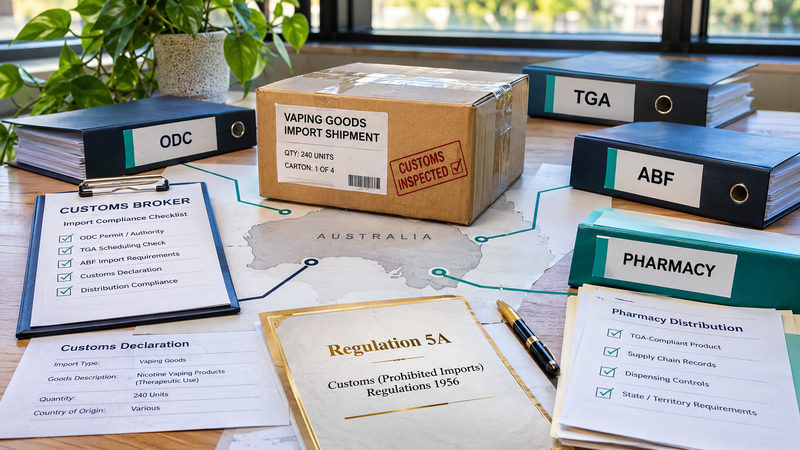
Several authorities may regulate a single shipment. The Office of Drug Control, Therapeutic Goods Administration, Australian Border Force, and local regulators all have different roles. Once the goods clear customs, businesses must also manage storage, distribution, advertising, and supply.
This guide covers product classification, prior permissions, therapeutic requirements, freight arrangements, and border documentation. It also looks at practical controls across the lawful supply chain. Every business, however, should confirm the current requirements for its specific products and circumstances.
1. Vape Import Rules for Australian Businesses: Legal Framework
Core controls and regulatory responsibilities
Regulation 5A of the Customs (Prohibited Imports) Regulations 1956 governs the importation of vaping goods. These goods are prohibited imports unless the importer obtains every required permission before arrival. In most cases, a missing permit cannot be fixed after the shipment reaches Australia.
The Office of Drug Control, or ODC, manages vaping-goods import licences and shipment permissions. The Therapeutic Goods Administration, or TGA, handles products under therapeutic-goods legislation. Its responsibilities include product standards, sponsor notices, registration pathways, commercial possession, advertising, and lawful supply.
Australian Border Force enforces import controls at the border. It checks declarations, permission references, freight documents, and supporting evidence. State and territory authorities have separate responsibility for poisons, wholesale dealing, pharmacy supply, storage, and possession.
Which goods fall within the controls?
A vape generally uses an electronic heating element to create aerosol, vapour, or mist for direct inhalation. The definition may cover complete devices as well as unfinished or temporarily inoperable products. Removing a battery or sending components separately may not place the goods outside the rules.
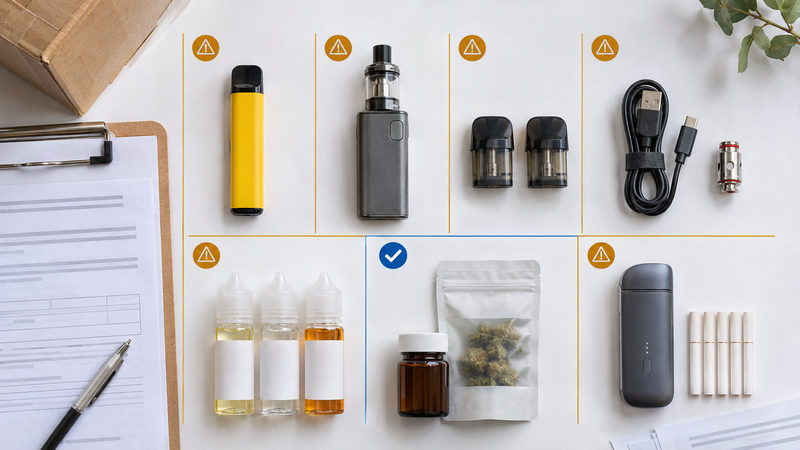
Regulated goods can include:
- Disposable and reusable vaping devices
- Batteries and electronic heating components
- Pods, cartridges, capsules, and refill containers
- Nicotine and nicotine-free vaping liquids
- Vials, dropper bottles, and similar vaping accessories
- Relevant heat-not-burn devices and consumables
Import controls can apply regardless of nicotine content or marketing claims. Even a bottle labelled “nicotine 0 mg/mL” may qualify as a vaping substance. Businesses should not treat zero-nicotine goods as ordinary consumer products until they have completed a formal classification review.
Commercial imports and special categories
The commercial pathway is different from personal arrangements for travellers or individual patients. ODC licences are intended for eligible businesses conducting legitimate medical, scientific, or therapeutic activities. An importer buying stock for resale or distribution cannot rely on personal-use concessions.
Some products require closer assessment because multiple legal controls may apply at once. Cannabis oils can trigger controlled-drug permissions as well as vaping requirements. Tobacco-containing heat-not-burn products may also raise customs, tobacco, therapeutic, and excise issues.
Borderline accessories need careful classification too. A filled cartridge, for example, may be a device, an accessory, and a substance at the same time. One product can therefore require permission under more than one category.
2. Which Vaping Goods Can Australian Businesses Import?
Therapeutic eligibility and disposable products
Commercial imports generally require a lawful therapeutic pathway. Therapeutic vaping goods must be intended to support smoking cessation or manage nicotine dependence. They must also meet the relevant TGA requirements before importation and commercial supply.
A freight company cannot turn an ineligible product into a lawful one. Nor can an accurate customs declaration make up for missing therapeutic eligibility. The importer must identify the correct TGA pathway before applying for shipment permission.
Disposable products are subject to especially strict controls. A disposable vape generally arrives fully assembled, permanently fixed, non-reusable, and pre-filled with a vaping substance. If no therapeutic pathway is available, arranging the product as commercial cargo will not make it eligible for entry.
Reusable devices, accessories, and substances
Reusable systems may contain a device, charging equipment, pods, cartridges, batteries, coils, and replacement parts. Regulators assess each item according to its design and intended function. A single commercial order may therefore need separate permission coverage for devices, accessories, and substances.
Therapeutic vaping substances are subject to detailed formulation and quality requirements. Current standards generally allow nicotine, propylene glycol, glycerol, water, and specified flavour ingredients. Permitted flavour profiles include mint, menthol, and tobacco, although detailed limitations apply.
Nicotine strength cannot exceed 50 mg/mL in an unapproved therapeutic vaping substance. For pharmacist supply without a prescription, the general maximum is 20 mg/mL, subject to local laws. The actual nicotine content must also stay within the permitted range around the amount shown on the label.
Importers need dependable evidence about ingredients, impurities, contaminants, stability, and manufacturing quality. Containers, labels, information leaflets, and child-resistant features must meet the applicable standards as well. If a formulation contains controlled substances, further licensing and permit obligations may arise.
ARTG inclusion and sponsor notification
Some goods must be included in the Australian Register of Therapeutic Goods, known as the ARTG. Inclusion usually follows the relevant evaluation and regulatory process. It also places ongoing responsibilities on the Australian sponsor named in the entry.
Eligible unapproved therapeutic vaping goods may instead use the sponsor-notification pathway. Under this pathway, the sponsor declares that the goods meet the applicable standards and conditions. The resulting notification identifier can support an ODC permit application.
A notification is not TGA approval of the product’s safety, quality, efficacy, or performance. It also does not replace an ODC licence, shipment permission, customs clearance, or state authority. Changes to the ingredients, strength, flavour, container, device, or product name may require a new notice.
Businesses can check the current requirements through the Therapeutic Goods Administration vaping product standards. Cannabis vaping goods, controlled-drug formulations, and heat-not-burn tobacco products require separate legal assessment. Their ingredients or intended use may put them outside the usual notification pathway.
3. ODC Vape Import Licence and Permit Requirements
Importer eligibility
An eligible commercial applicant generally needs an Australian Business Number and GST registration. The business must carry out genuine activities within a lawful therapeutic or scientific supply chain. It also needs appropriate premises, governance, security, and recordkeeping systems.
ODC may assess the applicant, its corporate officers, and authorised contacts. Fit-and-proper-person considerations can cover criminal history, regulatory compliance, competency, and business conduct. Recent police certificates and full details of responsible personnel may also be required.
The business must hold any relevant state or territory authorities as well. Importing nicotine, for example, can require local approval relating to Schedule 4 substances. Existing controlled-drug permissions do not automatically take the place of vaping-goods permissions.
Why a licence is not enough
An ODC import licence gives a business authority to take part in the import framework. It does not, however, authorise a particular shipment. Before each covered consignment arrives, the importer must obtain a permission, commonly called a permit.
A permit gives shipment-specific authority for the identified controlled goods. ODC may review the product category, quantity, overseas supplier, transport details, and expected import date. A general licence is not blanket approval for orders that keep changing.
Each type of controlled good may need its own permit coverage. Devices, accessories, and substances can belong to different categories. A single item may even fit several categories if it contains liquid and includes a heating element.
Evidence and application timing
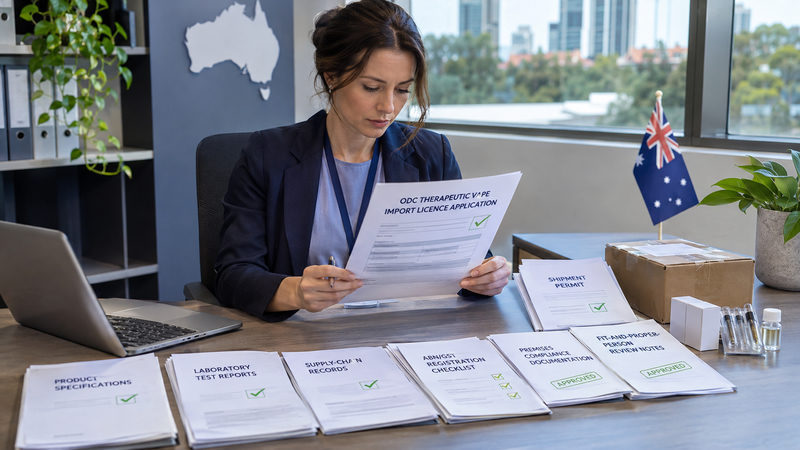
A strong application package commonly includes:
- ABN, GST, corporate, address, and contact details
- Responsible-person and authorised-contact information
- Product names, specifications, ingredients, and nicotine strengths
- Manufacturer, supplier, and production-site details
- Laboratory reports, certificates, and technical evidence
- ARTG entries or TGA sponsor-notification identifiers
- Invoices, quantities, prices, and commercial purposes
- Freight method, route, carrier, and expected arrival details
- Warehousing, distribution, and customer-supply records
Businesses should check ODC’s current processing estimates before committing to purchase schedules. Missing or incomplete evidence can lead to questions and lengthy delays. Importers should not promise dispatch dates based on an approval date that has not been confirmed.
The supplier should hold the order until every required permission is in place. Even a production deposit can create commercial risk if the application is refused. Purchase contracts should therefore deal with regulatory rejection, product changes, testing failures, and cancellation rights.
Maintaining an ODC licence
Once granted, ODC vaping-goods licences currently have no standard expiration date. That does not make them unconditional. ODC can revoke a licence if the holder breaches its conditions, and importers must still watch for regulatory changes or review directions linked to other approvals.
The licence holder should quickly report relevant changes involving corporate details, responsible people, premises, or regulated activities. Every licence and permit condition must also be followed. A poor compliance record can put an existing licence at risk and affect future permit applications.
4. TGA Product Standards, Sponsorship, and Lawful Supply
Product and technical standards
TGA standards cover much more than the nicotine figure shown on a bottle. They address permitted ingredients, nicotine concentration, impurities, container volumes, packaging, labels, and consumer information. Device requirements also cover construction, performance, batteries, electrical safety, and toxicological risks.
Therapeutic vaping packaging generally needs a plain, pharmaceutical-style appearance. Labels must be in English and include the prescribed product, ingredient, warning, batch, expiry, sponsor, and storage information. Child-resistant packaging and suitable instructions may also be required for the finished product.
A laboratory result supplied by the overseas manufacturer may not be enough. The sponsor needs to understand the sampling methods, test validation, specification limits, and batch release procedures behind it. Testing a single demonstration unit, for example, does not prove that every production batch complies.
Sponsor responsibilities
The Australian sponsor is directly responsible for its therapeutic goods under the regulatory framework. It must keep supporting evidence and ensure that notices or ARTG information remain accurate. The sponsor must also cooperate with TGA inspections, information requests, monitoring, and enforcement.
Sponsor duties can include:
- Confirming compliance with every applicable product standard
- Maintaining product, manufacturing, and testing evidence
- Updating notices when important product characteristics change
- Reporting adverse events and emerging safety concerns
- Managing complaints, defects, corrective actions, and recalls
- Keeping distribution records that support rapid traceability
The importer and sponsor can be the same business, but the two legal roles are still separate. Different entities may also perform those roles under documented arrangements. Either way, their contracts should clearly assign responsibility for testing, notification, recalls, and regulatory communication.
Lawful distribution and retail restrictions
Clearing the border does not create an unrestricted right to sell. The goods must pass through lawful possession, storage, transport, wholesale, and pharmacy channels. Every participant should confirm its federal and local authority before agreeing to handle the stock.
Physical and online retailers that are not pharmacies cannot lawfully sell vapes, including nicotine-free vapes. Consumer supply generally takes place through pharmacies under the relevant therapeutic and medicines rules. An importer’s permit gives no protection to convenience stores or general online shops.
Wholesalers may require state or territory licences for scheduled medicines or poisons. Storage and transport providers may also have to meet rules for possession, security, temperature, and documentation. Pharmacies, in turn, must comply with local dispensing and pharmacist-supply conditions.
Advertising, samples, and evaluation goods
Import authority does not allow unrestricted promotion. Therapeutic-goods advertising controls may apply to websites, catalogues, packaging, price lists, social posts, and business communications. Both consumer claims and trade materials should be reviewed before they are published.
Free samples and demonstration units do not receive an automatic exemption. The same is true for laboratory samples, evaluation devices, and products used for staff training. Before sending any test units, businesses should confirm the relevant import, TGA, possession, and disposal pathway.
5. Shipping, Customs Clearance, and Border Documentation
Complete every approval before dispatch
The overseas supplier should not release the consignment until every required permission has been confirmed. Depending on the goods, this may include the ODC licence, shipment permit, TGA notice, ARTG requirement, and controlled-substance approval. The final products must match the approved specifications exactly.
Vaping goods cannot lawfully arrive through international post, even if the importer holds a permit. Importers should check the current options for commercial airfreight, sea freight, and eligible courier cargo. They also need to know how the carrier will present the goods to customs.
A supplier’s usual express-mail service may enter the postal stream without making that clear. The purchase order should expressly prohibit international mail. Before collection, the importer should confirm the carrier, service type, route, and consignment number.
Declarations and broker coordination
Customs declarations need to describe the goods precisely. They should include quantities, transaction values, origin, tariff classifications, and the relevant permission references. Vague terms such as “electronics,” “samples,” or “plastic accessories” can trigger delays and enforcement concerns.
The customs broker or freight forwarder should have the full document pack before lodging an entry. That pack should include:
- ODC import licence and applicable permissions
- TGA notice evidence or ARTG information
- Commercial invoices and purchase orders
- Packing lists and carton-level quantities
- Air waybills or bills of lading
- Product specifications and ingredient information
- Certificates of analysis and supporting test reports
- Manufacturer and supplier contact details
A broker can prepare declarations and flag missing documents. Still, the importer is responsible for ensuring that all supplied information is true and complete. Businesses should review the proposed entry themselves instead of leaving everything to the service provider.
Inspections and shipment changes
Australian Border Force or another regulator may hold a shipment for review. Officers can inspect documents and cartons, take samples, or request laboratory testing. Even a compliant consignment may therefore face delays and additional storage charges.
Any change made after permit approval should be reviewed straight away. Product substitutions, split consignments, revised quantities, new suppliers, or different arrival details may sit outside the permission. Before dispatch, importers should seek confirmation from ODC or obtain a replacement permit.
An unapproved arrival may be detained, seized, forfeited, exported, or destroyed. The importer can also be charged for storage, examination, disposal, and professional services. Serious breaches may bring financial penalties, licensing action, and criminal prosecution.
6. Pre-Import Compliance Checklist and Ongoing Controls
Product and supplier verification
Create a separate compliance file for each stock-keeping unit. Check the device, accessory, liquid, ingredients, nicotine strength, intended use, factory, tests, labels, packaging, and therapeutic pathway. Record exact model numbers and product versions too, so substitutions are easier to spot.
Review the overseas manufacturer before committing to a binding order. Confirm its identity, quality systems, production controls, and ability to produce Australian-compliant goods consistently. A factory may make lawful products for another country and still fall short of Australian requirements.
Supplier due diligence should cover:
- Manufacturing-site identity and quality certifications
- Batch records and certificates of analysis
- Validated methods for nicotine, impurities, and contaminants
- Packaging, label, and child-resistance evidence
- Complaint, recall, and deviation procedures
- Change controls for ingredients, components, and suppliers
Permissions, logistics, and supply-chain checks
Match every product and shipment to all required approvals. Review the ODC licence, shipment permission, sponsor notice, ARTG status, controlled-drug permissions, and local authorities. Names, quantities, suppliers, and transport details should be consistent across the entire document set.
Make sure the freight route does not use international mail. Send complete records to the broker before dispatch, then check every declaration for accuracy. The warehouse should also know that the shipment is regulated before accepting delivery.
Map every participant in the supply chain after clearance. Identify who can lawfully possess, warehouse, transport, wholesale, dispense, return, or destroy the goods. Written agreements should require each provider to maintain the necessary licences and comply with handling restrictions.
Records and shipment-by-shipment review
Keep applications, approvals, invoices, customs entries, batch records, and laboratory reports for the required periods. Distribution records should link each batch to its recipients. Complaint, adverse-event, corrective-action, and recall records also need to remain readily accessible.
Check compliance before every consignment, including repeat orders. Forms, product standards, classifications, and official guidance can all change. The fact that a product cleared once does not guarantee that a later shipment will still be lawful.
Use a signed release checklist before approving overseas dispatch. It should record the reviewer, date, product versions, permissions, freight method, and any unresolved issues. This gives the business a clear decision record if regulators ask questions later.
This guide provides general legal information and does not replace advice for a particular product or transaction. Before committing funds, seek advice from a regulatory specialist, experienced customs broker, or qualified Australian lawyer. Product-specific review is especially important for cannabis, tobacco, controlled substances, and borderline devices.
Conclusion
Australian businesses can import vaping goods only through a carefully documented therapeutic supply pathway. An ODC licence is not enough on its own. Every shipment needs the relevant permission and must meet TGA, customs, transport, supply, and local requirements.
Extra controls may apply to cannabis, tobacco, heat-not-burn goods, or other controlled substances. Border clearance also does not authorise general retail sales or unrestricted advertising. The lawful pathway continues through warehousing, wholesale distribution, and pharmacy supply.
Before placing an overseas order, classify every product and verify the current ODC and TGA pathways. Secure all prior permissions before dispatch. Then have a regulatory adviser and customs broker review the complete shipment plan.