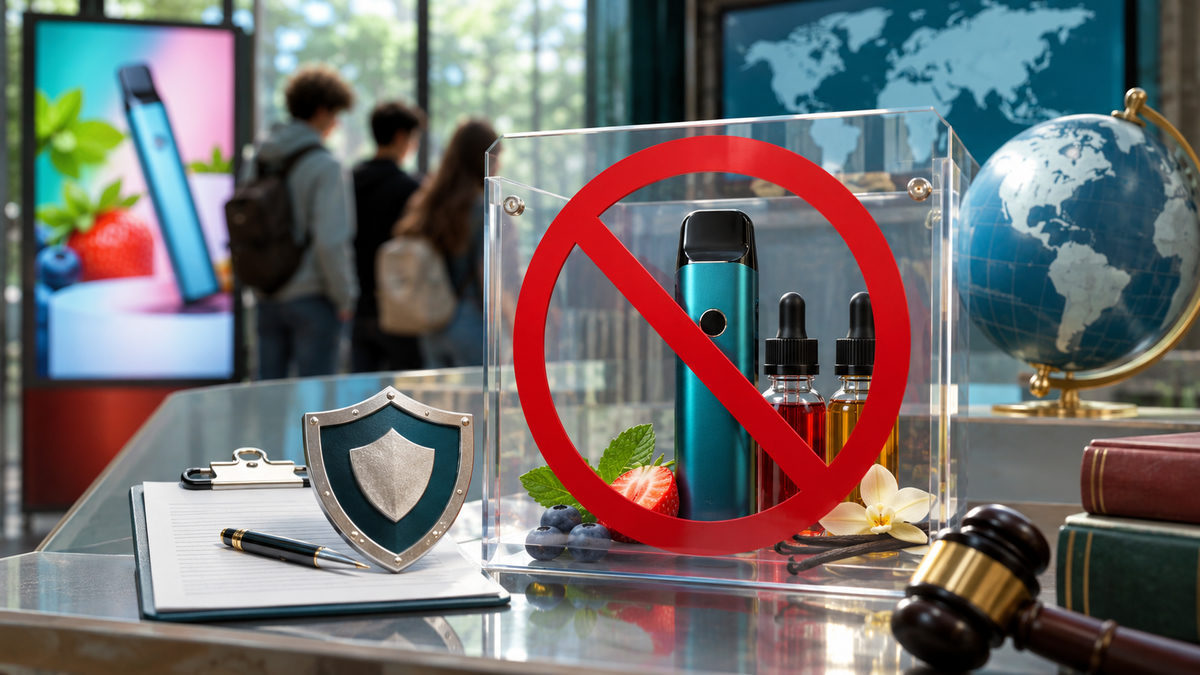
Why can adults legally buy vapes while manufacturers face limits on how they advertise them? To understand why vape product advertising is restricted, you have to look beyond basic sales laws. Advertising affects who notices a product, how dangerous it seems, and whether young people decide to try it.
Still, these rules rarely create a single, universal ban. Governments may regulate certain channels, audiences, messages, products, or promotional tactics. A product being legal to sell does not mean every billboard, social post, or sponsorship is legal too.
Requirements also vary across borders and platforms. At the same time, consumers may find it hard to tell when a promotion breaks local standards. The sections below cover the public health reasoning, common restrictions, international differences, and practical steps for compliance.
1. What Products and Promotions Do Vape Advertising Rules Cover?
Vapes are electronic devices that heat a liquid or another substance to produce an aerosol for inhalation. Regulators often refer to them as e-cigarettes or electronic nicotine delivery systems, usually shortened to ENDS. Legal definitions differ, though, especially for products that contain no nicotine.
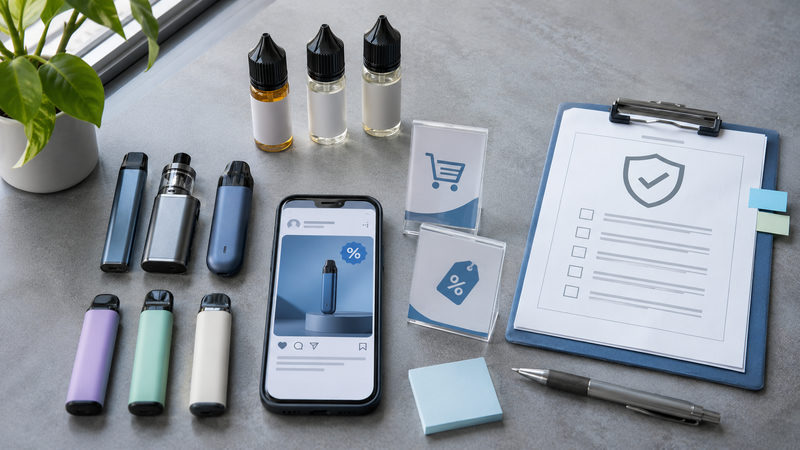
The rules may cover reusable devices, disposable vapes, cartridges, pods, refill containers, and e-liquids. Some laws also apply to individual components, even when they are sold separately. Nicotine salts, flavor concentrates, and accessories can fall under specific requirements as well.
Classification shapes the applicable rules
A government might classify vaping products as tobacco products, consumer goods, medicines, poisons, or a separate product category. As a result, two devices that look identical may face different requirements because of their ingredients or advertised purpose. Even a cessation claim can shift a product into a therapeutic framework.
Advertising means much more than a conventional commercial. Regulators may look at packaging, retail displays, sponsored posts, affiliate links, branded merchandise, and direct messages. Influencer endorsements, event sponsorships, promotional claims, and marketplace listings may count as advertising too.
A complete ban blocks most or all public promotion. Channel-specific rules are narrower: they might ban television advertising but allow limited communication elsewhere. Audience controls may confine promotions to verified adults, while content rules can prohibit health claims or imagery likely to appeal to young people.
Product-specific rules add another complication. Nicotine products, for example, may be regulated more strictly than nicotine-free liquids. Local laws may also treat disposable devices or certain flavors separately.
Responsibility seldom ends with the manufacturer. Depending on the jurisdiction, the following parties may be regulated:
- Manufacturers, importers, distributors, and retailers
- Advertising agencies and public relations firms
- Affiliates, influencers, and paid content creators
- Event organizers and sponsorship partners
- Online marketplaces, publishers, and platform operators
Simply changing who publishes a promotion usually does not sidestep the rules. Authorities often look at who created, funded, approved, controlled, or benefited from the message.
2. Why Vape Product Advertising Is Restricted
The main concern is simple. Promotion can build interest in an addictive, age-restricted product and create broader public health risks. Children and adolescents receive special protection because early exposure to nicotine can result in lasting dependence.

Nicotine can reinforce repeated use and cause unpleasant withdrawal symptoms. Vape aerosols may also expose users to potentially harmful chemicals, metals, and fine particles. The level of exposure can change with the ingredients, device quality, and heating conditions.
Accidental poisoning is another risk. Concentrated nicotine liquid, for instance, can harm a child who swallows it or absorbs enough through the skin. Leaking containers, appealing flavors, and careless storage make that danger greater.
Advertising can change how vaping feels
Repeated promotion does more than explain what a product is. It can make vaping feel normal, fashionable, or socially expected. Bright visuals and familiar personalities may also make the risks seem less serious.
Picture a teenager encountering vape imagery throughout an ordinary day. A creator displays one at breakfast, a music event uses branded graphics, and a shop promotes flavored disposables. Experimentation may start to look common long before that teenager understands nicotine dependence.
Research has linked marketing exposure with greater curiosity, susceptibility, experimentation, or use among young people. That association does not mean every advertisement directly causes someone to vape. Decisions are also shaped by family behavior, friendships, product access, and personal attitudes.
Even so, regulators generally respond to population-level risk rather than trying to prove every individual path to use. If widespread promotion nudges even a small percentage of adolescents toward experimentation, the combined effect can be significant. Authorities therefore often limit exposure without waiting to measure harm person by person.
Why tobacco-style controls often apply
Many vaping products contain nicotine and compete in markets with historical ties to tobacco companies. Promotional methods once familiar in cigarette advertising can also carry over to newer products. Think celebrity associations, event sponsorships, lifestyle imagery, discounts, and eye-catching package designs.
Governments may therefore extend tobacco-style controls to vaping products, even when their legal classifications or risk profiles are not identical. The underlying concerns are similar: addiction, youth uptake, misleading claims, and widespread normalization.
Vaping and combustible smoking do not produce the same exposures, however. Cigarettes create smoke by burning tobacco, while vapes produce aerosol by heating a substance. That difference sits at the center of an important policy debate about information intended for adults who smoke.
The adult-information tradeoff
Some policymakers want adults to have accurate information about potentially lower-risk alternatives to continued smoking. Yet broad freedom to promote these products could expose many children to persuasive nicotine marketing. The challenge is to balance both concerns without suggesting that vaping is harmless.
Comparative information needs context to be accurate. A lower-risk statement may depend on complete switching, product quality, user behavior, and the evidence behind the comparison. Using both products may not offer the same potential benefit as replacing cigarettes entirely.
For that reason, some jurisdictions allow tightly controlled factual communication but prohibit open lifestyle promotion. Others require official authorization before a company can make comparative-risk or cessation claims. This approach can protect minors while preserving limited routes for evidence-based information aimed at adults.
3. Why Marketing to Minors, Flavors, and Lifestyle Branding Draw Scrutiny
Adolescents can be particularly responsive to novelty, rewards, peer behavior, and messages about identity. Because their judgment is still developing, immediate social rewards may feel more compelling than distant health risks. Nicotine dependence can then turn a brief experiment into repeated use.

Youth appeal does not require a cartoon character declaring, “This is for children.” It can come from the presentation as a whole. Regulators may weigh the colors, language, music, humor, placement, influencers, and likely audience together.
Creative choices can signal youth appeal
Cartoons, games, memes, school-related images, and playful challenges can catch the attention of younger viewers. Youthful slang and exaggerated humor may have a similar effect. Celebrity culture, popular music, and aspirational social settings can also tie vaping to identity and belonging.
Imagine a promotion showing friends with a brightly colored device beside concert graphics. There are no children in the image, and the caption says sales are for adults. Even so, the design as a whole may disproportionately reach or appeal to minors.
Placement matters too. A seemingly neutral promotion can raise concerns if it appears near schools or alongside digital content with a heavily youthful audience. Regulators therefore consider who is likely to see the material, not just what it contains.
Flavors, designs, and sensory language
Advertising for flavored vapes often borrows themes from candy, fruit, soft drinks, or desserts. Names such as gummy candy, rainbow ice, or birthday cake bring familiar treats to mind. Descriptions may also promise sweetness, freshness, creaminess, or a powerful cooling sensation.
Adults may enjoy flavored products as well, so flavor by itself does not establish youth targeting. Regulators may instead consider flavor names, packaging images, and written descriptions together. A realistic image of fruit gives a very different impression from a cartoon dessert surrounded by confetti.
Disposable devices receive similar scrutiny because they may be inexpensive, colorful, compact, and easy to use. Some concealable products resemble highlighters, cosmetics, pens, toys, or technology accessories. That can make them harder for parents, teachers, and other adults to spot.
Promotion includes more than an advertisement
Packaging and product names can act like miniature advertisements every time the product appears. Giveaways, loyalty rewards, multi-buy offers, and discount codes may encourage people to experiment or buy more. Branded clothing and accessories can carry product imagery into schools and other public places.
That is why some laws treat packaging and promotional items as part of the wider marketing activity. Regulators may also ask whether countdowns, prizes, or limited editions create a sense of urgency. Such tactics can make novelty and rewards even more appealing.
An advertiser’s stated intention is not the only factor. Simply claiming to target adults may not resolve the concern. Authorities can review the content, placement, audience data, product design, and full presentation before deciding whether a promotion crosses the line.
4. Which Advertising Channels and Claims Are Commonly Restricted?
Restrictions on traditional media often apply to television, radio, newspapers, magazines, cinema, billboards, and transit advertising. The exact reach of those rules varies by jurisdiction. Some places ban nearly all public promotion, while others permit narrowly defined communications for adults.
Retail rules may cover window displays, shelf signs, posters, digital screens, and point-of-sale materials. Authorities can also restrict product visibility or require warnings beside displays. A plain price list might be permitted even when a colorful promotional sign is not.
Direct mail, email, and text messages may be governed separately. Businesses might need consent, dependable age information, and a straightforward opt-out process. General privacy and electronic communications laws can apply at the same time as product advertising restrictions.
Websites, platforms, and online stores
Online rules can reach brand websites, search advertisements, marketplaces, social networks, streaming services, and mobile applications. Even a product page can become promotional when it includes discounts, lifestyle photography, testimonials, or unsupported benefits. A basic purchase listing may be treated differently from a campaign designed to persuade.
Social media promotion may be banned, allowed under conditions, or restricted to verified adults. Platforms can impose rules that go further than local law. Account owners must satisfy both sets of requirements.
A simple “Are you 18?” button offers little protection because anyone can choose an answer. Some systems therefore demand stronger age assurance or identity verification. Geographic controls may also be used to keep campaigns out of places where promotion is prohibited.
No technology guarantees perfect separation, though. People share posts, screenshots travel across borders, and recommendation systems can put content in front of unintended audiences. Regulators may look at foreseeable distribution, not just the settings selected by an advertiser.
Influencers, affiliates, and shared content
Influencer content may qualify as advertising when a company supplies money, products, discounts, travel, or some other benefit. Where such promotion is lawful, creators may need to disclose the sponsorship clearly. A vague hashtag or hard-to-find label may not make the commercial relationship obvious enough.
Affiliate marketing raises similar concerns because affiliates earn commissions from purchases or clicks. Advertisers may still be accountable for claims made on their behalf. Giving an affiliate written instructions to obey the law does not necessarily remove that responsibility.
Testimonials must describe genuine experiences without creating a misleading impression. One person’s account, for example, cannot establish that a product helps every smoker quit. Any measurable claim about health, performance, or cessation in a paid endorsement may need supporting evidence.
User-generated content makes the boundary harder to draw. A business may have no control over an unsolicited customer post. But once the company reposts, edits, rewards, or prominently features it, that content can become brand promotion.
Sponsorships and indirect promotion
Sponsorship restrictions may apply to sports, concerts, festivals, charitable projects, product placement, and branded events. Authorities can also prohibit logos on stages, uniforms, vehicles, tickets, or livestream graphics. Branded merchandise keeps the exposure going long after an event is over.
Indirect promotion may rely on colors, symbols, or names associated with a vape brand. Taking out the product image may therefore be insufficient. Regulators can still ask whether the public would recognize the commercial link.
Health, safety, and cessation claims
Claims that vaping is safe, harmless, healthy, or officially approved receive intense scrutiny. Absolute safety statements can be misleading because vaping still involves risks. Claims about quitting smoking or treating nicotine dependence may also require therapeutic authorization backed by strong evidence.
Even phrases such as “healthier than smoking” can create legal trouble. “Healthier” may suggest a proven health benefit rather than a carefully qualified comparison of exposure. Businesses need evidence that fits the particular product, audience, wording, and context.
General information about comparative risk is not the same as a claim about one specific product. In the same way, discussing harm reduction differs from promising that a device will help someone quit. Modified-risk, cessation, and therapeutic claims may each have their own approval process.
Warnings and disclosures
Where promotions are permitted, they may need health warnings, nicotine disclosures, or age notices. Sponsored material may also require a clear commercial disclosure. The rules can dictate exact wording, size, location, contrast, duration, or visibility.
A warning tucked below a “read more” button may fail a prominent-placement requirement. Tiny text flashed at the end of a short video may be unreadable too. And adding a warning does not automatically fix an advertisement that is prohibited or makes an unsupported claim.
5. How Vape Advertising Restrictions Differ Between Countries
There is no single international standard for every vape promotion. Some countries broadly prohibit vape sales and the advertising connected to them. Others permit adult sales but regulate channels, content, licensing, packaging, or promotional claims.
Several regulatory approaches appear repeatedly:
- Tobacco-equivalent controls: Vapes follow many rules that already apply to tobacco advertising.
- Consumer-product rules: General safety and advertising laws govern sales, claims, and product quality.
- Therapeutic authorization: Products need approval when promoted for quitting or treating dependence.
- Dedicated vaping laws: Specific statutes regulate devices, liquids, promotion, age limits, and warnings.
Countries often combine several of these models. One might classify nicotine liquid as a controlled substance while treating the device as a consumer good. Claims about cessation could still fall under medicines law.
Vape and tobacco rules may overlap
Some governments place cigarettes and vaping products under similar advertising restrictions. Others draw distinctions based on legal status, product characteristics, or policies concerning relative risk. Businesses should not assume that tobacco rules settle every question about vape promotion.
One country may ban cigarette advertising but allow limited factual information about authorized vaping products. Another may prohibit both categories through nearly every public channel. The laws on sales, possession, importation, and promotion can differ from one another as well.
Age and location controls
Age-gating ranges from basic date entry to identity checks using dependable documents or approved services. Self-declared age screens are easy to get around. Regulators may therefore ask whether a chosen control does enough to limit access by minors.
Audience composition thresholds can prevent advertising when too many viewers are below the legal purchasing age. Advertisers may also use geographic targeting to exclude regions where promotion is banned. Both measures rely on accurate data and carefully configured campaigns.
Geographic targeting is not foolproof. Travelers, virtual private networks, shared accounts, and inaccurate location data can all undermine it. Businesses should pair technical controls with safeguards covering content, placement, and distribution.
Cross-border campaigns create extra risk
A website based abroad may still be visible in a country that restricts vape promotion. Global creators and marketplaces can likewise reach users in several legal systems at once. What is lawful where a campaign begins may still violate the rules where consumers see it.
Authorities may look at the language, currency, shipping choices, local influencers, and geographic targeting. These details can reveal whether a business aimed its promotion at local consumers. Cross-border enforcement is difficult, but physical distance offers no guarantee of immunity.
Platform policies and national laws can also change fast. Before publishing, businesses should review current official guidance in every jurisdiction they plan to target. Consumers looking for dependable information should consult local health, tobacco, advertising, and consumer protection authorities.
6. Compliance, Enforcement, and Reporting Suspected Violations
Breaking the rules can lead to much more than the removal of an advertisement. Depending on local law, the consequences may include warning notices, corrective advertising, fines, product detention, or action against a license. Platforms might suspend accounts, reject campaigns, limit sales, or remove marketplace listings.
Serious or repeated breaches can bring tougher measures. Regulators may pay particular attention to campaigns that reach minors, hide sponsorships, or make health claims without support. Because penalties and procedures vary, businesses need advice tailored to each jurisdiction.
A practical compliance checklist
Manufacturers, retailers, agencies, affiliates, and creators should examine every campaign before it goes live. The review should answer these questions:
- Which country or region will receive the promotion?
- How does that jurisdiction classify the product?
- What age group will likely see the message?
- Does the chosen channel permit vape promotion?
- Could the design, language, flavor, or imagery appeal to minors?
- Does reliable evidence support every factual claim?
- Are warnings and commercial disclosures complete and prominent?
- Do contracts control affiliates, creators, and other partners?
- Have reviewers preserved evidence, approvals, and campaign records?
- Does the platform impose additional restrictions?
Unclear classifications and comparative health claims may call for legal review. Businesses should also revisit long-running campaigns whenever laws or platform policies change. An advertisement that once passed review may no longer comply.
Retailers and online stores share responsibility
Retailers cannot assume manufacturers carry every advertising obligation. Product pages, discount codes, emails, store displays, and social accounts may create separate liability. Retailers may also remain responsible for outside marketers working on their behalf.
Online stores should review their age controls before visitors browse or buy regulated products. But verification at checkout may not address unlawful public promotion earlier in the shopping journey. Marketplace titles and product descriptions need close review too.
Contracts can define approval procedures and documentation responsibilities. They may not, however, erase duties imposed by law. Businesses need to monitor what partners actually do instead of depending solely on written promises.
Recognizing and documenting questionable advertising
Consumers can look out for youth-oriented graphics, missing warnings, concealed sponsorships, and health claims without evidence. Promotions that minors can freely access may also warrant attention. Extreme discounts and giveaways can be signs of practices restricted by local rules.
A questionable advertisement is not automatically an unlawful one. Without the full context, a permitted communication may seem unusual. The best approach is to record the details accurately and allow the relevant authority to assess them.
Helpful evidence includes:
- A screenshot or recording of the complete promotion
- The page address, account name, or marketplace listing
- The date, time, and physical or digital location
- The product name and the exact disputed claim
- Visible warnings, disclosures, age screens, and discount terms
Avoid sharing promotional material more widely than necessary. Reporting it directly preserves the evidence without increasing its reach. Keep the original files, since edited screenshots can remove details that matter.
Reports can be submitted to an advertising standards body, consumer protection agency, health regulator, or tobacco authority. Platforms generally offer reporting tools for prohibited products or commercial content that lacks disclosure. Local enforcement agencies may deal with unlawful retail displays, sales promotions, or sales to minors.
Conclusion
Vape advertising restrictions respond to several related risks. Promotion can encourage nicotine uptake, make vaping seem normal, reach minors, and spread unsupported claims about safety or cessation. The rule that applies, however, always depends on the product, message, audience, channel, and jurisdiction.
Some places use sweeping bans. Others allow conditional adult-only communication with mandatory warnings. Businesses and consumers should not rely on assumptions drawn from a different country or platform, especially when rules may also cover packaging, influencers, discounts, sponsorships, and online listings.
Before publishing, buying from, or reporting a vape promotion, consult the latest official guidance. Check with the relevant health, tobacco, consumer protection, and advertising authorities in your jurisdiction. It is a simple step that can help prevent unlawful promotion and support better-informed decisions.