What could someone inhale across 9,000 advertised puffs, and how much do we know about this specific device? ALIBARBAR INGOT 9000 Puffs: Understanding Chemical Exposure Risks starts with an important gap. Ingredient labels and puff claims do not show what the aerosol delivers during actual use. Moreover, emissions may change with puffing habits, heating conditions, storage, product quality, and device deterioration.
Reliable product-specific conclusions require authentic disclosures and independent laboratory testing. Without those records, no one should assign exact chemicals or exposure levels to this model. However, broader e-cigarette research reveals plausible exposure pathways and useful warning signs. The evidence also supports practical steps that may reduce avoidable harm.
1. ALIBARBAR INGOT 9000 Puffs Chemical Exposure Risks: What Is Known?
This assessment uses research on disposable vapes and e-cigarette aerosols. It does not assume that every reported chemical occurs in this particular product. Specifically, the precise ingredients and emissions remain uncertain without verified disclosures and independent analysis. That distinction prevents broad research findings from becoming unsupported product claims.
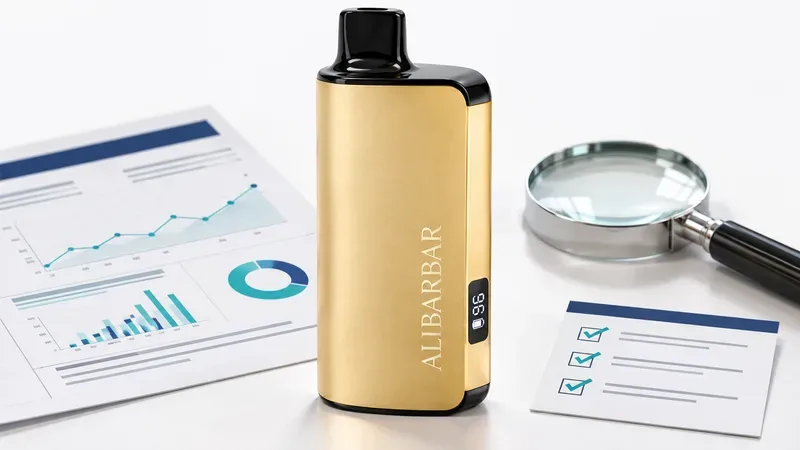
Packaging may list nicotine strength, liquid capacity, flavor, and an estimated puff count. However, those details cannot reveal every aerosol constituent or its delivered amount. User reviews may describe taste, harshness, or battery life, but they cannot identify invisible toxicants. Therefore, neither promotional specifications nor personal reports replace batch-specific chemical testing.
Hazard, exposure, and risk are different
A hazard describes a substance’s ability to cause harm under certain conditions. Exposure describes the amount that reaches someone, through a particular route and period. Meanwhile, risk combines hazard, exposure, and the person’s susceptibility. Finding a chemical does not automatically reveal the inhaled dose or likelihood of illness.
For example, a laboratory may detect a metal at a very low concentration. That finding matters, but it needs context about puff volume, detection limits, and repeated use. Moreover, researchers need consistent methods when comparing devices. Different machines, puff lengths, and temperatures can produce very different results.
How to judge the available evidence
Useful sources include peer-reviewed research, public-health agencies, regulatory records, and accredited laboratory reports. A certificate of analysis may help, but readers should examine its scope closely. Specifically, the report should identify the exact model, flavor, nicotine strength, and production batch. It should also name the laboratory and describe its independence.
A meaningful report should explain sampling methods, testing conditions, detection limits, and measured concentrations. Additionally, it should distinguish testing of unused liquid from testing of generated aerosol. Those measurements answer different questions. A generic report for another device or flavor cannot confirm this product’s emissions.
2. From E-Liquid to Aerosol: Chemicals Users May Encounter
A disposable vape uses a battery to power a heating coil near a liquid-soaked wick. Heat creates an aerosol containing droplets, gases, and very small particles. Therefore, the output is not harmless water vapor. Its composition depends on the liquid, hardware, temperature, airflow, and puffing pattern.
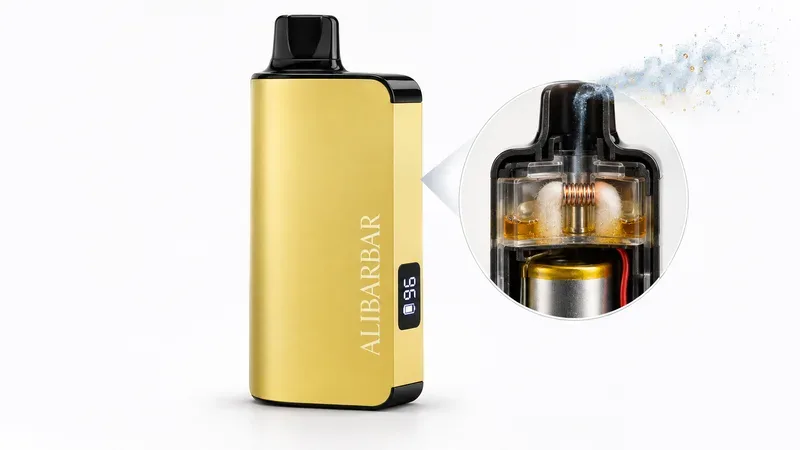
Typical e-liquids may contain nicotine, propylene glycol, vegetable glycerin, and flavoring mixtures. Some formulations also use sweeteners, cooling agents, acids, or other additives. For instance, acids may change nicotine chemistry and the sensation during inhalation. However, an ingredient list rarely explains every reaction that occurs during heating.
Compounds formed or released during heating
Across vape studies, researchers have found nicotine, ultrafine particles, and volatile organic compounds. They have also detected carbonyl compounds, including formaldehyde and acetaldehyde, under some testing conditions. Notably, amounts vary greatly between products and operating conditions. These findings describe plausible hazards, not a confirmed profile for every device.
Propylene glycol and vegetable glycerin help form the visible aerosol. However, excessive heat can degrade these carriers into smaller chemical compounds. Flavorings, sweeteners, and other additives may also produce reaction products when heated. As a result, the inhaled mixture may differ from the unused liquid inside the reservoir.
A user may notice a burnt taste when the wick cannot supply enough liquid. In that situation, coil temperature may rise and change aerosol chemistry. However, unpleasant taste cannot measure chemical concentrations. Likewise, a normal flavor does not prove that the aerosol contains no concerning substances.
Particles and metals from device components
Some research has detected nickel, chromium, lead, or tin in e-cigarette aerosols. Possible sources include coils, solder, electrical contacts, and other internal components. Moreover, wear, corrosion, manufacturing quality, and liquid chemistry may influence metal release. The measured amounts can differ widely across devices, batches, and test protocols.
Ultrafine particles can travel deep into the lungs because of their small size. Their chemical composition may include liquid ingredients, thermal products, and material released from hardware. Therefore, particle number alone does not describe the complete risk. Researchers also consider size, composition, concentration, and inhaled dose.
Flavor does not establish inhalation safety
A substance used in food does not automatically have established safety for repeated inhalation. Eating sends a chemical through the digestive system, while inhalation delivers it directly to respiratory surfaces. Additionally, heat can transform a familiar ingredient before it reaches the lungs. Pleasant flavor also offers no reliable indication of chemical safety.
Ultimately, chemical identity provides only part of the picture. Concentration, delivered dose, frequency, duration, and individual susceptibility all influence possible harm. For example, occasional exposure differs from hundreds of deep puffs each day. Furthermore, asthma or cardiovascular disease may increase sensitivity to the same aerosol.
3. Nicotine Dose, 9,000-Puff Capacity, and Cumulative Exposure
Nicotine strength may appear as milligrams per milliliter or as a percentage. For example, a 2% label commonly represents about 20 milligrams per milliliter, depending on labeling conventions. However, that number describes liquid concentration, not the dose absorbed into the bloodstream. Delivered dose depends on both the device and the user.
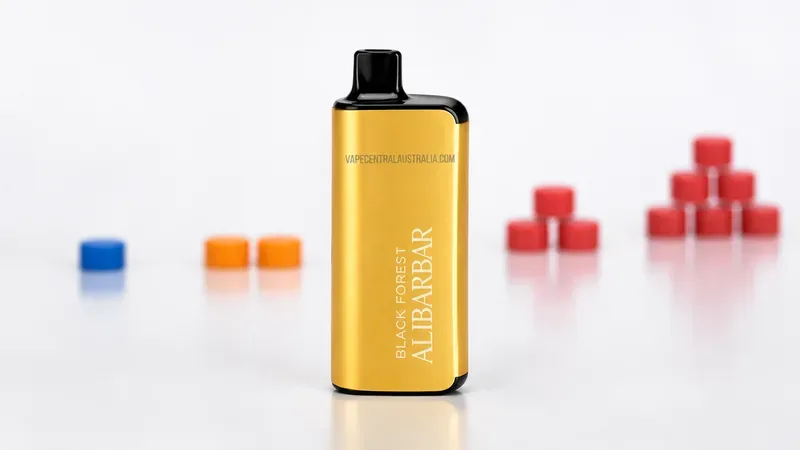
Power output, liquid formulation, and coil design affect nicotine delivery. Puff duration, puff frequency, inhalation depth, and user experience also matter. Moreover, individual metabolism influences blood nicotine levels and how quickly cravings return. Two users can therefore absorb different amounts from the same labeled product.
Why local packaging matters
Buyers should verify the nicotine statement on authentic packaging supplied for their market. Formulations, warnings, and legal nicotine limits may differ between countries. Additionally, unauthorized imports may not match locally advertised versions. Missing or contradictory strength information should raise concern rather than invite guesswork.
A label should state nicotine content clearly and consistently. However, even an accurate label cannot predict someone’s exact daily intake. The user would also need reliable information about liquid consumption and delivery efficiency. Those figures rarely remain constant throughout a disposable device’s life.
What the 9,000-puff claim means
A 9,000-puff claim usually reflects manufacturer testing assumptions. It does not guarantee 9,000 standardized inhalations for every person. Specifically, longer or deeper puffs consume more liquid and battery capacity than short machine puffs. Airflow, charging behavior, and operating temperature may also change the final count.
High capacity can keep nicotine within easy reach for longer. Consequently, users may take frequent puffs without the stopping cue created by an empty smaller device. Someone taking 300 puffs daily could reach 9,000 puffs in about 30 days. That example is illustrative because real puff counts and consumption vary considerably.
Easy access may also encourage unplanned use during work, travel, or screen time. Over time, repeated nicotine intake can build tolerance and strengthen cravings. Moreover, users may experience irritability, restlessness, low mood, or poor concentration between sessions. These withdrawal effects can reinforce continued use and dependence.
Signs of excessive nicotine exposure
Possible early symptoms include several recognizable problems:
- Nausea, stomach discomfort, or vomiting
- Dizziness, headache, sweating, or unusual weakness
- Tremor, agitation, anxiety, or restlessness
- Rapid heartbeat, pounding heartbeat, or palpitations
Symptoms can follow heavy puffing, accidental liquid contact, or ingestion. Therefore, a person should stop exposure and seek guidance if symptoms appear. Severe poisoning may cause confusion, marked weakness, breathing difficulty, seizures, or unconsciousness. Those signs require urgent emergency assistance.
4. How Puffing Behavior and Device Condition Change Emissions
Longer, deeper puffs generally draw more aerosol into the respiratory tract. Frequent puffs can also leave less time for the coil to cool. As a result, temperature may rise and alter aerosol production. The user may inhale more material even when the flavor and visible cloud seem unchanged.
Repeated use with little cooling time can stress the wick and heating system. Restricted airflow may also change coil temperature and aerosol concentration. Furthermore, operating conditions can shift as the battery charge or liquid level changes. A disposable device does not necessarily deliver identical aerosol from beginning to end.
Aging components and poor liquid supply
An aging coil or degraded wick may heat liquid unevenly. Likewise, a low-liquid condition can prevent the wick from staying saturated. This poor supply may cause overheating, harshness, or a burnt taste. Therefore, users should treat a sudden change in flavor or throat sensation as a stop-use warning.
Manufacturing variation can affect seals, wiring, heating elements, and liquid delivery. Storage heat and direct sunlight may also degrade liquid or strain the battery. Additionally, impacts can damage internal parts without leaving an obvious external mark. Prolonged storage may further affect seals and internal materials.
Warning signs that require immediate attention
- Burnt, metallic, chemical, or unusually harsh taste
- Unexpected heat during use, charging, or storage
- Hissing or crackling while the device sits idle
- Leaking liquid, swelling, cracking, or discoloration
- Inconsistent firing or activation without inhalation
- A loose, damaged, dirty, or unusually hot charging port
Stop using a device when any of these signs appear. Moreover, do not modify, puncture, dismantle, or refill a disposable vape. Users should never connect an incompatible charger or damaged cable. Hardware alterations can expose liquid, short electrical components, or destabilize the battery.
If a device overheats, move away from flammable materials when doing so remains safe. However, avoid unnecessary handling if it smokes, bulges, sparks, or becomes extremely hot. Leave the immediate area if fire or fumes develop. Then contact emergency services according to local safety guidance.
5. Possible Health Effects and People at Greater Risk
Short-term complaints linked with vaping can include a dry throat, irritation, coughing, or wheezing. Some people also report chest discomfort, headache, dizziness, nausea, or difficult breathing. However, these symptoms have many possible causes. Their timing, persistence, and relationship to vaping deserve careful attention.
Frequent aerosol exposure may affect respiratory and cardiovascular function. However, the long-term risk from this particular model remains uncertain without suitable product-level evidence. Uncertainty does not mean an exposure is safe. Instead, it shows why specific claims require reliable testing and long-term research.
Respiratory and cardiovascular concerns
Nicotine can temporarily increase heart rate and blood pressure. Therefore, recurring palpitations or a persistently racing heartbeat deserve medical attention. Chest pain, faintness, or breathing difficulty requires greater urgency. People should not dismiss severe symptoms as a normal effect of vaping.
Aerosol can aggravate symptoms among people with asthma or chronic lung disease. Recent respiratory illness may also leave airways more sensitive to irritation. Additionally, certain flavorings or carrier ingredients may trigger symptoms in susceptible individuals. A clinician can help assess recurring coughing, wheezing, or exercise intolerance.
Groups that face additional concerns
Adolescents face a higher concern because nicotine can encourage dependence quickly. Moreover, nicotine exposure can affect attention, learning, mood, and impulse control during brain development. Young people who do not already use nicotine should not start vaping. Attractive flavors and discreet use do not reduce these concerns.
Nicotine exposure during pregnancy is not considered safe for fetal development. Additionally, nicotine can reach an infant through breast milk. Pregnant or breastfeeding people should discuss nicotine use and cessation support with a qualified clinician. Professional help can balance withdrawal management with the need to reduce exposure.
People with heart disease, arrhythmias, chronic lung conditions, or major chemical sensitivities should exercise particular caution. Specifically, symptoms may carry greater significance in these groups. Individual medical guidance is more useful than relying on packaging claims or online anecdotes. A healthcare professional can consider medications, diagnoses, and previous nicotine use.
Vaping compared with smoking
Combustible cigarettes create smoke through burning tobacco, which produces many toxic chemicals. Adults who smoke may reduce exposure to many combustion toxicants by switching completely to a regulated vaping product. However, vaping remains harmful and does not become risk-free. Product quality and continuing nicotine dependence also matter.
Dual use can preserve substantial exposure because the person continues inhaling cigarette smoke. Therefore, using a vape between cigarettes should not count as a complete switch. People who smoke need a realistic plan that prevents a return to heavier smoking. Clinician support can help compare complete switching with approved cessation options.
6. Secondhand Aerosol, Leaks, Counterfeits, and Safe Disposal
Exhaled aerosol can expose nearby people to nicotine, particles, and other constituents. The amount varies with ventilation, distance, product design, and use intensity. However, visible aerosol is not the only possible exposure. Small particles and gases may remain after the cloud becomes difficult to see.
Users should avoid vaping around children, pregnant people, and anyone with respiratory disease. Moreover, enclosed shared spaces can allow aerosol to accumulate. Going near a window does not guarantee that exposure stays away from others. The safest shared-air approach is to vape outside and away from bystanders.
Leaks and accidental liquid exposure
Leaking liquid may contact skin, enter the eyes, or contaminate surfaces. It may also reach the mouth during use. Therefore, people should stop using a leaking device and prevent further contact. Nicotine can cross skin and may cause illness after meaningful exposure.
Swallowed nicotine liquid can be especially dangerous for children and pets. Even a small amount may require prompt professional assessment. Additionally, colorful devices and sweet smells can attract curious children. Store every device securely, preferably locked and out of sight.
Authenticity and quality checks
- Buy from a trusted retailer that provides clear product details.
- Check for intact seals and consistent, professional labeling.
- Confirm batch details and required nicotine warnings.
- Use a valid verification code where the manufacturer provides one.
- Look for genuine manufacturer contact information.
- Compare nicotine strength across the device, box, and sales record.
Questionable signs include misspellings, broken seals, and missing batch information. Implausible claims, strange liquid color, unusual odor, leaks, or inconsistent construction also deserve caution. Furthermore, a verification code provides limited reassurance if the surrounding packaging looks altered. Counterfeiters may copy codes or labels.
Do not use a device that arrived damaged or endured extreme temperatures. Likewise, reject one that leaks, activates unexpectedly, or appears counterfeit. A low price does not justify uncertain contents or unsafe construction. When authenticity remains doubtful, discontinue use and contact the retailer or named manufacturer.
Disposal without creating another hazard
Disposable vapes contain batteries, electronics, residual liquid, and potentially nicotine. Therefore, they should not enter ordinary recycling, household rubbish, or fire. Crushing and waste processing can damage batteries and start fires. Burning may also release hazardous fumes.
Follow local household hazardous-waste or approved e-waste collection instructions. Additionally, keep the device away from children while awaiting disposal. Some programs require protection over terminal areas to prevent electrical contact. Follow the collector’s directions rather than taping, draining, or dismantling the device without approval.
7. When to Seek Help and How to Reduce or Stop Nicotine Use
Stop exposure and seek medical guidance for persistent coughing, wheezing, or chest discomfort. Recurring palpitations, repeated vomiting, or symptoms that worsen after vaping also need attention. Moreover, describe the product, nicotine strength, use pattern, and symptom timing accurately. Keep the packaging available if professionals request its details.
Emergency signs and immediate actions
- Severe breathing difficulty or rapidly worsening shortness of breath
- Chest pain, collapse, or extreme weakness
- Blue or gray lips, confusion, or loss of consciousness
- Seizures or a rapidly worsening allergic-type reaction
Contact emergency services immediately if these signs occur. After suspected nicotine-liquid ingestion or significant exposure, promptly contact a local poison-control service. Specifically, do not wait for symptoms before requesting advice about a child or pet. Poison specialists can assess the product, amount, exposure route, and timing.
Move to fresh air when inhaled fumes cause symptoms and movement remains safe. Remove contaminated clothing, then rinse exposed skin with water. Additionally, flush exposed eyes gently with clean water. Do not induce vomiting unless a poison professional specifically instructs you.
Countries use different poison-control systems, telephone numbers, and treatment pathways. Therefore, follow local professional guidance instead of relying on a generic online remedy. Emergency staff may need the packaging or a photograph of its label. Never delay urgent care while searching for exact ingredients.
Practical support for reducing or quitting
Evidence-based options include behavioral counseling, quitlines, and clinician support. Approved nicotine-replacement products may also help appropriate users manage cravings. Furthermore, locally authorized medications can support some quit attempts. A clinician or pharmacist can explain suitable choices, precautions, and dosing.
Identify common triggers, then choose a clear quit or reduction plan. For instance, track daily use, delay the first puff, and remove spare devices. Additionally, ask supportive people to avoid offering nicotine. Withdrawal or relapse does not erase progress, but it may signal a need for stronger support.
People who currently smoke should avoid returning to combustible cigarettes. Instead, discuss complete switching or cessation with a qualified clinician. A plan should address cravings, withdrawal, and high-risk situations. Most importantly, it should move toward eliminating smoke exposure rather than maintaining dual use.
Conclusion
The ALIBARBAR INGOT 9000 Puffs should not be called chemically safe without reliable product-level and batch-level testing. Likewise, no one should assign specific emissions without evidence from the exact version. Disposable vape aerosols may contain nicotine, heated carrier liquids, particles, carbonyls, volatile compounds, and metals. However, composition and dose vary with hardware, liquid, and operating conditions.
High capacity may extend easy access and increase cumulative nicotine or aerosol exposure. Moreover, damaged, leaking, overheated, degraded, or counterfeit devices add preventable concerns. Puffing behavior and individual health also influence risk. A label and advertised puff count cannot capture all these variables.
Check the device’s authenticity, labeling, storage history, and physical condition before use. Stop using it when burnt flavor, leaks, swelling, unexpected heat, or irregular activation appears. Additionally, keep it away from children, pets, pregnant people, and bystanders. Contact a healthcare or cessation professional when you want help reducing or stopping nicotine use.