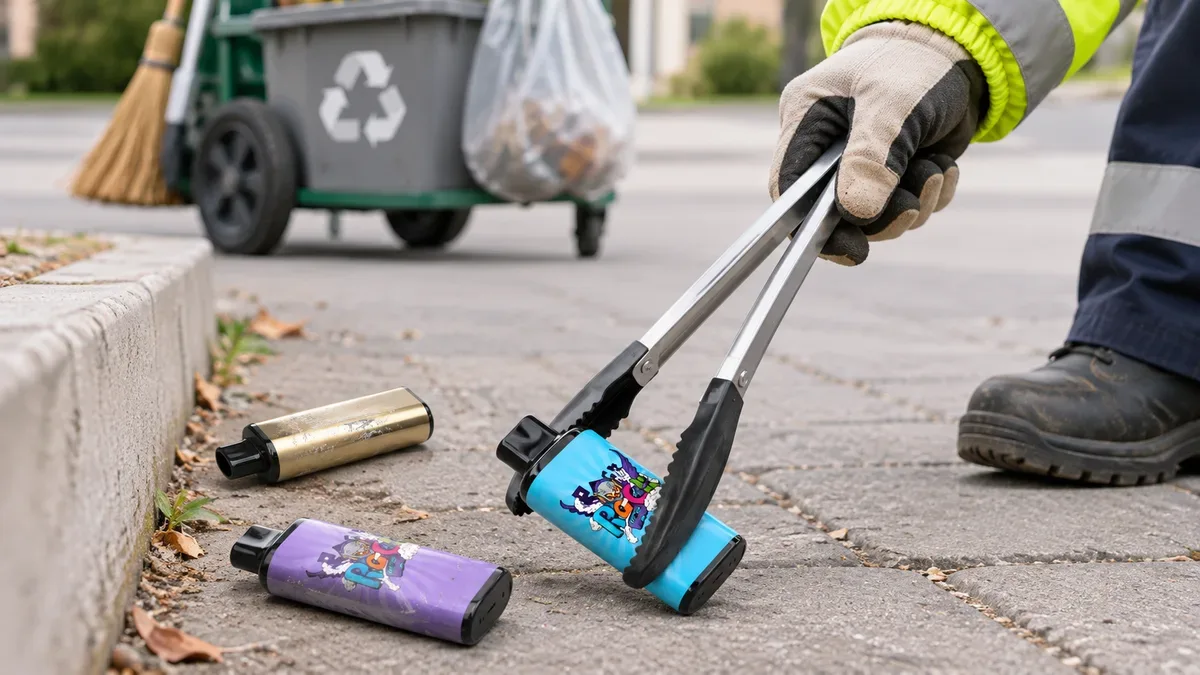
A discarded vape can look like ordinary street litter, until you notice its cracked casing or exposed wires. What Role Do Local Councils Play in Managing Vaping-Related Litter? In practice, the answer depends on where the device lies and whether it poses an immediate hazard. A vape outside a school gate, for instance, may need a different response from one inside the playground.
Meanwhile, the used vape in your kitchen drawer calls for a different decision altogether. Its battery, electronics and leftover e-liquid make it a poor fit for ordinary bins. Start by checking who manages the land or which local recycling service accepts the device.
What Role Do Local Councils Play in Managing Vaping-Related Litter?
Local councils clean streets and public spaces within their remit, receive litter reports and arrange local waste services. They can also help prevent repeat littering and use enforcement powers where the law permits. In practice, street cleansing, waste collection and enforcement may sit with different teams or authorities.
Street cleaning and electrical waste services
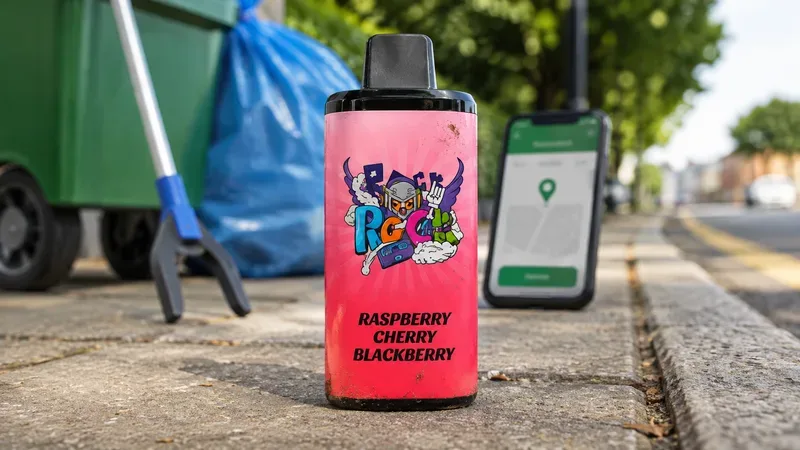
Street-cleaning teams deal with litter on streets and public spaces the council must keep clean. This often includes adopted streets and council-managed parks. For example, a crew might find discarded vapes during a regular sweep around a shopping street. A report can also alert the council to a spot the crew has already passed.
Meanwhile, the waste team can direct residents to facilities that accept used vapes and other small electrical items. Depending on the area, a neighbouring authority or a waste contractor may operate the nearest site. Therefore, the collection instructions on your council’s website matter more than what works in the next town.
Where the council’s remit varies
Council responsibilities vary by country, local law, land ownership and the contracts that cover cleaning and waste services. For instance, one authority may handle street cleansing while another runs the household recycling centres. In England, Defra’s Code of Practice on Litter and Refuse explains the duties that apply to councils and other bodies. Elsewhere, check the guidance for your own jurisdiction.
Additionally, councils can use reports to identify recurring problems and share disposal information with residents and businesses. An enforcement team may also investigate where local law allows and the evidence supports it. For example, repeated reports behind a row of shops may prompt the council to identify who manages the site. The team can then contact the manager or assess whether it has grounds to intervene.
How Councils Receive Reports and Clean Up Vape Litter
Start with your council’s street litter reporting page or its mobile reporting tool, where available. Alternatively, phone the customer service team if the online form has no suitable category. If several devices appear together, tell the council roughly how many you can see. It can then decide whether the report belongs with street cleansing or another team.
Give the crew enough detail to find the litter
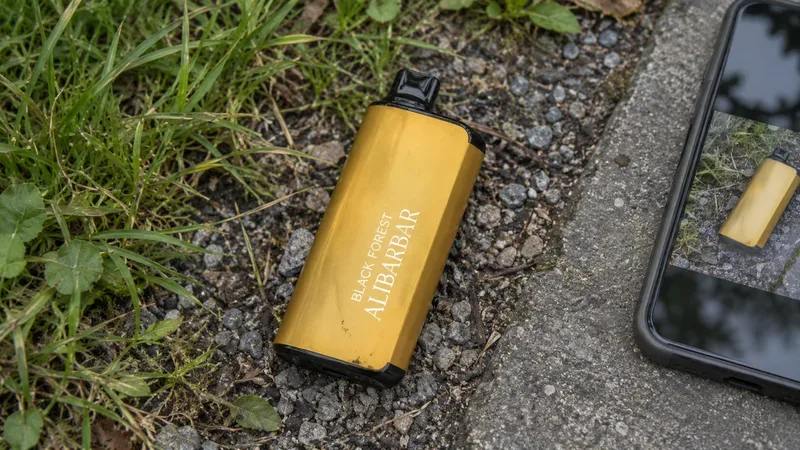
A house number, shop name or map pin can save a crew from searching an entire street. For instance, “beside the bus shelter opposite number 24” gives staff a place to start. Additionally, say whether the devices lie on the pavement, in the road or beyond a fence. That detail can affect who can safely reach them.
- Give the street name and mark the exact location with a map pin if you can.
- Include a nearby landmark, such as a school entrance, shopfront or bus stop.
- Estimate the number of devices and describe whether they cover one spot or a wider area.
- Attach a photograph if you can take one safely from where you stand.
- Flag visible damage, leaking liquid, smoke or any risk to children, pedestrians or traffic.
However, stay clear of traffic and leave a damaged device where it is. If a vape is smoking or burning, move away and call the emergency services. For other visible damage, describe what you can see from a safe distance. An accurate location matters more than a close-up photo.
How teams decide what to tackle first
Teams consider the location, the volume of litter and how readily people can come into contact with it. For example, several crushed vapes near a school crossing can need quicker attention than one intact device beside a quiet path. Furthermore, traffic hazards may affect when crews can safely reach litter in the road. Signs of battery damage can also change how the crew approaches collection.
Meanwhile, a routine report may go onto the next scheduled cleaning round. The council may check land ownership before sending anyone out. Therefore, keep the reference number if the council gives you one. You can use it to update the same report if more devices appear or the hazard changes.
Who Is Responsible on Private Land or Near Shops and Schools?
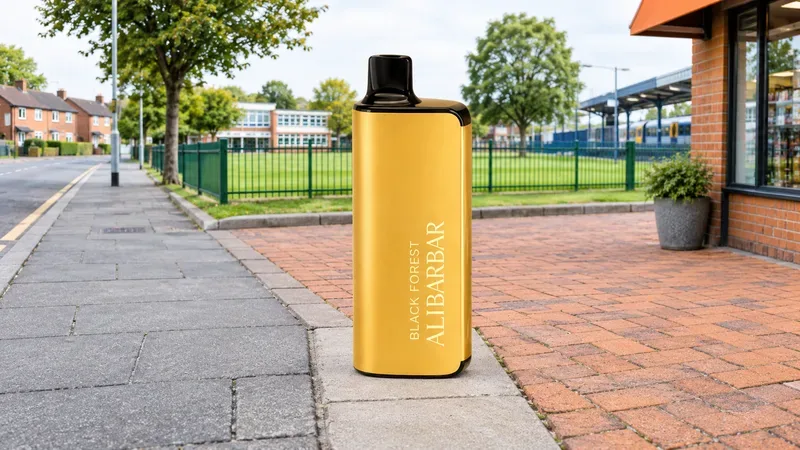
A council may maintain the pavement outside a shop while the retailer or landlord manages the forecourt. Similarly, a street cleaner may cover the route to a school gate while school staff manage everything inside it. The first step is to identify exactly where the vape lies. Even a kerb, gate or painted boundary can help explain the location.
Match the location to the person or organisation that manages it
- Adopted streets and council-managed parks. Use the council’s street litter or parks reporting channel.
- Private car parks, retail forecourts and shopping centres. Contact the retailer, site operator or property manager.
- School grounds. Tell the school office or site team, especially if children can reach the device.
- Housing developments and estates. Contact the housing provider or managing agent about shared areas it maintains.
- Stations and other transport property. Notify station staff, the transport operator or the authority that manages the site.
- Privately managed open spaces. Check signs at the entrance for the organisation responsible for maintenance.
However, estates and retail developments often contain several types of land. For instance, a council may clean an adopted road through an estate while a housing provider maintains nearby paths. Similarly, a bus stop on a public pavement may sit beside a privately managed station entrance. Include a photo or map pin so staff can see which side of the boundary you mean.
When the council can still help
If ownership is unclear, ask the council’s customer service team where to send the report. It may direct you to a landowner, another public authority or the organisation that manages the property. Additionally, an environmental enforcement team may investigate persistent litter or dumping on private land where legislation permits. The powers available depend on the circumstances and local law.
For example, if discarded vapes keep appearing behind a shopping parade, share the exact location and dates with the site manager. Meanwhile, report any devices that spread onto the public pavement through the council’s street litter service. The same location details help both teams identify the places they maintain.
Why Discarded Vapes Require Special Handling
A vape is a small electrical product with a heating element and electronic components. Many devices contain an embedded lithium-ion battery, including models that appear empty or have stopped working. In fact, a device can still hold enough charge to create a hazard if something crushes or punctures it. Keep used vapes out of general rubbish and standard household recycling.
What happens when a battery gets crushed
Collection vehicles compact rubbish to make room for more. Similarly, equipment at waste facilities can put pressure on objects during sorting or processing. If that pressure damages a battery, the battery can short-circuit and heat up. As a result, a small device can produce smoke or start a fire among surrounding materials.
For example, a vape tossed into mixed recycling can travel alongside paper and cardboard through several stages of handling. The risk increases when machinery catches or crushes the device. By contrast, a designated vape or electrical waste service can direct it into a collection suitable for battery-powered products. Check that the site specifically accepts vapes before using a small electricals container.
What to do when you find a damaged vape
Additionally, cracked casings can expose sharp edges, and leftover e-liquid can leak from a broken device. Some e-liquids contain nicotine, so keep children and pets away from spills and damaged products. If you find a crushed or leaking vape in public, leave it in place and report the condition. Give the location from a safe spot.
However, if the device belongs to you and has visible damage, contact the receiving recycling centre or retailer before taking it there. Describe any swelling, leakage or exposed battery parts so staff can give you site-specific instructions. Follow the local fire service’s guidance if the device starts heating or smoking. In an active fire, move away and call the emergency services.
Most importantly, leave an embedded battery inside the casing. Pry tools can puncture the battery or damage the wiring. If the manufacturer designed the battery to come out, ask the collection service how it accepts the battery and device. Greater Manchester Fire and Rescue Service covers vape disposal in its Vaping electrical safety guidance.
Where to Take Used Vapes for Safe Disposal
Start with your council’s guidance for vapes, e-cigarettes or small electrical waste. Search by postcode if different authorities serve nearby streets. Additionally, check the individual site’s instructions before travelling, because collection points can accept different items. A container labelled for loose batteries may have a separate process for whole devices.
Check your council’s electrical waste options
- Designated small electrical collection points. Check the list of accepted products for vapes or e-cigarettes before dropping one off.
- Household recycling centres. Confirm site access, booking requirements and the location of the vape collection container.
- Scheduled electrical waste collections. Check whether your council collects vapes from home and how it wants you to present them.
- Council-supported drop-off schemes. Look for participating shops, community venues or collection events listed in your council’s guidance.
For instance, a recycling centre may accept a device set aside from your other electrical items. Meanwhile, a scheduled service might require a booking and specific instructions for putting the device out. Follow the directions for the service you choose. If vapes are missing from the accepted-items list, ask the operator which route takes them.
Ask a vape retailer about take-back
UK government guidance says sellers must offer take-back for vapes and vape parts. That includes used single-use vapes returned after the UK sales ban. However, the practical process can vary between a shop counter and an online seller. Check where to hand items over and ask staff how they handle damaged devices.
Specifically, tell the retailer what you have before making a special trip. Ask whether the branch accepts devices bought elsewhere and how it handles different brands or product types. If staff quote a purchase restriction, check it against the government’s take-back guidance before choosing another route. The UK government covers retailer obligations in its Single-use vapes ban: information for businesses guidance.
- Ask where to hand over intact reusable or single-use devices.
- Confirm the route for used pods, coils and removable batteries.
- Describe any damage or leaking liquid and request instructions before bringing the device in.
Finally, keep the casing intact and follow the receiving service’s instructions. For example, if you have a worn reusable device and two spare batteries, check the route for each item. Ask staff which container to use if the signs leave room for doubt. A quick check at the counter can keep batteries out of the wrong collection stream.
Litter Enforcement and Fines for Dropping Vapes
Deliberately dropping or abandoning a vape in a public place can fall under general littering laws. Where local rules allow, an authorised officer may issue a fixed penalty notice or pursue another form of enforcement. However, the relevant offence and the evidence needed depend on the jurisdiction. A cleanup report can still help the council even when nobody saw the vape being dropped.
What an enforcement team considers
For example, a photo of four discarded vapes beside a bench can show the location, volume and condition. A witness who actually saw someone drop a device can provide different information, such as the time and what happened. Additionally, officers assess whether the evidence identifies the person and supports action under the applicable law. Share what you observed directly through the council’s reporting channel.
Meanwhile, councils may use a separate reporting process when someone leaves a larger load of rubbish. For instance, a sack of discarded devices behind a shop may call for a fly-tipping report. Describe the amount, packaging and location so staff can choose the appropriate response. Leave the bag closed and photograph the scene only if you can do so safely.
How local rules affect penalties
Penalty levels, officer powers, evidence requirements and options for challenging a notice vary by jurisdiction. Additionally, some littering laws can cover private land under certain conditions. In England, Defra explains when authorised officers can take action in its Litter Enforcement Powers guidance. The power to investigate a littering offence and the duty to clean that land are separate questions.
Therefore, check your council’s published litter-enforcement policy for the rules it applies. If you receive a notice, read the notice itself for payment deadlines and any route for making representations or challenging it. The council’s policy may also explain how it handles cases that proceed to court. For a resident reporting litter, an accurate account helps the team decide what action, if any, it can take.
How Councils, Retailers, and Communities Prevent Vape Litter
A council can use repeat reports to see where discarded vapes accumulate and when the problem is most visible. For instance, reports from the same taxi queue on three Sunday mornings suggest a place to review weekend cleaning. Meanwhile, repeated finds around shop entrances may point to a need for clearer take-back signs. The pattern can guide where the council puts its time and resources.
Use local reports to plan cleaning and collection
Specifically, councils and contractors can compare report locations with existing cleaning routes. They can then adjust when crews visit busy retail or nightlife areas. Additionally, councils can work with site managers to choose suitable collection points and agree who empties them. A sign at the point of disposal can tell people which items belong in the container.
For example, shops along one street could display a short take-back message at the counter. Meanwhile, the council could list nearby locations that accept used vapes and tell residents how to report street litter. If reports keep coming from the same spot, staff can check whether the signs are visible. They can also ask the shops whether people have started returning devices.
Give local partners a practical role
- Retailers can explain take-back at the point of sale and show customers where to hand over used products.
- Schools and youth services can tell young people who to alert when they see a damaged device.
- Waste contractors can flag repeat finds and agree safe collection arrangements with the council.
- Housing providers can share disposal information with tenants and address recurring litter in communal areas.
- Community groups can share local observations and coordinate cleanups with the relevant land manager.
Most importantly, cleanup organisers should agree in advance how volunteers will report hazardous items and who will handle them. For instance, volunteers can record the location of a crushed vape for a trained crew to collect. Afterwards, partners can compare the places they cleaned with new reports. That helps them see whether discarded devices are returning to the same spots.
Conclusion
Local councils help manage vape litter by cleaning public spaces, receiving reports, arranging electrical waste services and preventing repeat problems. Where local law allows, they can also enforce general littering rules. However, the right contact depends on who manages the land and what powers apply there. A precise location helps the council or land manager act on your report.
First, check your council’s electrical waste guidance or verify a retailer’s take-back service for your own used vapes. Use the confirmed route so the battery and electronic components stay out of ordinary bins. Then, report discarded devices to the council or land manager with an exact location and a photo if safe. Flag damage or leakage so the people handling the report know what to expect.